
Quick answer: Pella, Greece, is the birthplace of Alexander the Great, born here in 356 BC, and the ruined capital of the Kingdom of Macedon in northern Greece, about 39 km northwest of Thessaloniki. This is where Alexander was born, raised at the royal court, and where he returned as regent at 16 before launching the campaign that reached India. King Archelaus I made Pella the Macedonian capital at the end of the 5th century BC. Today you visit two things side by side: an open archaeological site with house foundations, the agora, and famous pebble mosaics, and the modern Archaeological Museum of Pella, home to the marble bust of Alexander and the site’s finest floors. Allow two to three hours. The palace on the hill above the city, the heart of Alexander’s Pella, reopened to visitors in December 2025 after restoration.
Pella at a Glance
| Salamis at a glance | |
|---|---|
| Location | Central Macedonia, northern Greece, about 39 km (24 miles) northwest of Thessaloniki |
| Founded as capital | End of the 5th century BC, under King Archelaus I |
| Best known for | Birthplace of Alexander the Great (356 BC) and Philip II (382 BC); pebble mosaics; the palace |
| Opening hours | Summer (1 Apr to 31 Oct) 08:00 to 20:00, Tue from 12:00; winter (1 Nov to 31 Mar) 08:30 to 15:30, closed Tue |
| Entrance fee | The Standard Ticket is Full €10, reduced €5 (covers site and museum) or €15, for the Special Ticket Package that also includes the Palace of Pella. |
| Time needed | 2 to 3 hours for the site and museum together |
| Getting there | 45 to 60 minutes by car from Thessaloniki; 10 to 15 minutes from Giannitsa |
Pella is the ancient capital of Macedon in northern Greece, roughly 39 km northwest of Thessaloniki, where Alexander the Great was born in 356 BC and where you can still walk through the foundations of aristocratic houses laid with some of the finest pebble mosaics to survive from the ancient world (Britannica). This guide covers what Pella is, its history, exactly what to see across the site and the museum, and how to visit, including the practical details that first-time visitors get wrong.
I will be honest, my first visit to Pella was underwhelming, and it was my own fault. I walked the archaeological site first and saw the museum afterwards, which is the wrong way round. The site has few standing elements, and without the context of the museum it can feel like a field of foundations. Start at the museum instead. It is a small, well-done collection with many of the mosaics lifted from the site now on display, and once you have seen those, the site makes sense and becomes a genuinely worthwhile walk. Do it in that order, and Pella rewards you.
Pella was the capital of the ancient Kingdom of Macedon and the birthplace of Alexander the Great. It sits on the plain of Central Macedonia in northern Greece, about 39 km northwest of Thessaloniki. King Archelaus I moved the Macedonian capital here from the older royal seat at Aigai (modern Vergina) at the end of the 5th century BC, and Pella grew into the political, cultural, and commercial heart of the kingdom.
Today it is an open archaeological park paired with a modern museum. You walk through the grid of a Hellenistic city, past the foundations of large houses built around colonnaded courtyards, the vast public agora, and the mosaic floors that made Pella famous. The palace itself sits on higher ground north of the city.
One point worth clearing up early, because it costs travellers time. “Pella” is a busy name. There is Pella the US window and door manufacturer, Pella in Iowa, and an ancient Pella in Jordan. The place in this guide is ancient Pella in Greece, in the Pella regional unit of Central Macedonia. If your searches keep returning windows or the American Midwest, add “Greece” or “Macedonia” to your query.
Pella is in the Pella regional unit of Central Macedonia, on the plain northwest of Thessaloniki. Britannica places it about 24 miles (39 km) northwest of the city. By car, it is a 45- to 60-minute drive from Thessaloniki or a 10- to 15-minute drive from the nearby town of Giannitsa.
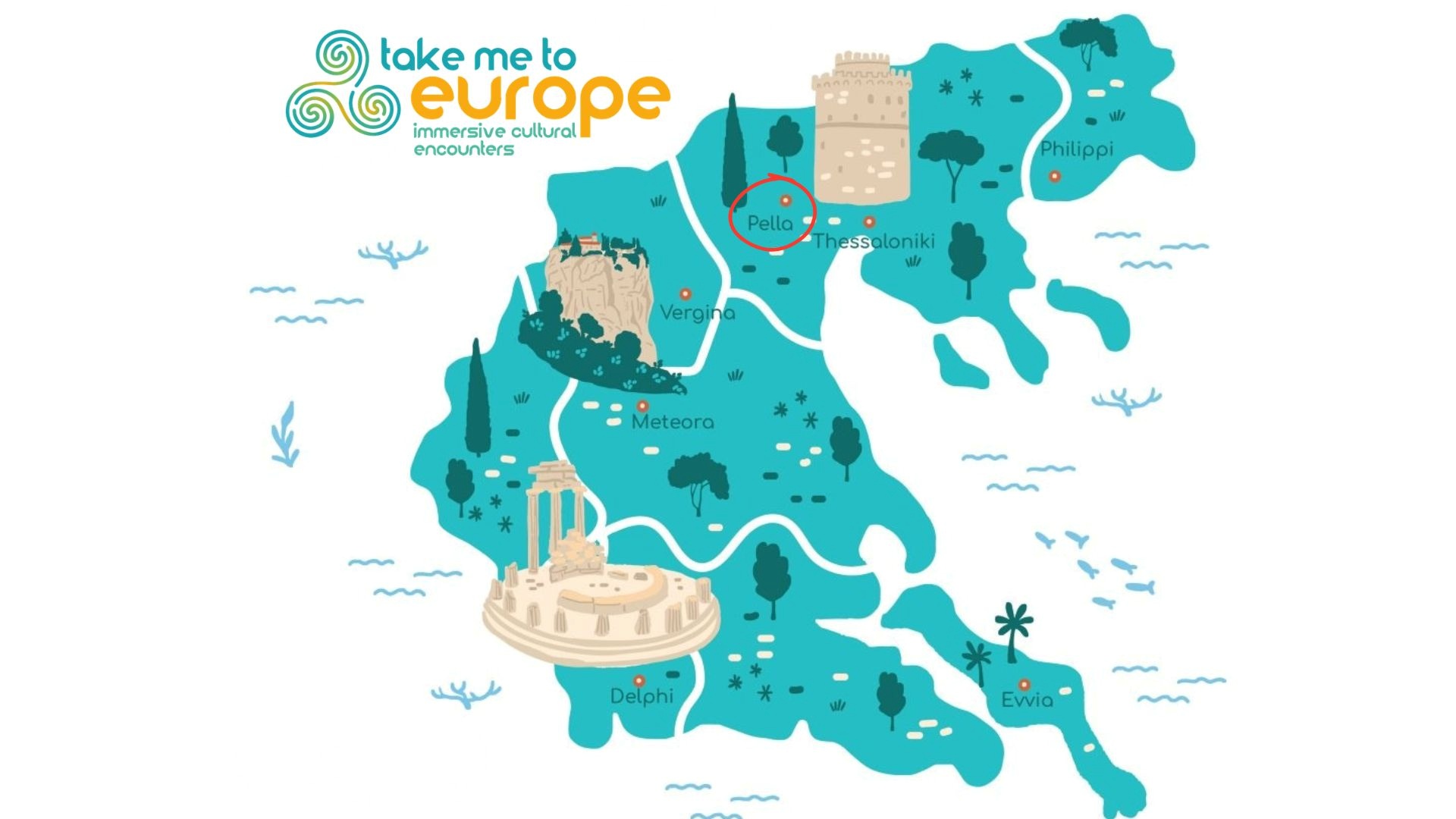
You have three realistic options:
🔸 By car. The easiest way. Head west from Thessaloniki towards Edessa on the national road and follow the signs to Pella. This gives you the freedom to pair Pella with Vergina in a single day. It is by far the easiest and fastest option
🔸 By intercity (KTEL) bus. Buses run from Thessaloniki towards Edessa and Giannitsa and can drop you near the site. Check the current timetable before you rely on it, as services are less frequent than the drive suggests.
🔸 By city bus from Giannitsa. If you are already in Giannitsa, a short local bus reaches the site.
Although these bus options sound ok, the reality is that there is no bus stop near the museum or the archaeological site. There is lousy signposting and infrequent buses, and no taxis in Giannitsa. You are in for a long walk to the site, then to the museum, then back to the bus stop. Given the time and hassle, a day tour that takes in Pella and Vergina is a good option if you don’t have a car rental.
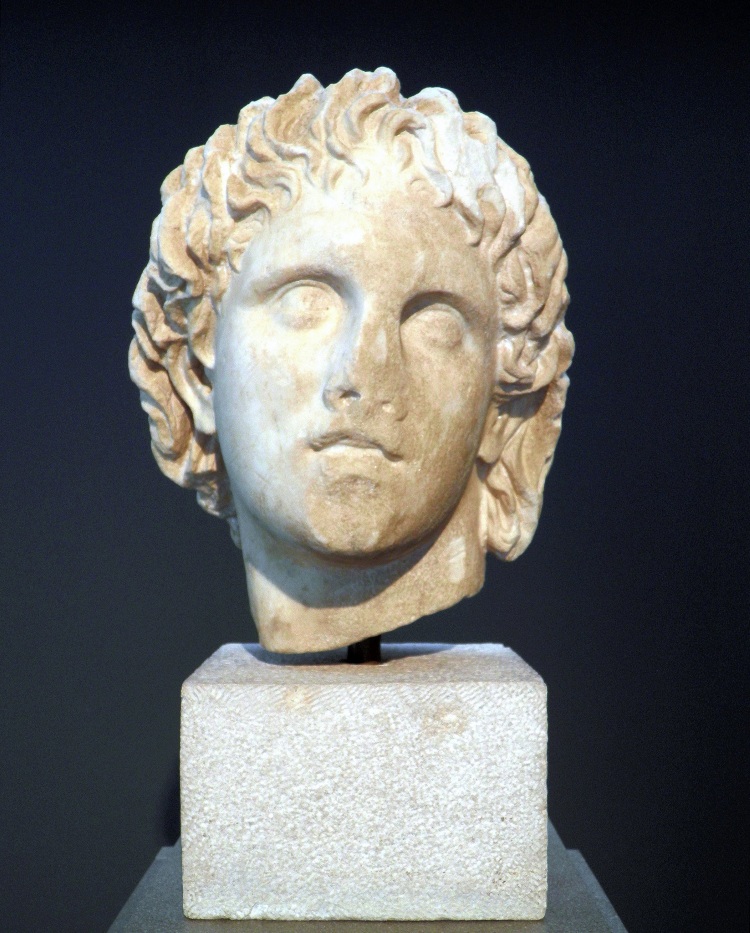
Alexander the Great was born at Pella in 356 BC, the son of King Philip II of Macedon and Olympias, a princess of Epirus Britannica. His father, Philip II, had been born in the same city in 382 BC.
By the time Alexander was born, Pella was the wealthiest and most powerful city in the Greek north, a royal capital at the height of its influence, and this is the specific reason the city matters to anyone following his story. Pella is not just where Alexander was born. It is where he was formed.
Alexander and his sister grew up at the royal court in Pella. His earliest education was entrusted to the strict Leonidas, a relative of his mother, and later to Lysimachus, and he was raised in the manner of noble Macedonian youths, learning to read, ride, fight, and hunt.
It was at Pella, according to Plutarch, that a boy of about twelve tamed the wild stallion Bucephalus after noticing the horse was frightened of its own shadow, the horse that would carry him across Asia.
When Alexander was thirteen, in 343 BC, Philip hired the philosopher Aristotle to tutor him. The lessons took place not in the city itself but at the Sanctuary of the Nymphs near Mieza, a royal estate a short distance from Pella, where Alexander studied alongside future generals such as Ptolemy and Hephaestion.
At sixteen, in 340 BC, he returned to Pella and was appointed regent of Macedon while his father campaigned abroad. It was from this city that the young king eventually set out in 334 BC on the campaign that would carry Macedonian arms to India.
Be realistic about this, because it is the thing most people get wrong. You will not find a labelled “birthplace of Alexander” or his personal belongings.
What survives is the city he knew: the street grid, the great agora, the foundations of the aristocratic houses, and above all the palace on the rise north of the city, the royal complex where the family lived and ruled.
The mosaics in the museum are from his century, laid in the houses of the Pella elite. Standing in the agora or looking up at the palace, you are in the actual capital where Alexander was born and grew up, which for many visitors is the whole point.
One detail that surprises people: Pella today sits well inland, but in Alexander’s time it was a port, connected to the Aegean by a lagoon, which is part of why it became so wealthy. The silting up of that link is one reason the city later declined.
There is not much of the archaeological site that stands above your knees. Like other sites of great heroes and armies in Greece (such as Sparta), the site was destroyed by the victors (in this case, the Romans), but it is still a buzz to walk the streets of the birthplace and home of the man who conquered 2 million square miles across three continents. It took him just 13 years to conquer what is now 26 different countries. And it all started here.
Vergina, ancient Aigai, is where the Macedonian kings were buried and where Philip II’s tomb was found. Pella is where the dynasty lived and ruled, and where Alexander was born. To understand the man, you want both places, which is why serious itineraries pair them. You can read the burial side of the story in our guide to Vergina and the Royal Macedonian Tombs.
Pella packed a great deal of history into a few centuries. Here is the timeline that explains what you see on site.
🔸 Late 5th century BC: King Archelaus I moves the Macedonian capital from Aigai to Pella and develops it as a new royal centre. By the early 4th century BC, it is the largest Macedonian city.
🔸 382 BC: Philip II is born at Pella.
🔸 359 to 336 BC: Under Philip II, the city grows rapidly into the leading power of the Greek world.
🔸 356 BC: Alexander the Great is born at Pella.
🔸 Late 4th century BC: The great pebble mosaics that made Pella famous are laid in its wealthy houses.
🔸 168 BC: Rome defeats the last Macedonian king at the Battle of Pydna. Pella is looted and declines into a small provincial town (Britannica).
🔸 Later antiquity: The palace is stripped for building stone over the centuries, leaving mainly foundations, and the surrounding area turns to farmland.
Of all these different eras, I loved the late Classical to early Hellenistic era the most (the late 4th to 3rd centuries BC) because it gave us the astonishing pebble mosaics that I think are Pella’s greatest treasures.
A visit to Pella is really two visits in one: the open-air site and the museum, and they are ticketed together. Most of the “wow” is split between mosaics you see in place on the site and the finest floors and finds moved into the museum.
Give yourself two to three hours for both. One piece of advice up front, and it changes the whole experience: see the museum first, then walk the site.
The standing remains are modest, so the museum gives you the context and the mosaics that make the foundations come alive when you walk out to them.
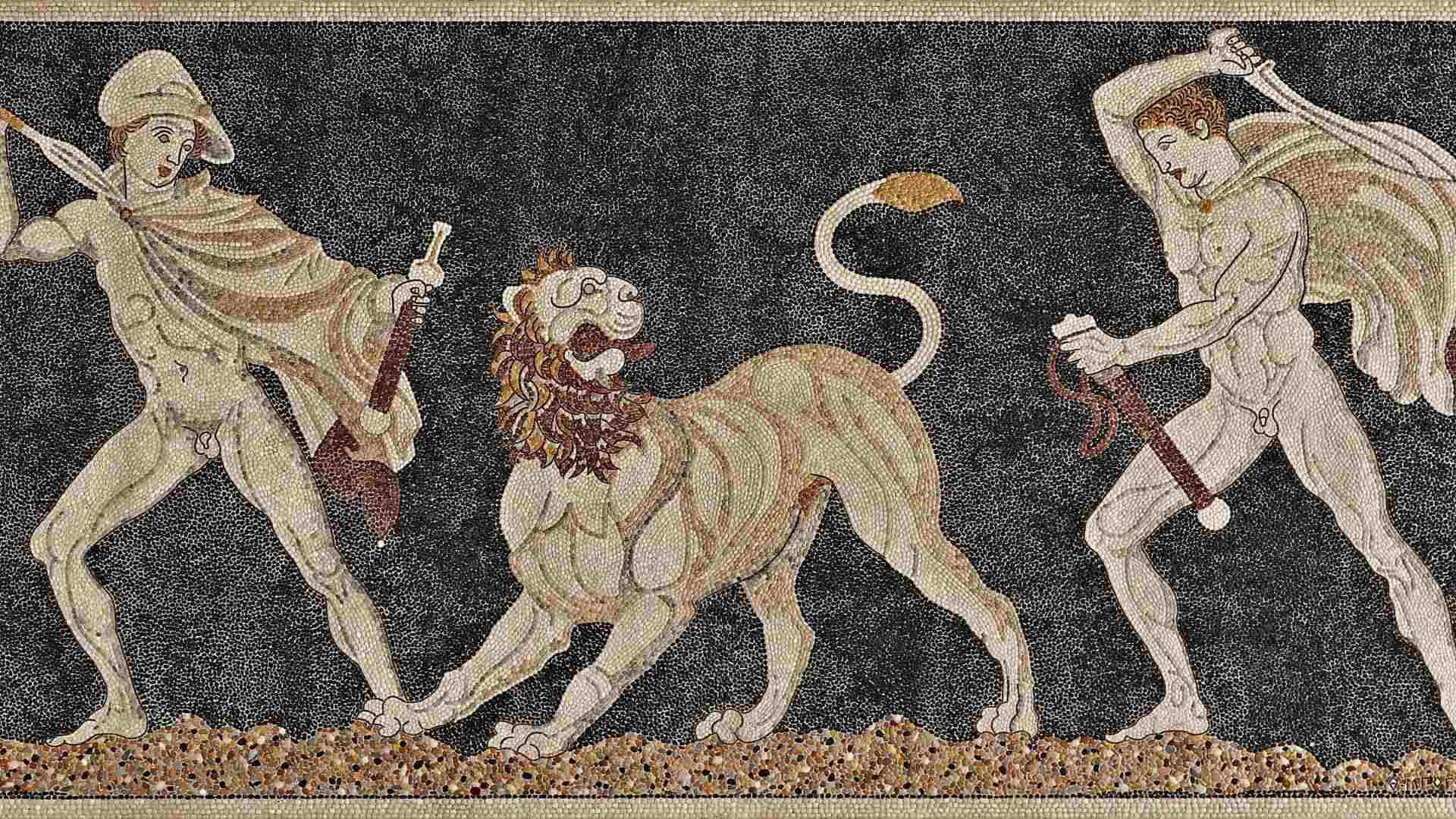
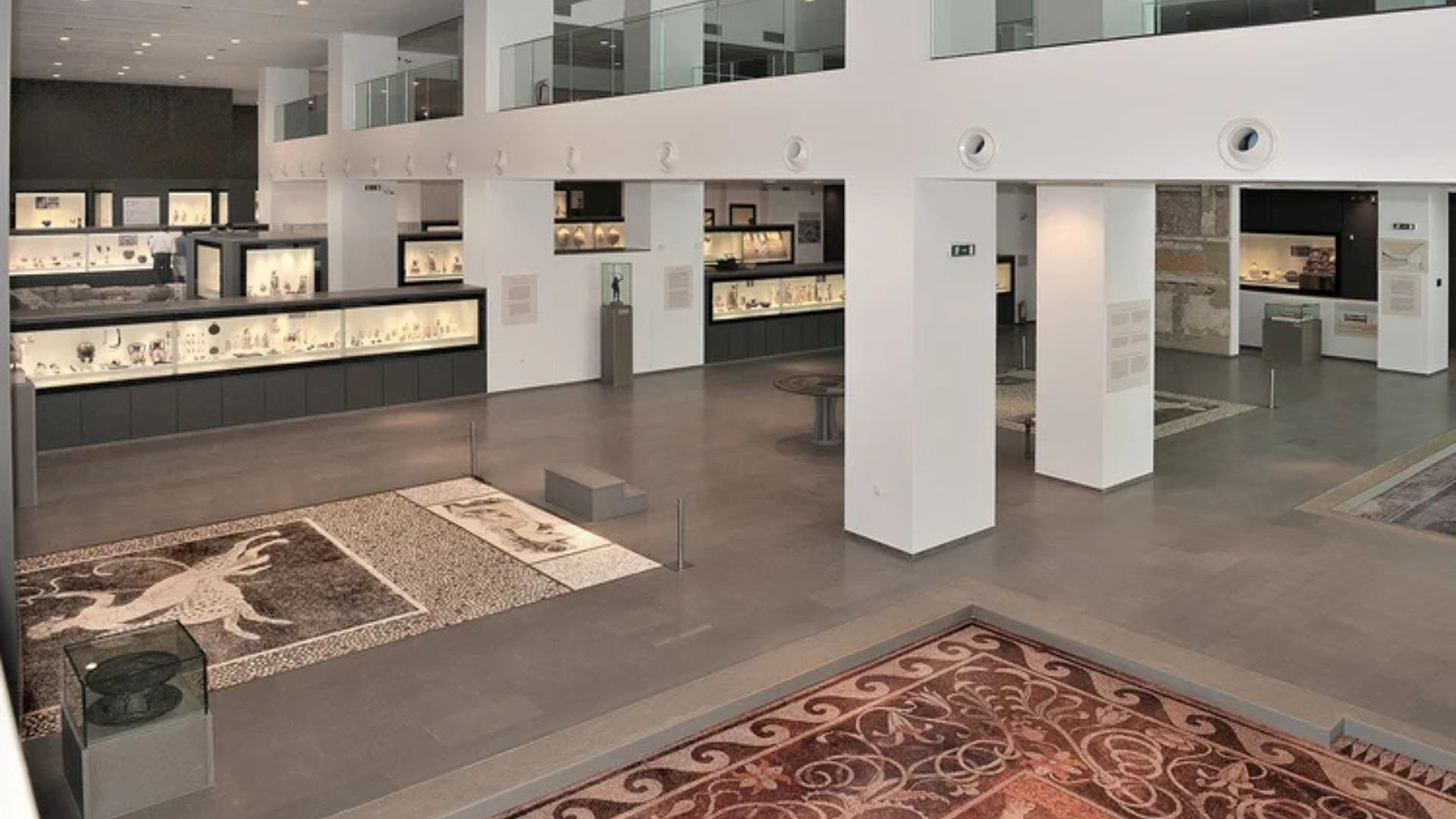
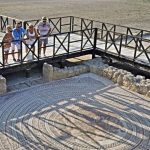
The single most famous thing at Pella is its mosaics. Unlike later Roman mosaics made from cut cubes, these are made from small natural pebbles of many colours, carefully matched and laid, and they date from the late 4th century BC.
The best-known come from grand houses, including the House of Dionysus, and show scenes such as a lion hunt and Dionysus riding a panther. Some remain on site in their original positions, while the finest have been moved into the museum for protection. They are widely regarded as masterpieces of their kind.
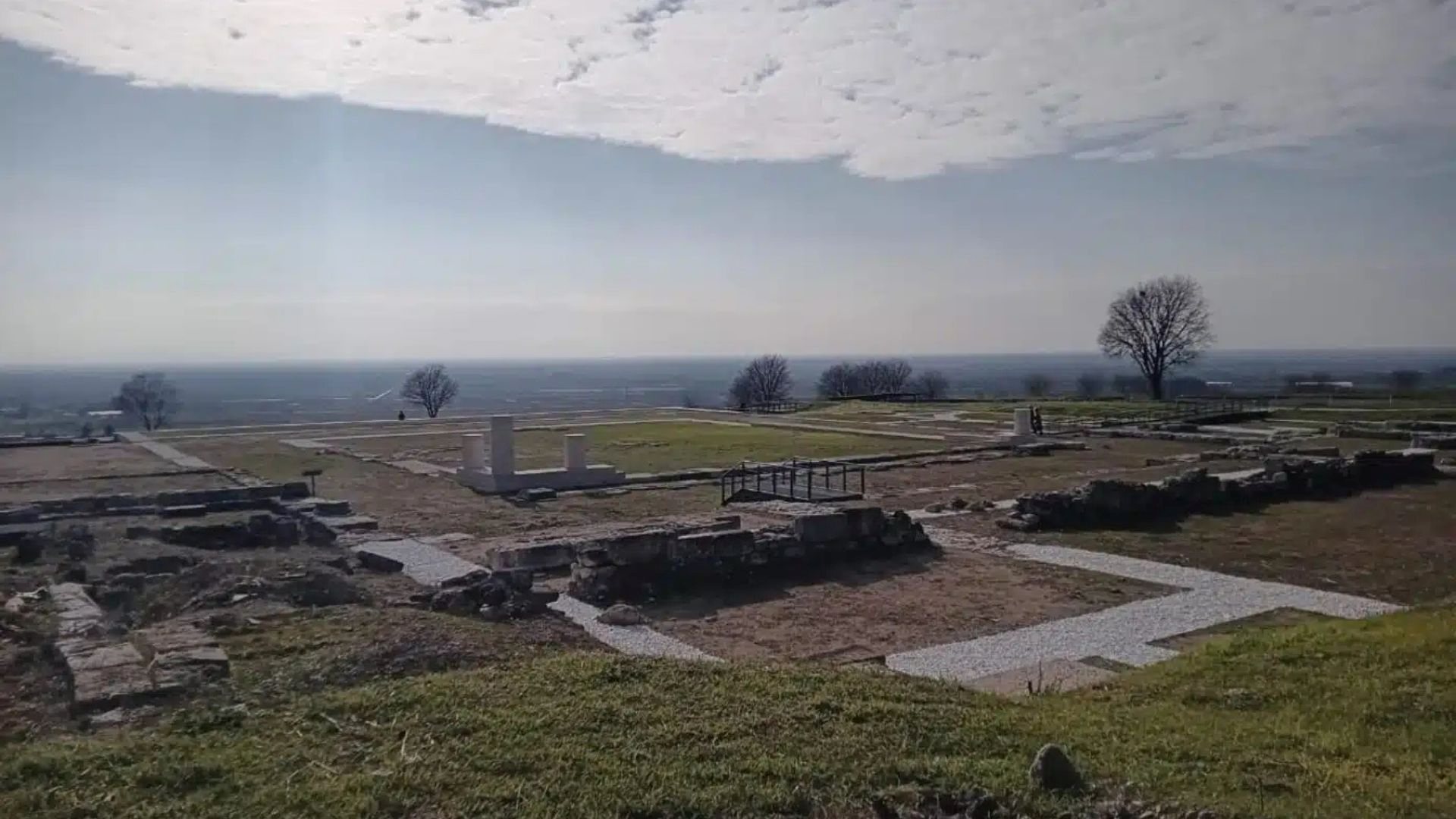
Pella was laid out on a regular grid, and the remains let you read the plan of a planned Hellenistic city.
The agora, the city’s huge central marketplace and administrative heart, gives the clearest sense of the scale and wealth of the ancient capital. Around it you can trace the foundations of houses and workshops along the ancient streets.
The palace sits on a plateau on higher ground north of the city, where it once overlooked the lagoon, the port, the roads, and the surrounding farmland.
It covered roughly 70 acres and consisted of seven major buildings set on stepped terraces, linked by corridors and stairways, including royal apartments and a palaestra, a training college for the royal children and the sons of the elite.
After a restoration project begun in 2020, the palace reopened to the public in December 2025, with structures strengthened and key discoveries made easier to read without altering their authenticity.
You need to have bought the Special Ticket Package to access the Palace.
The modern Archaeological Museum of Pella stands next to the site and holds its greatest treasures. The first thing many visitors notice is a roof tile stamped “Pellis”, the find that confirmed the identity of the ruined city.
A marble bust of Alexander the Great greets you near the entrance, a fittingly restrained introduction to his birthplace.
The museum is arranged in five thematic sections covering daily life, public life, religious life, the cemeteries, and the city itself. Highlights include the finest pebble mosaic floors lifted from the site, a reconstruction of a coloured plaster wall, grave offerings, and finds from the House of Dionysus.
‘Daily life’ doesn’t sound fascinating, but there are two precise scale models of the House of Dionysus and the House of the Abduction of Helen. I wish more archaeological sites bothered to create replicas (especially holograms, VR, 3D models). There is so little left of Ancient Pella; these scale models really let me visualize the opulence and scale and wealth of the site back in the late Classical era.
In December 2025, the museum also unveiled two Hellenistic statues on display for the first time, one a female figure and one representing Silenus
Pella follows the standard Greek state site and museum seasons:
🔸 Summer (1 April to 31 October): 08:00 to 20:00 most days, with Tuesday opening later at 12:00.
🔸 Winter (1 November to 31 March): 08:30 to 15:30, closed Tuesdays.
🔸 Last admission is 20 minutes before closing.
🔸 Closed on 1 January, 25 March, 1 May, Easter Sunday, and 25 and 26 December.
Hours can shift, so treat these as a guide and confirm locally before a long drive.
A combined Standard Ticket for the site and museum is €10 full price, €5 reduced. A Special Ticket Package is €15, which also includes the Palace of Pella.
Admission is free on several days each year, including 6 March, 18 April, 18 May, the last weekend of September, 28 October, and the first and third Sunday of each month from 1 November to 31 March
Allow two to three hours to see the site and the museum properly. That is enough to walk the agora and the houses, take in the mosaics in situ, and go through all five sections of the museum without rushing.
Add extra time, though, if you are visiting the Palace as well.
Late spring and early autumn are the most comfortable, with milder temperatures and better light on the stone. The plain gets hot and exposed in high summer, so if you visit in July or August, go early or late in the day.
A real advantage of Pella is that it stays quiet even when the islands and Athens are packed, so you rarely fight crowds here.
The best single tip I can give is one I learned the hard way. Visit the museum before the archaeological site, not after. Almost everyone does it in the order they arrive, walks the site cold, and leaves a little flat.
See the mosaics and the finds in the museum first, and the site reads completely differently when you step out onto it.
Yes, especially if you have any interest in Alexander the Great or Macedonian history. Pella will not overwhelm you with towering standing ruins in the way that a great temple site does.
What it offers instead is the actual capital where Alexander was born and raised, a readable Hellenistic city plan, and pebble mosaics that rank among the finest to survive from the ancient world. With the palace reopened as of December 2025, there is now more to see on the ground than there has been for years.
Set your expectations correctly, and you will get far more from it. Come for the story and the mosaics, not for height and drama; give it a half day, and pair it with Vergina if you can. Done that way, Pella is one of the most rewarding stops in northern Greece.
If you are serious about the story of Alexander, visit both. They are the two capitals of Macedon, and they tell two halves of one story. Pella is where the royal family lived and ruled and where Alexander was born.
Vergina, ancient Aigai, is the older royal seat and the burial place of the kings, where the tomb of Philip II was discovered largely intact.
The two sites are close enough to combine in a single day trip from Thessaloniki, and doing both turns an interesting afternoon into a genuine understanding of the dynasty. Our Vergina and the royal Macedonian tombs guide covers the second half in detail.
Pella rewards context more than almost any site in Greece, because so much of what matters is not obvious from the stones alone. On our Sacred and Royal Sites of Northern Greece tour, we visit Pella with an archaeologist who can place you in the city as it was, read the mosaics for you, and connect Alexander’s birthplace to the wider Macedonian story, before continuing to the other great sites of the north.
If you prefer to stay south, our Archaeological Wonders of Ancient Greece tour covers the classical heartland. A guided visit turns Pella from a quiet field of foundations into the living capital it once was.
When we tour Alexander the Great and Philip II’s heartland, we can’t help but visit Pella, Philippi, and Vergina along with Thessaloniki. The sites are all close by, and it gives a real understanding of one of the world’s most important kingdoms.
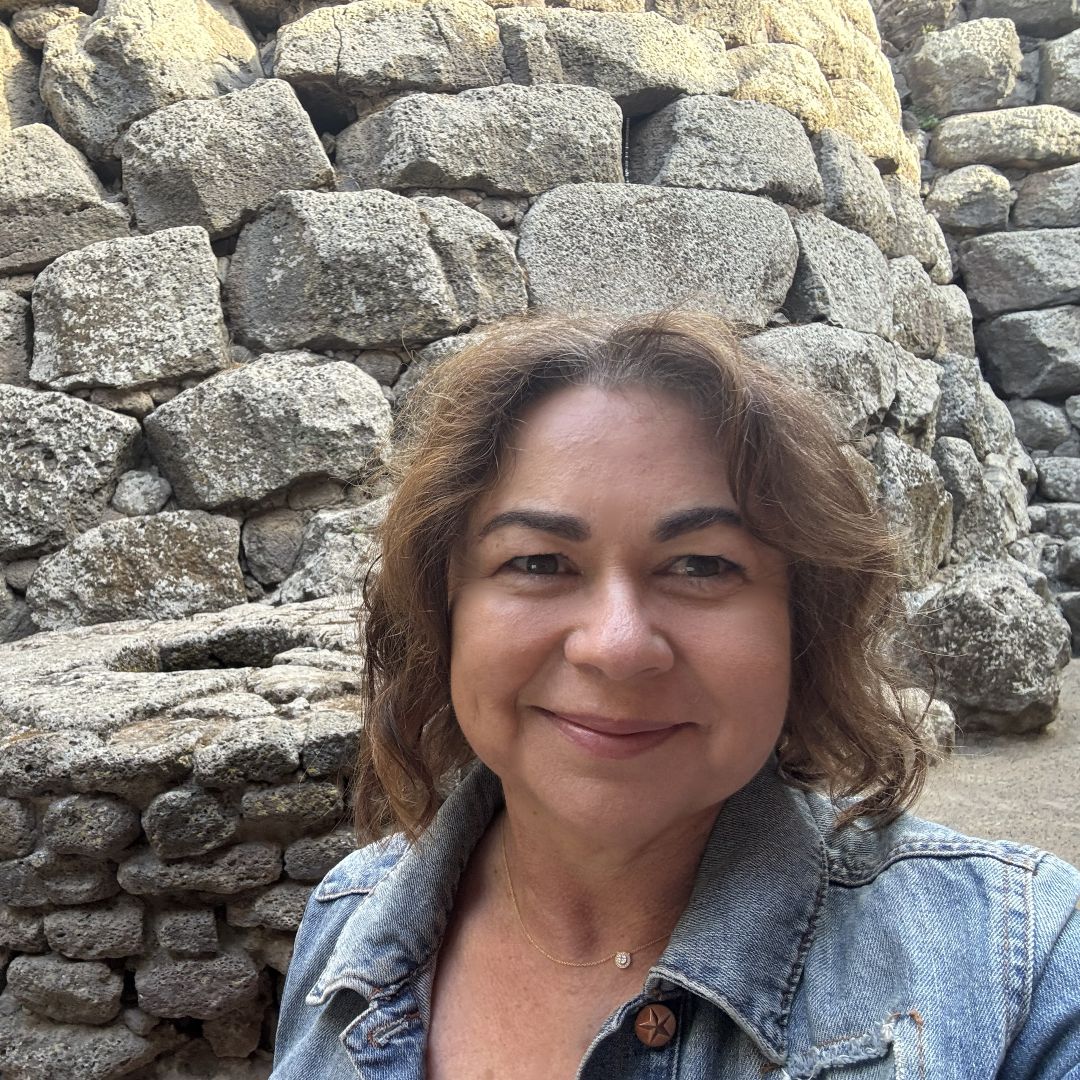
Professor Monique Skidmore is an award-winning anthropologist and travel expert who has spent more than 25 years exploring and documenting cultures around the world. As the founder of Take Me To Europe Tours, she combines her deep academic expertise with a passion for cultural immersion and archaeology. Monique creates small-group journeys across Cyprus, Greece, Italy, Malta, and the wider Mediterranean.
On her small‑group Northern Greece tour, she visits Ancient Pella, and this guide draws on those visits as well as her own independent travels in and around Macedonia.
For more on her work and travels, visit her About Monique page.

Free 16-page guide
Written by archaeologists. Submerged Roman villas, underground cities and abandoned Greek quarries –, with maps, access details and what to see at each.
One email a week. Unsubscribe anytime.
Free 16-page guide
Written by archaeologists. Submerged Roman villas, underground cities and abandoned Greek quarries –, with maps, access details and what to see at each.
One email a week. Unsubscribe anytime.