Corsica Tour: From Standing Stones to Napoleon

0
  • 8 Days
  • Max Guests : 12Fully Escorted
  • Exclusive Experiences
  • Archaeologist-guided site visits
  • Luxury Accommodations

From Clifftop Citadels to Granite Warriors: Corsica Revealed

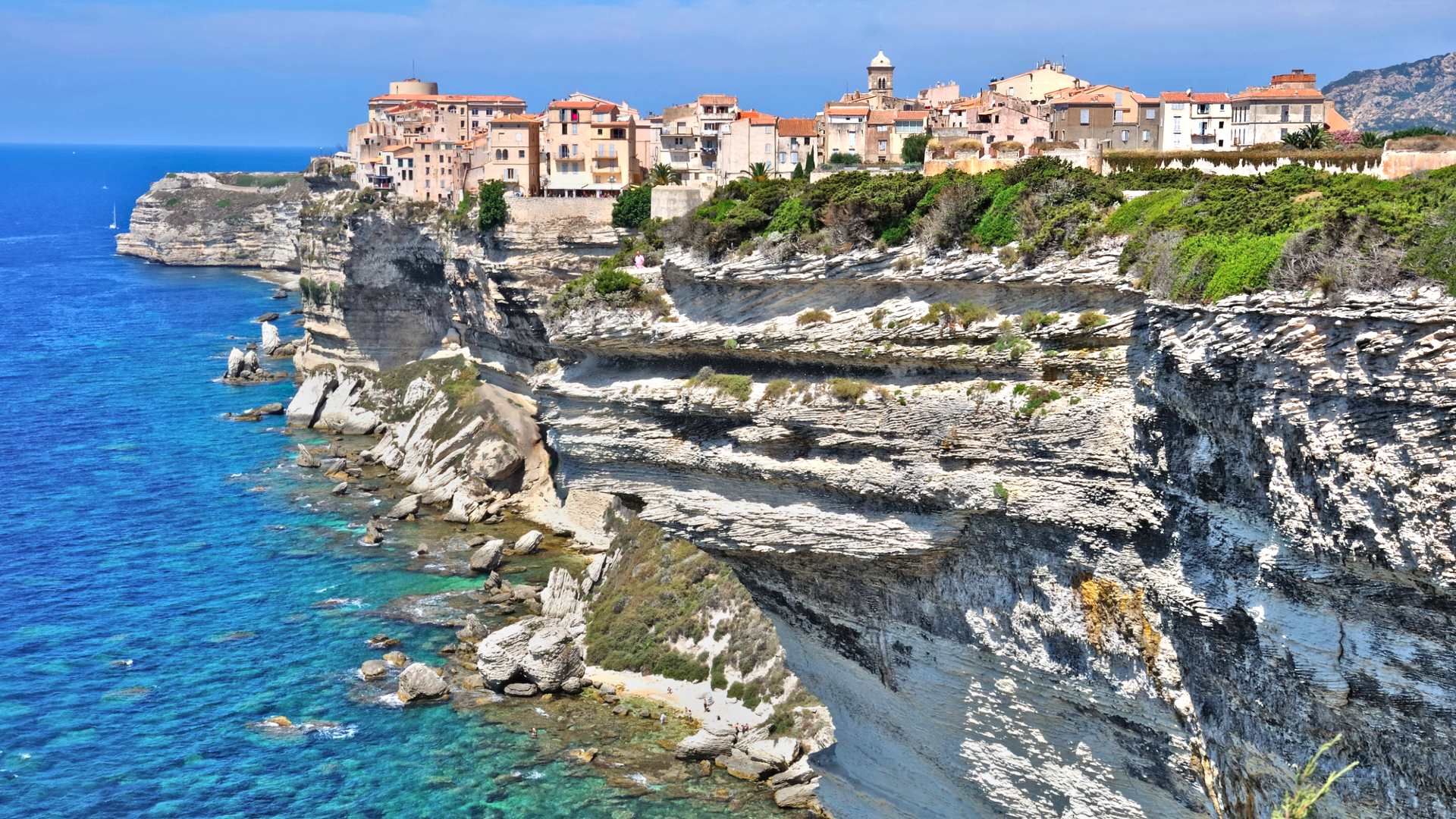
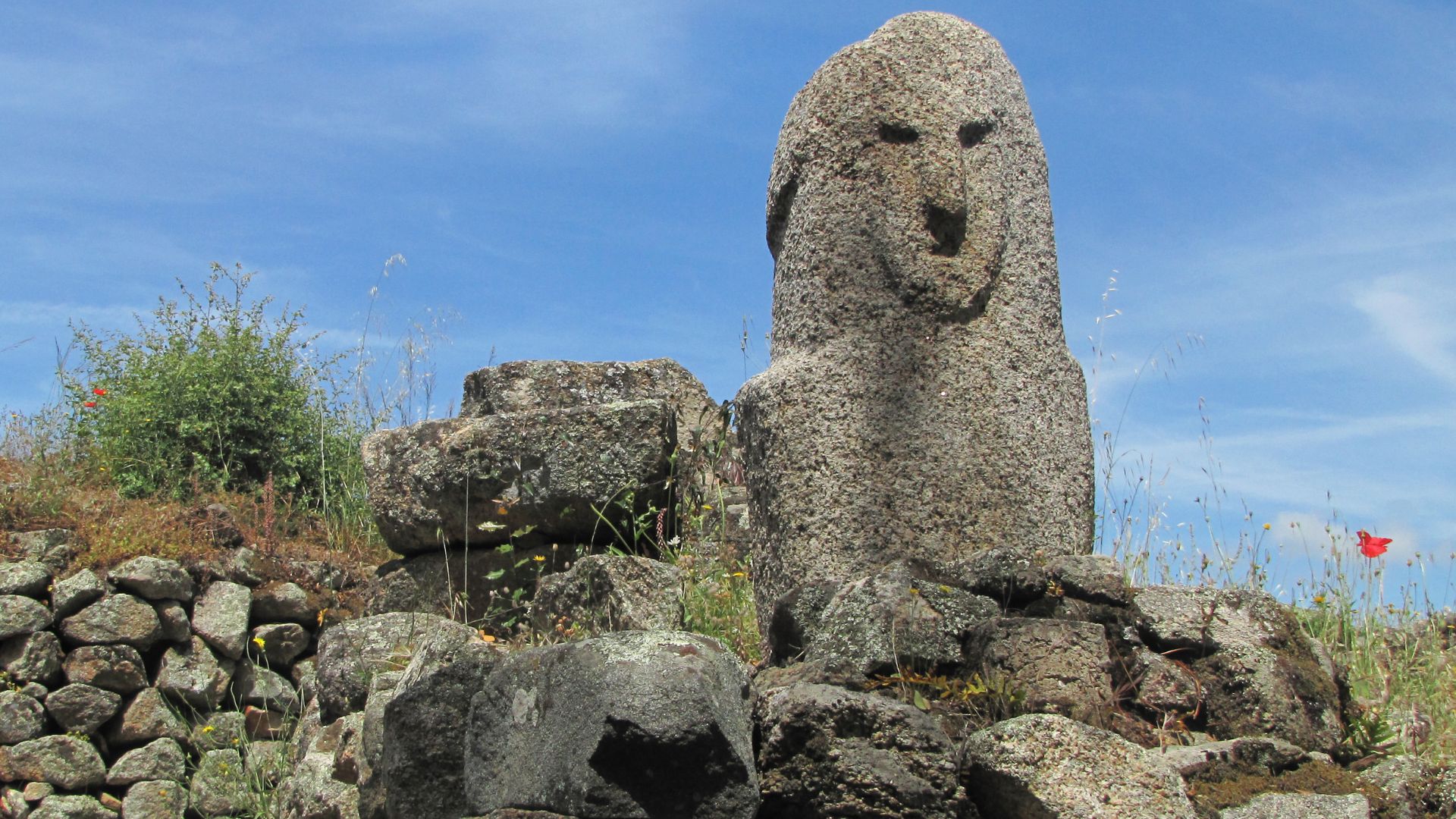
Stand among the granite warriors of Filitosa, follow an oak-wood trail to the Bronze Age tower of Cucuruzzu, and walk the Genoese walls of Bonifacio above its white limestone cliffs. Our new Corsica tour takes the island’s story in order, from the standing stones of Cauria to the Greek and Roman city of Aléria, Paoli’s mountain capital at Corte, and the Ajaccio house where Napoleon was born.

Your archaeologist is Dr. Kewin Pêche-Quilichini, the Corsican archaeologist who has excavated Cucuruzzu and directs the museum that holds its finds. You taste chestnut bread and mountain cheeses with local wine, and on your last evening in Bastia, you hear Corsican polyphonic singing.

Who Our Corsica Tour Is For

  • You notice the line of carved stones on a plateau, the citadel hidden in the oaks, and the ruined port above a lagoon, and you want to know what they meant to the people who built them.
  • You are curious how one small island holds so many layers of history: prehistoric alignments, Bronze Age fortresses, Greek and Roman cities, a mountain republic, and the Ajaccio house where Napoleon was born. You want to walk its prehistoric sites with a Corsican archaeologist who will answer the questions the signboards don't.
  • You like your learning to arrive in the course of the day: questions on the Cauria Plateau, stories over lunch in Sartène, and a walk through Corte, Paoli's capital, as your guide explains how his republic inspired America's revolutionaries.
  • You would rather explore sites properly than see them at speed, with a real Corsican lunch most days and free time in Bastia before the farewell dinner.
  • You care as much about food, song, and everyday life as about monuments, and you are happy to taste southern Corsican dishes and local wine, hear Corsican polyphonic singing on your last evening, and see how people here live among warrior stones, towers, and old rebel stories.

Details of Your Trip to Corsica

Join our expert-led Corsica archaeology and history tour to follow the island’s story from 9000 BC to the present. We travel from Bonifacio in the south to Bastia in the north, staying two nights each in Sartène, Ajaccio, and Bastia.

Days 2 to 4 explore the prehistoric south with your archaeologist-guide, Dr. Kewin Pêche-Quilichini. From Ajaccio, the story moves on to Napoleon and Paoli’s Corte, then to the Greek and Roman east coast and the Genoese citadel of Bastia.

Should you have any questions about this tour, please don’t hesitate to get in touch with our team.

Corsica Tour: From Standing Stones to Napoleon

24 Sep – 1 Oct 2027

Corsica Tour: From Standing Stones to Napoleon

4–11 May 2028

Corsica Tour: From Standing Stones to Napoleon

10–17 Sep 2028

What's Included

Accommodation

  • 7 nights in boutique and luxury hotels in historic centers

Expert guiding and unique experiences

  • Fully escorted by our experienced and warm Corsican tour leader, with archaeologist Dr. Kewin Pêche-Quilichini guiding the prehistoric sites of the south.
  • Private walking tours in Bonifacio, Sartène, Ajaccio, Corte, and Bastia
  • Archaeologist-led private, small-group visits to Corsica's most important prehistoric sites, including Funtanaccia, Rinaghju, Stantari, Cucuruzzu, Capula, Casteddu di Cuntorba, and Filitosa
  • Behind-the-ropes tour of the Musée de l'Alta Rocca with its Director, and an archaeologist-guided visit to the Musée d'archéologie de la Corse in Sartène
  • Private guided tours of Aléria and Mariana with specialist on-site guides

Meals

  • 7 breakfasts, 6 lunches and 5 dinners, as detailed in the day-by-day itinerary.
  • Beer, wine and water included with lunches and dinners.

Transport and logistics

  • Luxury air‑conditioned minibus for all scheduled group transfers and excursions during the tour.
  • Group arrival and departure transfers from Figari-Sud Corse Airport or Bonifacio ferry port on Day 1, and to Bastia-Poretta Airport on Day 8.

Fees, taxes, and tips

  • All entrance fees to archaeological sites, museums, and monuments included in the itinerary.
  • All local taxes and gratuities on included services.

What's Not Included

  • International airfares
  • Meals, drinks, and activities not specifically listed as included in the itinerary.
  • Additional beverages beyond the beer, wine and water provided with included meals, plus any minibar or room‑service charges.
  • A single-room supplement if you would like a room of your own. Traveling solo and happy to share? Ask us about pairing you with a room companion.
  • Personal expenses such as laundry, souvenirs, and phone calls.
  • Your personal travel insurance. Comprehensive medical and cancellation cover is recommended, and insurance is a mandatory condition of touring with us.

Our Historical Corsica Tour Highlights

  • Private walking tours of Bonifacio, Sartène, Ajaccio, Corte, and Bastia
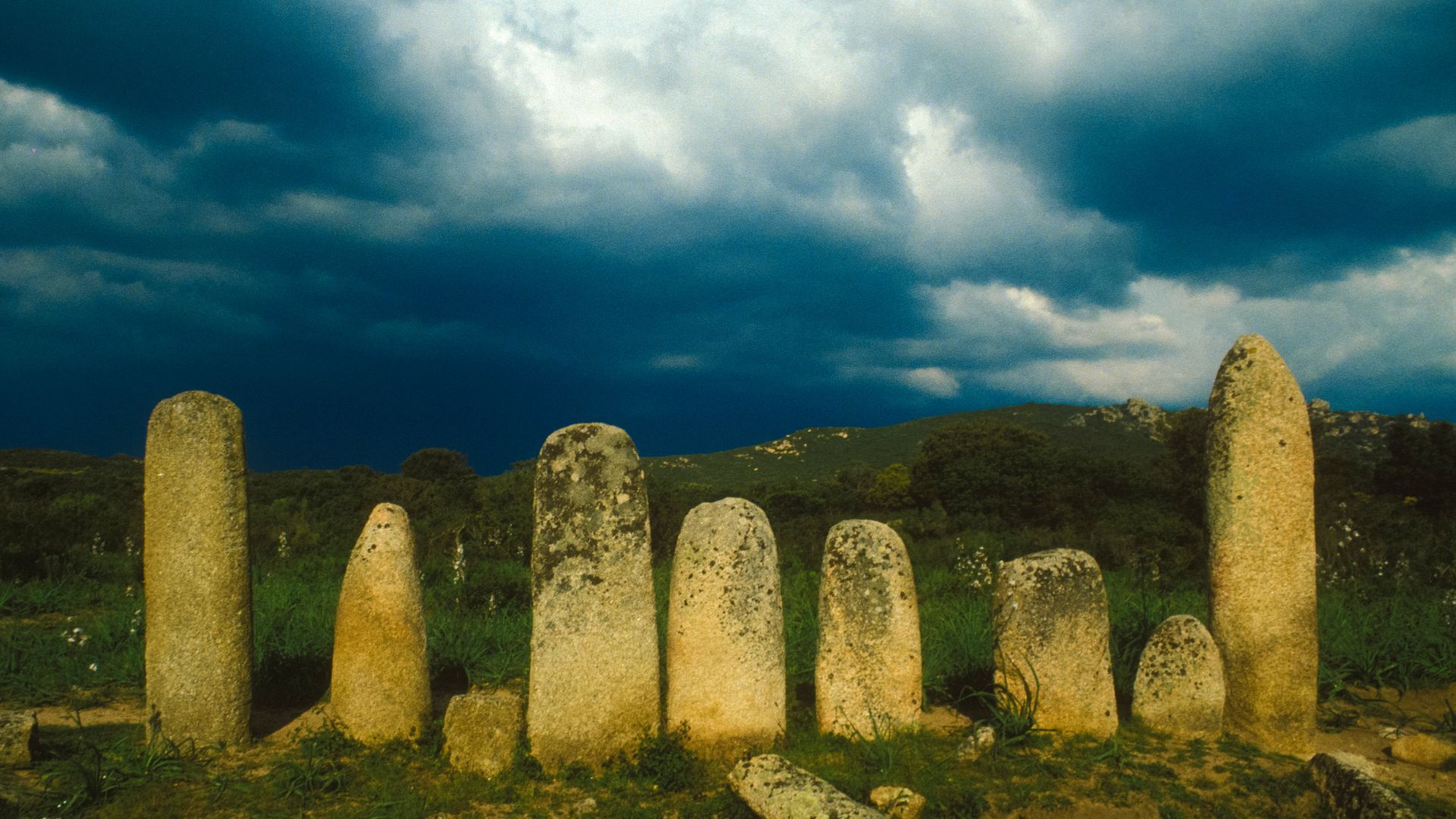
  • Archaeologist-led visits to Filitosa, Cucuruzzu, Capula, Casteddu di Cuntorba, and the standing stones and dolmen of Cauria
  • A behind-the-ropes tour of the Musée de l'Alta Rocca with its Director
  • Napoleon's Ajaccio: Maison Bonaparte, the cathedral where he was baptized, the Chapelle Impériale and Palais Fesch
  • Corte, capital of Pasquale Paoli's independent republic, and the Musée de la Corse
  • Private guided tours of the Greek and Roman city of Aléria and the Roman colony of Mariana
  • Bastia's Genoese citadel and a performance of traditional Corsican polyphonic singing
  • Regional Corsican food and local wine, including chestnut bread and mountain cheeses
  • Boutique and luxury hotels in historic centers

Itinerary of Our Ancient and Historical Corsica Tour from Bonifacio

Day 1Welcome to Corsica

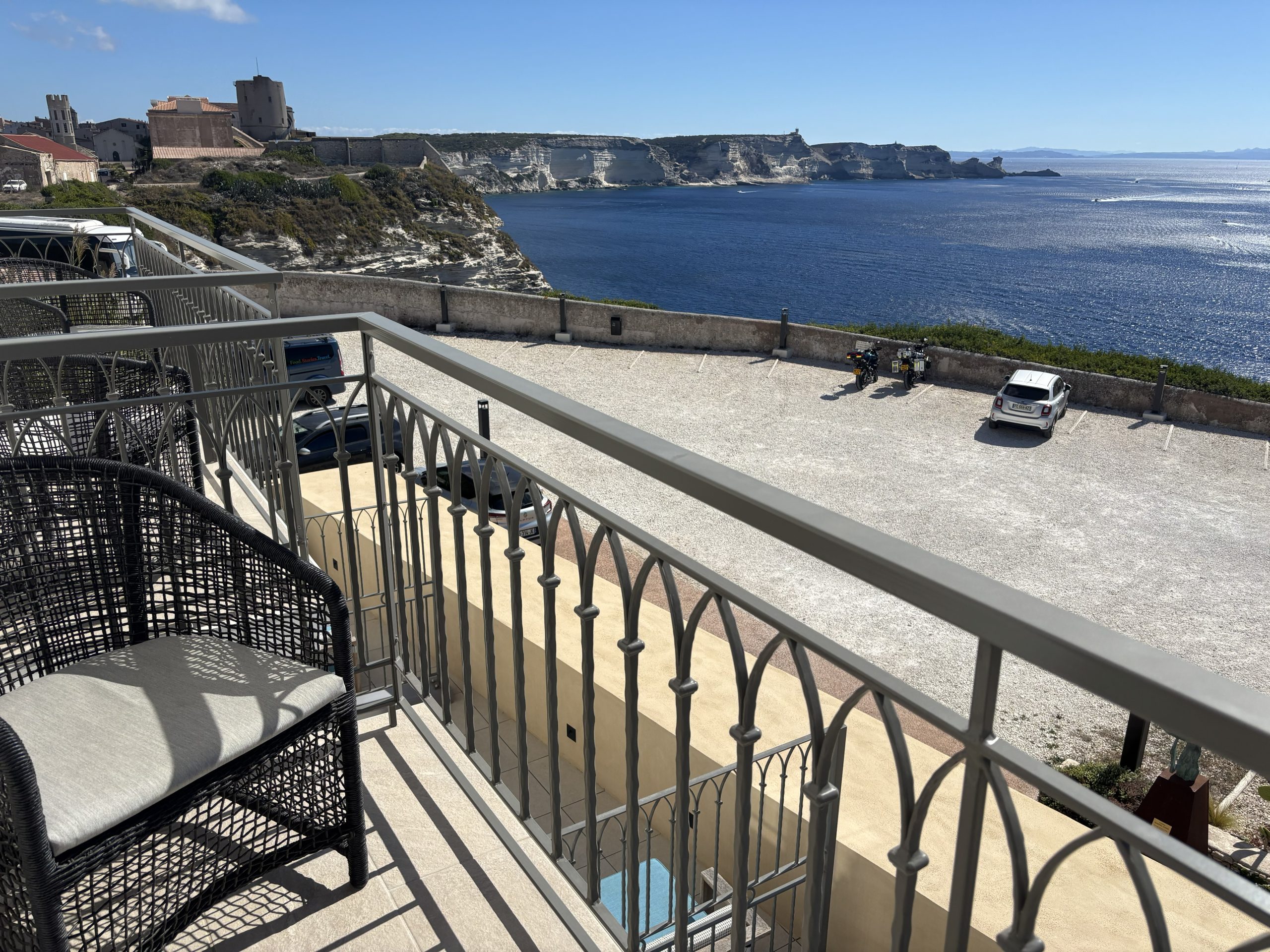
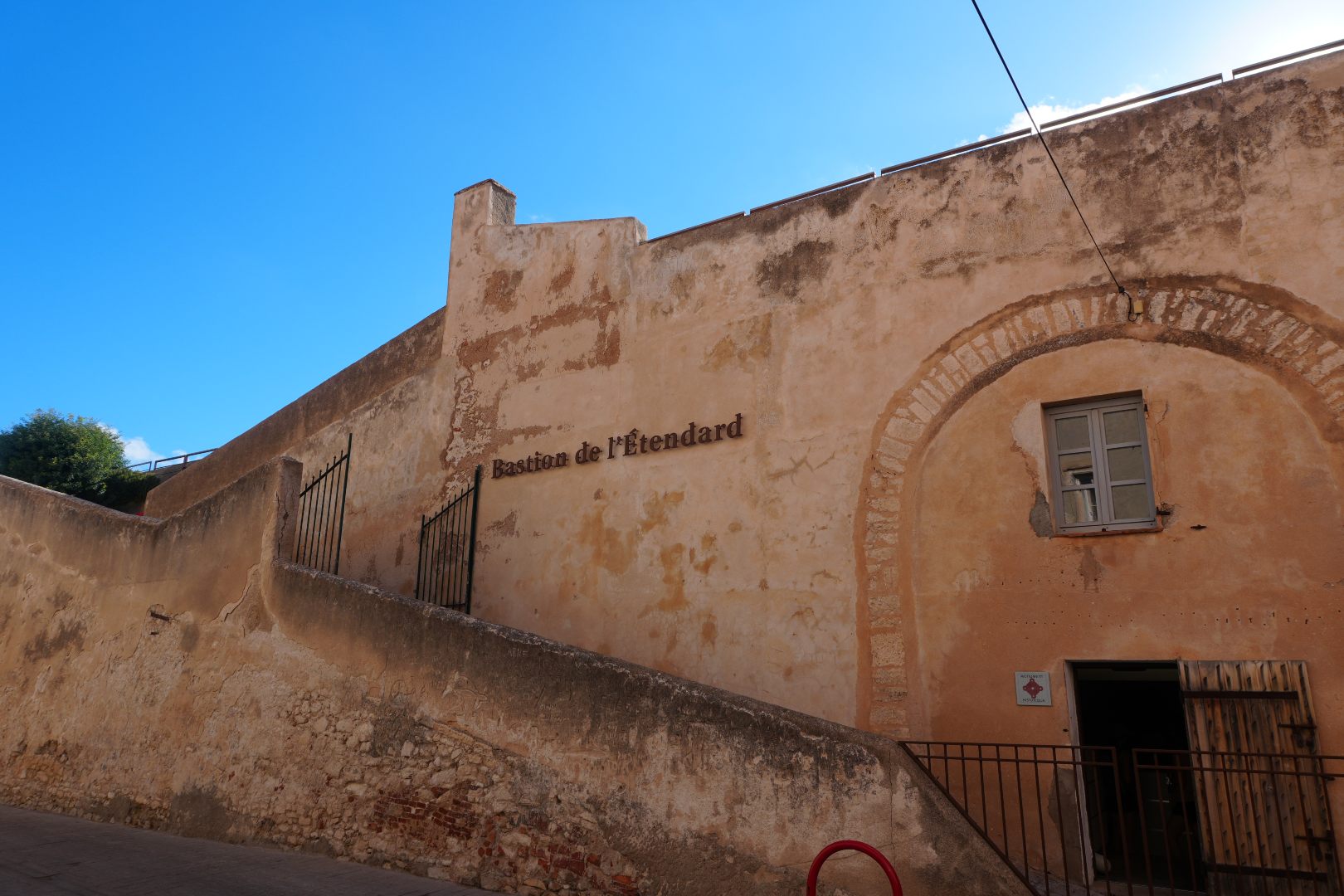
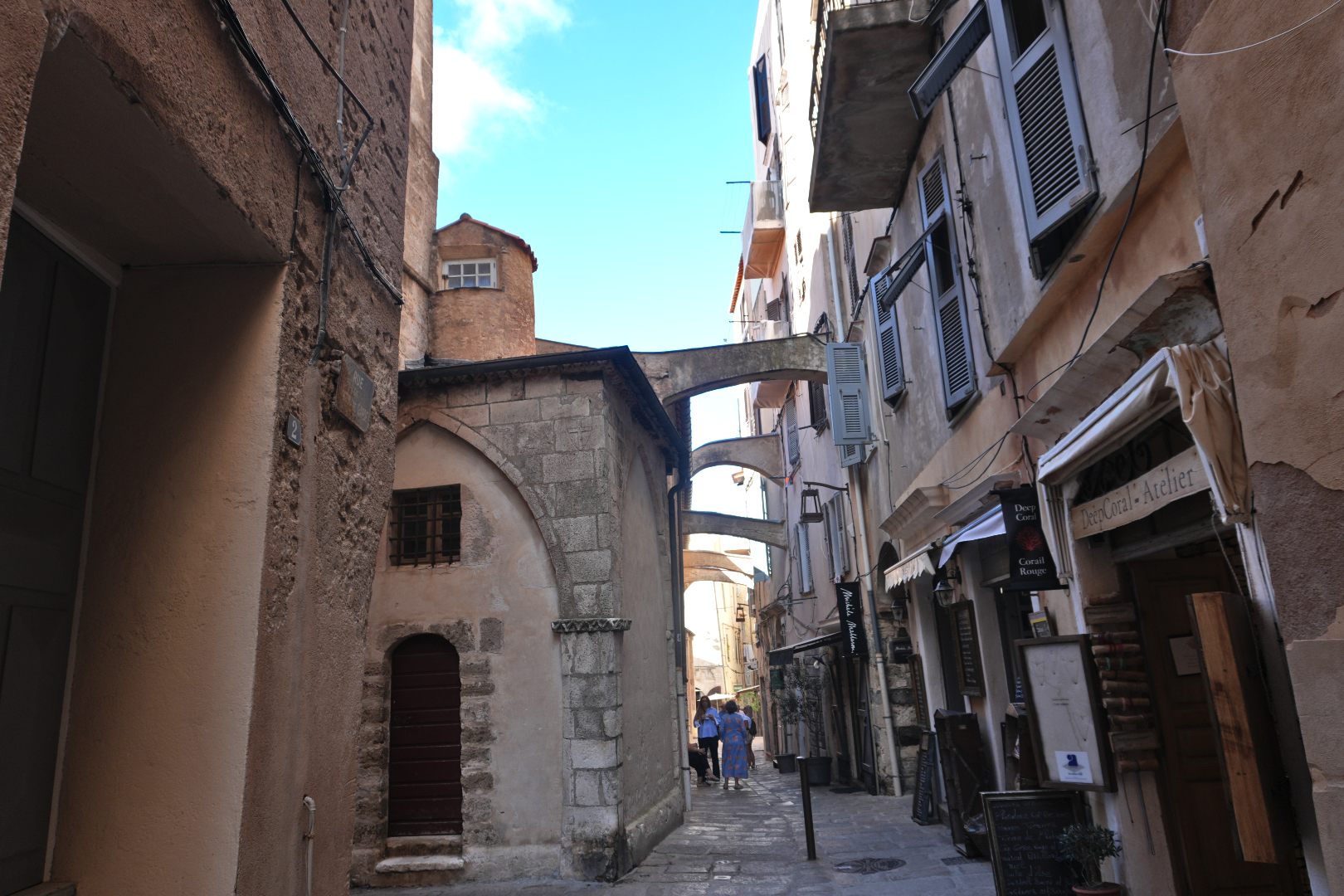
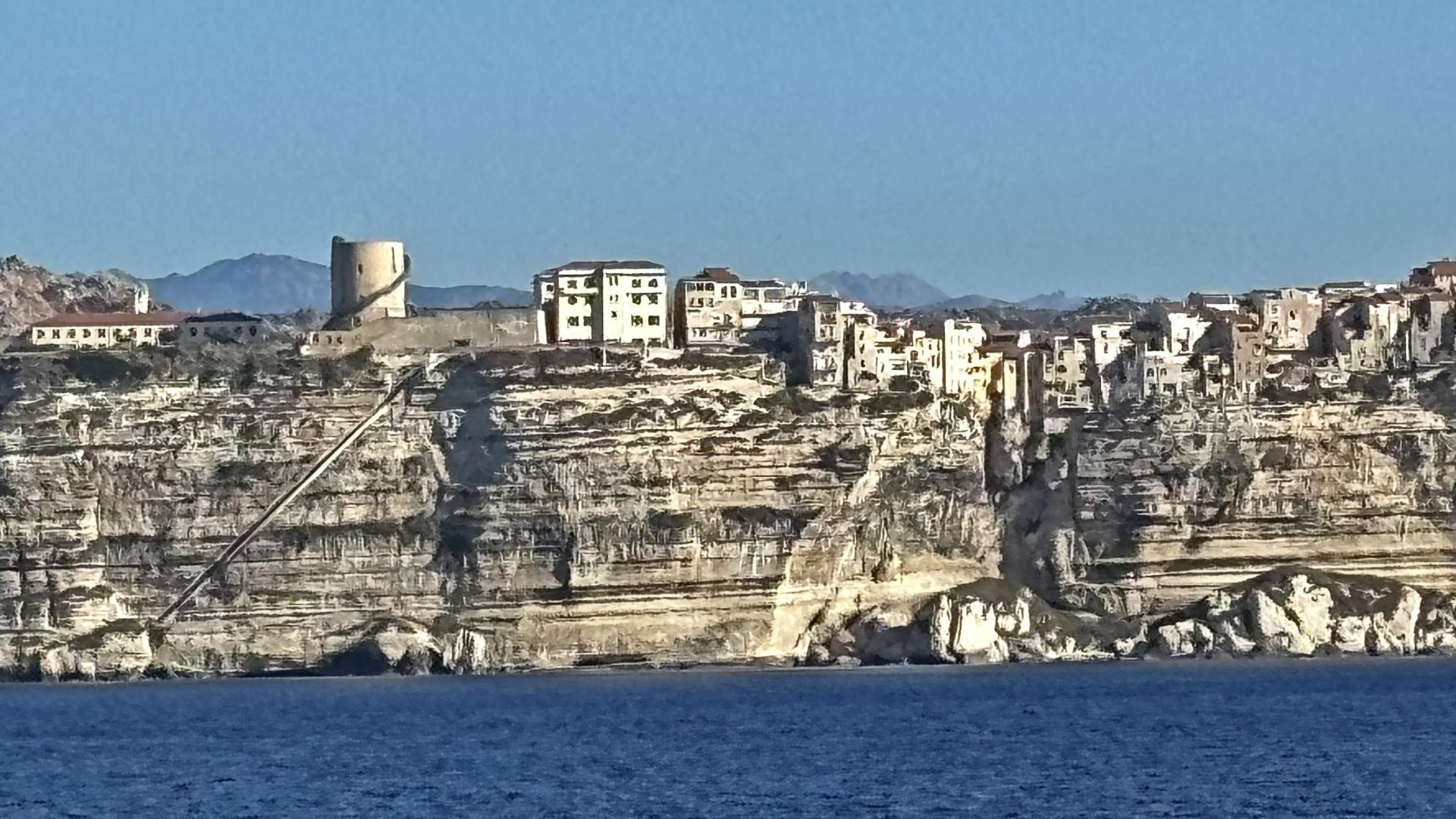
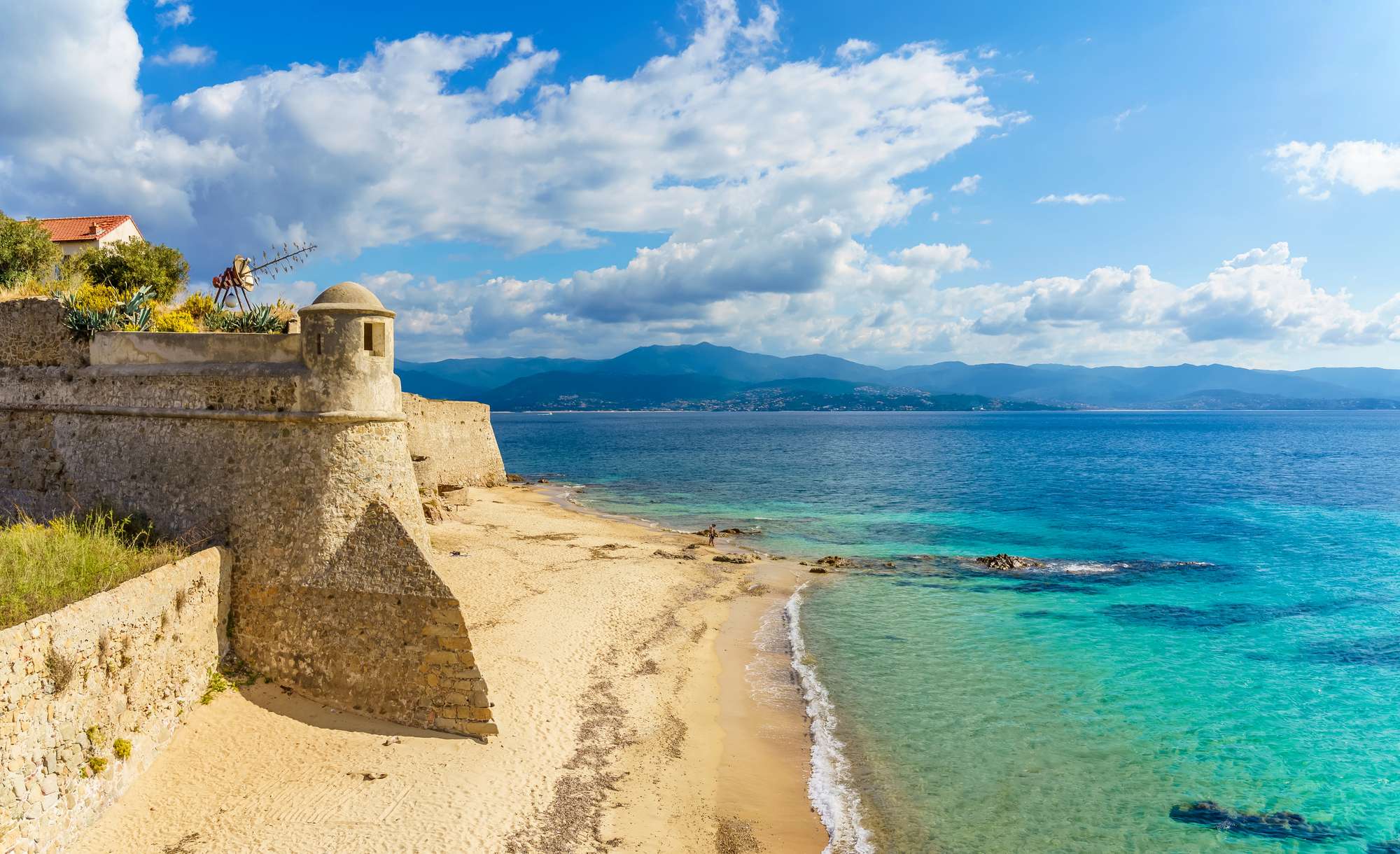
Our journey begins in Bonifacio, the medieval city on the white limestone cliffs of southern Corsica. Arrive by ferry from Sardinia or at Figari-Sud Corse Airport, then transfer to your centrally located hotel and meet your tour leader and fellow travelers.

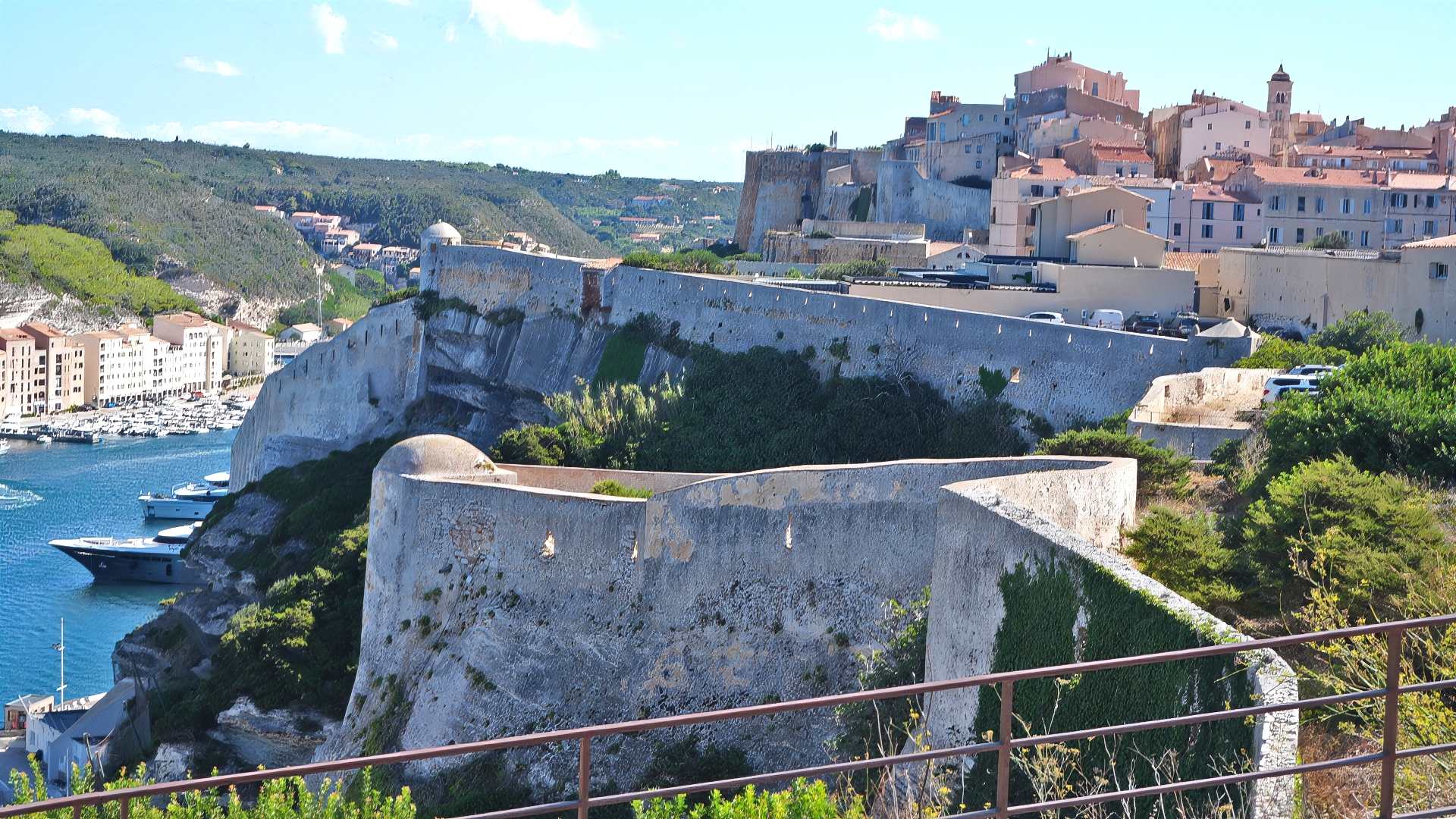
In the late afternoon, our guide leads us on a walking tour beside the Genoese defensive fortifications and through the narrow cobblestone alleys of the historic citadel. Genoa took Bonifacio in 1195 and held it for nearly six centuries as its first stronghold on the island.

We stop for a welcome dinner of seasonal southern Corsican dishes and local wine.

Meals: D

Overnight: Bonifacio

Day 2Sartène and Cauria: Dolmen, Standing Stones and Menhirs

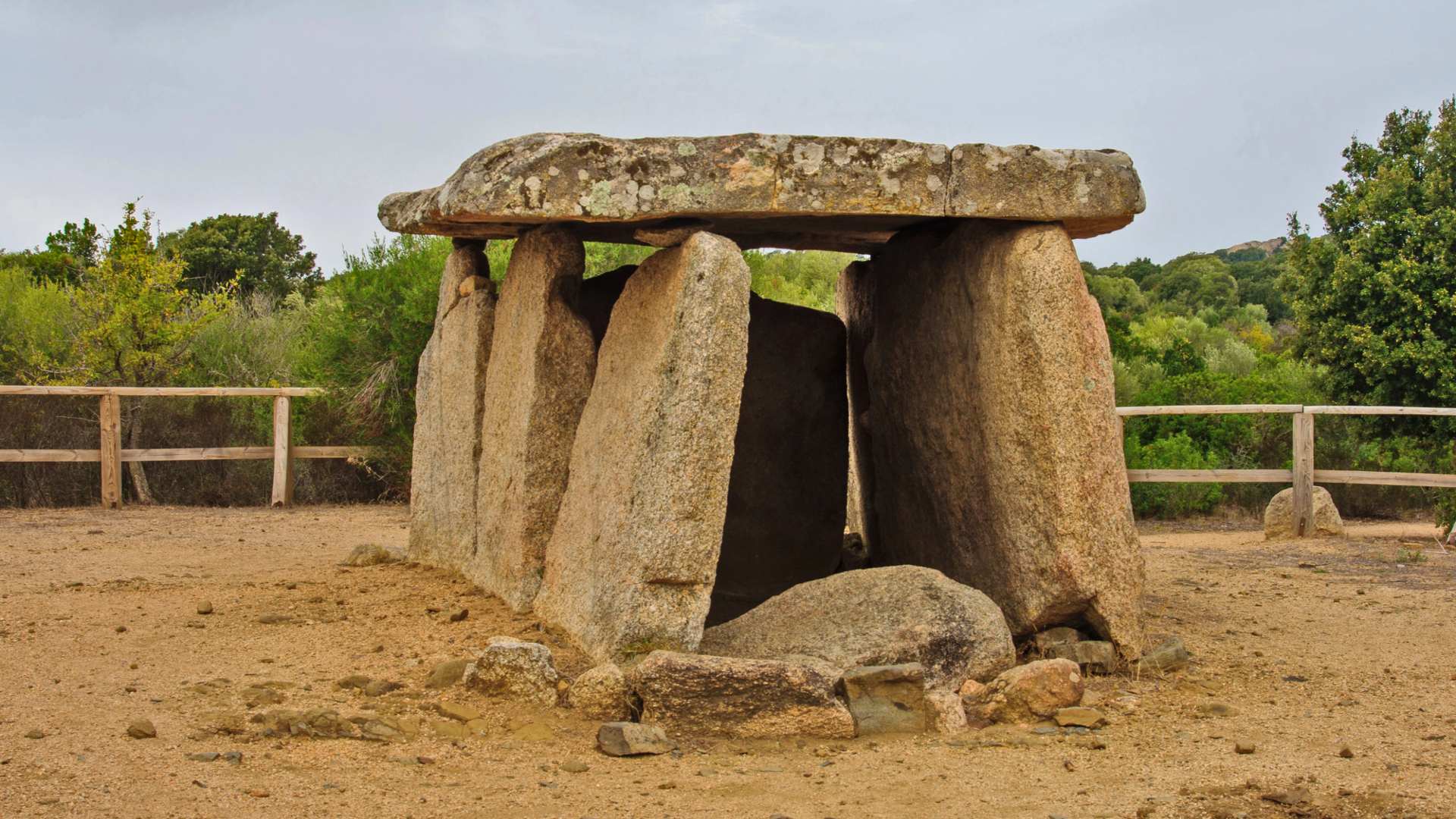
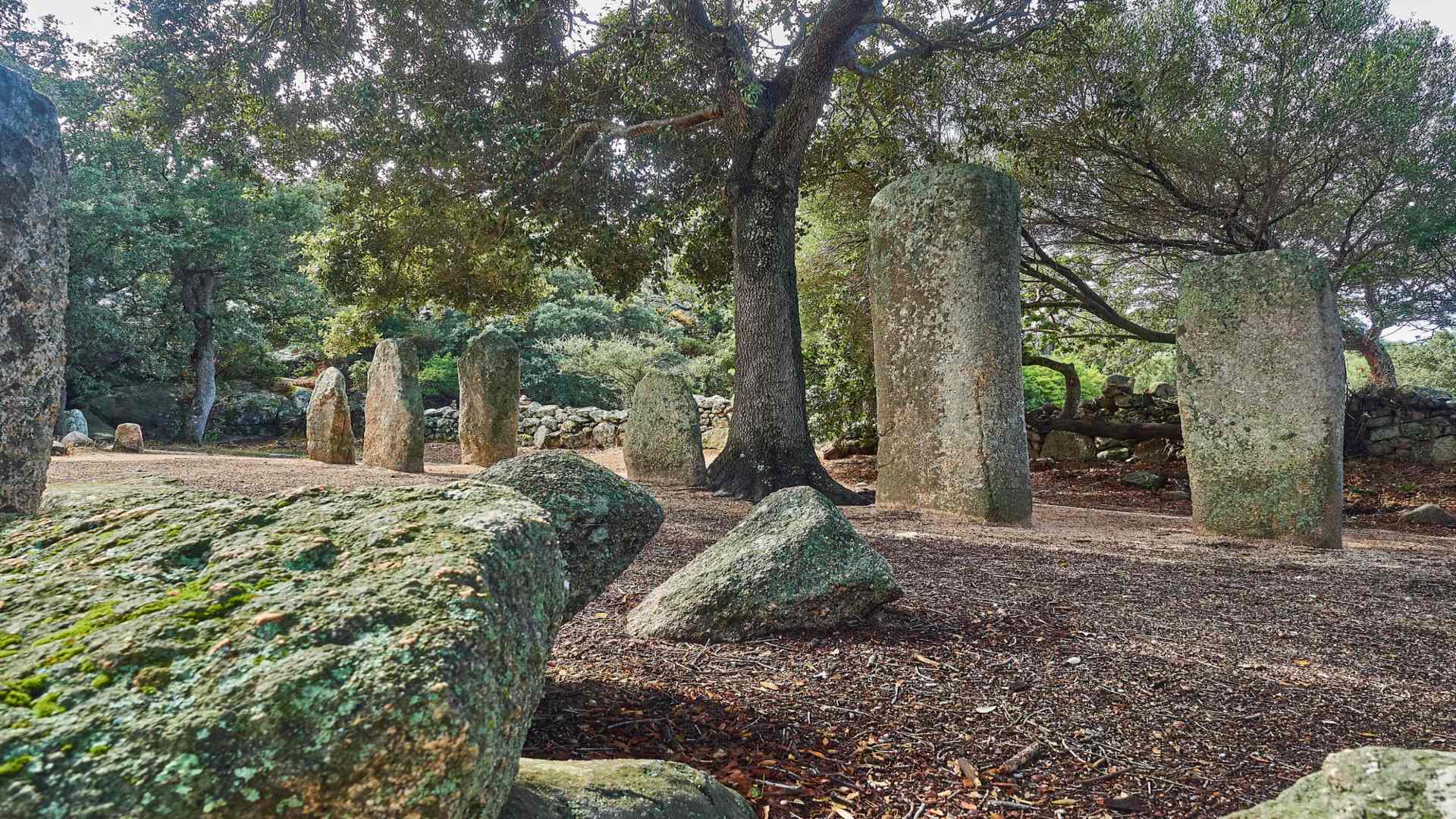
We travel to Sartène and the Cauria Plateau to meet our archaeologist-guide, Dr. Kewin Pêche-Quilichini, Director of the Musée de l’Alta Rocca. Kewin takes us to three sites. We begin at the dolmen of Funtanaccia, the best preserved in Corsica and more than 4,000 years old. We then see the menhirs of Rinaghju, where some 45 stones were counted, and the statue-menhirs of Stantari, carved with faces and weapons.

After lunch in Sartène, Kewin guides us through the Musée d’archéologie de la Corse. Later, our tour leader leads us on a walking tour of Sartène.

Meals: B, L, D

Overnight: Sartène

Day 3Alta Rocca and a Bronze Age Walking Trail

We head into Corsica’s mountainous interior to the Alta Rocca, where we meet our archaeologist-guide again.

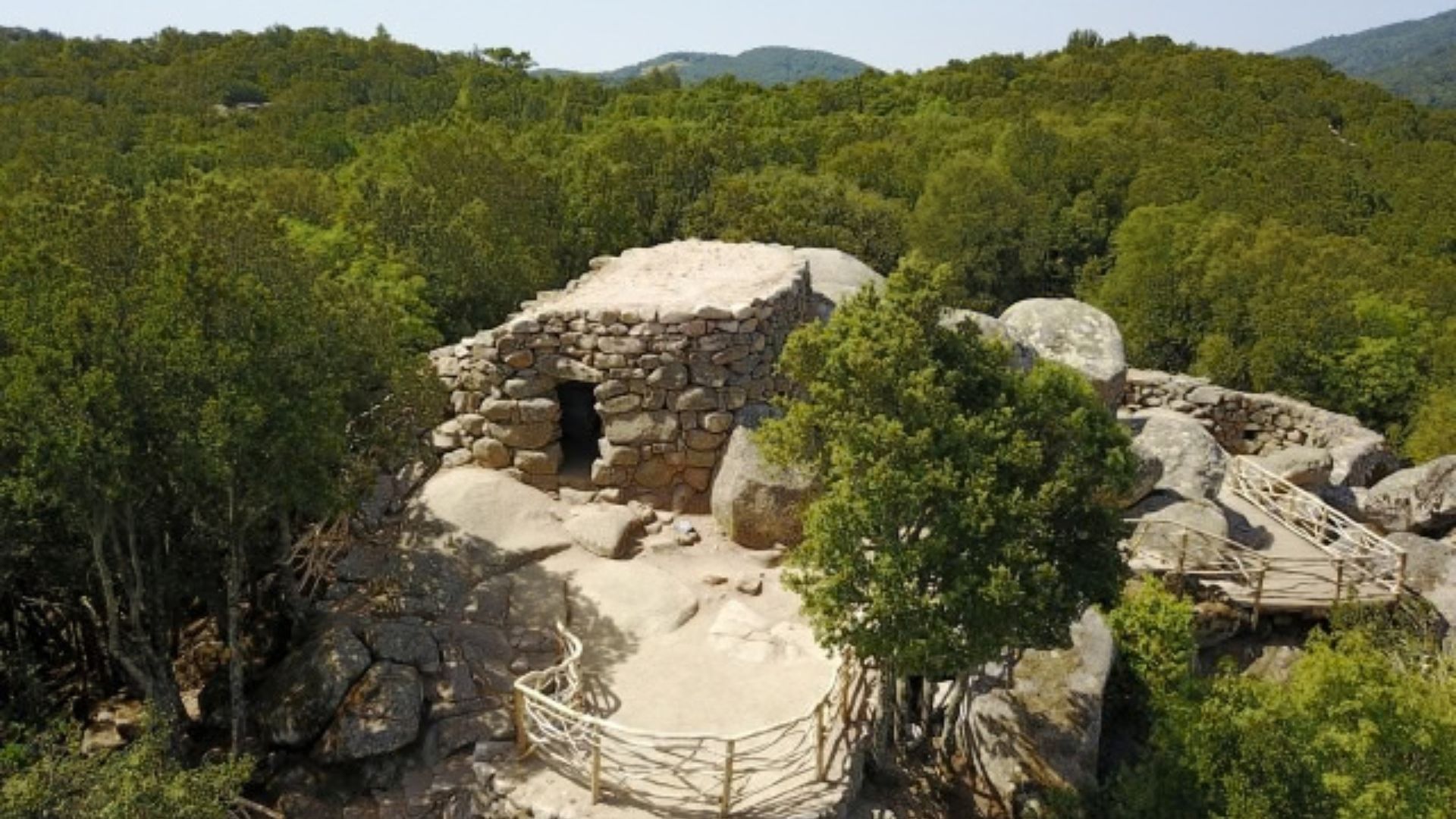
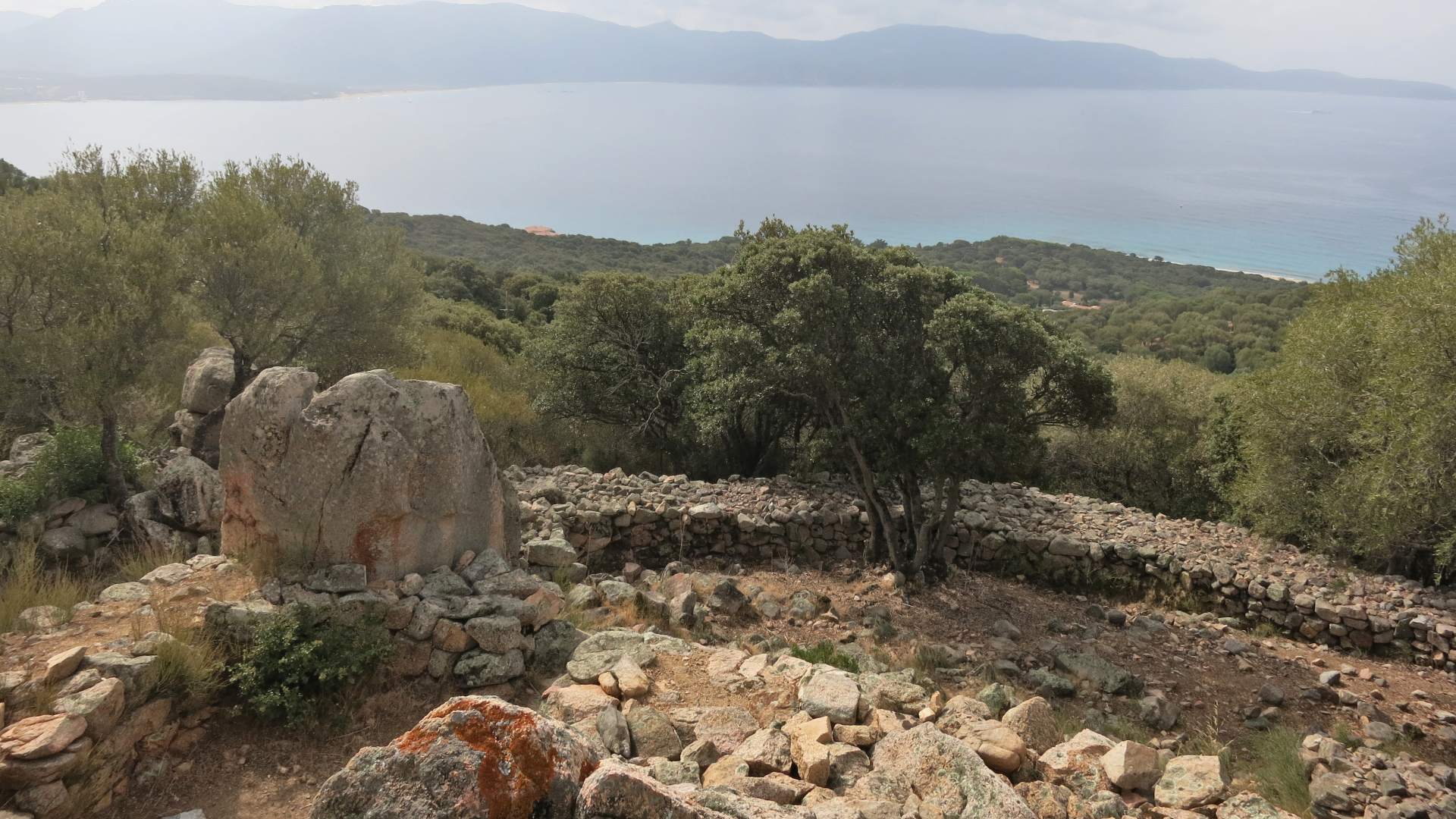
Kewin leads us on a 2-mile circular trail through the oak woods between two sites. Cucuruzzu is a castellu, a fortified Bronze Age settlement abandoned in the 3rd century BC. Its tower is 8 meters in diameter and still stands 4 to 5 meters high. At Capula, the Biancolacci lords built a castle on top of a Bronze Age settlement in the 12th or 13th century.

After lunch in nearby Lévie, Kewin, the museum’s Director, leads us on a behind-the-ropes tour of the Musée de l’Alta Rocca. We see a replica of a Corsican Bronze Age house, the finds from this morning’s sites and the Lady of Bonifacio, who died around 6570 BC and is one of the two oldest people found in Corsica.

Dinner tonight is at your leisure in the alleyways of Sartène.

Meals: B, L

Overnight: Sartène

Day 4Cuntorba, Filitosa and Ajaccio

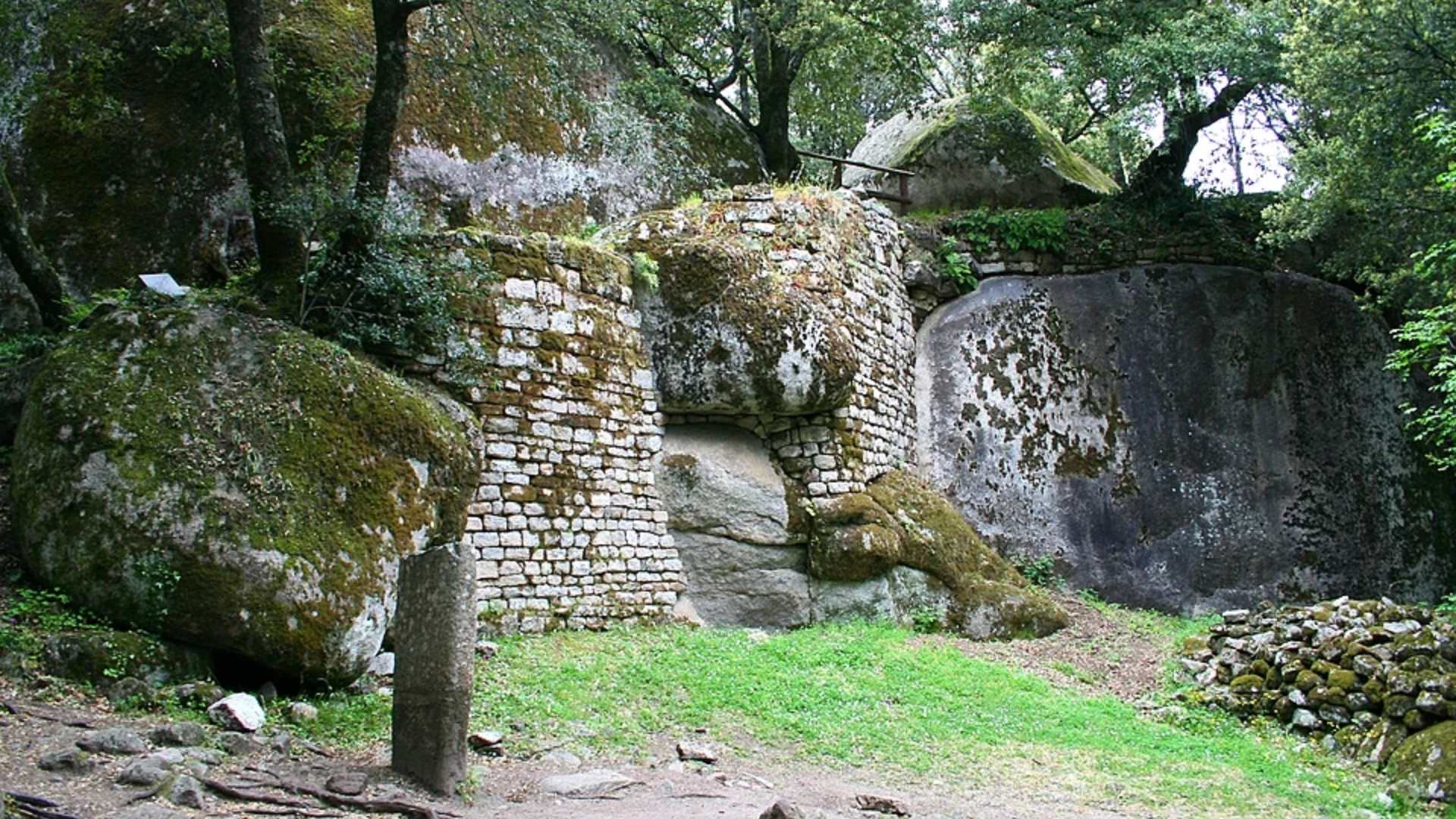
We travel to Casteddu di Cuntorba, a small fortified settlement with a panoramic sea view, for a tour of the site with Kewin.

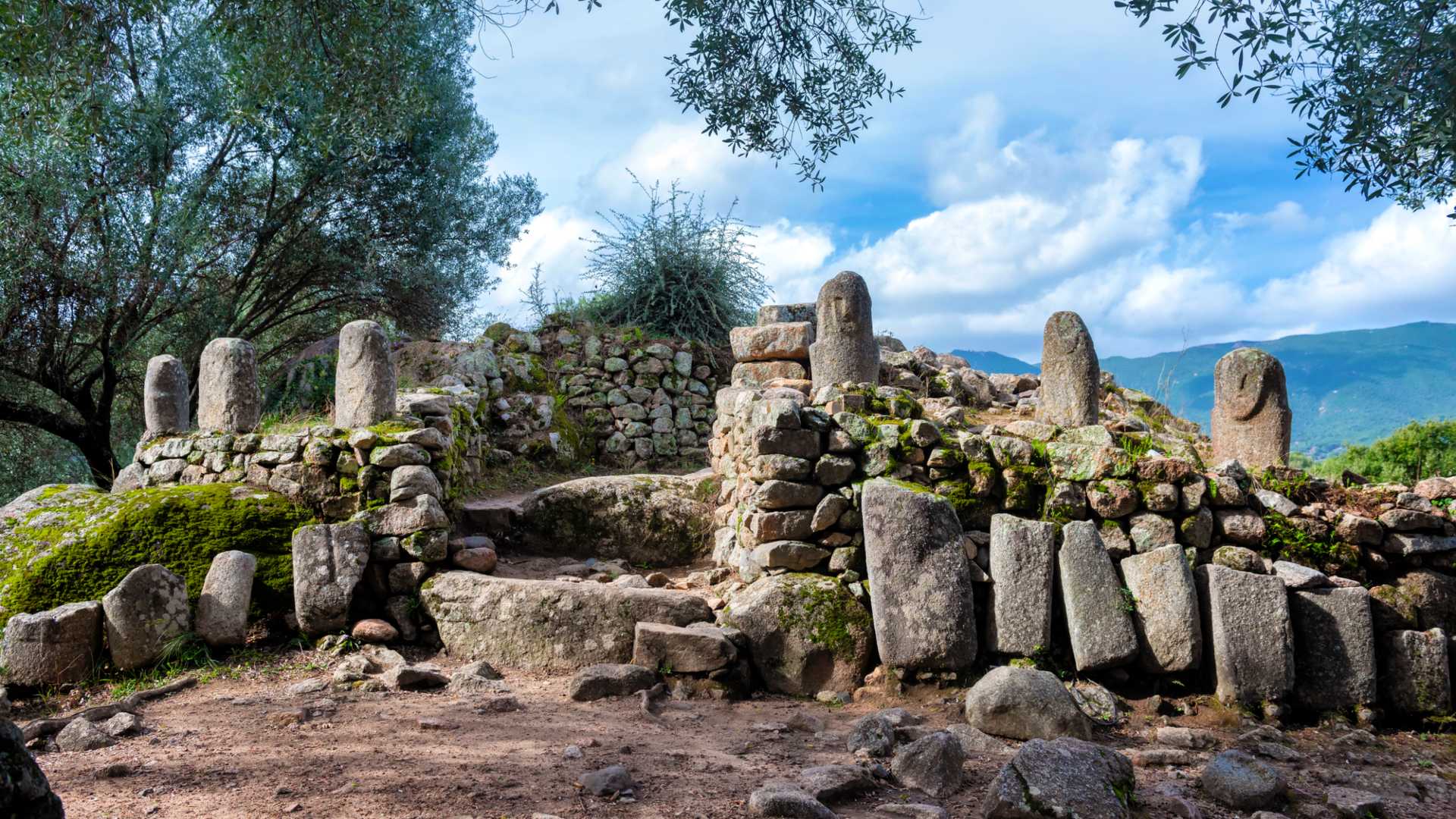
After lunch, we continue north to Filitosa, occupied for some 6,000 years, from the Early Neolithic to the Roman era. The landowner found its statues in 1946, and it holds Corsica’s greatest concentration of megalithic sculpture. For many visitors, this is the most fascinating site in Corsica, thanks to the detailed carvings on its warrior statue-menhirs. Kewin gives us a private guided tour.

In the late afternoon, we bid farewell to Kewin and travel on to the port city of Ajaccio, where we settle into our hotel and enjoy an evening meal together.

Meals: B, L, D

Overnight: Ajaccio

Day 5Napoleon Bonaparte and Corte

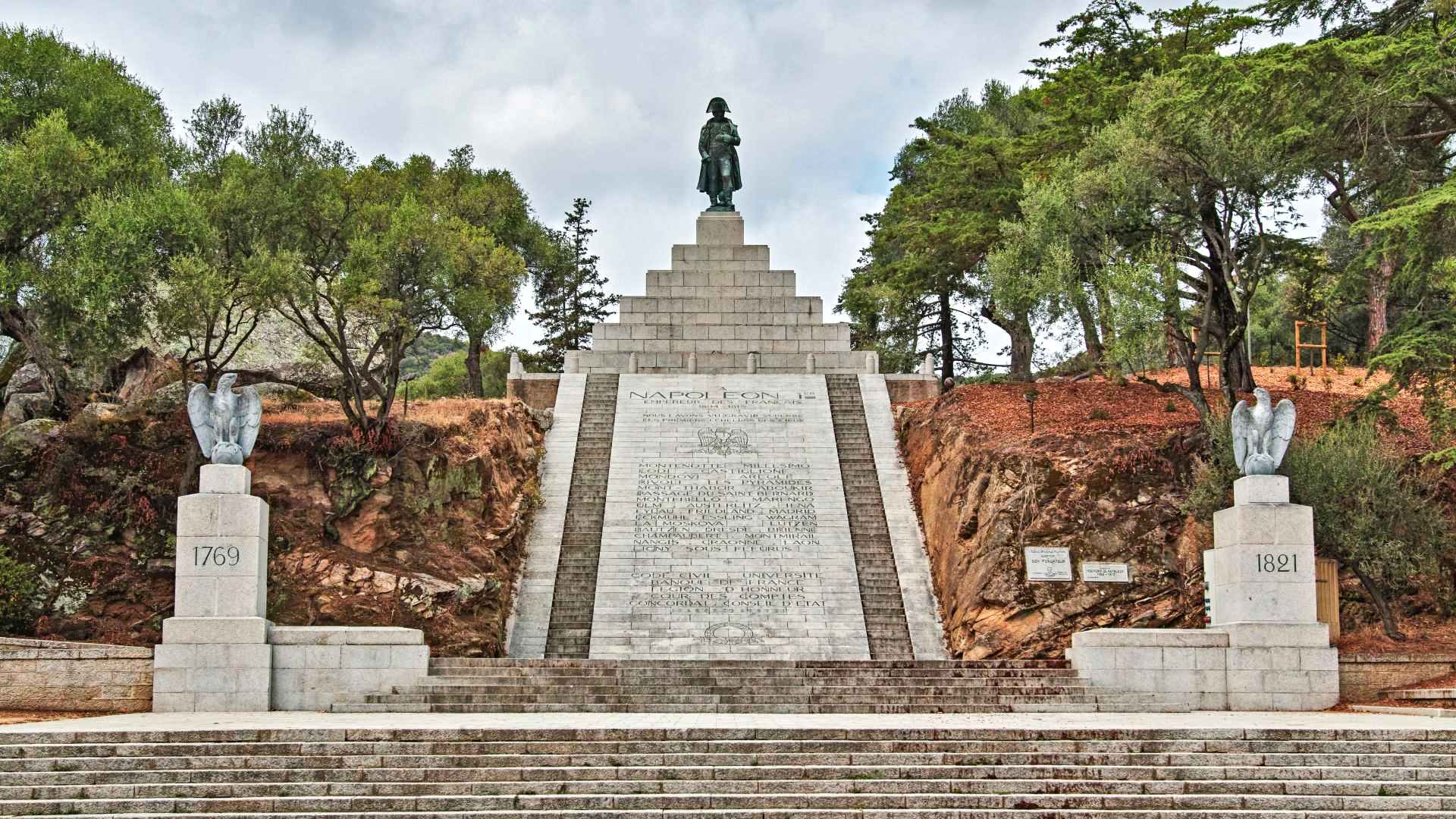
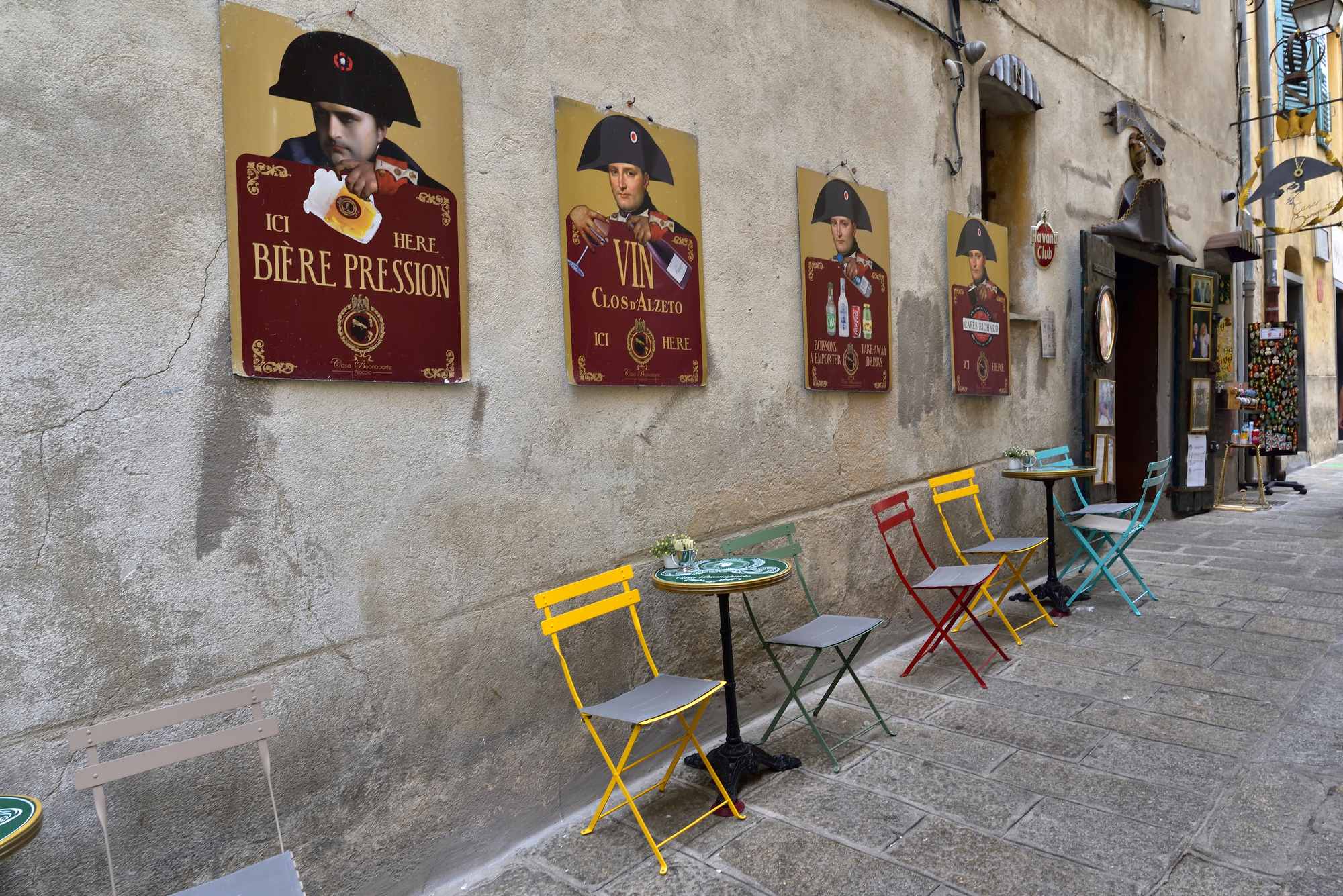
Our tour leader takes us on a guided tour of Napoleon’s Ajaccio: Maison Bonaparte, where he was born in 1769, the Salon Napoléonien in the Town Hall, the Cathédrale Notre-Dame-de-l’Assomption, where he was baptized, and the Chapelle Impériale, where several Bonapartes are buried.

We also visit Palais Fesch, home to the art collection of Napoleon’s uncle, Cardinal Fesch. It is France’s largest collection of Italian Old Masters after the Louvre, including Titian and Botticelli.

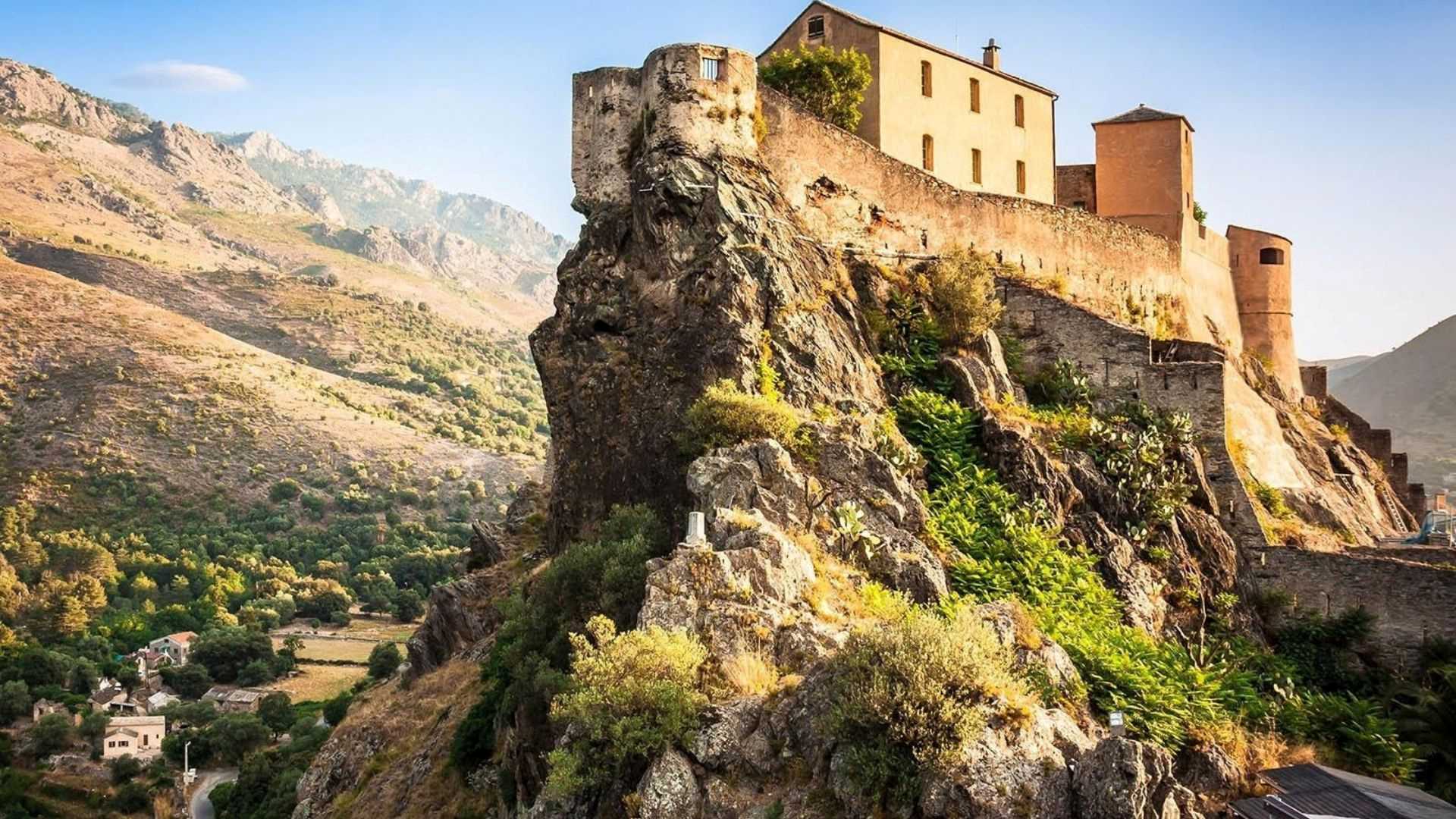
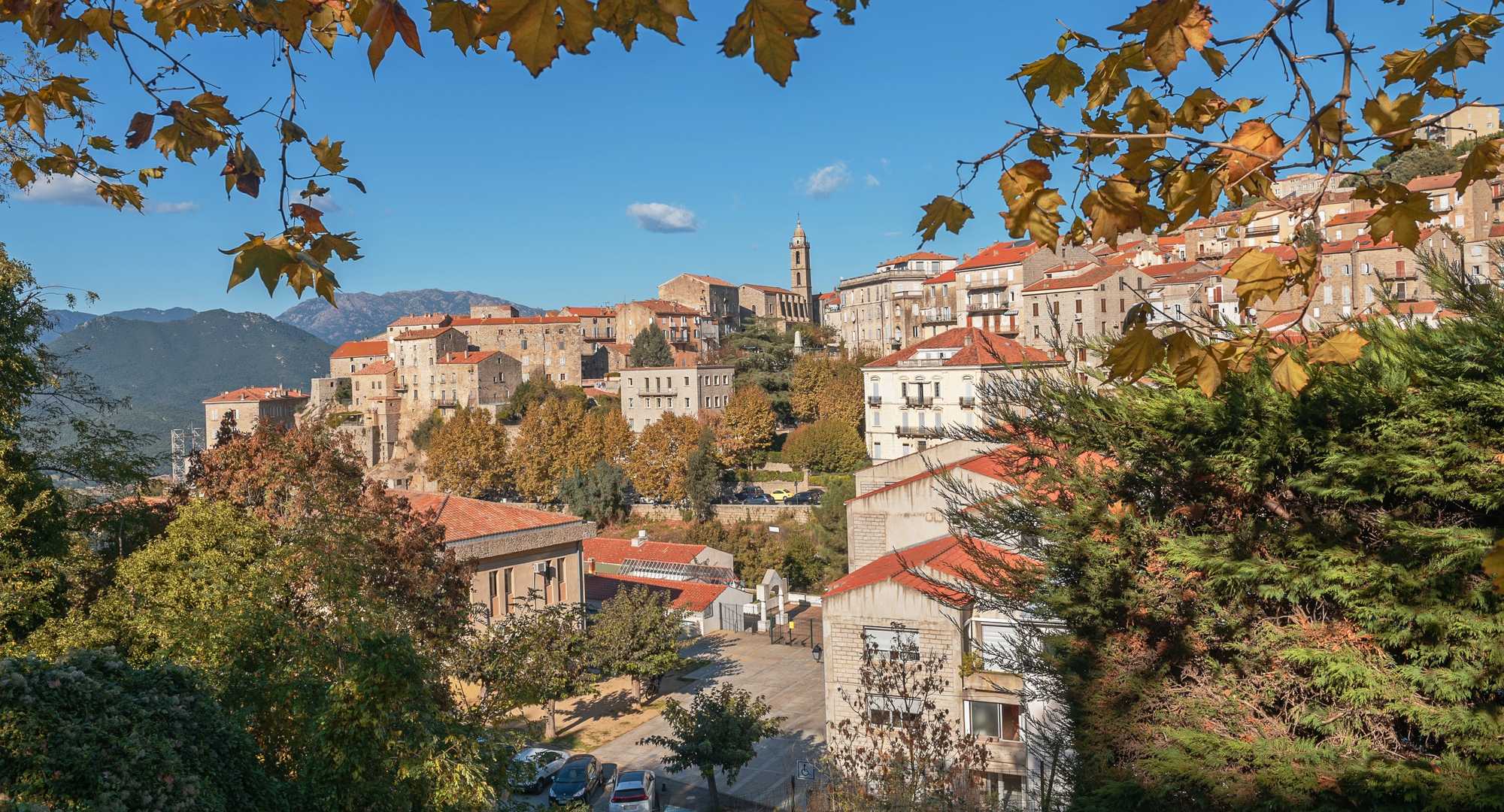
After lunch, we drive into the mountains to Corte, the most Corsican of Corsica’s towns. In 1755, Pasquale Paoli made it the capital of the independent Corsican Republic, whose democratic constitution American revolutionaries admired. We take the train up to the Citadel, visit the Musée de la Corse in its former barracks and walk through the town.

We return to Ajaccio, where dinner tonight is at your leisure.

Meals: B, L

Overnight: Ajaccio

Day 6Aléria, Mariana and Bastia

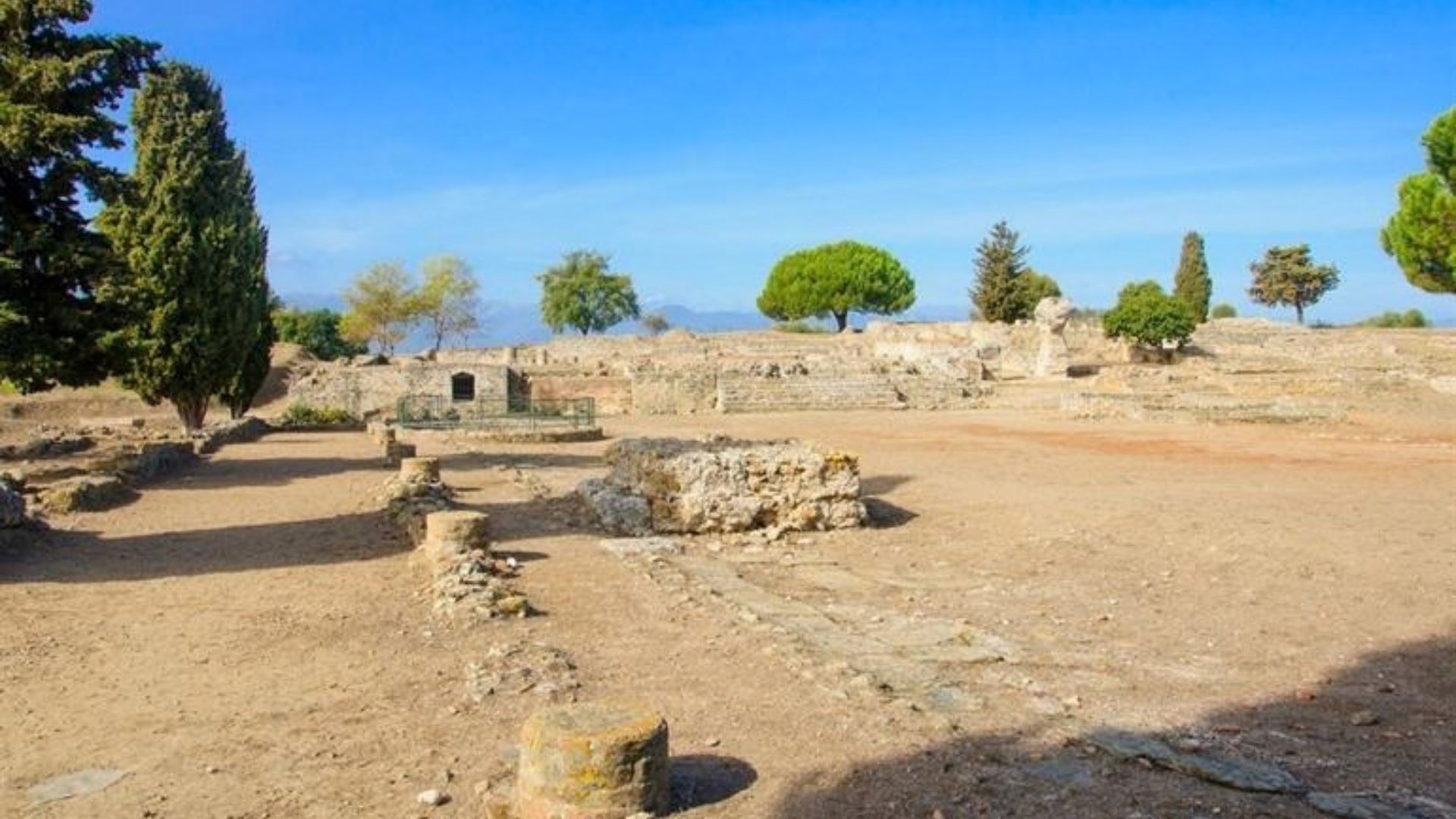
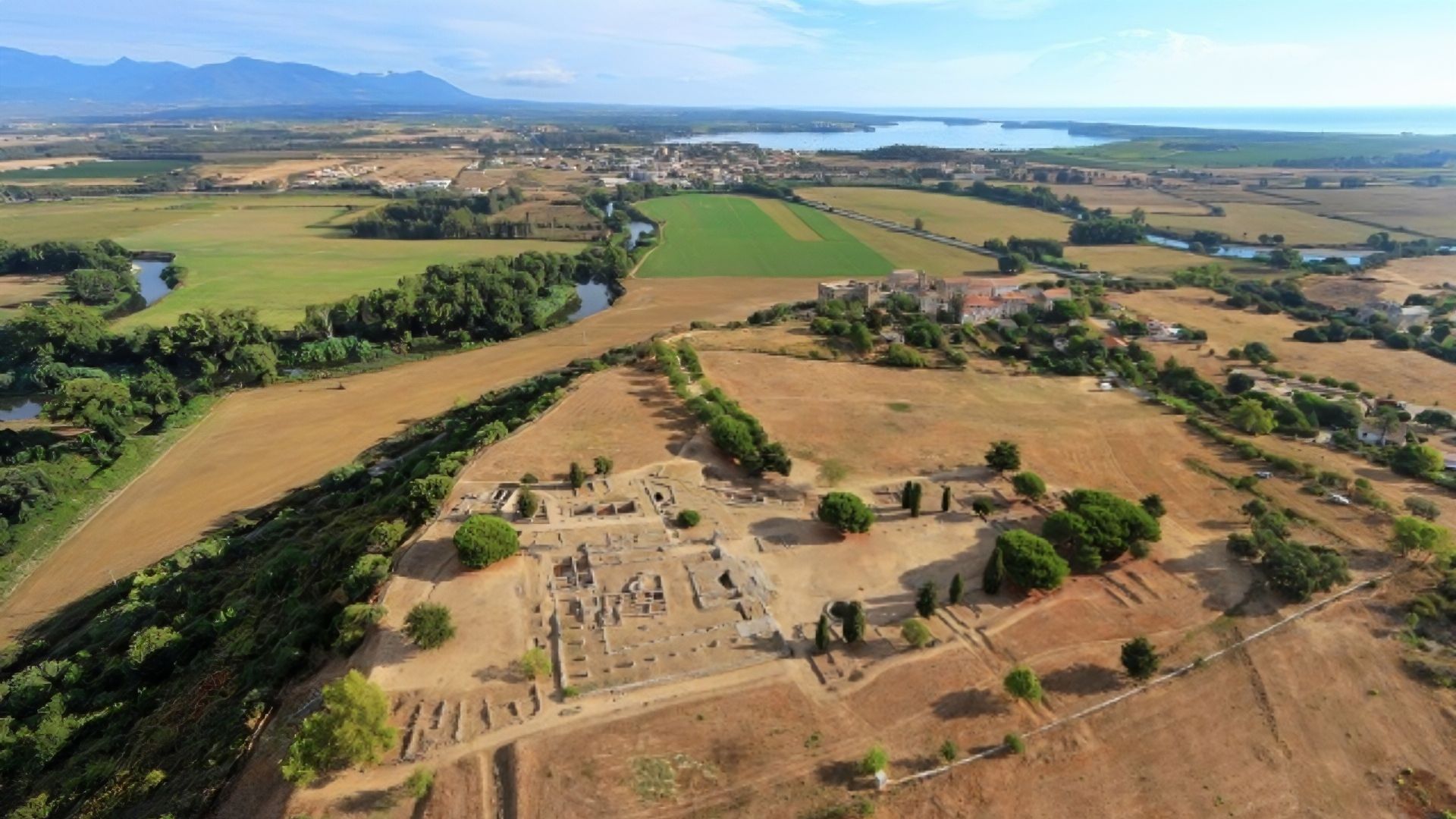
At Aléria, a specialist on-site guide leads our private tour of a city founded in 565 BC by Phocaean Greeks and later held by the Etruscans, the Carthaginians and finally the Romans. We then see the finds from the site at the Musée Jérôme Carcopino.

Close to Bastia, a specialist guide takes us through the Roman colony of Mariana, founded around 100 BC by Gaius Marius, its museum and the Canonica, a Romanesque cathedral consecrated in 1119.

We travel a short distance north to Bastia, the last base of our Corsica tour, and settle into our hotel before an evening meal with wine.

Meals: B, L, D

Overnight: Bastia

Day 7Bastia's Citadel and Old Town

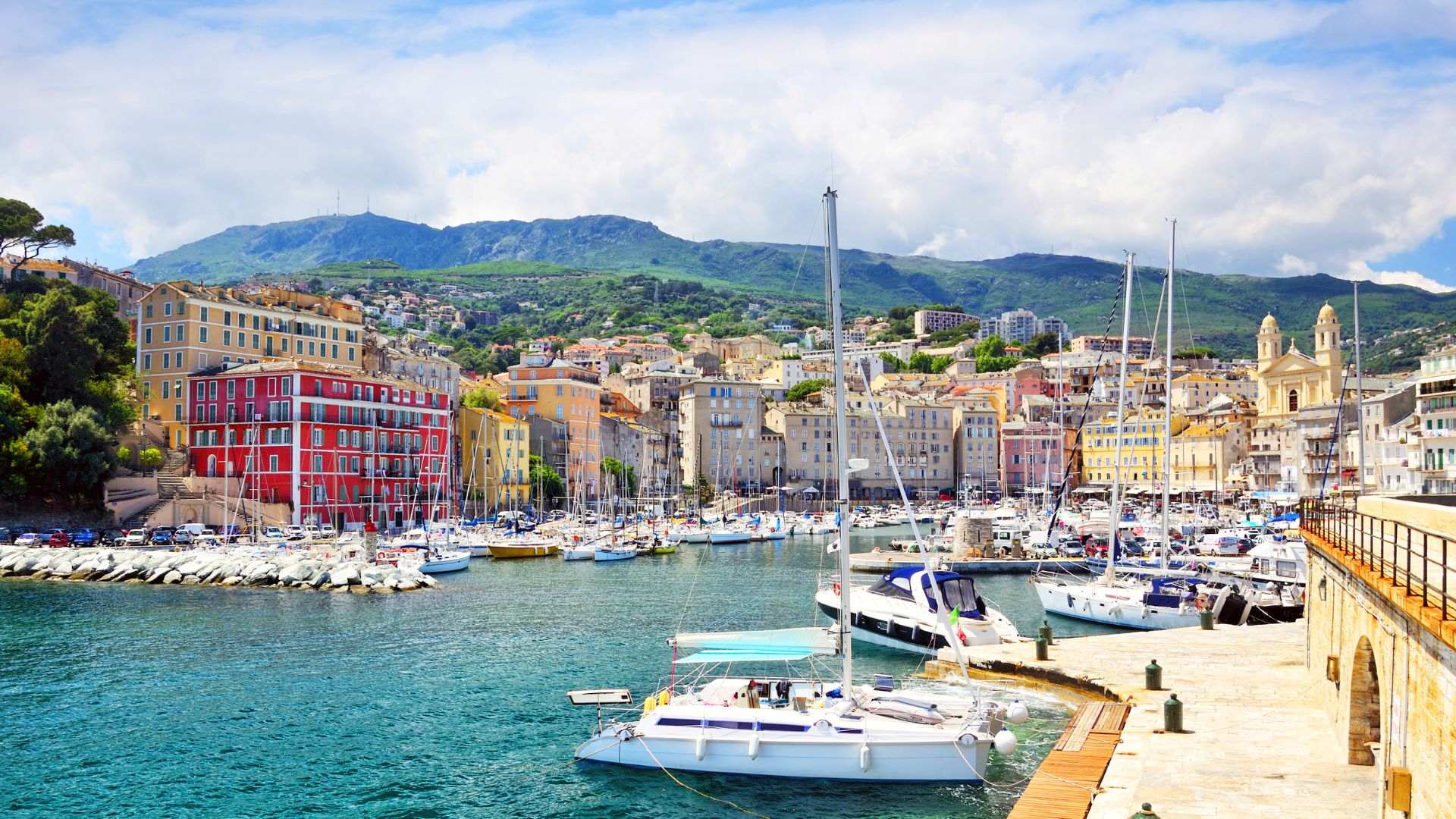
Today is the final full day of our Corsica tour, and we spend it in Bastia, the capital of Corsica under Genoese rule until 1768.

Our tour leader takes us on a guided walk of Bastia’s upper town (Terra Nova) and lower town (Terra Vecchia). Thankfully, the two are linked by an elevator.

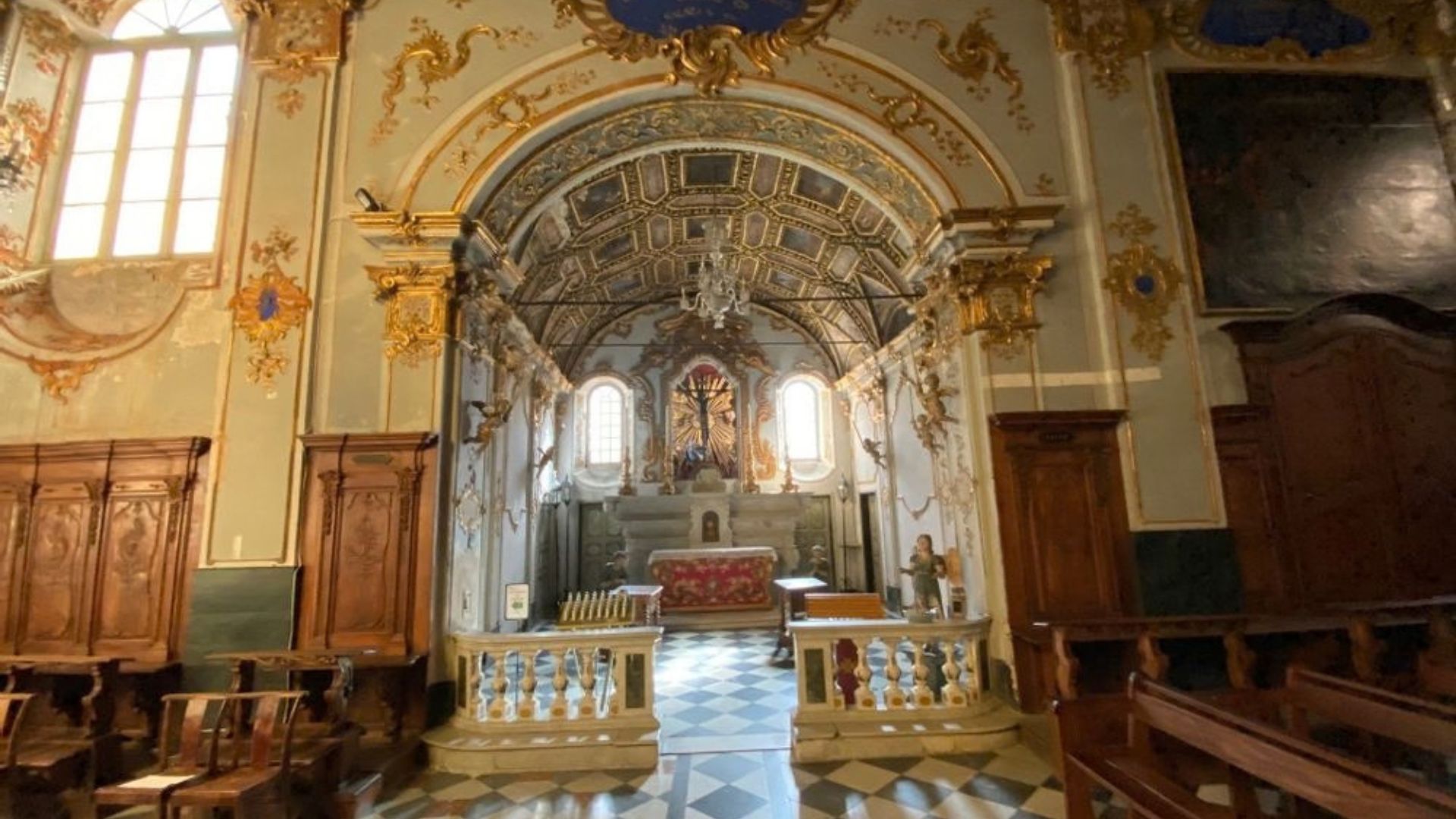
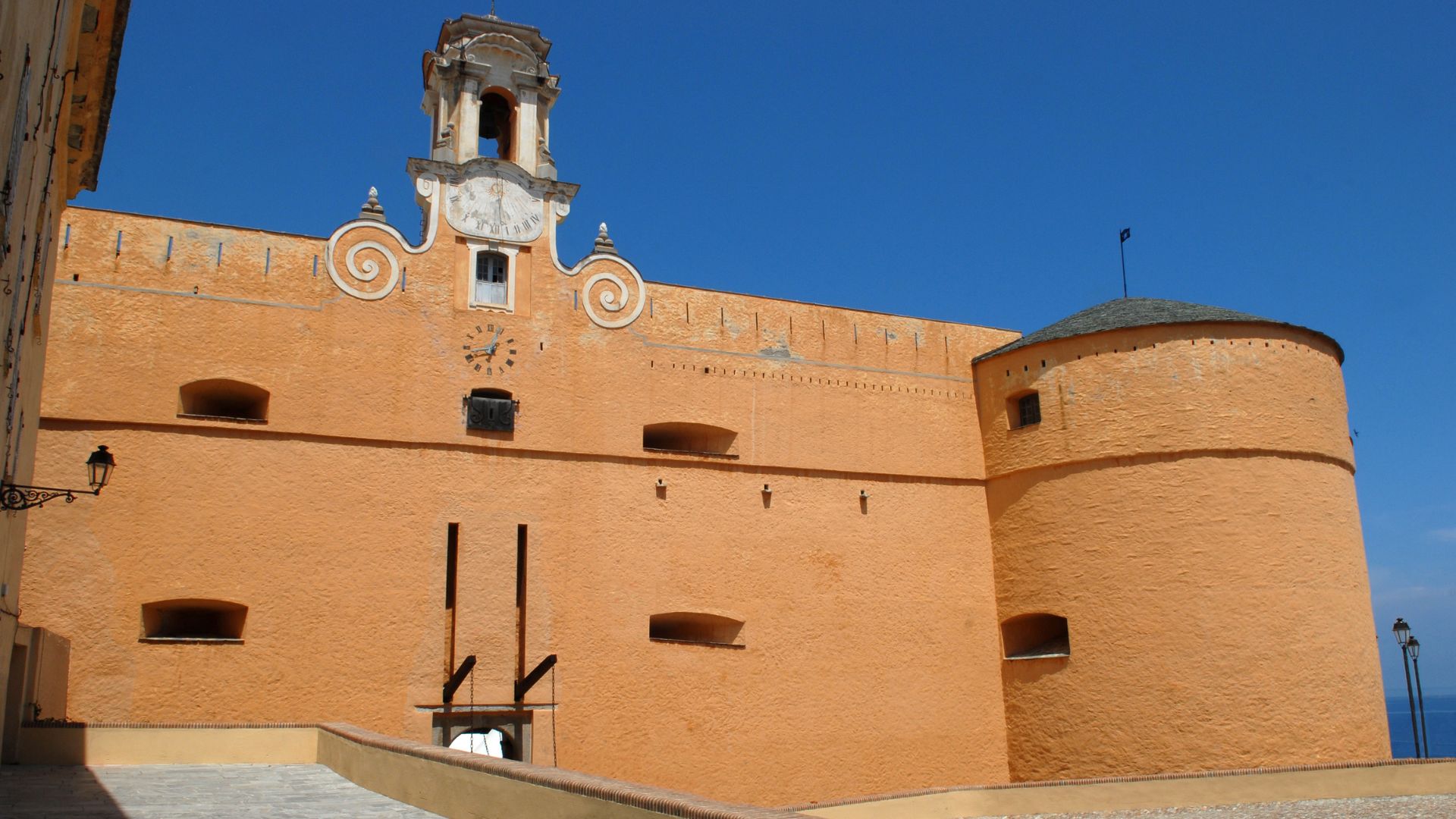
In Terra Nova, the 15th-century citadel built by Bastia’s Genoese rulers, we visit the Governors’ Palace (home to the Musée de Bastia), the Cathedral of Sainte-Marie and the Oratory of Sainte-Croix. We then explore the narrow streets of Terra Vecchia, with the Church of Saint-Jean-Baptiste, the Oratory of the Immaculate Conception and the food market at Place du Marché.

After lunch there’s some time for shopping and exploring, before we gather for a performance of traditional Corsican polyphonic singing and a farewell dinner.

Meals: B, L, D

Overnight: Bastia

Day 8Farewell For Now

After our last breakfast together, we take a group transfer to Bastia-Poretta Airport.

It’s farewell to Corsica for now, but we hope to see you again on tour with us soon.

Meals: B

24 Sep – 1 Oct 2027
FromUS$5,999

Book Now

Save To Wish List

Adding item to wishlist requires an account

4978
10% deposit secures your place
Payments held in an audited client account

Financial Protection: Book with Confidence

ATIA Accredited Financial Protection

Meet Your Archaeologist

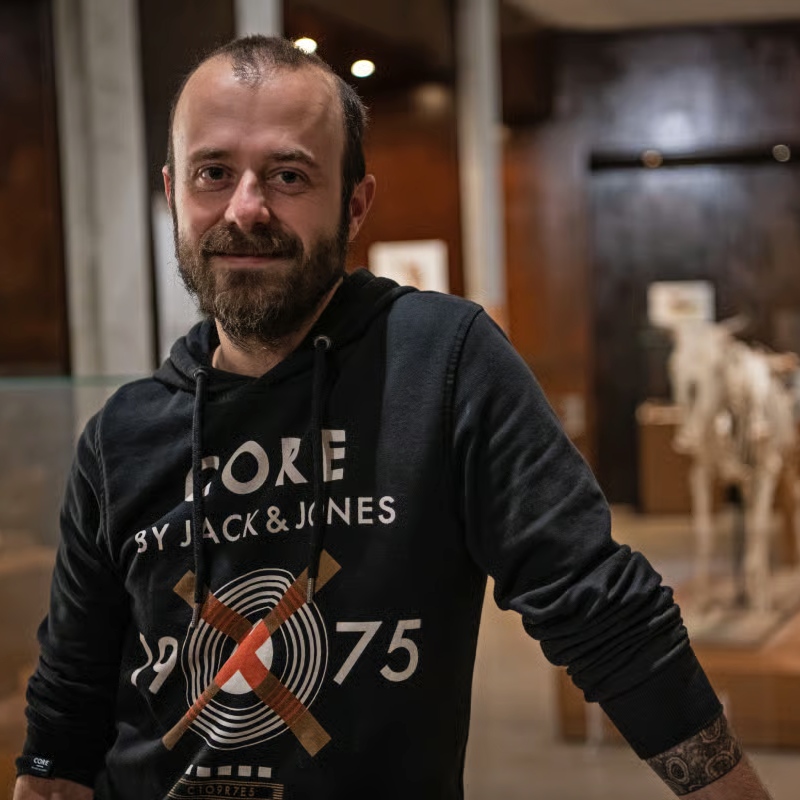
Dr Kewin Pêche-Quilichini, archaeologist for Take Me To Europe Tours Corsica Tours

Dr. Kewin Pêche-Quilichini, B.A., M.A., Ph.D. (Aix-Marseille University)

Dr. Kewin Pêche-Quilichini is a Corsican archaeologist who specializes in the prehistory of Corsica and the western Mediterranean. Born in Ajaccio, he holds a Ph.D. in Prehistoric Archaeology from Aix-Marseille University, completed jointly with La Sapienza University of Rome, with a doctoral thesis on Corsican pottery of the Bronze Age and Early Iron Age. He went on to complete postdoctoral research with the Archimède program at the University of Montpellier. His work centers on the societies of Corsica, Sardinia and the wider western Mediterranean in that period.

Kewin’s knowledge comes from years of fieldwork. He has worked with INRAP, the Corsican archaeological service, universities and research institutions, and has directed excavations at sites including Cuciurpula, Cucuruzzu, Nuciaresa, Monti Barbatu and Puzzonu. He knows Corsica’s ancient settlements, fortifications, pottery and daily life in unusual depth. Since 2021, he has been Director of the Musée de l’Alta Rocca in Lévie, in the heart of southern Corsica’s archaeological landscape. The museum holds some of the most important finds from the Alta Rocca region, and his research and fieldwork shape how they are presented to visitors.

Activity Levels

Our small-group guided tours are physically active. Clambering around archaeological sites, castles, citadels and fortresses is part of the Take Me To Europe experience, and Europe has stairs everywhere. On our Corsica tour, the paths at Cucuruzzu and Capula are rocky woodland trails, and Bonifacio and Corte have steep cobbled streets and steps.

You will need to be able to:
  1. Carry/roll your luggage over uneven pavement and up stairways to reach your hotel.
  2. Be on your feet, walking and standing, for up to three hours, indoors and outdoors, in all weather conditions.
  3. Walk the 2-mile woodland trail between Cucuruzzu and Capula.
  4. After orientation and transportation lessons, navigate the areas around our hotels on your own.

Frequently Asked Questions About Our Corsica Archaeology Tour

Q: Which archaeological sites in Corsica are included in this Corsica tour?

Our Corsica tour visits the island’s most important archaeological sites. These include the standing stones and dolmen of Cauria, the Bronze Age fortress of Cucuruzzu, the castle of Capula, and the statue-menhirs of Filitosa. We also visit the Greek and Roman city of Aléria and the Roman colony of Mariana. Along the way, we explore the historic towns of Bonifacio, Sartène, Ajaccio, Corte, and Bastia.

Q: Who guides the archaeological sites on this Corsica tour?

Corsican archaeologist Dr. Kewin Pêche-Quilichini, Director of the Musée de l’Alta Rocca, guides our visits in the south, including Cauria, Cucuruzzu, Capula, Cuntorba, and Filitosa. At Aléria and Mariana, specialist on-site guides lead our private tours. Our Corsican tour leader guides our walking tours of Sartène, Ajaccio and Bastia.

Q: What makes this archaeologist‑guided Corsica tour different from other Corsica tours?

We travel through Corsica’s history in order, from its earliest human remains to the house in Ajaccio where Napoleon was born. Corsican archaeologist Dr. Kewin Pêche-Quilichini guides the prehistoric sites, specialist on-site guides lead our tours of Aléria and Mariana, and groups are capped at 12 travelers.

Q: Is this tour only about ruins, or will I experience Corsican food and culture too?

Archaeology is at the heart of the tour, but Corsica’s food, landscapes and traditions are part of everyday life. Expect chestnut bread, mountain cheeses and local wines. You’ll also hear Corsican polyphony in Bastia and have time to wander citadels, harbors and village squares.

Q: When is the best time of year to visit Corsica?

May, June, September and early October are the best months for a Corsica archaeology tour. The weather is warm without the summer heat, the sites are quieter, and in September the sea is still warm enough to swim. July and August are hot and crowded, so we avoid them.

Q: Where does the Corsica tour start and finish?

The tour begins in Bonifacio in the south and ends in Bastia in the northeast. Figari-Sud Corse Airport is closest to the start, and Bastia-Poretta Airport is closest to the finish. There are direct flights from mainland France and seasonal flights from other European cities. Please don’t book flights until we confirm the tour is going ahead.

If you book it with our Sardinia tour, you’ll come with us on the ferry from Sardinia to Bonifacio.

Q: How many people are on the tour?

Groups are limited to a maximum of 12 travelers. A small group gets better access to the sites, more time with your archaeologist guide, and space in the smaller restaurants and villages that larger tours can’t use.

Q: Is this Corsica tour suitable for travelers with mobility limitations?

This tour suits travelers with reasonable mobility. Expect around 2 hours of walking each day, often on uneven ground. Cucuruzzu is reached by a rocky woodland path. Bonifacio and Corte have steep cobbled streets and steps. Please contact us before booking if you have any concerns. We are great at adapting our tours to your specific needs.

Q: What is included in the price of the Corsica tour?

The tour price includes 7 nights in boutique and luxury hotels, 7 breakfasts, 6 lunches and 5 dinners, beer, wine and water at lunch and dinner, and all site entrance fees and activities in the itinerary. It also covers private transport, archaeologist Dr. Kewin Pêche-Quilichini at the prehistoric sites, specialist guides at Aléria and Mariana, and a Corsican tour leader throughout. International flights, some meals and personal expenses are not included.

Q: How much does the Corsica tour cost?

The 2027 Corsica tour costs US$5,999 per person sharing a room. Solo travelers who would like a room of their own pay a single-room supplement. If you’d like a roommate, we’ll try to match you with another solo traveler, and the supplement won’t apply. 2028 prices will be slightly higher.

Q: Do I need to know about archaeology to enjoy this tour?

No prior knowledge at all is needed. Our guides explain each site from the beginning. They’re also happy to go into more detail for guests who already know their Neolithic from their Bronze Age. Just make sure to pack your curiosity.

Q: Can I combine the Corsica tour with your Sardinia tour?

Yes. Southern Corsica is a short ferry crossing from northern Sardinia across the Strait of Bonifacio. Combining the two lets you compare Corsica’s Bronze Age fortresses and statue-menhirs with Sardinia’s nuraghi and Giants’ Tombs. Contact us to plan dates across both islands or book our 17-day Sardinia & Corsica tour.

FromUS$5,999
Book Now