Feel the cool roughness of ancient stone as you trail your fingers along a Nuragic tower, wild thyme and warm dust rising in the afternoon heat. Follow the Phoenician walls and Roman streets of Tharros and Nora to the end of the sea, and stand at the entrance of a Giants’ Tomb, looking along its stone corridor. In the evening, raise a glass of Cannonau on an island that has lived with its towers and giants for over 3000 years.
On this expert-led Sardinia tour, you follow the island’s history from south to north, so the landscapes and the timeline make sense together. We begin in Cagliari, the island’s southern capital, where Phoenician traders, Roman officials, and medieval rulers left their mark on the harbor, the Castello hill, and the National Archaeological Museum.
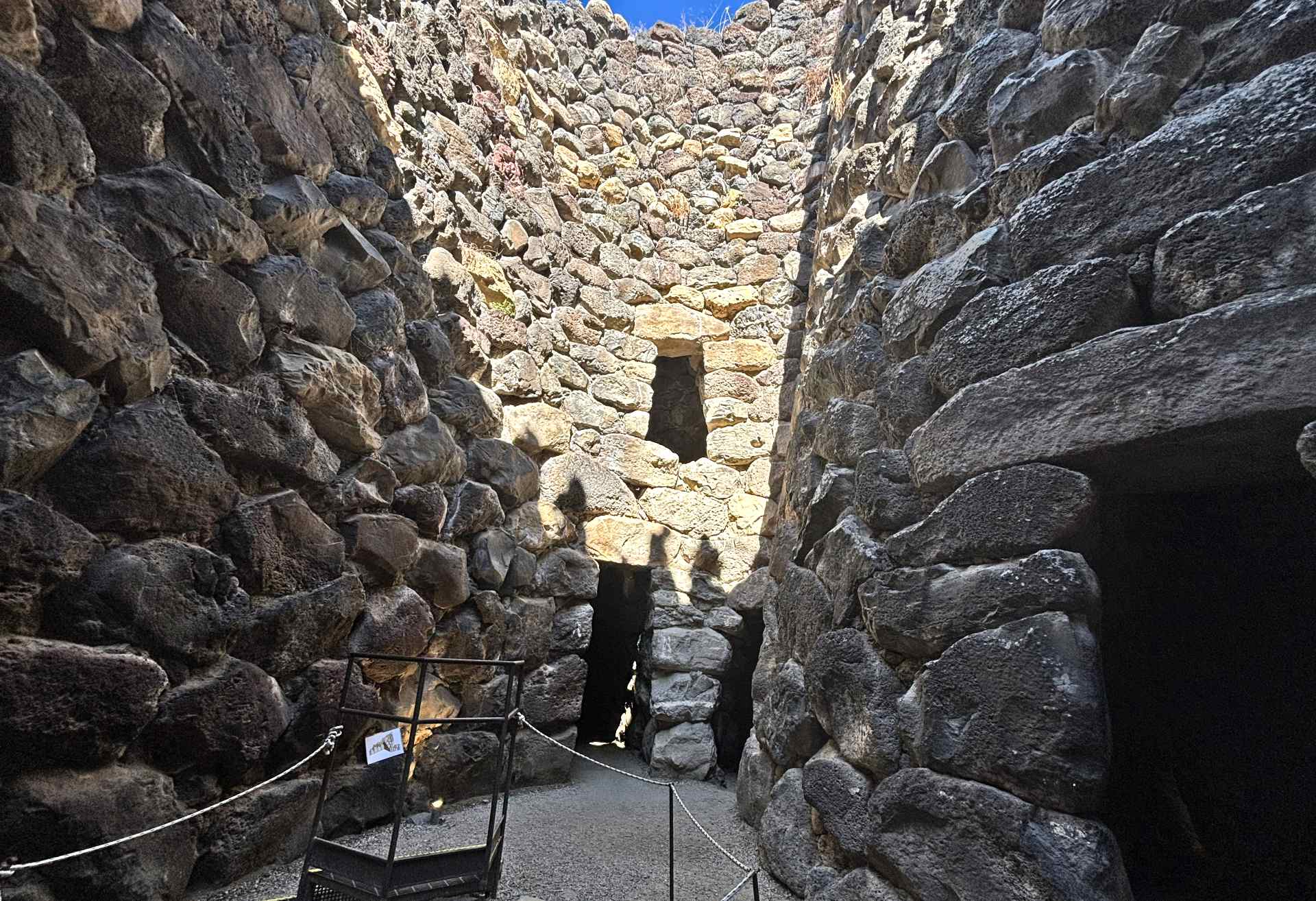
From Cagliari, we visit the Phoenician and Roman city of Nora with our archaeologist-guide. We then head inland to Pimentel and the Domus de Janas of S’Acqua Salida-Pranu Efis, one of the largest groups of “fairy houses” in Sardinia, and to Su Nuraxi, the island’s only UNESCO-listed nuraghe, where you walk through the beehive chambers and concentric walls of a Bronze Age tower village.
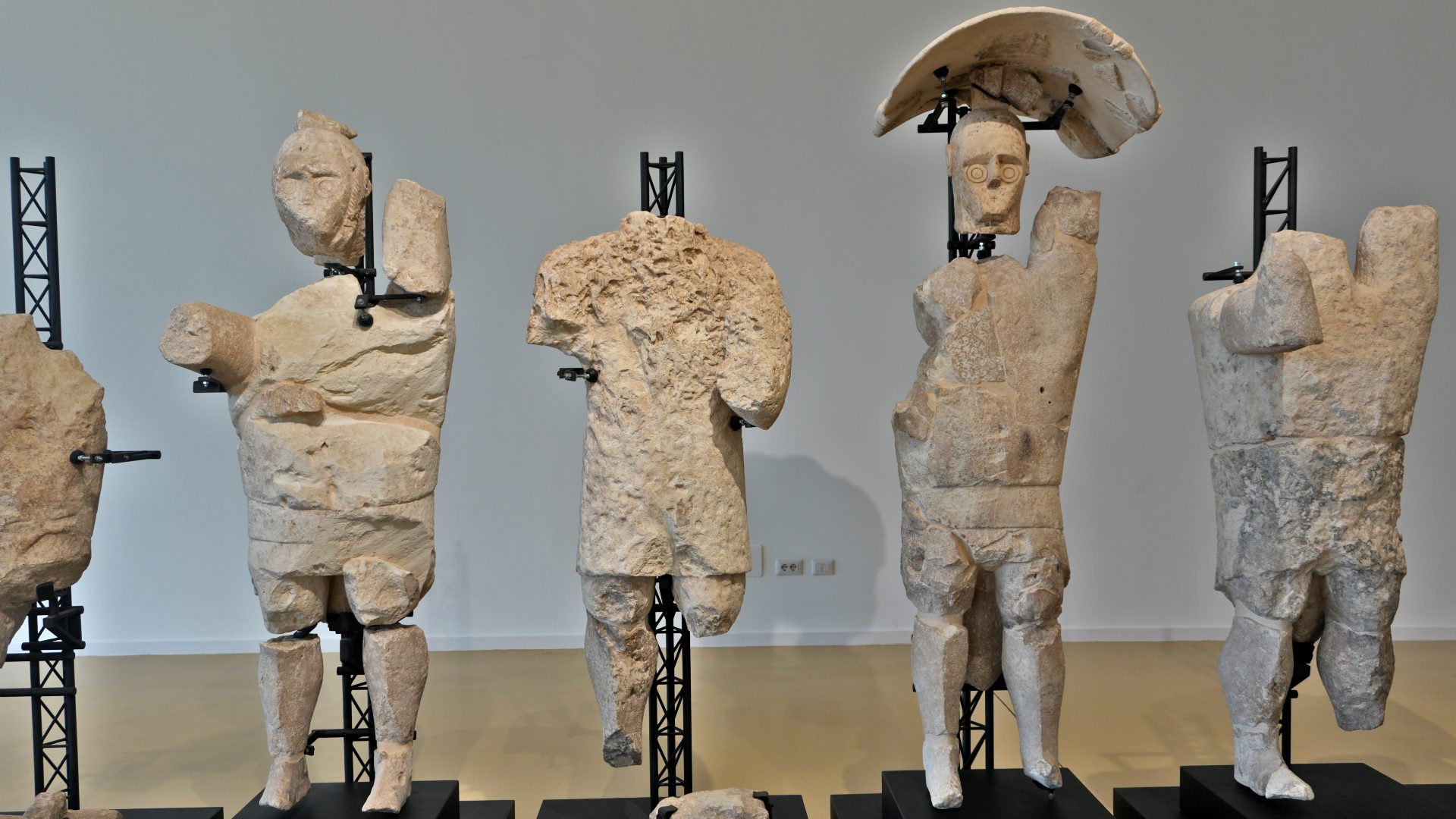
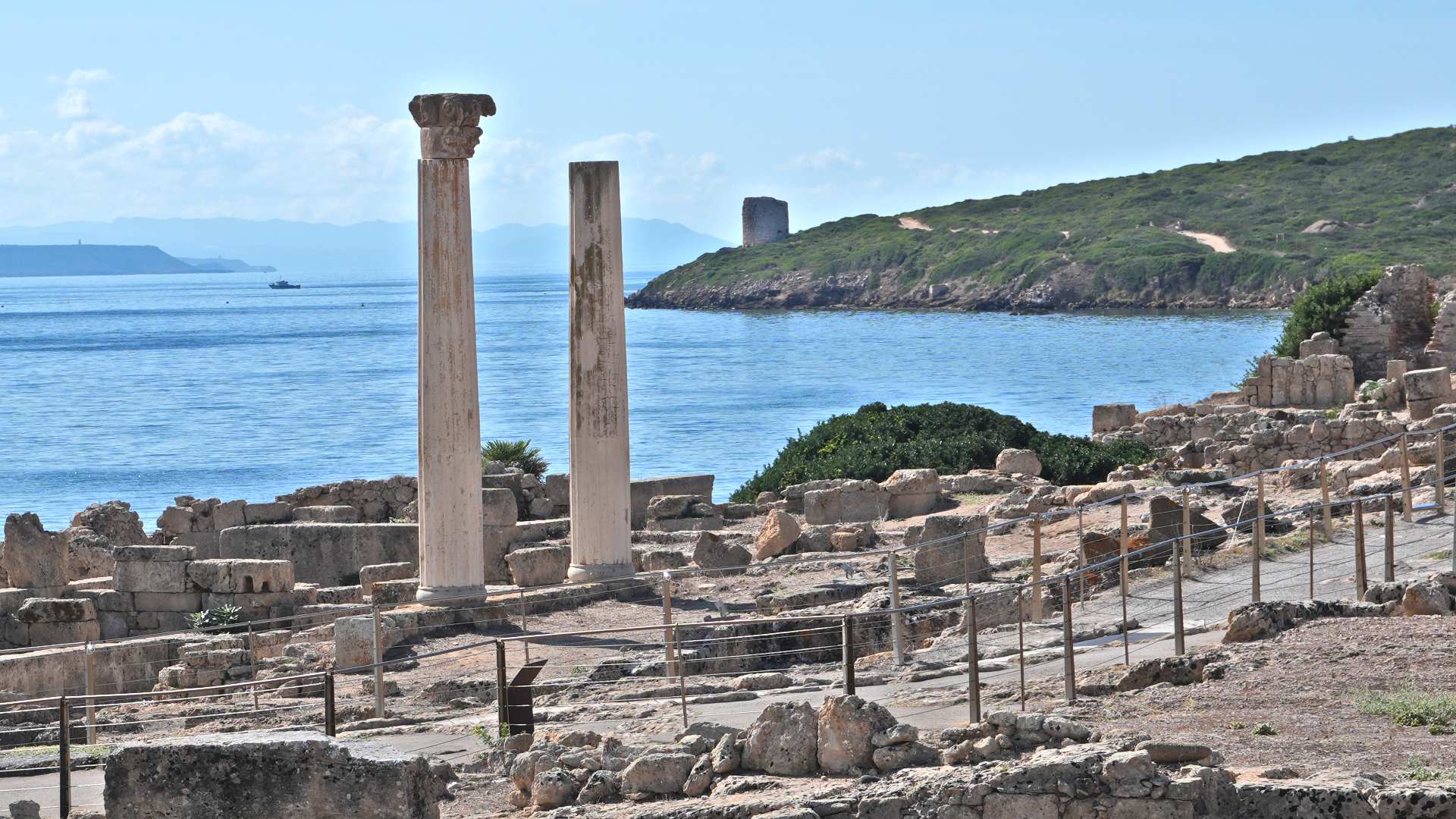
On the Sinis Peninsula, we walk the Phoenician and Roman streets of Tharros at the edge of the sea, and at the Cabras Museum, we meet the Giants of Mont’e Prama. Agriturismo lunches of local breads, cheeses, and wines show the pastoral traditions that fed these harbors.
Heading north, we visit the sacred well of Santa Cristina, Nuraghe Santu Antine, and the stepped monument of Monte d’Accoddi, with two nights in Alghero, whose sea walls and Catalan streets add a later chapter.
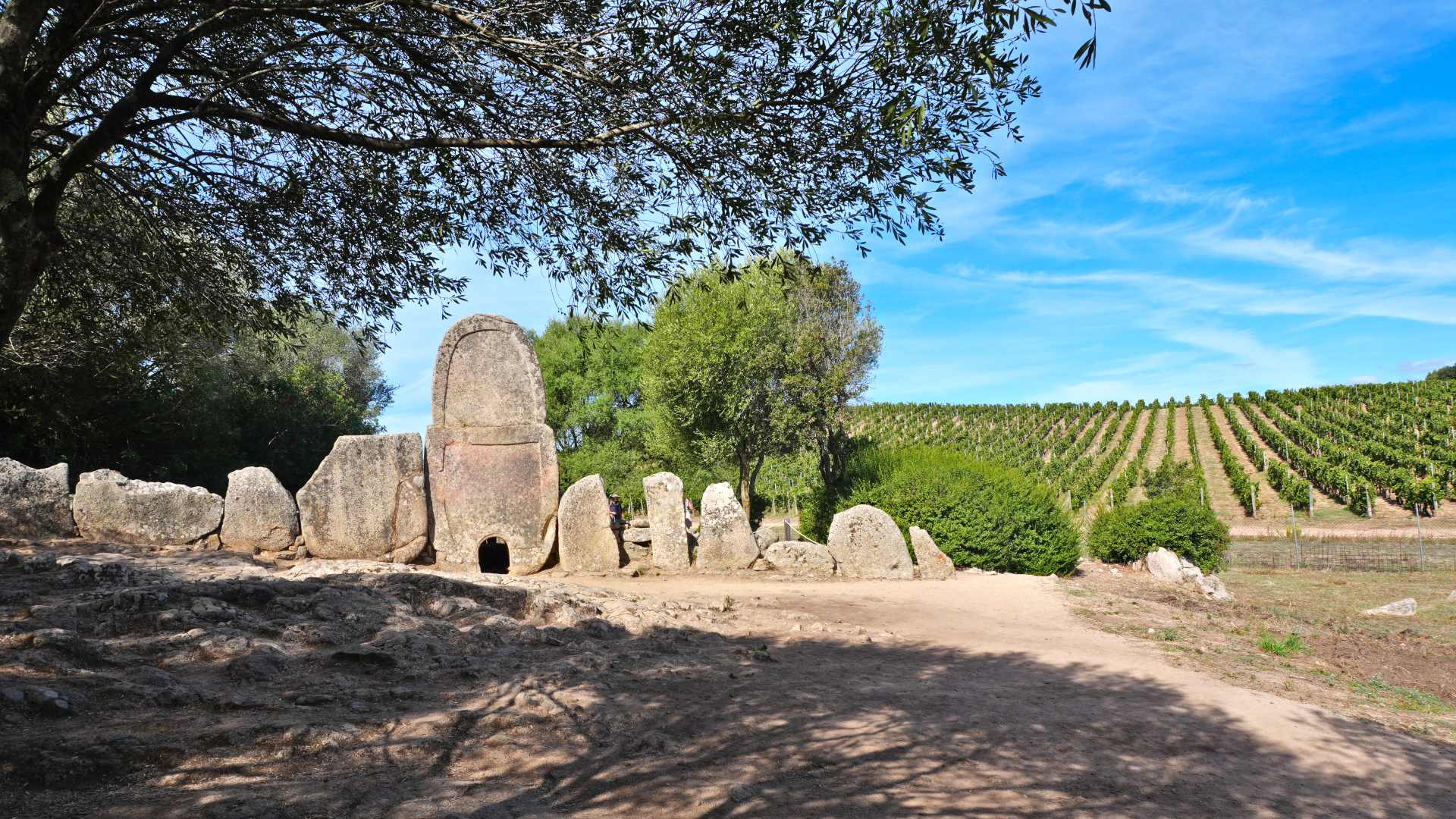
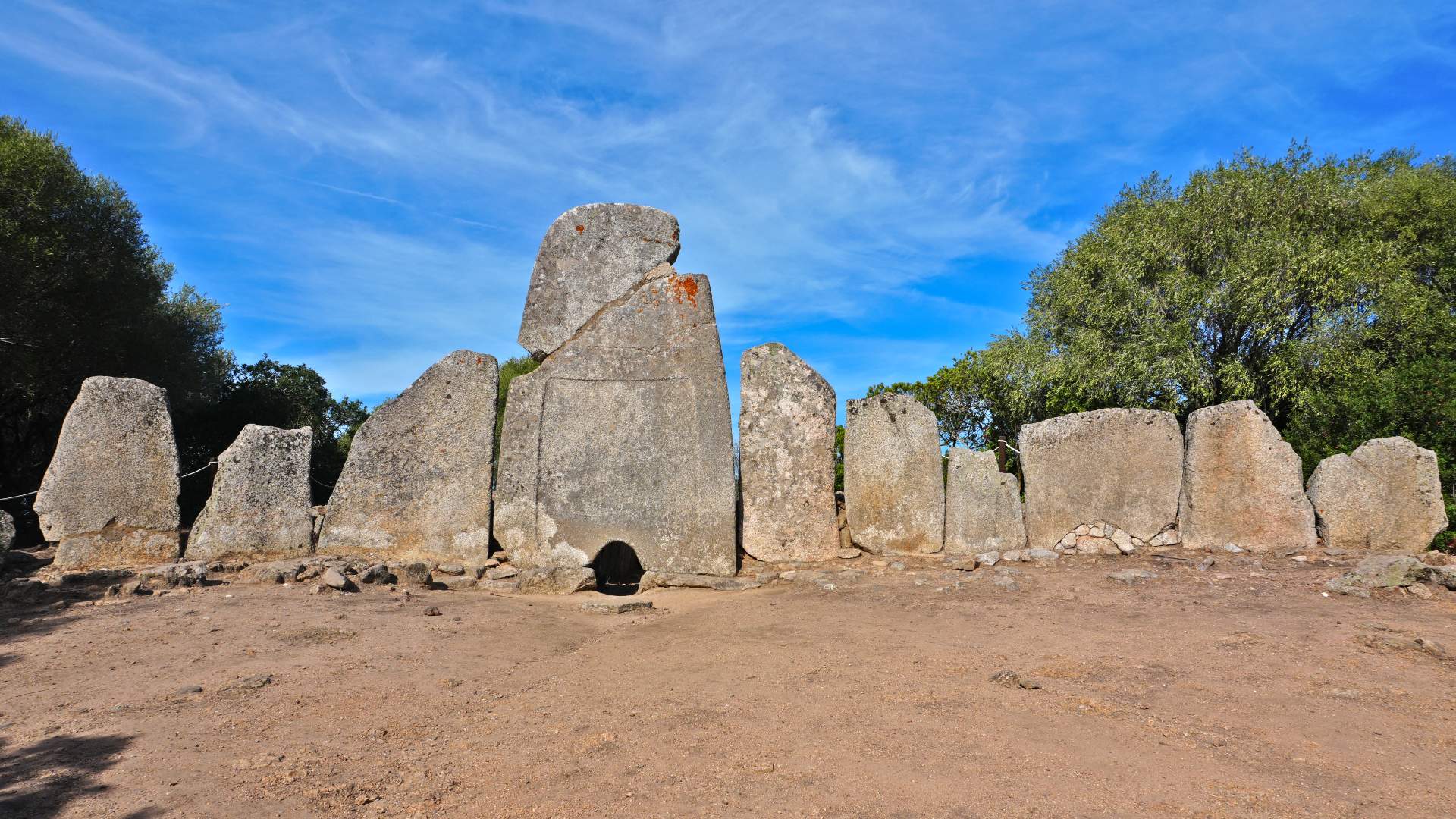
The tour ends in the northeast, around Olbia and Arzachena, at the Giants’ Tombs of Coddu Vecchiu and Li Lolghi, the Nuraghe La Prisgiona, and the sacred well of Sa Testa, where towers, water, and ritual come together in one landscape.

Our tour begins in Cagliari, the island’s southern capital, where pastel façades, domes, and bastions rise above the harbor. After settling into our elegant hotel in the historic center, you meet your tour leader and fellow travelers for informal introductions.
In the evening, we enjoy our first Sardinian dinner together in a carefully chosen local restaurant, tasting regional dishes and wines.
Meals: D
Overnight: Cagliari
After breakfast, we set out on a guided walking tour of Cagliari’s Castello district, the hilltop quarter where medieval walls, baroque churches, and quiet stone lanes look out over the harbor. As you explore its bastions, viewpoints, and narrow streets, your guide explains how Phoenician, Roman, Pisan, Aragonese, and Savoy rulers left their mark on this rocky promontory.
We then visit the National Archaeological Museum, home to some of Sardinia’s most important finds, including Nuragic bronzes and artifacts from the Phoenician, Punic, and Roman sites you visit later in the tour. Here you see the island’s “towers and giants” in the galleries before visiting them in their landscapes.
In the late morning, we stop in the lower town for a light lunch of local specialties, perhaps pane carasau, pecorino, seasonal vegetables, and a glass of Vermentino. The afternoon is free to wander Cagliari’s arcades and cafés, stroll along the marina, or sit with a coffee and watch the city go by.
Meals: B, L, D
Overnight: Cagliari
After breakfast, we leave Cagliari and follow the coast road south to Nora, an ancient city on a promontory, where waves break just beyond its Roman mosaics and temple steps. Our archaeologist-guide leads us through its streets and baths and tells the stories of the Phoenician sailors, Punic merchants, and Roman citizens who lived here.
We then continue to the nearby coastal town of Pula, where we meet Maria, who teaches us how to make culurgiones and another traditional Sardinian pasta shape. We also try our hand at making seadas, a Sardinian dessert, before enjoying what we’ve made, along with an aperitivo, wine, and a tasting of local liqueurs.
In the late afternoon, we return to Cagliari to visit the Roman Amphitheater and the Necropolis of Bonaria, carved into the city’s hillside, with views over the city and the sea.
The evening is free to walk along the waterfront, have a drink as the harbor lights come on, or dine at a trattoria suggested by your guide.
Meals: B, L
Overnight: Cagliari
After breakfast, we leave Cagliari and drive inland through rolling fields, low hills, and grazing flocks.
Our first stop is Pimentel and its Domus de Janas of S’Acqua Salida-Pranu Efis, prehistoric rock-cut tombs.
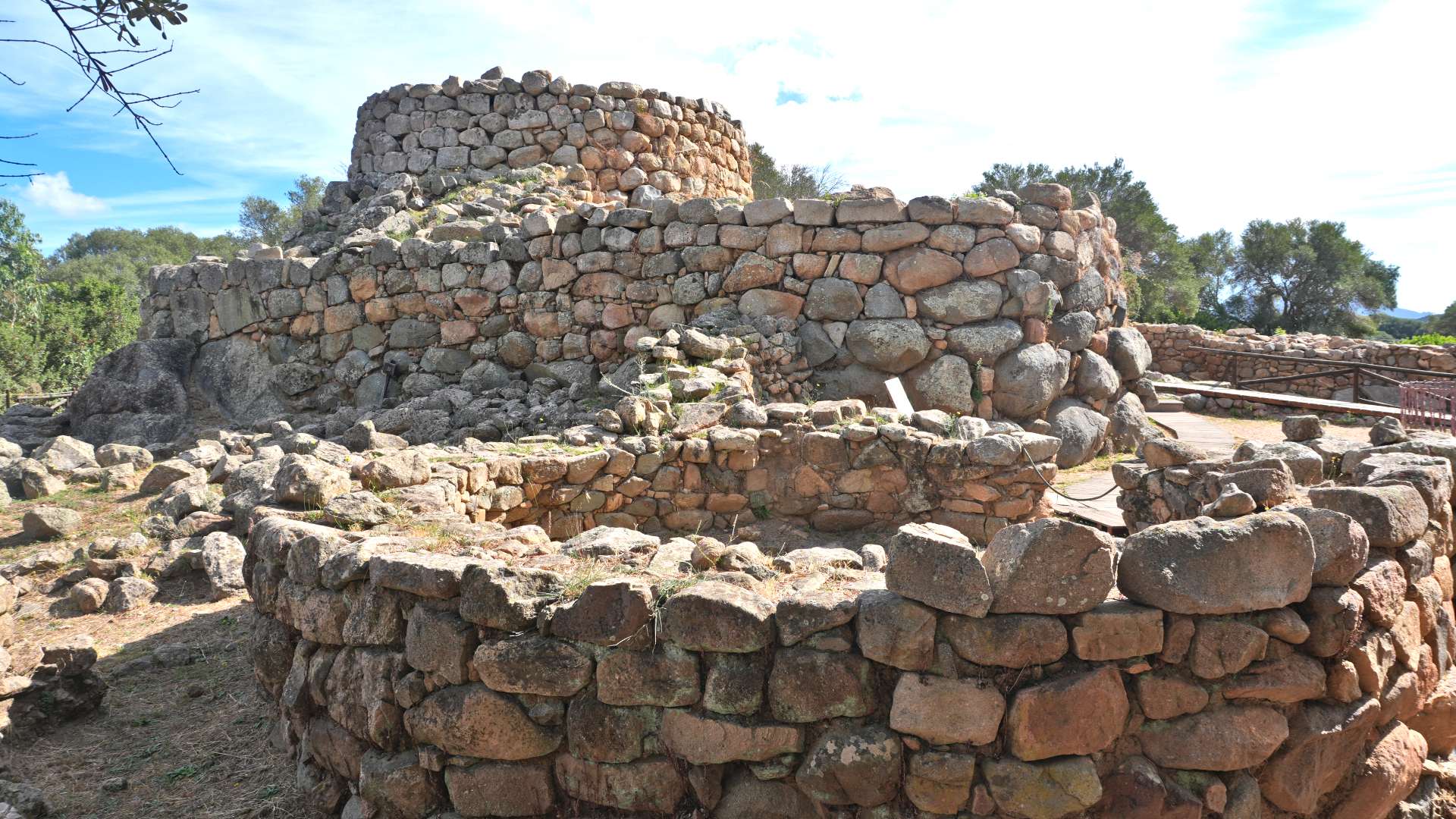
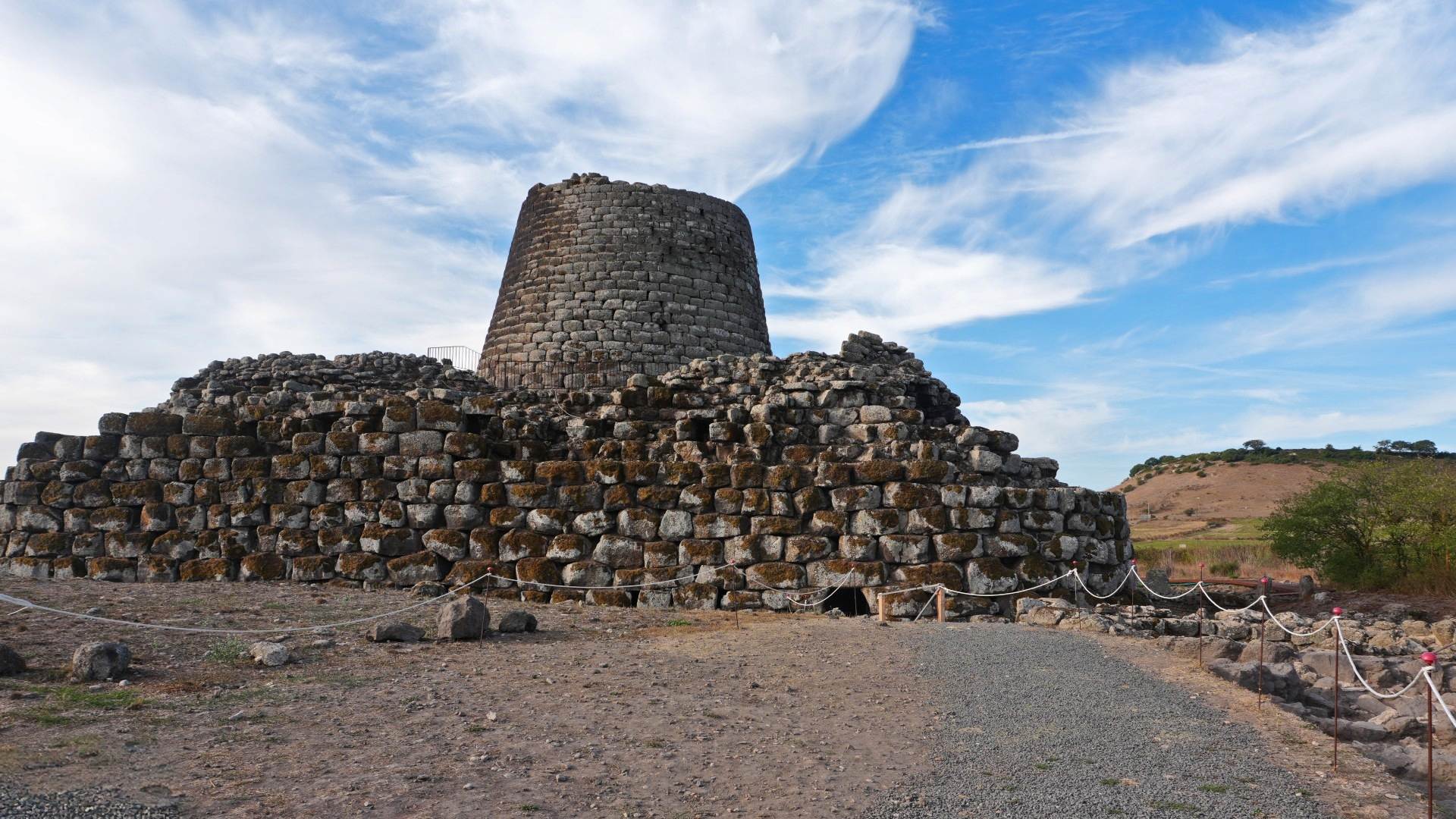
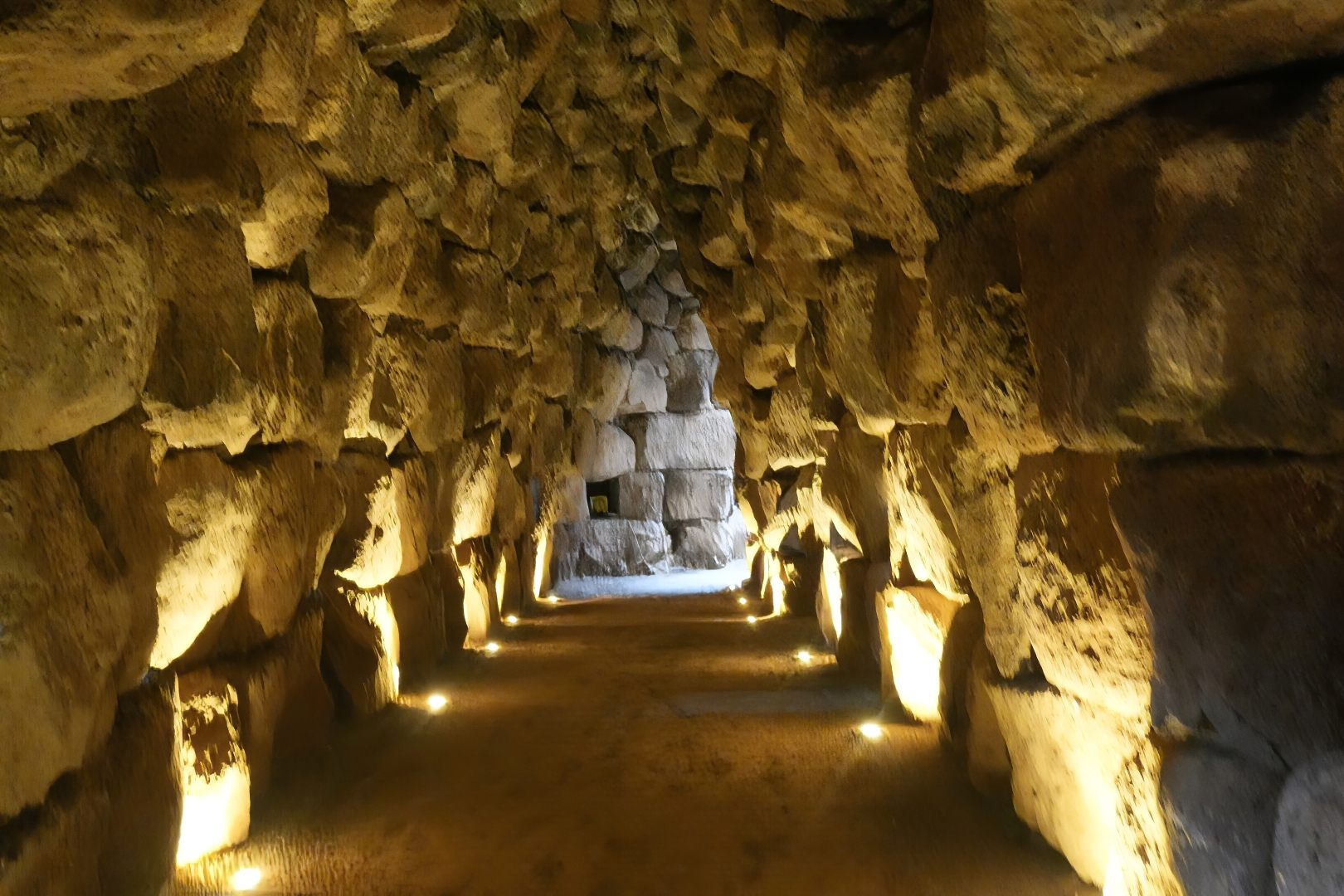
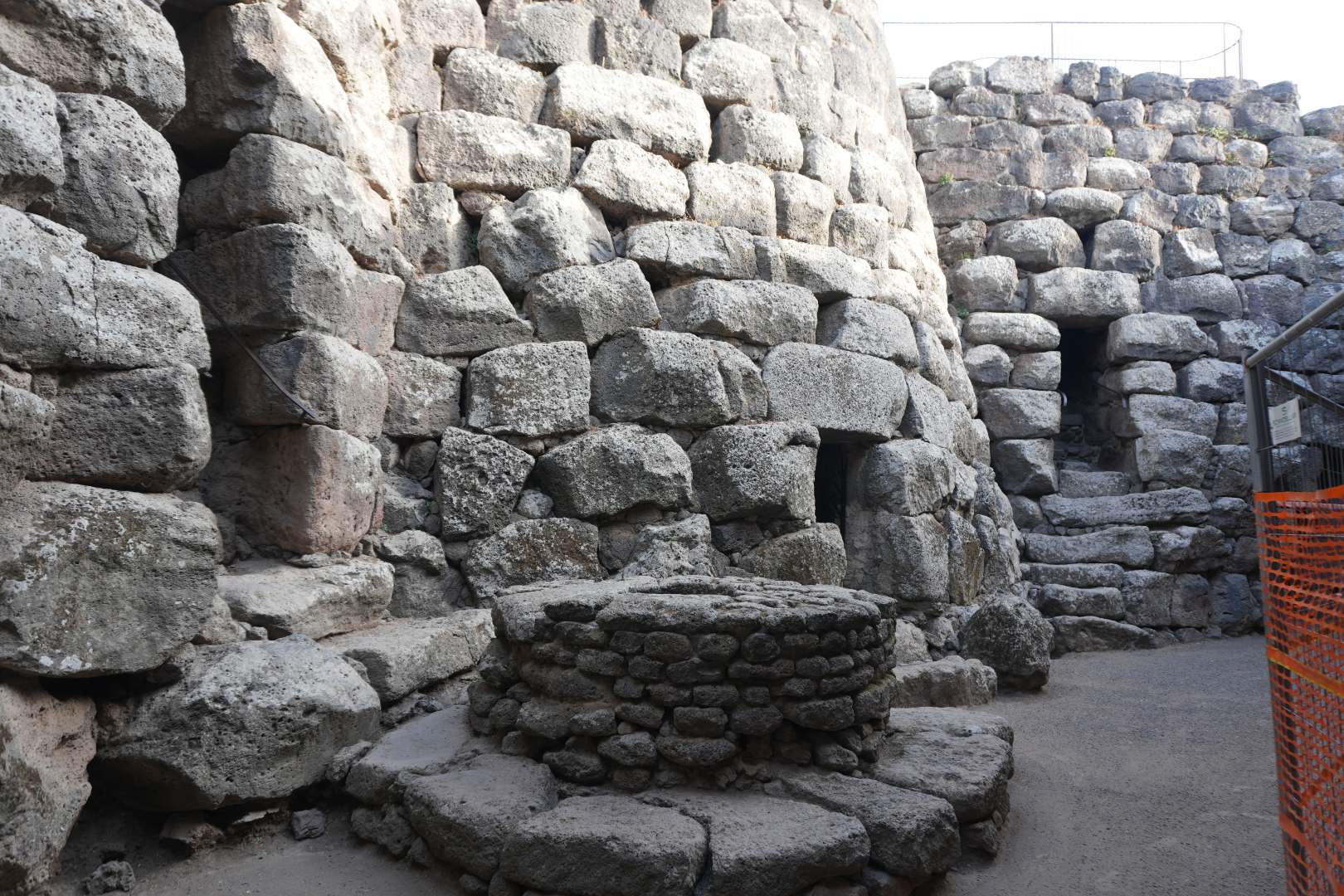
From there, we continue north to Su Nuraxi di Barumini, Sardinia’s most important nuraghe and a UNESCO World Heritage site, where a complex of towers, walls, and stone huts rises from a grassy ridge. With our archaeologist-guide, we walk into the heart of this Bronze Age tower village, through narrow passages and beehive-like chambers that show how Nuragic communities lived, gathered, and watched over their land.
We then visit nearby Casa Zapata, a Spanish palazzo hiding a Nuragic village.
We continue to a family-run agriturismo in the nearby countryside for a relaxed lunch. Here you taste dishes rooted in Sardinia’s pastoral traditions, such as crisp pane carasau, local pecorino, seasonal vegetables, and perhaps slow-cooked meats, paired with regional wines.
In the afternoon, we travel on to Oristano, a welcoming town on the western plain, and settle into our hotel before sharing dinner in a local restaurant.
Meals: B, L, D
Overnight: Oristano
After breakfast, we drive across the western plain to the Sinis Peninsula, where low dunes, lagoons, and headlands surround one of Sardinia’s great ancient sites. At Tharros, on a narrow spit of land, our archaeologist-guide leads us along streets, temples, baths, and fortifications that once served Phoenician sailors, Punic merchants, and Roman citizens, with waves breaking just beyond the ruins.
We continue to the small sanctuary village of San Salvatore and its hypogeum, where early Christians worshiped in underground chambers carved into much older rock.
We then visit the Cabras Museum to meet the Giants of Mont’e Prama, life-sized Nuragic stone statues. Later, there is time for a stroll in Oristano’s historic center.
The evening is free to dine at your leisure in Oristano, with suggestions from your guide for favorite trattorie and wine bars.
Meals: B, L
Overnight: Oristano
After breakfast, we leave Oristano and head north into the island’s interior, along country roads through rolling pastureland, cork-oak woods, and small stone villages. Along the way, we stop for an espresso in a village bar.
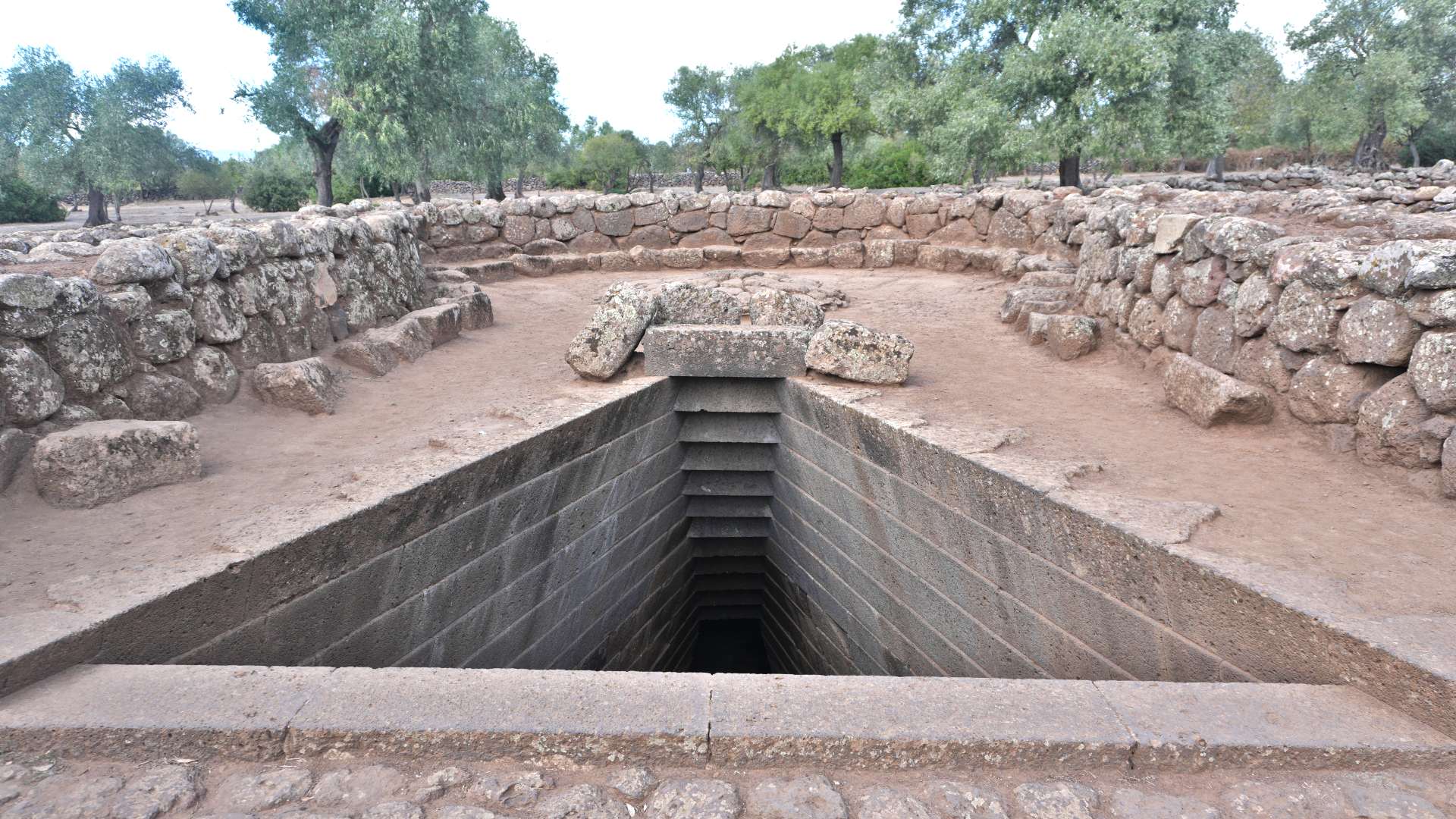
Our first major stop is the sacred well of Santa Cristina, a beautifully preserved Nuragic water temple whose precise, stair-lined chamber opens to the sky. Here your archaeologist-guide explains how water, light, and stars shaped ritual in the Nuragic world.
We continue through farming country to Santu Antine, one of Sardinia’s most imposing nuraghi, its central tower and surrounding bastions rising from the plain. As we walk through its stairways, corridors, and inner courts, you see how these towers watched over land and routes, and how daily life was lived within their walls.
A relaxed country lunch along the way introduces more of central Sardinia’s flavors, with simple dishes made from local produce and wines. In the late afternoon, we arrive in Alghero on the northwest coast, where medieval walls, Catalan-Gothic churches, and a palm-lined seafront give the town its own character.
Meals: B, L, D
Overnight: Alghero
After breakfast, our local guide leads a walking tour of Alghero’s old town, where medieval walls and Catalan-Gothic churches look out over the bay. As you follow narrow cobbled streets between coral-jewelry shops, small piazzas, and sea-battered bastions, you hear how Catalan sailors, Aragonese rulers, and local Sardinians shaped this corner of the island.
The rest of the day is yours to enjoy Alghero at your own pace. You might stroll along the walls and watch the light change on the water, wander the lanes in search of boutiques and cafés, or head to a nearby beach for a seafood lunch.
We can help arrange optional experiences such as a coastal boat excursion to sea caves and cliffs, or a hands-on Sardinian cooking class.
Meals: B
Overnight: Alghero
After breakfast, we leave Alghero and head north to our second Domus de Janas site, the necropolis of Anghelu Ruju.
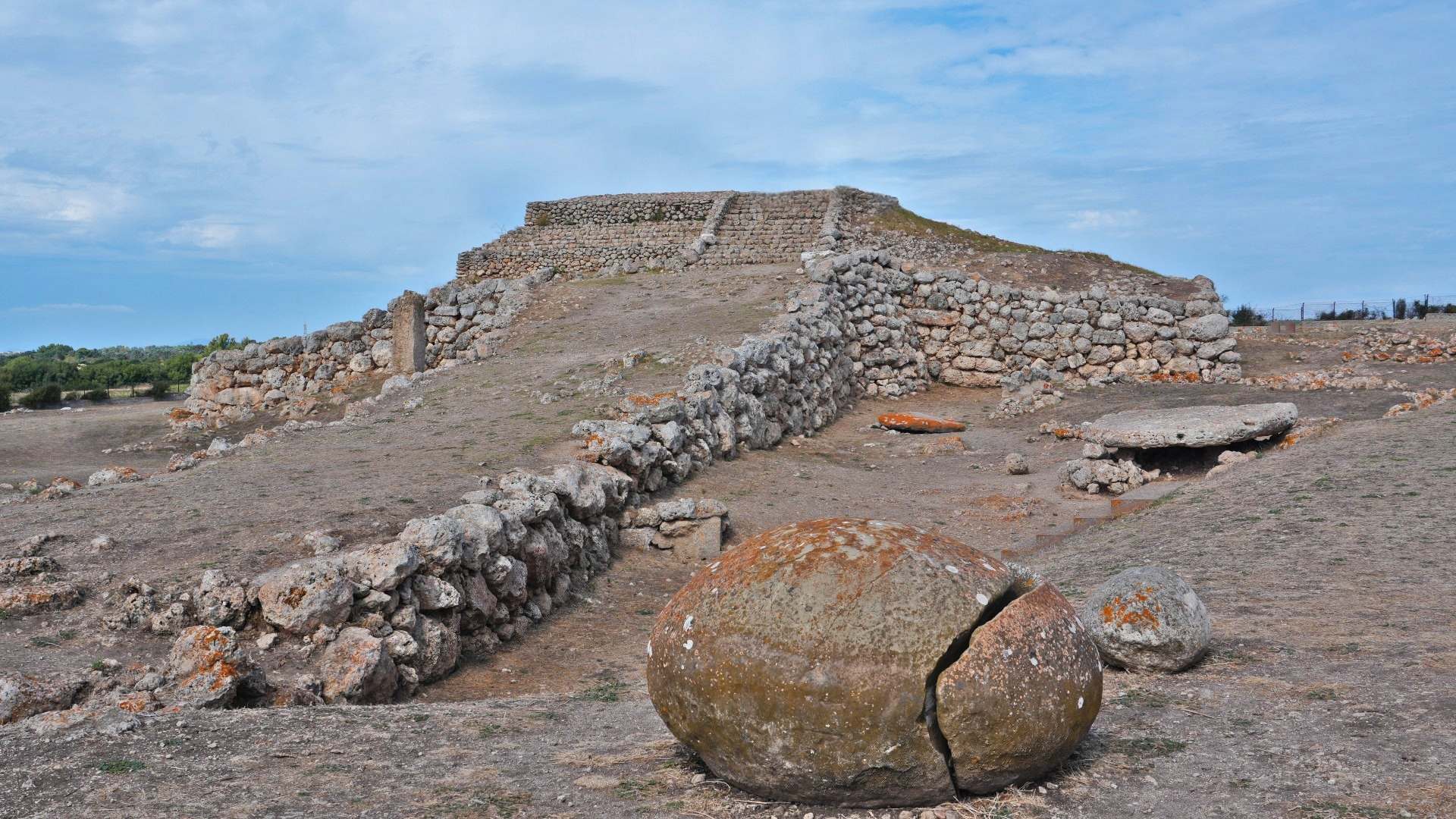
We then continue to Monte d’Accoddi, a prehistoric monument often likened to a small stepped pyramid or “Sardinian ziggurat”, standing alone among fields. Your archaeologist-guide explains what is known, and still debated, about its function and the communities who built it. What we do know is that it is one of the oldest buildings in the world.
In Sassari, we visit the Museo Sanna to see its Nuragic collections and the finds from Monte d’Accoddi.
In the afternoon, we drive east into Gallura, a region of granite outcrops, vineyards, and scattered farmsteads, and stop at a local wine estate to taste native varietals such as Vermentino and Cannonau and to hear how this land shapes Sardinia’s wines today.
By late afternoon, we reach Olbia, on the northeast coast, where we settle into our hotel and share dinner in a local restaurant.
Meals: B, L, D
Overnight: Olbia
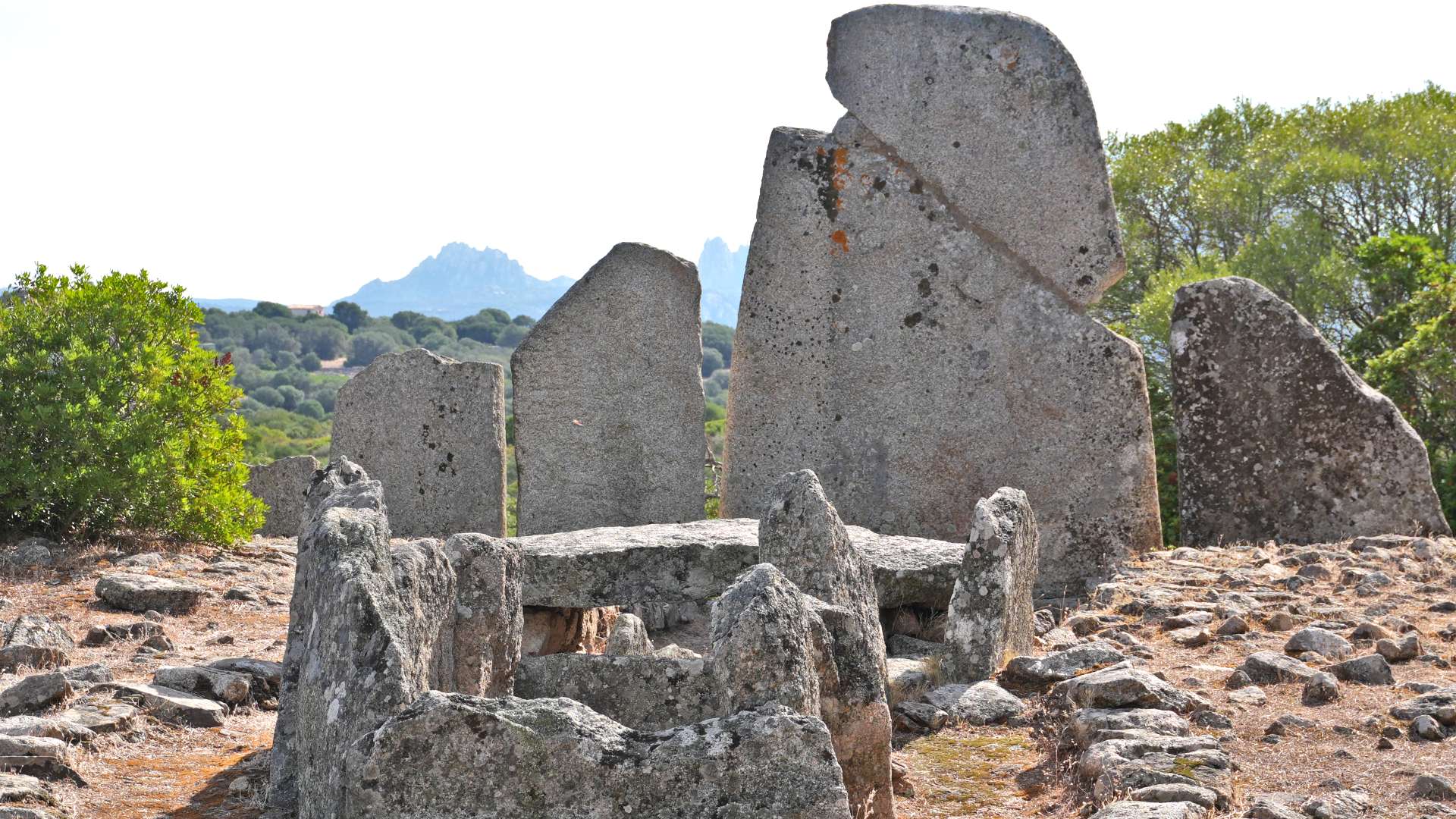
After breakfast, we set out into the low granite hills around Arzachena, a landscape of vineyards, scrub, and great pale boulders. Our first visits are to the Giants’ Tombs of Coddu Vecchiu and Li Lolghi, among the finest and best-preserved of the hundreds of “Tombe dei Giganti” across Sardinia.
These great communal graves, with their long stone corridors and curving forecourts, were built by the Nuragic people for collective burials and ancestor rites. They are among the clearest evidence of Nuragic beliefs about death and community, and together with the nuraghi, they are among the strongest symbols of Sardinian identity.
We stop in Arzachena for a lunch of Gallura cuisine, perhaps hearty soups thick with local grains and vegetables, pecorino, and simple sweets, paired with regional wines.
In the afternoon, we continue to Nuraghe La Prisgiona, where a central tower and surrounding village huts sit among fields and terraces. Here you can connect the world of the tombs to the everyday life of the people who built them.
Nearby, we visit the sacred well of Sa Testa, where stone steps lead down to its water chamber.
By late afternoon, we return to Olbia for a farewell dinner of Sardinian dishes and wines.
Meals: B, L, D
Overnight: Olbia
If you’d like to stay on in Sardinia, we’re happy to help with your plans. If you’d like to continue to Corsica, our Sardinia and Corsica tour takes the ferry from Santa Teresa Gallura to Bonifacio on Day 10. We hope to see you on tour with us again soon!
Meals: B
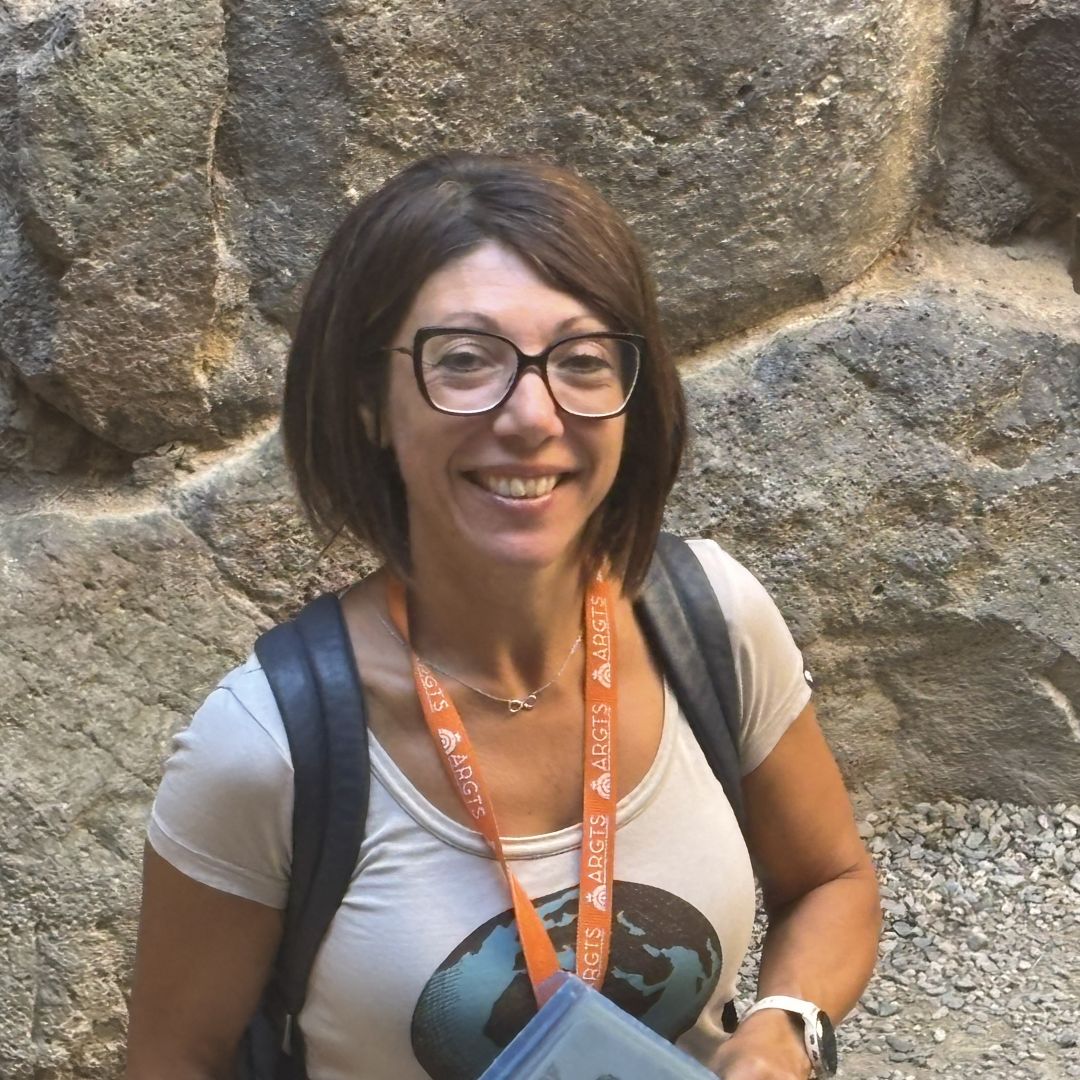
Dottoressa Sedda is a specialist in the prehistory of Sardinia, with an M.A. in Classics and Archaeology and a postgraduate specialization in Archaeology, both from the University of Cagliari.
Laura has excavated at prehistoric sites across the island, including the Neolithic village of Su Coddu in Selargius, near Cagliari, and three nuraghi: Nuraghe Su Mulinu, Villanovafranca; Nuraghe Sa Reggia, Burgos; and Nuraghe Asusa, Isili.
She still practices archaeology, carries out archaeological surveys for the government, and has been an accredited tour guide since 2010.

An extremely engaging tour guide who’s extremely knowledgeable and can answer all questions of the history of the region. This is a tour you want to go on if you love history
From start to finish, Laura was a wonderful ‘host’ giving us insights into the culture & history of the areas we drove through and visited. Never did we feel rushed or given time limits at each stop, and we really appreciated her knowledge & enthusiasm. An exceptional tour guide who exceeded our expectations – highly recommended for an insightful and personalized experience!
Laura was a wonderful guide, showing us some of the highlights of the capital of Sardinia. She shared her knowledge of the city’s history and archaeology.
Our tours are physically active! Clambering around archaeological sites, nuraghi, and fortresses is an essential part of the Take Me To Europe tour experience, and stairs are everywhere in Europe! On our Sardinia tour, you will need to be able to:
Carry/roll your luggage over uneven pavement (possibly several blocks) and up stairways to reach your hotel.
Be on your feet, walking and standing, for up to three hours, indoors and outdoors, in all weather conditions.
Navigate cities on your own after orientation and transportation lessons.
🏛️Sardinia and Corsica Tour: Civilizations of the Tyrrhenian Sea
Free 16-page guide
Written by archaeologists. Submerged Roman villas, underground cities and abandoned Greek quarries –, with maps, access details and what to see at each.
One email a week. Unsubscribe anytime.