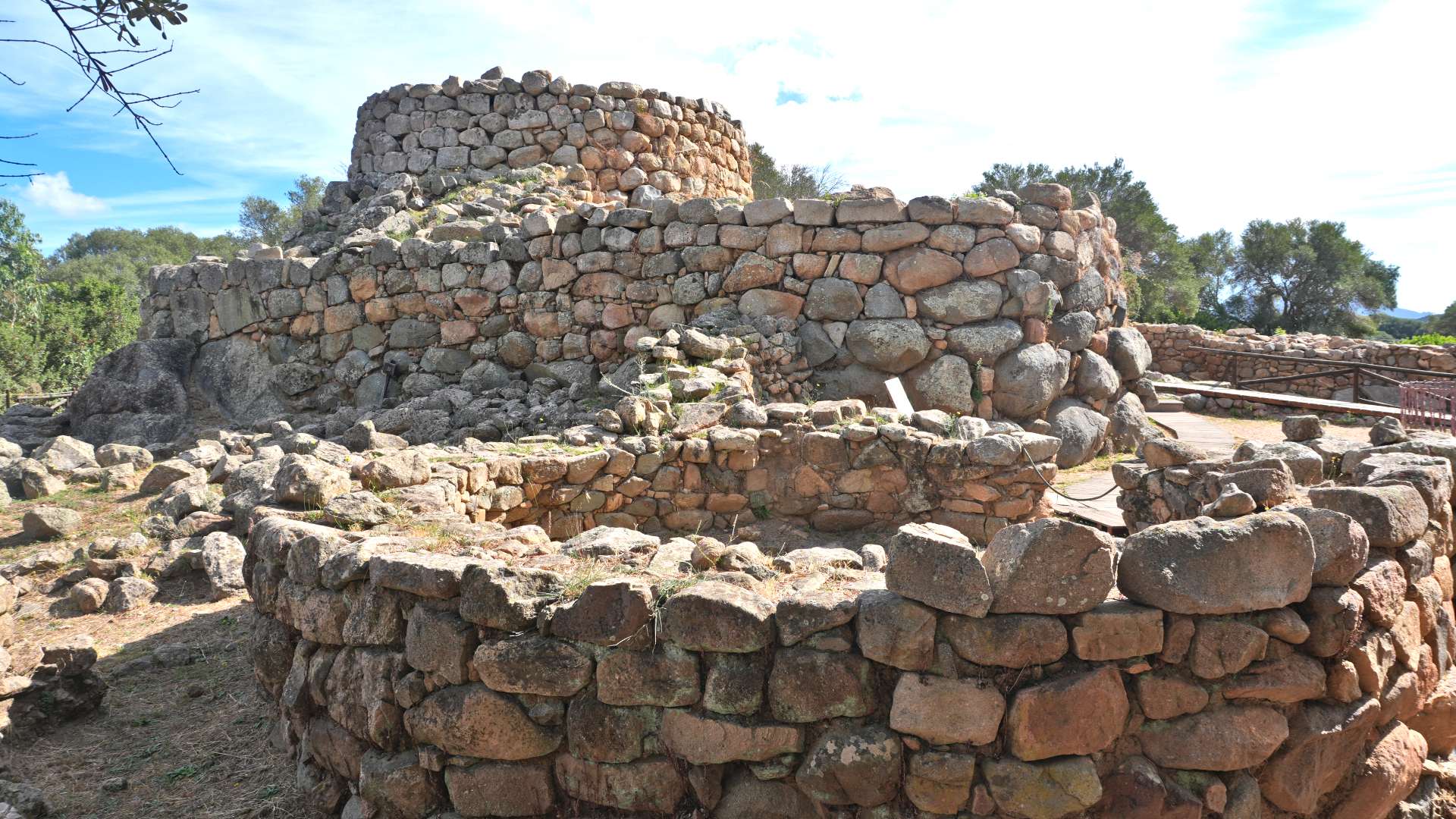
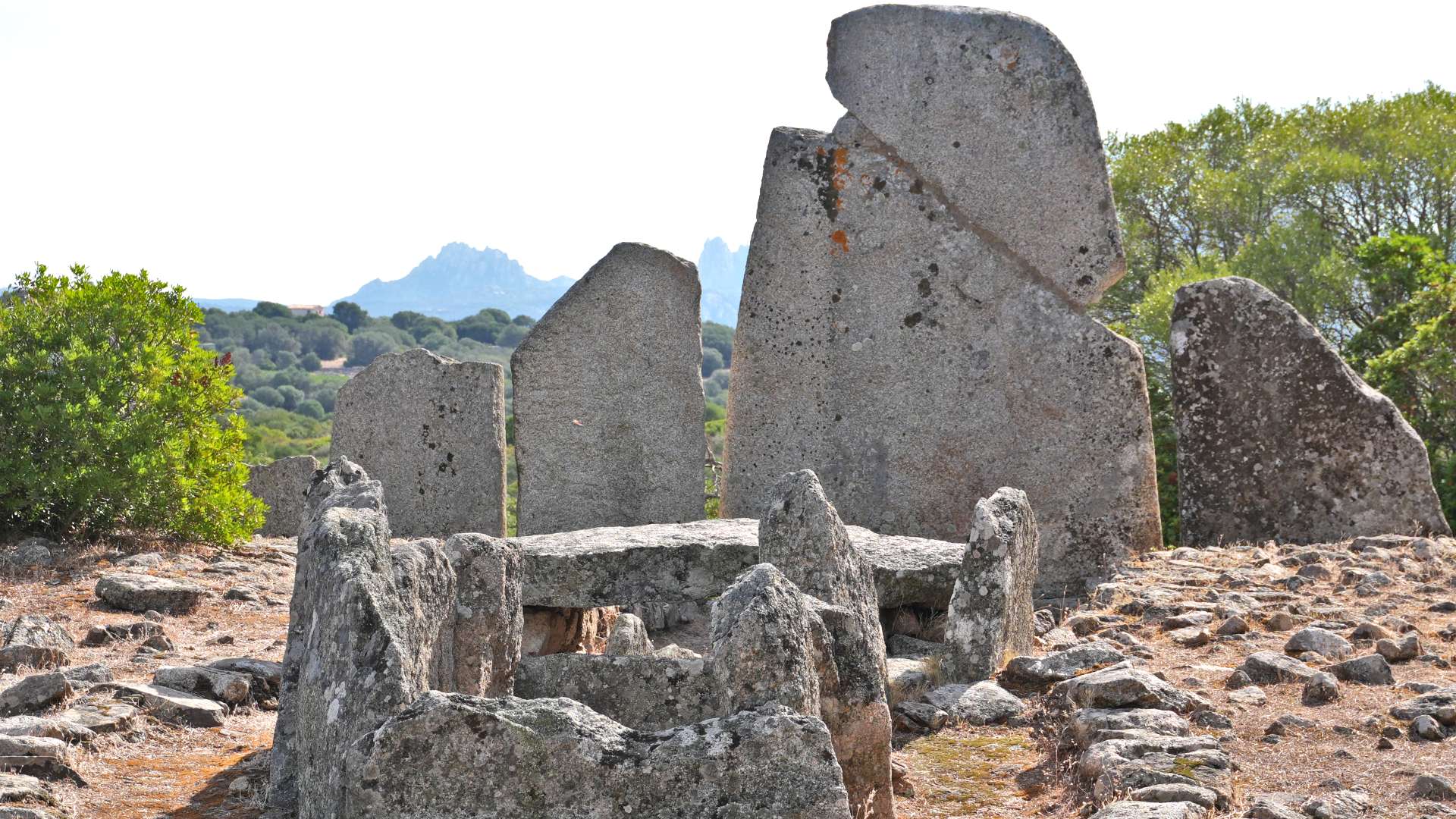
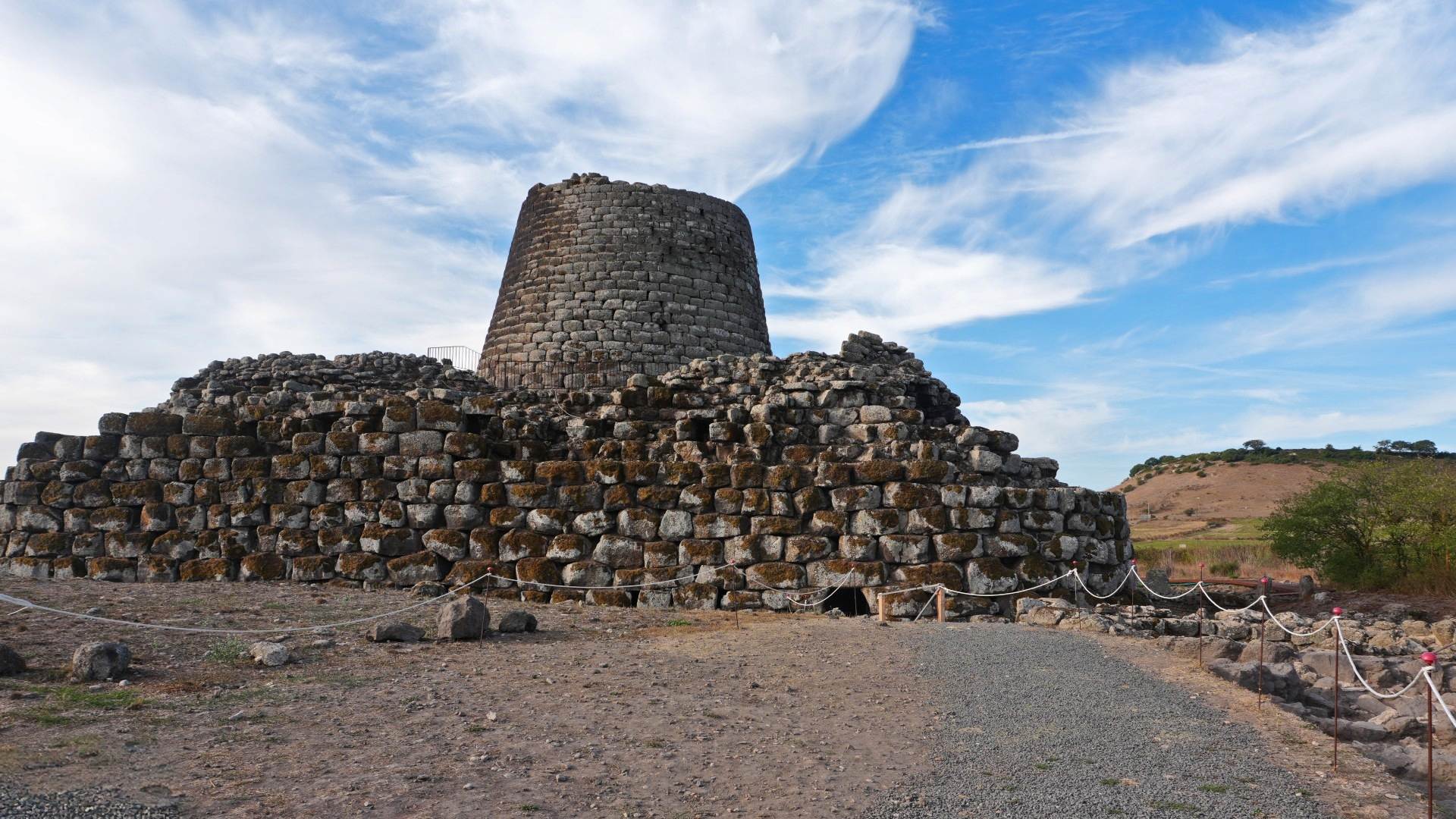
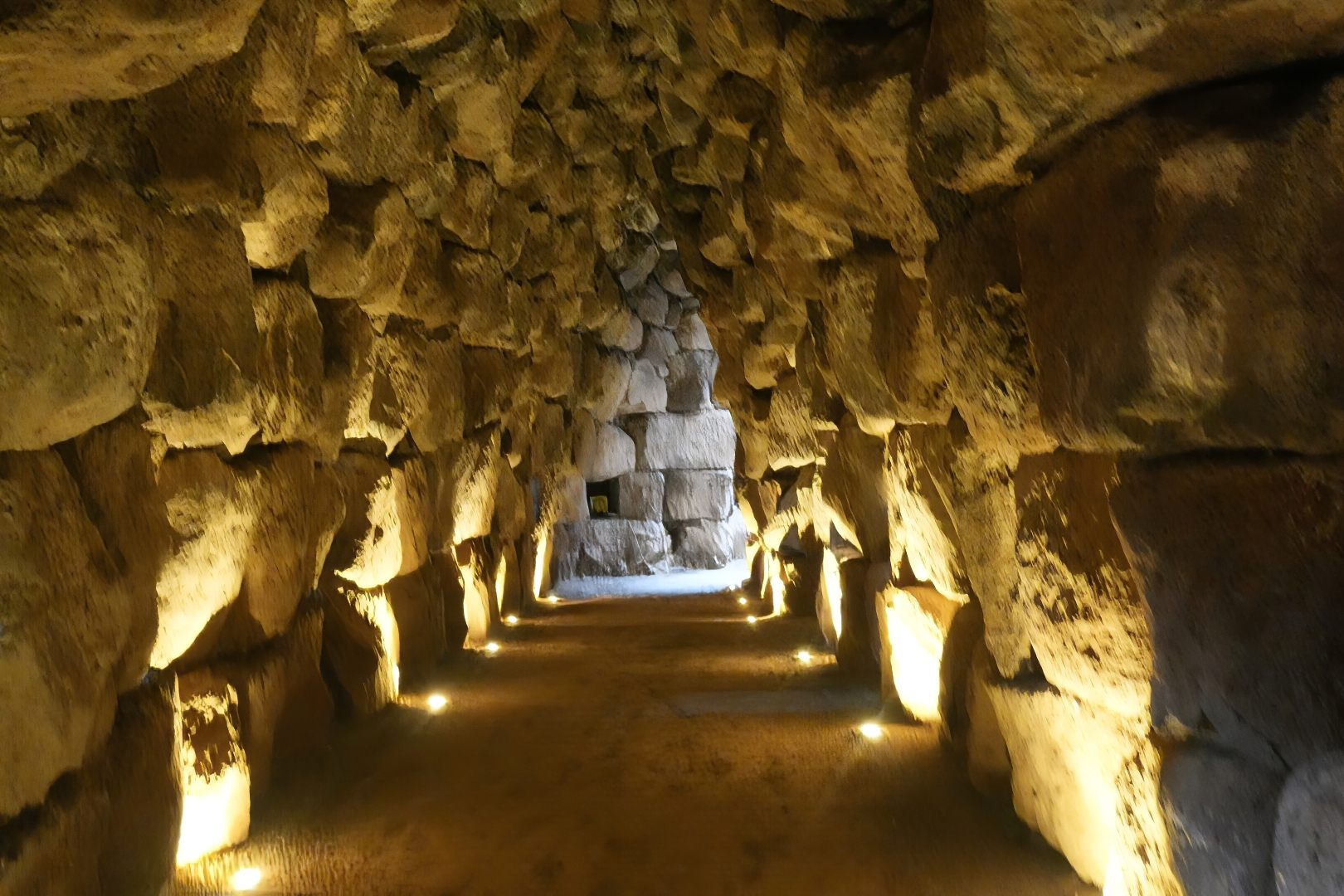
Twenty thousand years ago, Sardinia and Corsica were a single island. The sea has risen between them, and people have been crossing it ever since. Bronze Age builders raised stone towers on both sides of the strait, and every power that sailed the Tyrrhenian, from the Phoenicians and Greeks to Rome and Genoa, came for one island or both. On Day 10, we cross that strait by ferry, the same crossing Corsica’s first settlers made eleven thousand years ago.
Join our expert-led Sardinia and Corsica archaeology and history tour and follow two islands that have shared one sea for thousands of years. We begin in Cagliari and travel north through Sardinia to Olbia, then cross by ferry from Santa Teresa Gallura to Bonifacio and continue north through Corsica to Bastia.
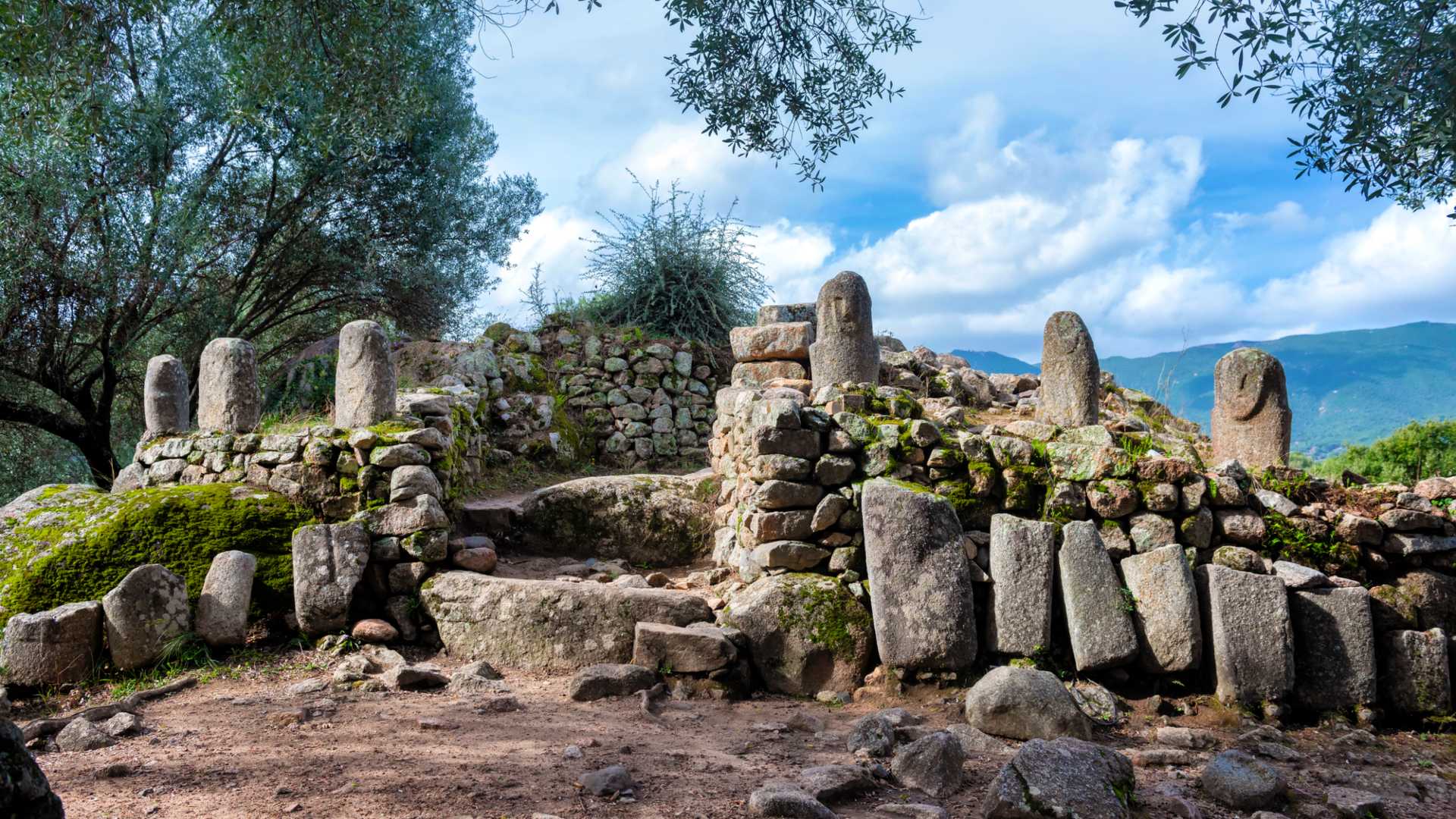
During the last Ice Age, when sea levels were lower, Sardinia and Corsica were joined as a single landmass, and they have shared much of their history ever since. Corsica’s first people came from Sardinia, and Neolithic traders carried Sardinian obsidian north. In the Bronze Age, the islands followed related but distinct paths: the Nuragic civilization in Sardinia, with its towers, Giants’ Tombs, and sacred wells, and in southern Corsica, the Torrean towers and the warrior statue-menhirs of Filitosa, carved from standing stones first raised in the Neolithic.
The Tyrrhenian takes its name from Tyrrhenoi, the Greek name for the Etruscans, and Phoenicians, Greeks, Etruscans, Carthaginians, and Romans all settled or fought along these coasts. Rome governed both islands as a single province, Sardinia et Corsica, and in the Middle Ages, Pisa, Genoa, and Aragon fought over them both.
In Sardinia, your archaeologist-guide is Dottoressa Laura Sedda, a specialist in the island’s prehistory. In southern Corsica, it is Dr. Kewin Pêche-Quilichini, whose research covers the Bronze Age societies of both Corsica and Sardinia.
Should you have any questions about this tour, please don’t hesitate to get in touch with our team.
We travel from south to north through both islands, from the Neolithic and the Bronze Age to Phoenician, Greek, Roman and medieval times.
You see Su Nuraxi, Tharros, Mont’e Prama and Filitosa, and sites many tours miss, such as the Giants’ Tombs of Li Lolghi and Coddu Vecchiu and the fortified Bronze Age settlement of Casteddu di Cuntorba.
Our local archaeologists explain each site in plain language, with plenty of time for your questions.
Free afternoons in Cagliari, Alghero and Bastia let you explore at your own pace.
With no more than 12 guests, conversation comes easily over meals and a glass of wine, and we take care of every detail, including the crossing between the islands.
No prior knowledge of archaeology or history is needed. Just make sure you pack your curiosity.

Our tour begins in Cagliari, the island’s southern capital, where pastel façades, domes and bastions rise above the harbor. After settling into our elegant hotel in the historic center, you meet your tour leader and fellow travelers for informal introductions. In the evening, we enjoy our first Sardinian dinner together, tasting regional dishes and wines.
Meals: D
Overnight: Cagliari
We set out on a guided walking tour of Cagliari’s Castello district, the hilltop quarter where medieval walls, baroque churches and quiet stone lanes look out over the harbor. Your guide explains how Phoenician, Roman, Pisan, Aragonese and Savoy rulers left their mark on this rocky promontory.
At the National Archaeological Museum, we see Nuragic bronzes and finds from the Phoenician, Punic and Roman sites we visit later. Here too is the Nora Stone, a Phoenician inscription of about 800 BC that many scholars read as the earliest written mention of Sardinia’s name.
We stop in the lower town for a light lunch of local specialties. The afternoon is free to wander Cagliari’s arcades and cafés, stroll along the marina or watch the city go by.
Meals: B, L, D
Overnight: Cagliari
We follow the coast road south to Nora, an ancient city on a promontory, where waves break just beyond its Roman mosaics and temple steps. With a harbor on each side, ships could come and go here whatever the wind. Our archaeologist-guide leads us through its streets and baths and tells the stories of the Phoenician sailors, Punic merchants and Roman citizens who lived here.
In the nearby coastal town of Pula, a local cook teaches us to make culurgiones and another traditional pasta shape, plus seadas, a Sardinian dessert, before we enjoy what we’ve made with an aperitivo, wine and local liqueurs.
Back in Cagliari, we visit the Roman Amphitheater and the Necropolis of Bonaria, carved into the city’s hillside. The evening is free to walk along the waterfront and have a drink as the harbor lights come on.
Meals: B, L
Overnight: Cagliari
We drive inland through rolling fields, low hills and grazing flocks to Pimentel and its Domus de Janas of S’Acqua Salida-Pranu Efis, rock-cut tombs of about 3200 to 2000 BC, where carved bulls’ heads still mark some walls.
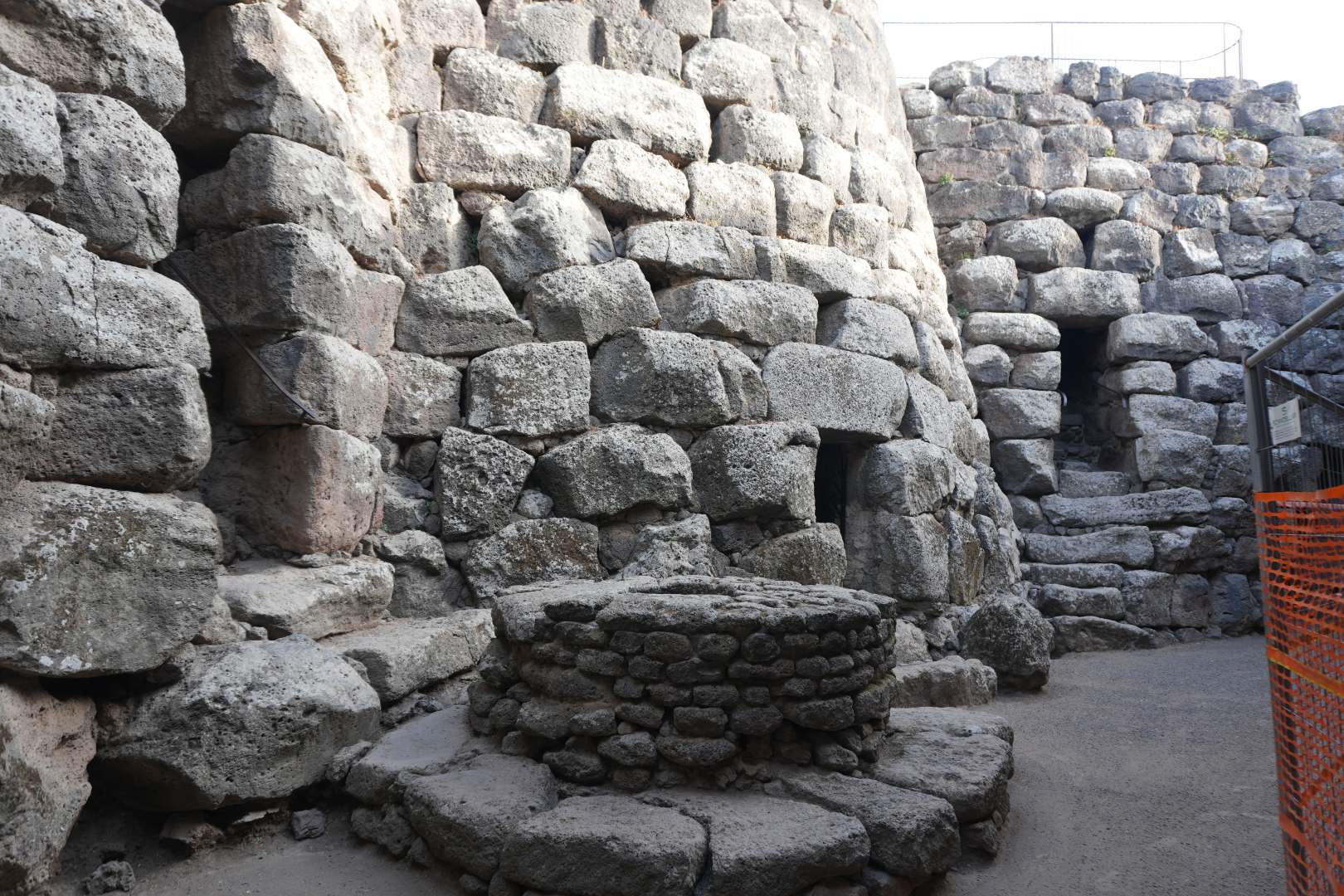
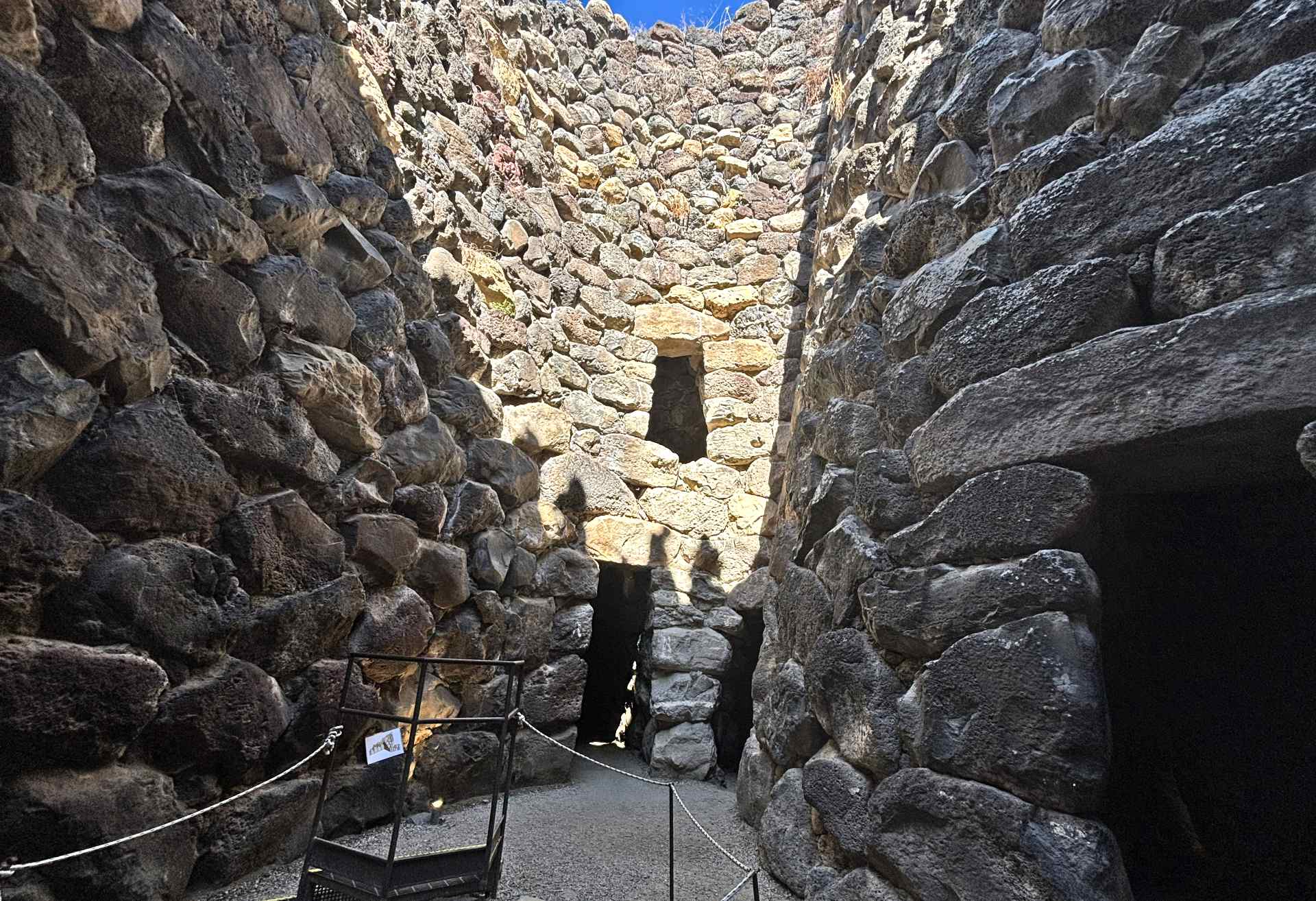
At Su Nuraxi di Barumini, Sardinia’s most important nuraghe and a UNESCO World Heritage site, a central tower once over 18 meters high rises above a village of stone huts. With our archaeologist-guide, we walk and climb through its narrow passages and beehive-like chambers. Nearby Casa Zapata is a Spanish palazzo hiding a Nuragic village.
Lunch is at a family-run agriturismo, with dishes rooted in Sardinia’s pastoral traditions and regional wines. In the afternoon, we travel on to Oristano, a welcoming town on the western plain, for dinner together.
Meals: B, L, D
Overnight: Oristano
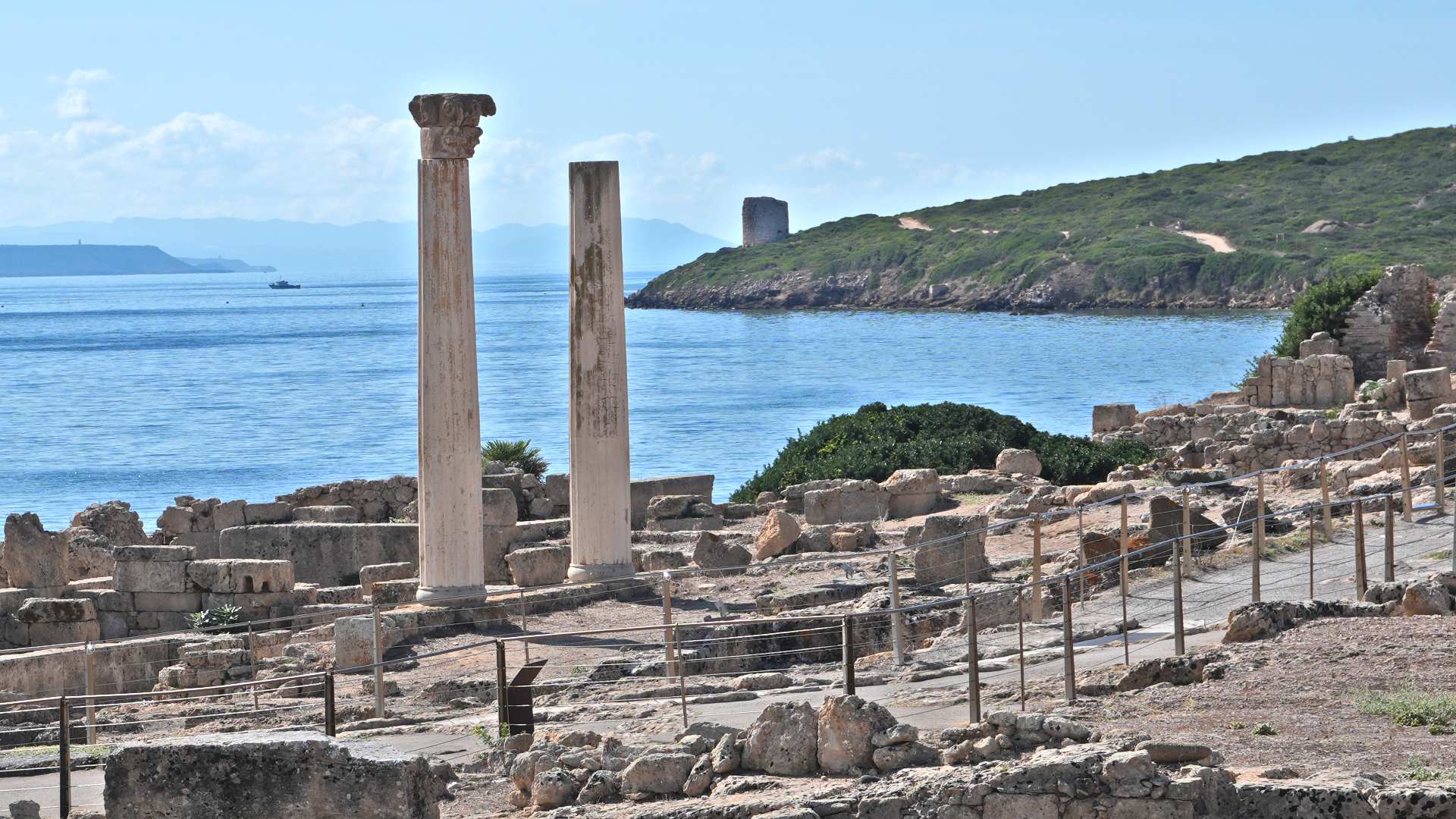
We drive across the western plain to the Sinis Peninsula. At Tharros, founded by the Phoenicians in the 8th century BC on a narrow spit of land, our archaeologist-guide leads us along streets, temples, baths and fortifications, with waves breaking just beyond the ruins.
We continue to the small sanctuary village of San Salvatore and its hypogeum, where early Christians worshiped in underground chambers carved into much older rock.
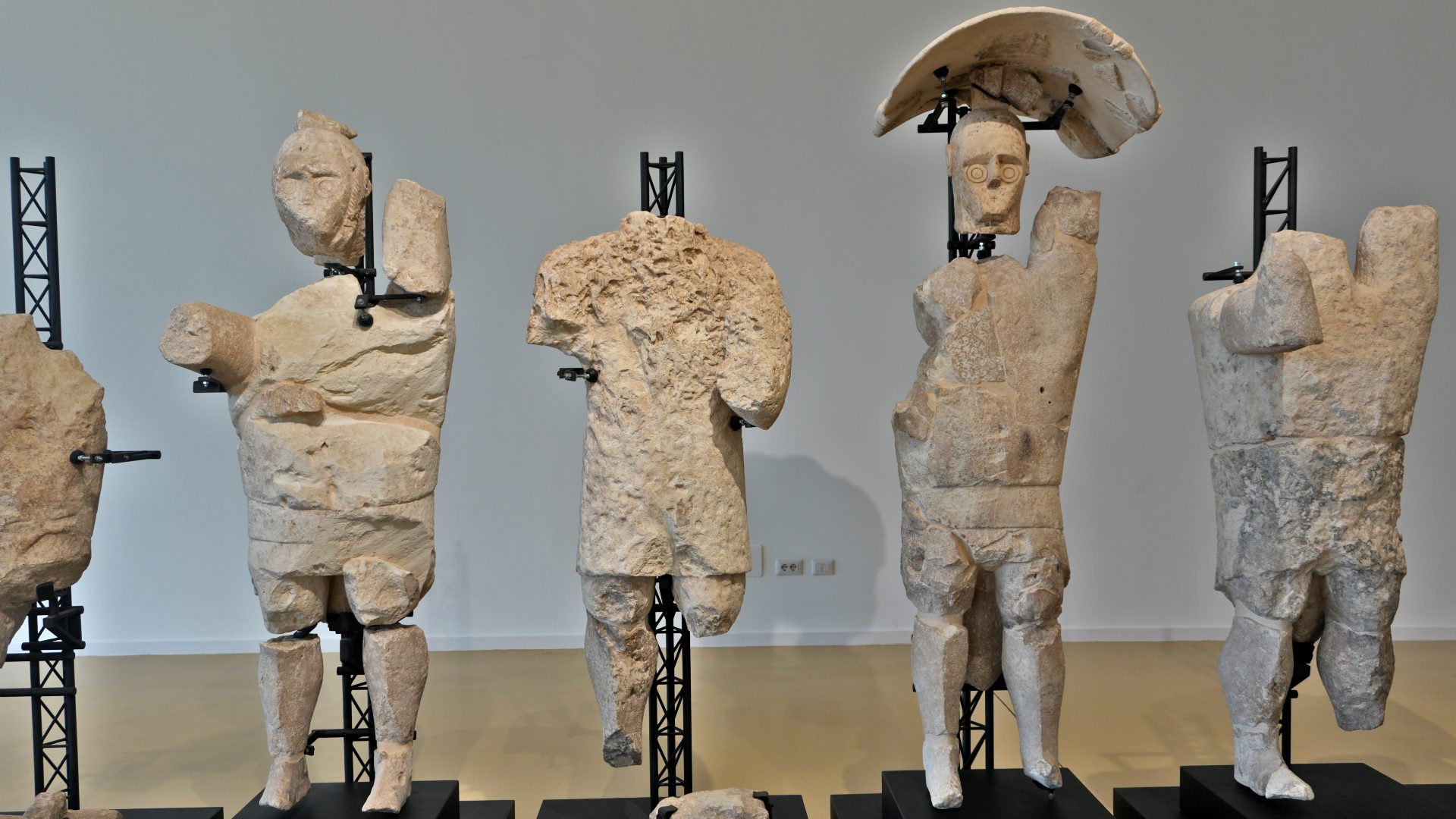
At the Cabras Museum, we meet the Giants of Mont’e Prama, larger-than-life statues of warriors, archers and boxers. A farmer’s plow struck the first fragments in 1974. Later, there is time for a stroll in Oristano’s historic center, and the evening is free to dine at your leisure, with suggestions from your guide.
Meals: B, L
Overnight: Oristano
We head north into the island’s interior through pastureland, cork-oak woods and small stone villages, stopping for an espresso in a village bar.
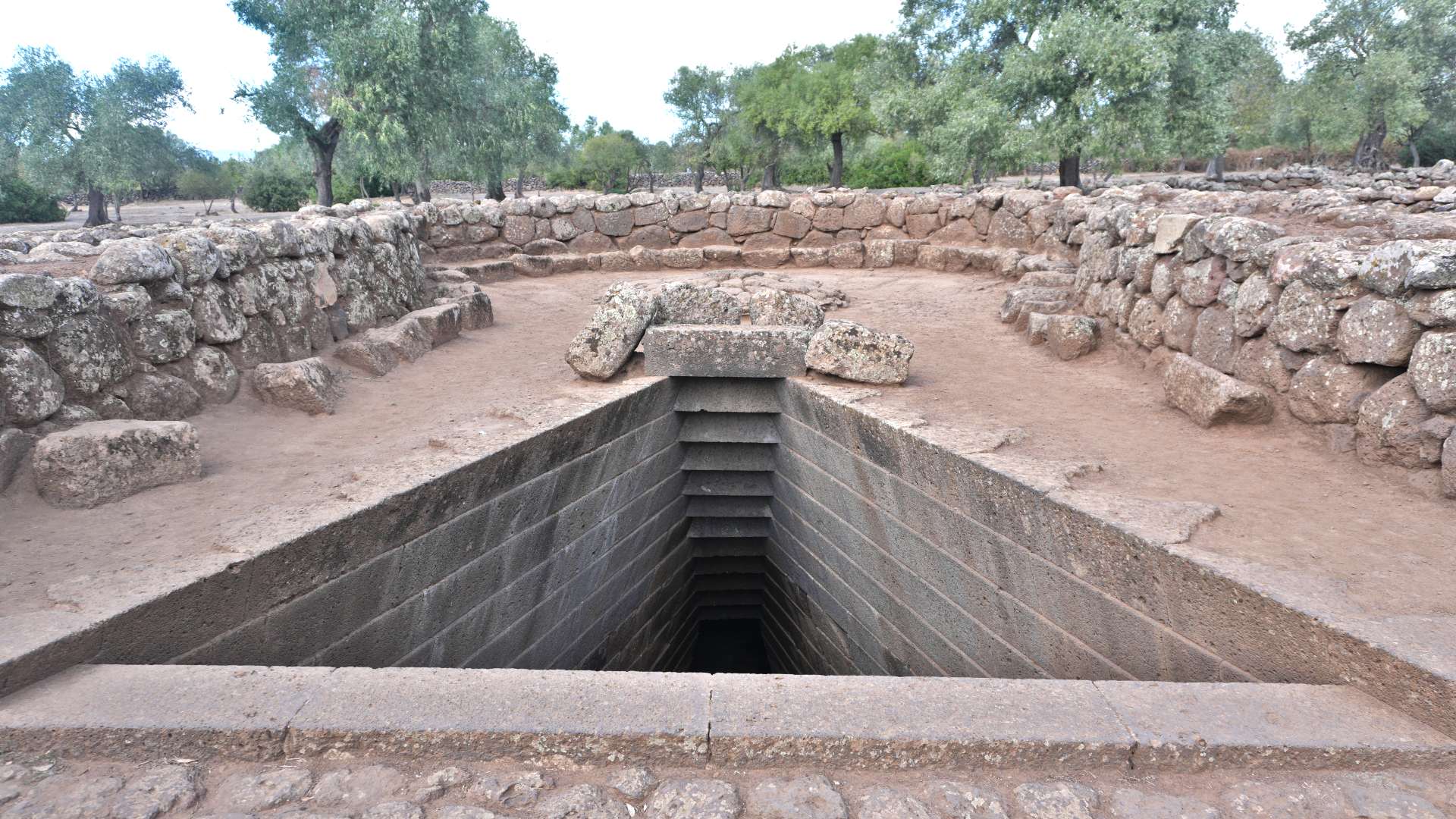
At the sacred well of Santa Cristina, a beautifully preserved Nuragic water temple, a precise stone stairway leads down to a chamber open to the sky. Your archaeologist-guide explains how water, light and stars shaped ritual in the Nuragic world.
Santu Antine is one of Sardinia’s most imposing nuraghi. Its central tower still stands about 17 meters high and once rose to more than 23, and its stairways, corridors and inner courts show how daily life was lived within its walls. After a relaxed country lunch, we arrive in Alghero, where medieval walls, Catalan-Gothic churches and a palm-lined seafront give the town its own character.
Meals: B, L, D
Overnight: Alghero
Our local guide leads a walking tour of Alghero’s old town, where medieval walls and Catalan-Gothic churches look out over the bay. Catalan settlers arrived in the 14th century, and some families here still speak their own form of Catalan.
The rest of the day is yours. You might stroll along the walls and watch the light change on the water, or head to a nearby beach for a seafood lunch. We can help arrange optional experiences such as a coastal boat excursion to nearby sea caves and cliffs.
Meals: B
Overnight: Alghero
We head north to our second Domus de Janas site, the necropolis of Anghelu Ruju, whose 38 rock-cut tombs are part of a UNESCO World Heritage site listed in 2025.
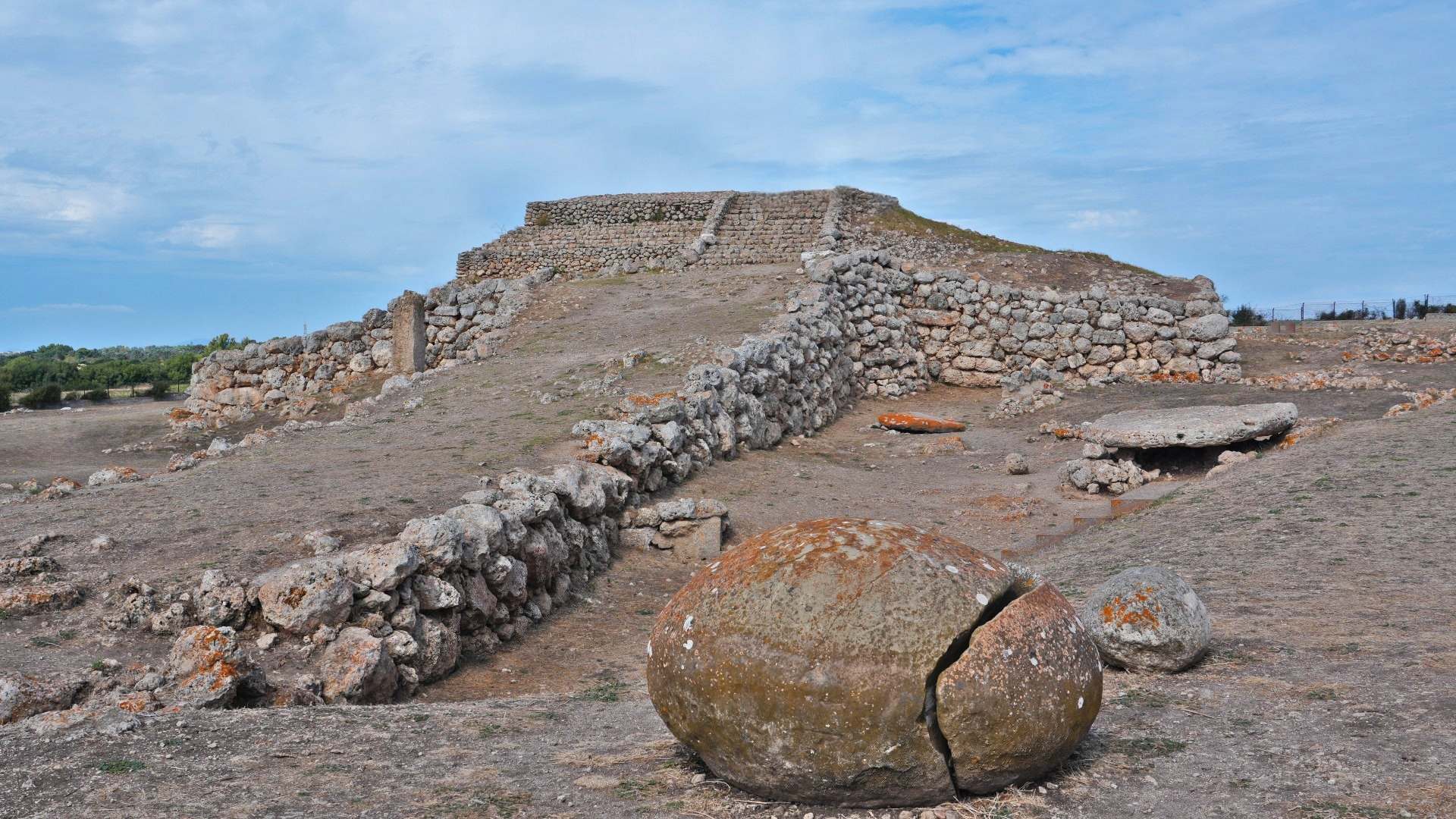
Monte d’Accoddi, often likened to a small, stepped pyramid or “Sardinian ziggurat,” stands alone among fields. Its first platform dates to around 4000 to 3650 BC, and it has no close parallel anywhere in Europe. Your archaeologist-guide explains what is known, and still debated, about its function. In Sassari, the Museo Sanna holds its finds and fine Nuragic collections.
In Gallura, a region of granite outcrops and vineyards, we taste native varietals at a local wine estate, then reach Olbia for dinner together.
Meals: B, L, D
Overnight: Olbia
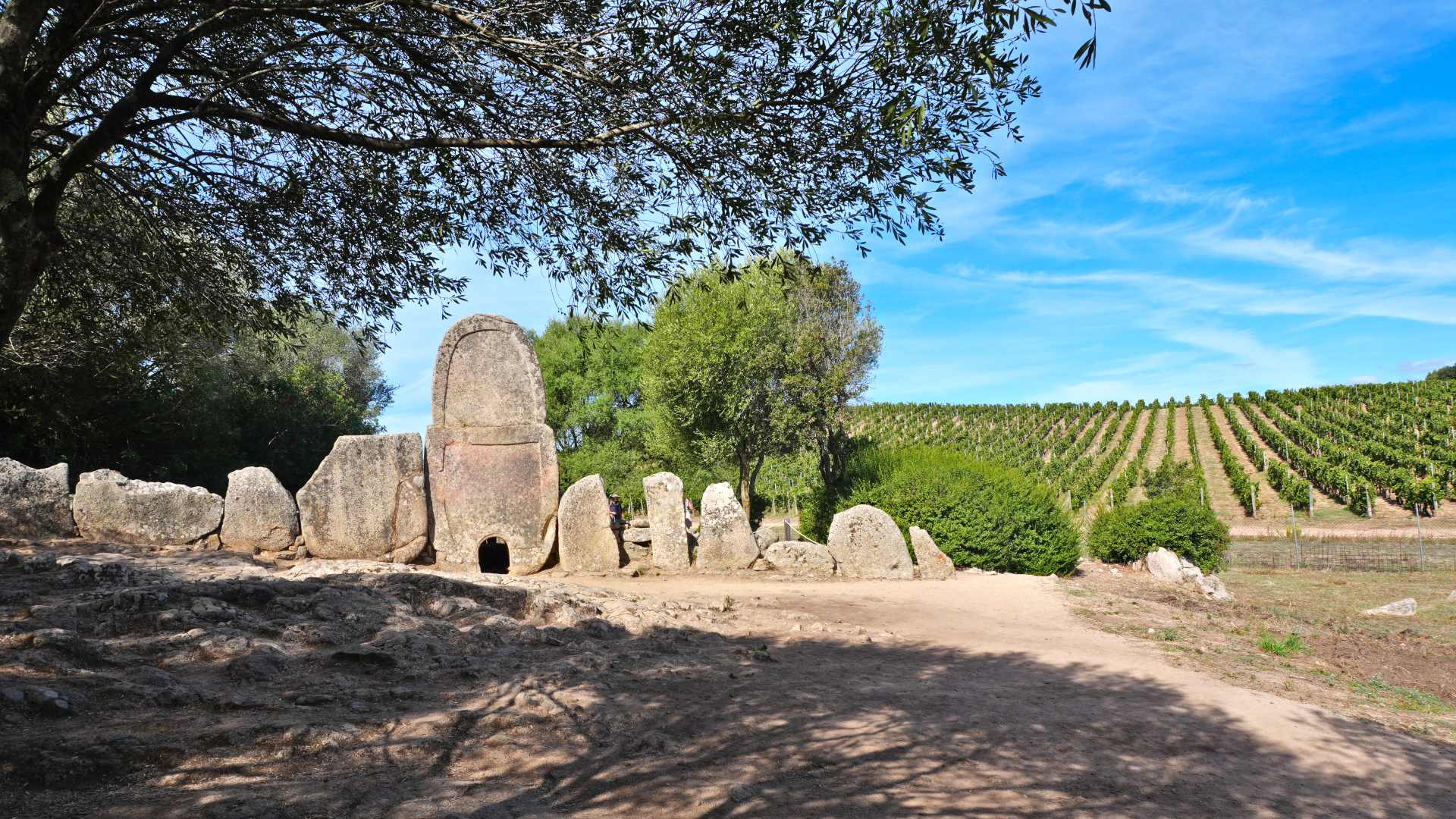
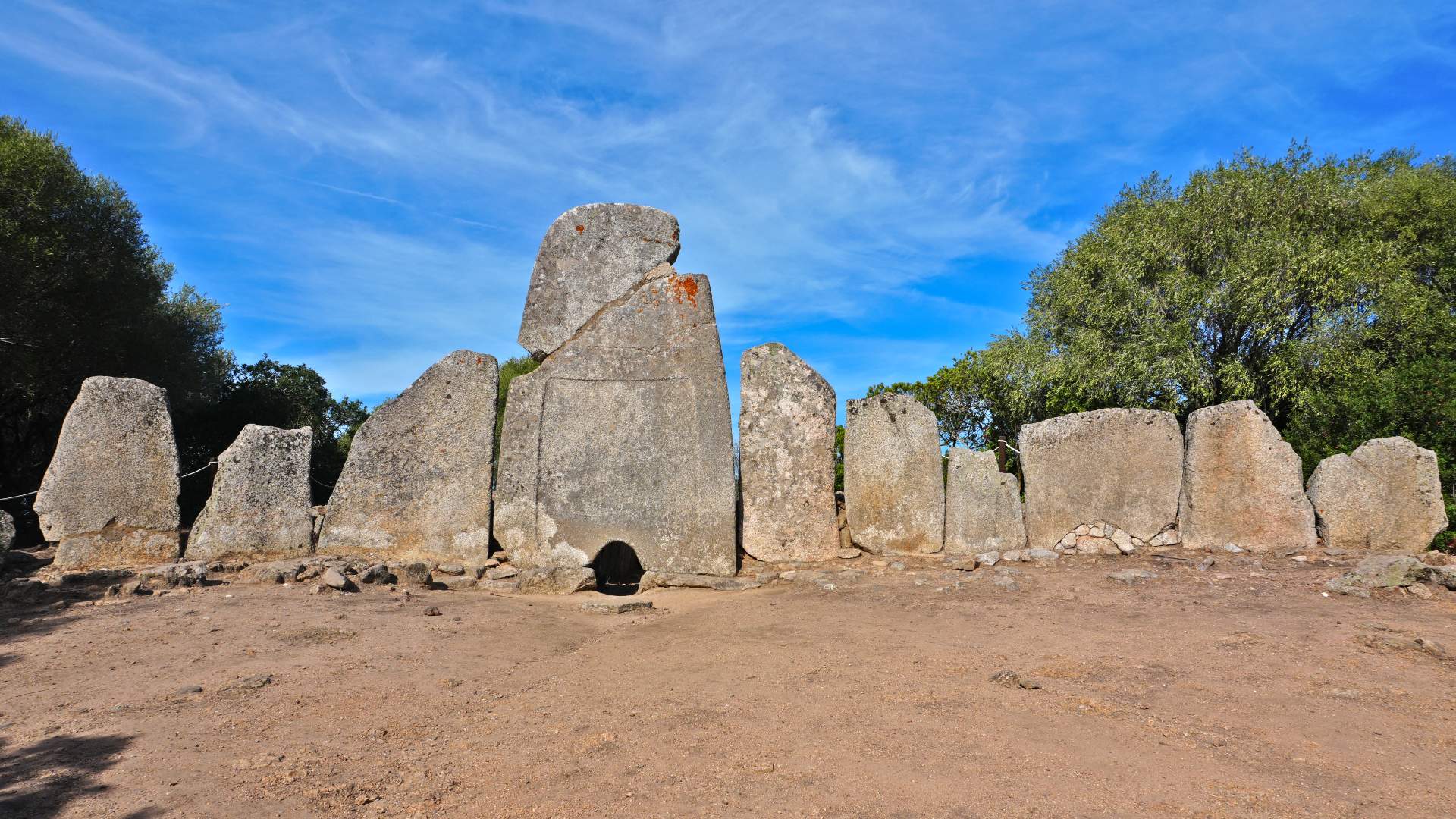
In the low granite hills around Arzachena, we visit the Giants’ Tombs of Coddu Vecchiu and Li Lolghi, among the finest of the hundreds across Sardinia. The Nuragic people built these communal graves for collective burials and ancestor rites, and the carved central stone at Coddu Vecchiu stands about 4 meters high. With the nuraghi, they are among the strongest symbols of Sardinian identity.
After a lunch of Gallura cuisine, we continue to Nuraghe La Prisgiona, where a central tower and village huts sit among fields, linking the world of the tombs to the everyday life of the people who built them. Nearby, stone steps lead down to the water chamber of the sacred well of Sa Testa. We return to Olbia for our last dinner in Sardinia.
Meals: B, L, D
Overnight: Olbia
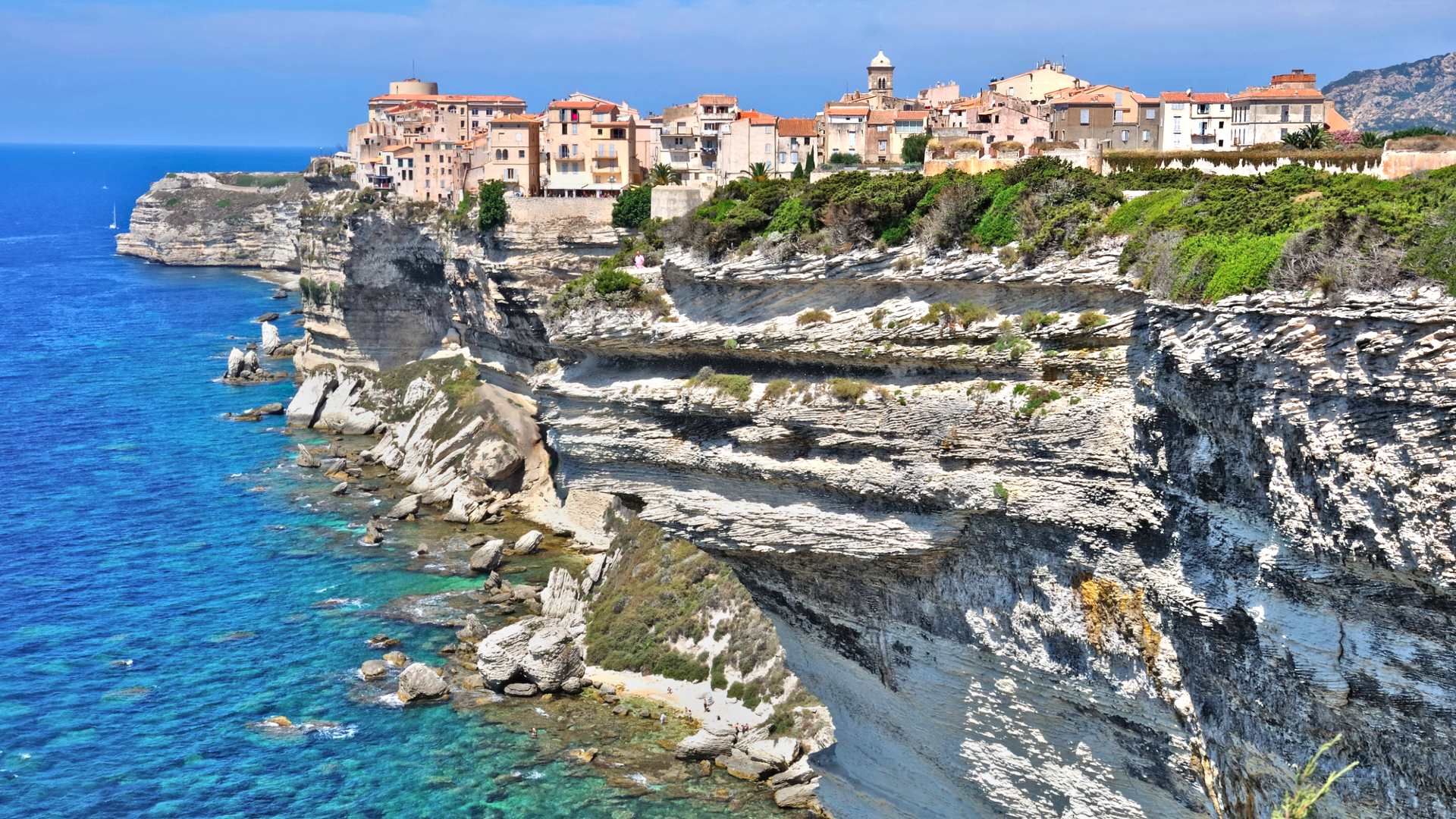
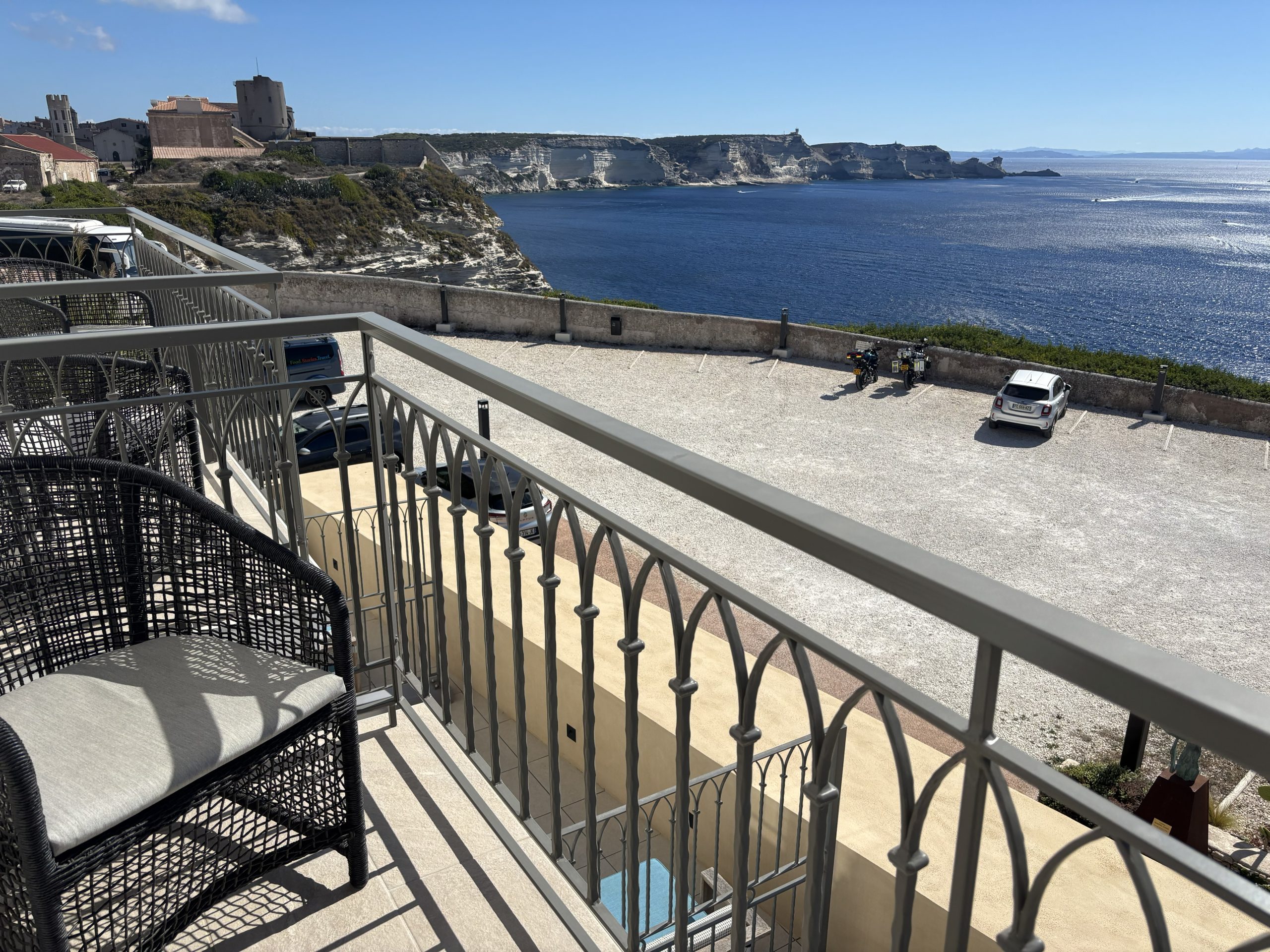
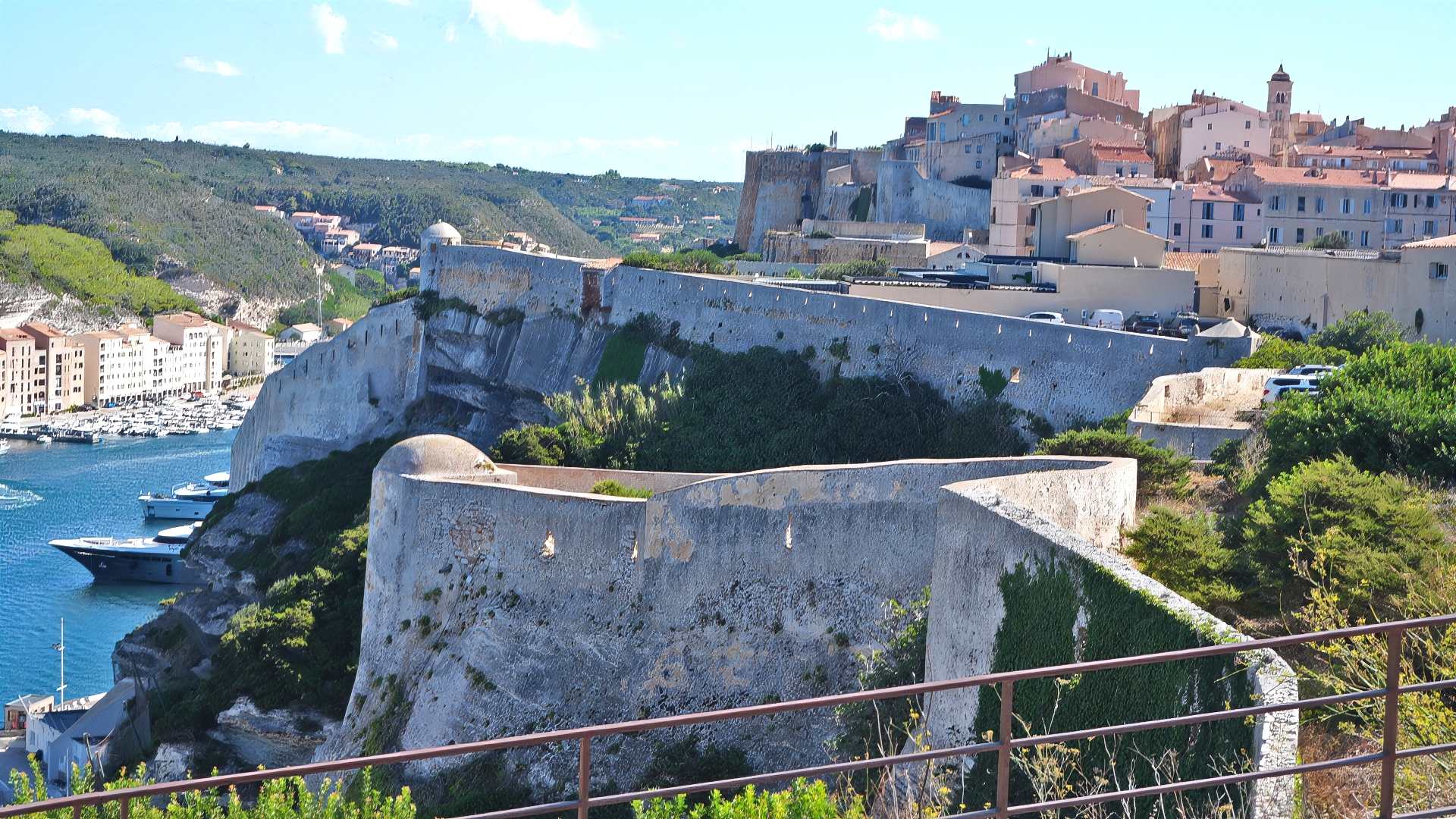
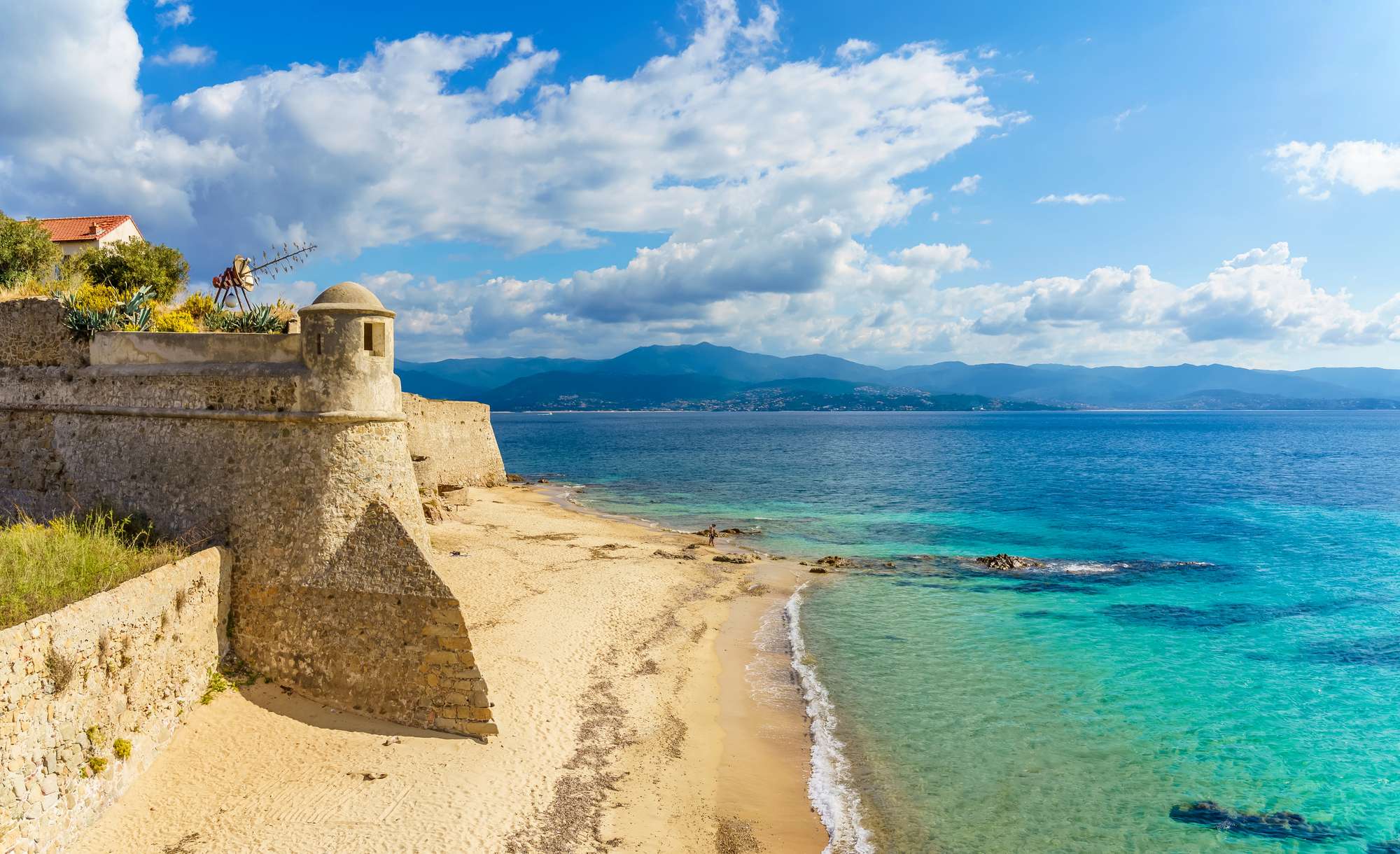
After our last breakfast together in Sardinia, we travel north through Gallura to the port of Santa Teresa Gallura and board the ferry to Corsica. After an hour at sea, we sail into the harbor of Bonifacio, the medieval city on the white limestone cliffs of southern Corsica, and transfer to our centrally located hotel.
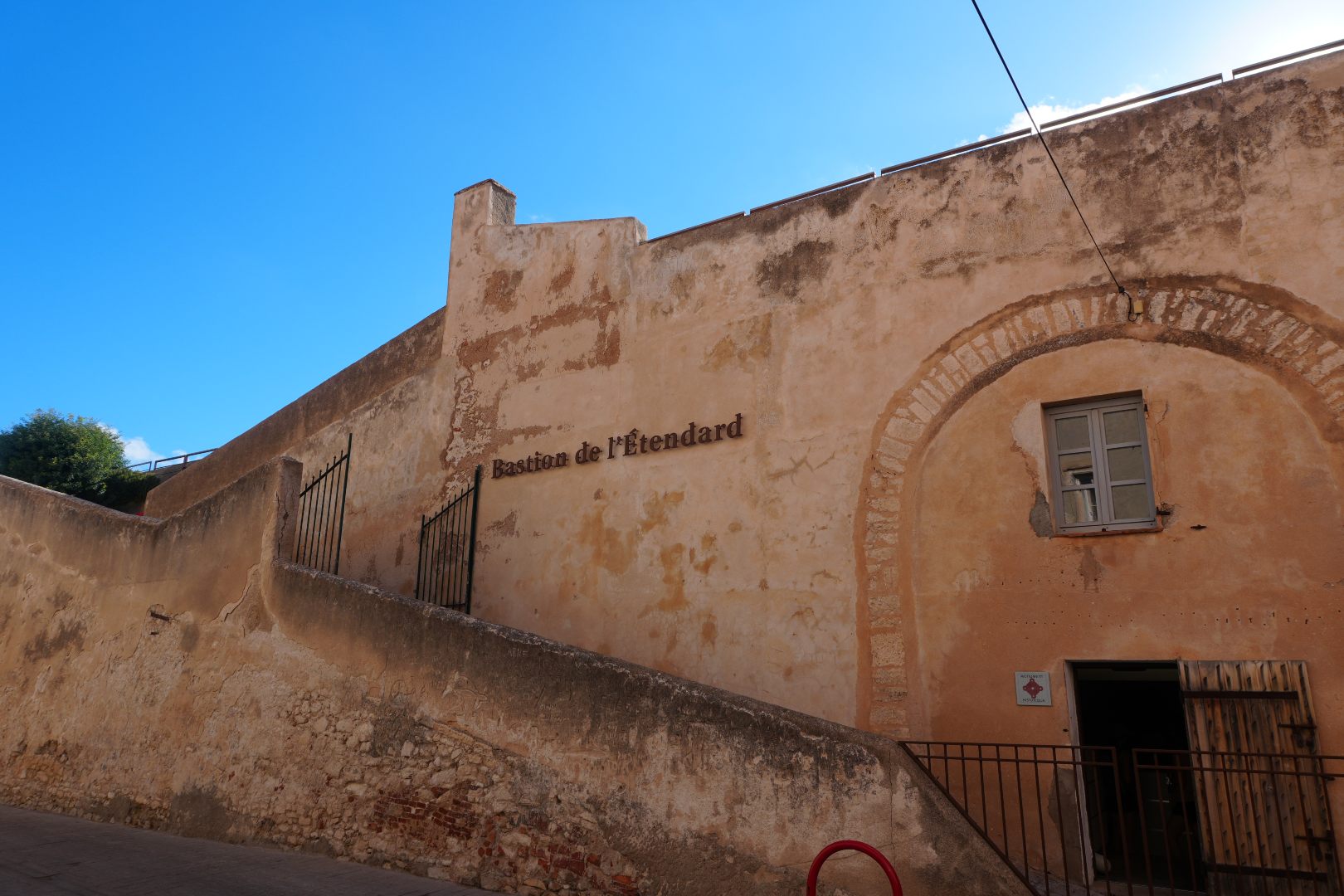
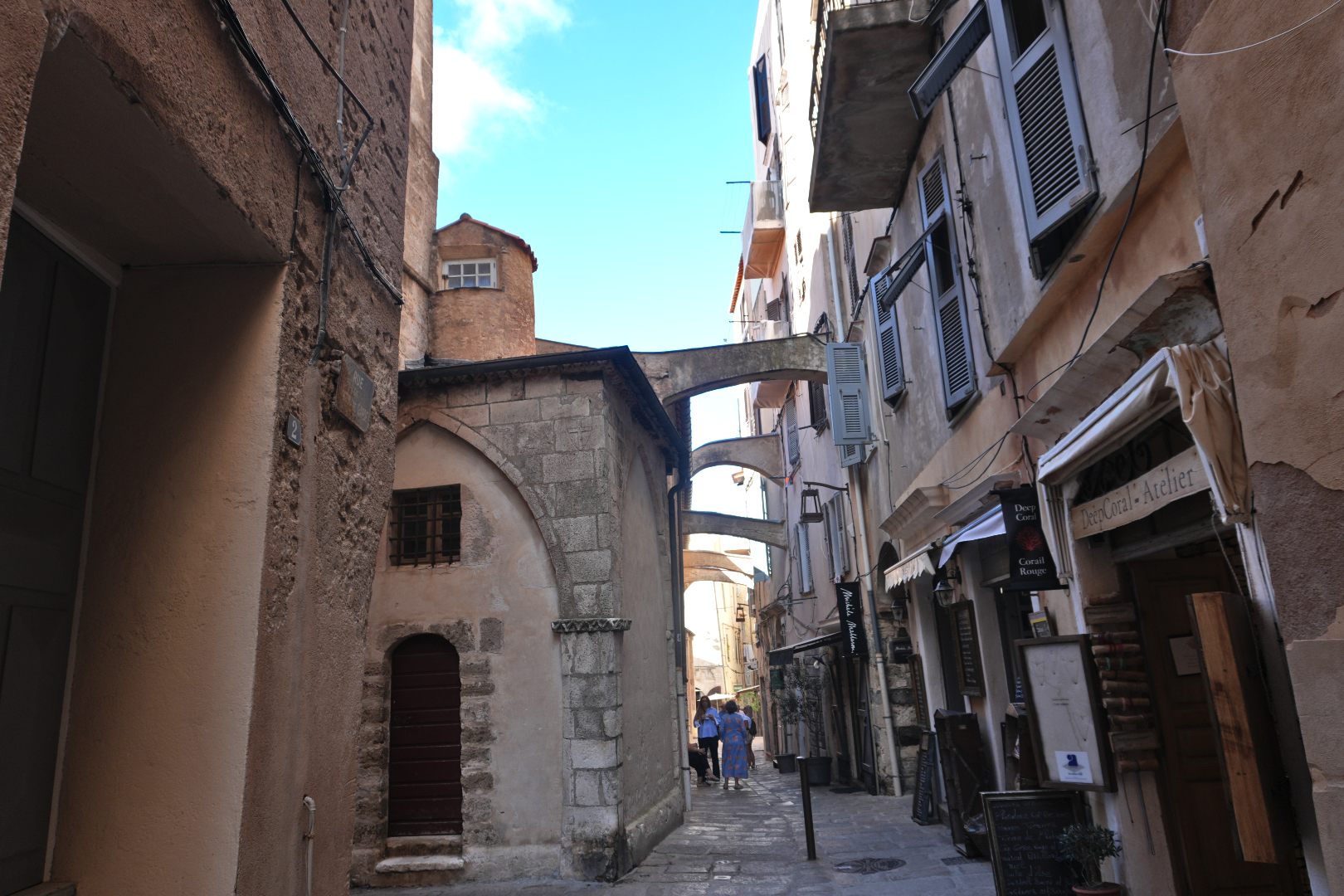
In the late afternoon, our tour leader leads us on a walking tour beside the Genoese defensive fortifications and through the narrow cobblestone alleys of the historic citadel. Genoa took Bonifacio in 1195 and held it for nearly six centuries as its first stronghold on the island.
We stop for a dinner of seasonal southern Corsican dishes and local wine.
Meals: B, D
Overnight: Bonifacio
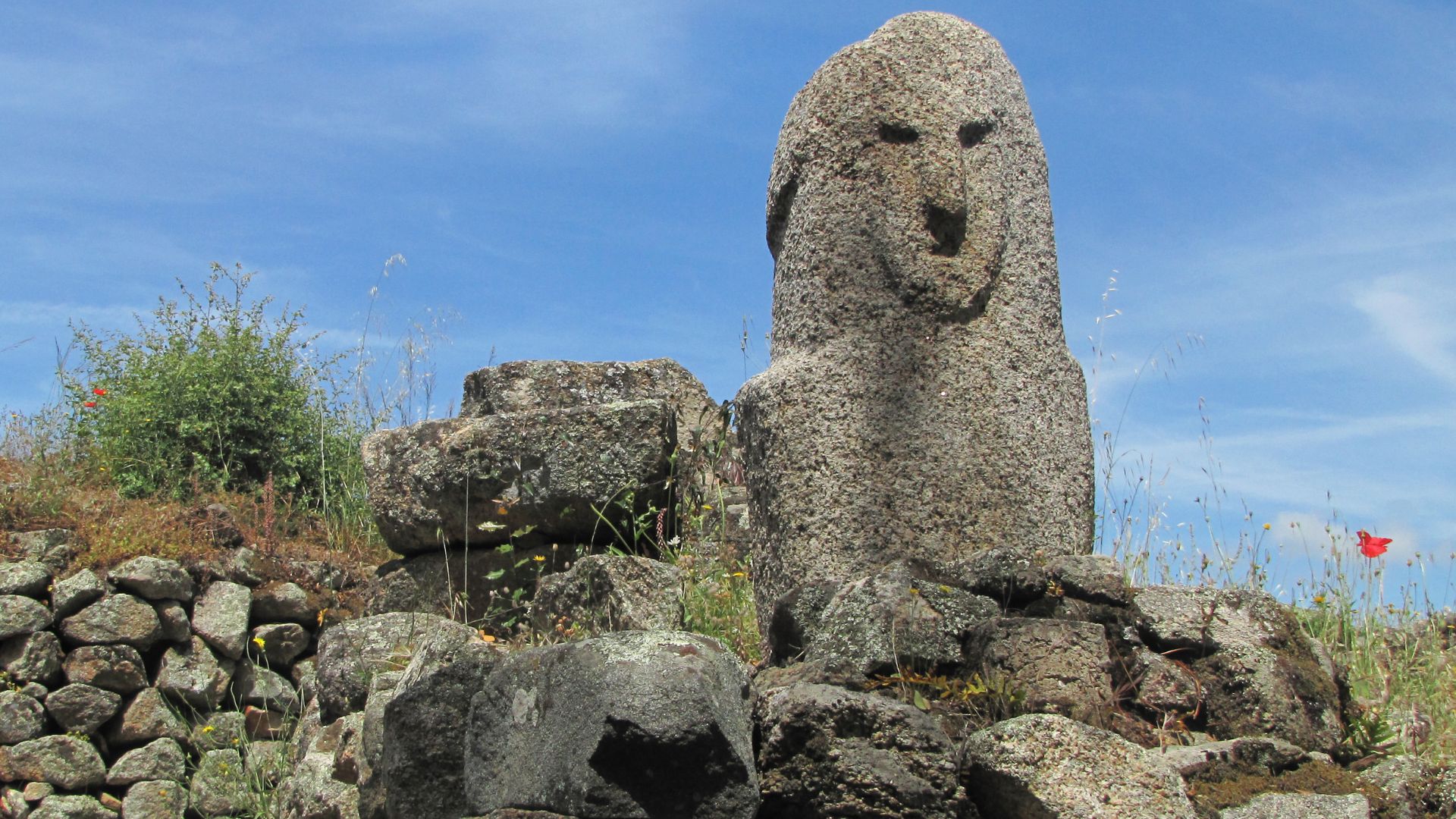
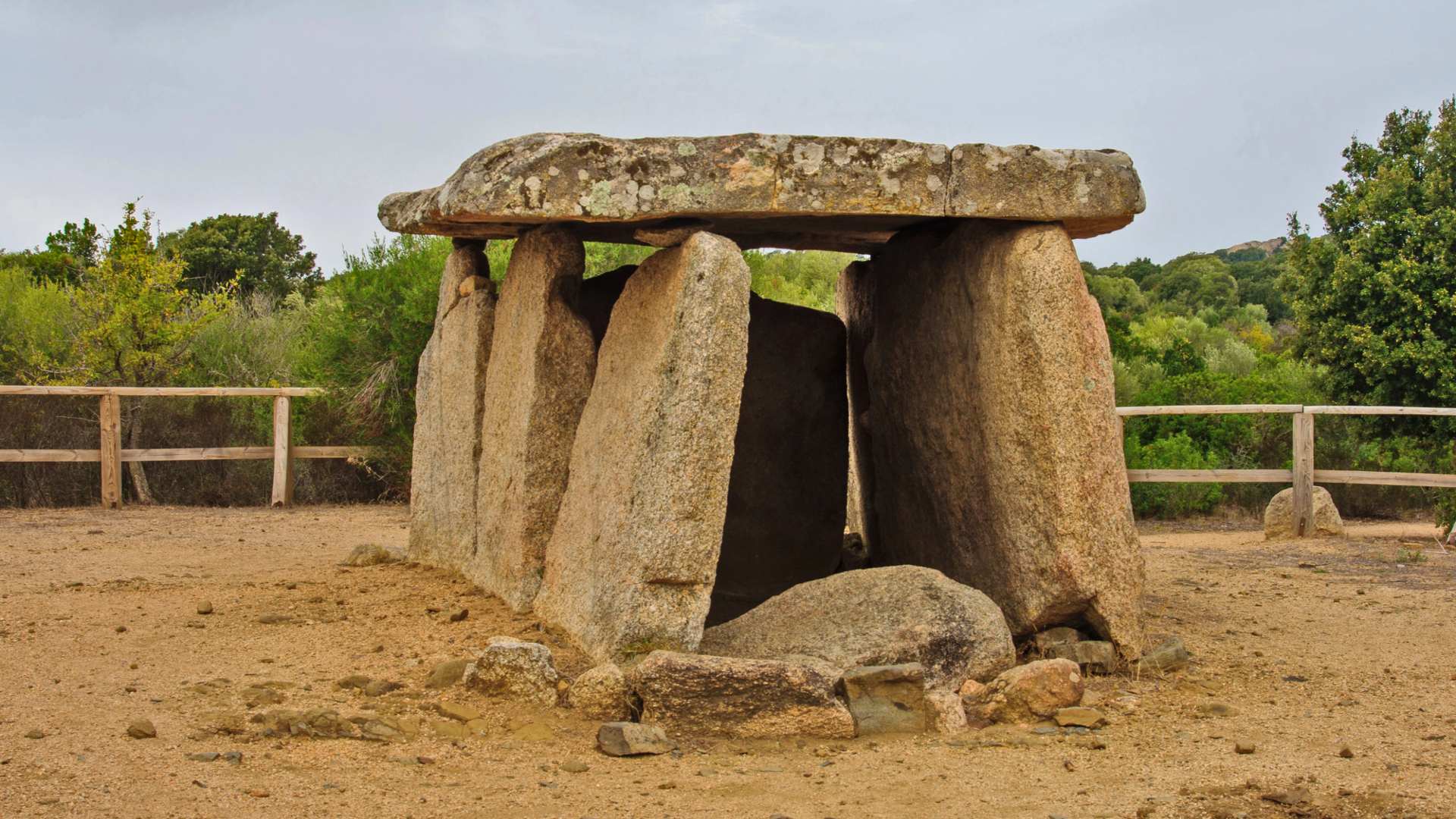
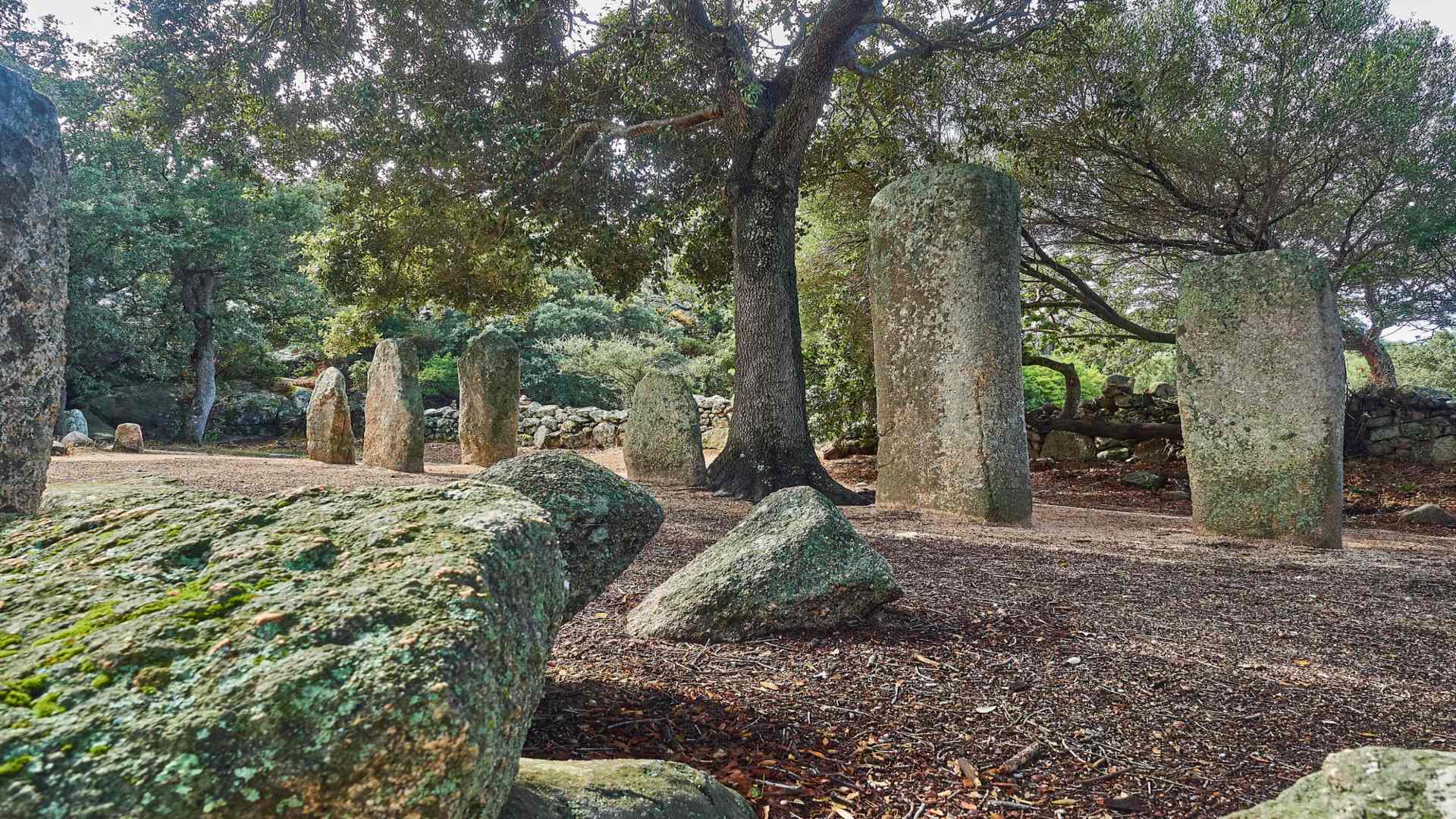
We travel to Sartène and the Cauria Plateau to meet our archaeologist-guide, Dr. Kewin Pêche-Quilichini, Director of the Musée de l’Alta Rocca. Kewin takes us to three sites. We begin at the dolmen of Funtanaccia, the best preserved in Corsica and more than 4,000 years old. We then see the menhirs of Rinaghju, where some 45 stones were counted, and the statue-menhirs of Stantari, carved with faces and weapons.
After lunch in Sartène, Kewin guides us through the Musée d’archéologie de la Corse. Later, our tour leader leads us on a walking tour of Sartène, and we gather for a local Corsican meal.
Meals: B, L, D
Overnight: Sartène
We head into Corsica’s mountainous interior to the Alta Rocca, where we meet our archaeologist-guide again.
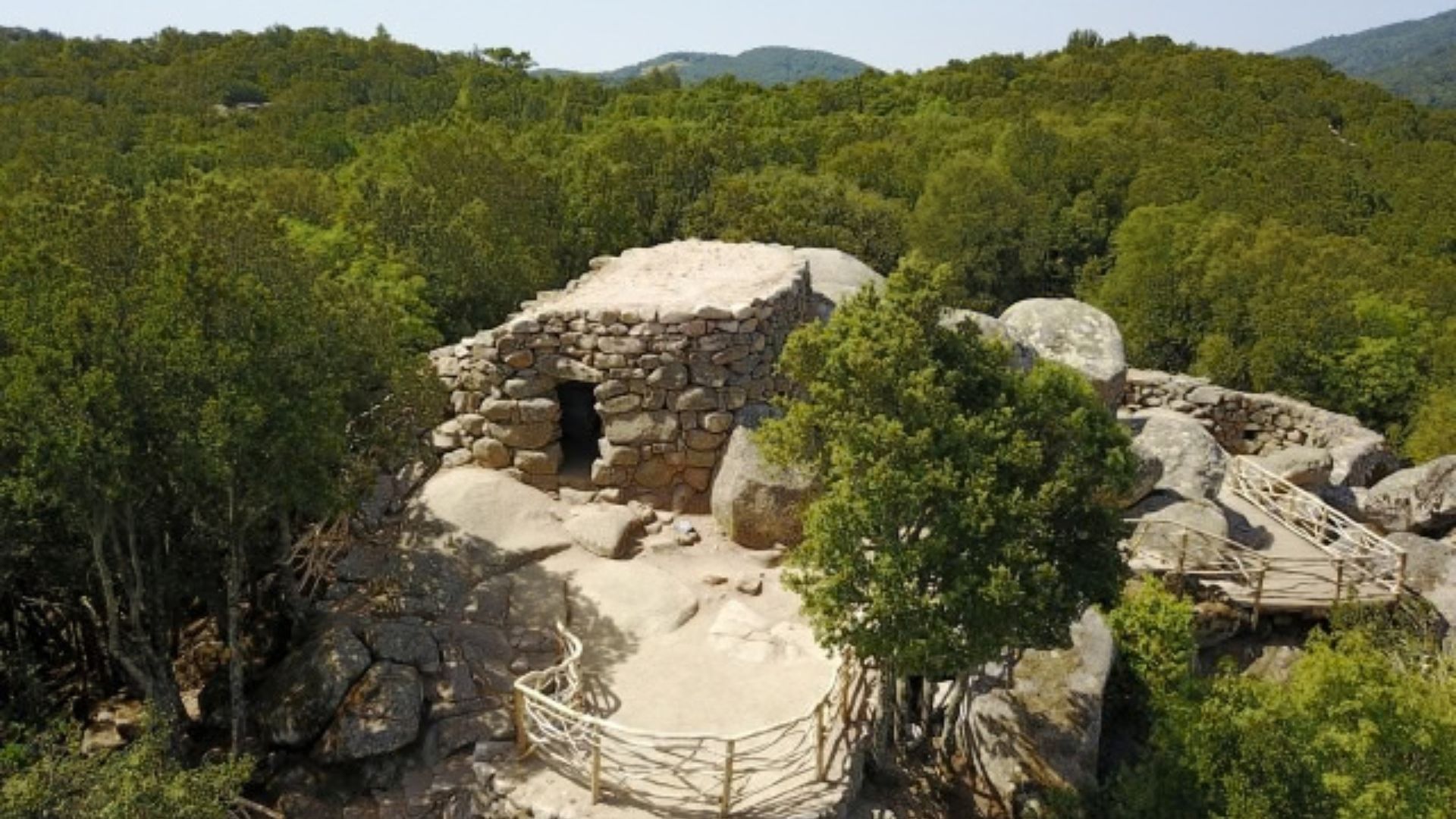
Kewin leads us on a 2-mile circular trail through the oak woods between two sites. Cucuruzzu is a castellu, a fortified Bronze Age settlement abandoned in the 3rd century BC. Its tower is 8 meters in diameter and still stands 4 to 5 meters high. At Capula, the Biancolacci lords built a castle on top of a Bronze Age settlement in the 12th or 13th century.
After lunch in nearby Lévie, Kewin, the museum’s Director, leads us on a behind-the-ropes tour of the Musée de l’Alta Rocca. We see a replica of a Corsican Bronze Age house, the finds from this morning’s sites and the Lady of Bonifacio, who died around 6570 BC and is one of the two oldest people found in Corsica.
Dinner tonight is at your leisure in the alleyways of Sartène.
Meals: B, L
Overnight: Sartène
We travel to Casteddu di Cuntorba, a small fortified settlement with a panoramic sea view, for a tour of the site with Kewin.
After lunch, we continue north to Filitosa, occupied for some 6,000 years, from the Early Neolithic to the Roman era. The landowner found its statues in 1946, and it holds Corsica’s greatest concentration of megalithic sculpture. For many visitors, this is the most fascinating site in Corsica, thanks to the detailed carvings on its warrior statue-menhirs. Kewin gives us a private guided tour.
In the late afternoon, we bid farewell to Kewin and travel on to the port city of Ajaccio, where we settle into our hotel and enjoy an evening meal together.
Meals: B, L, D
Overnight: Ajaccio
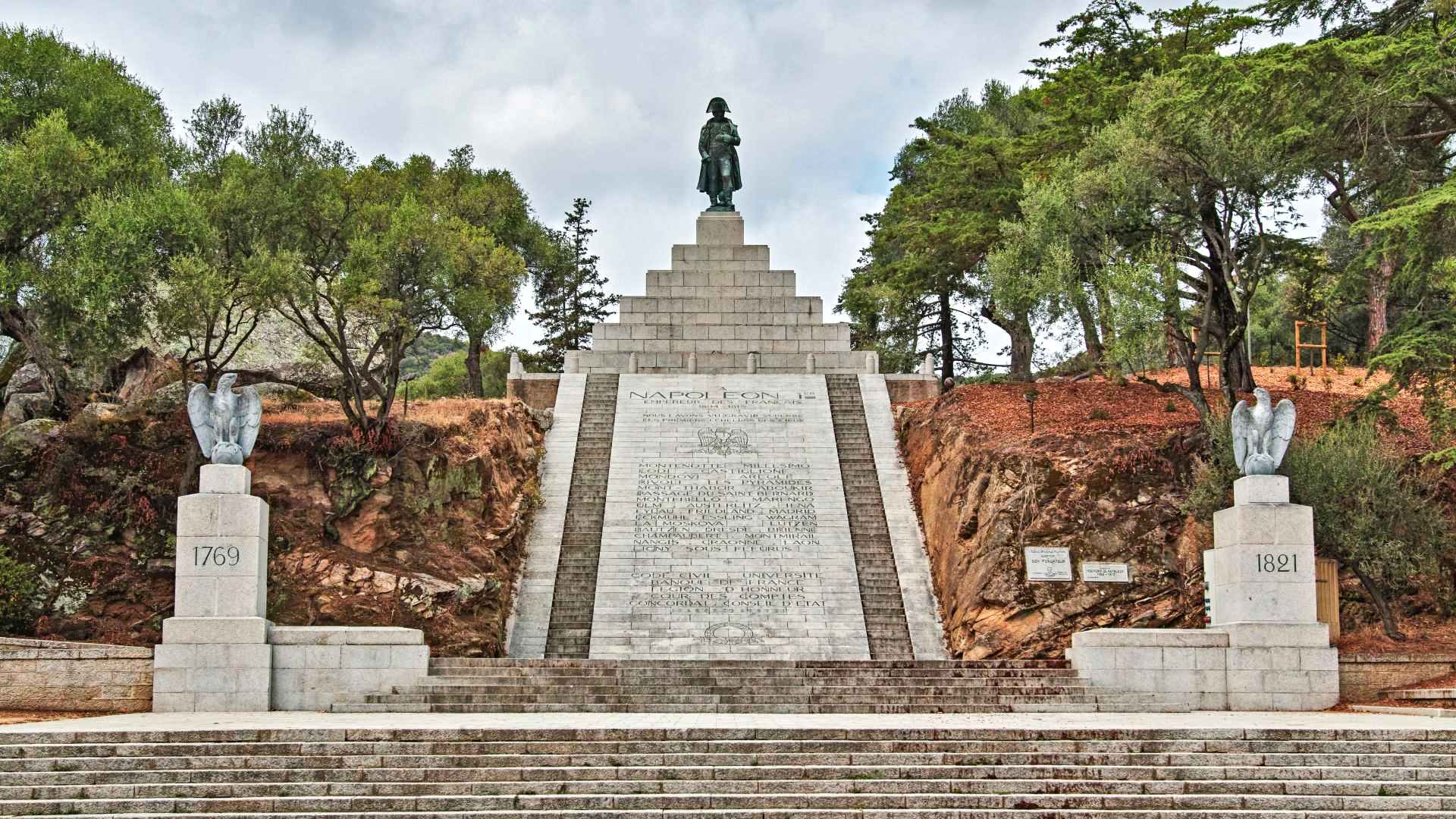
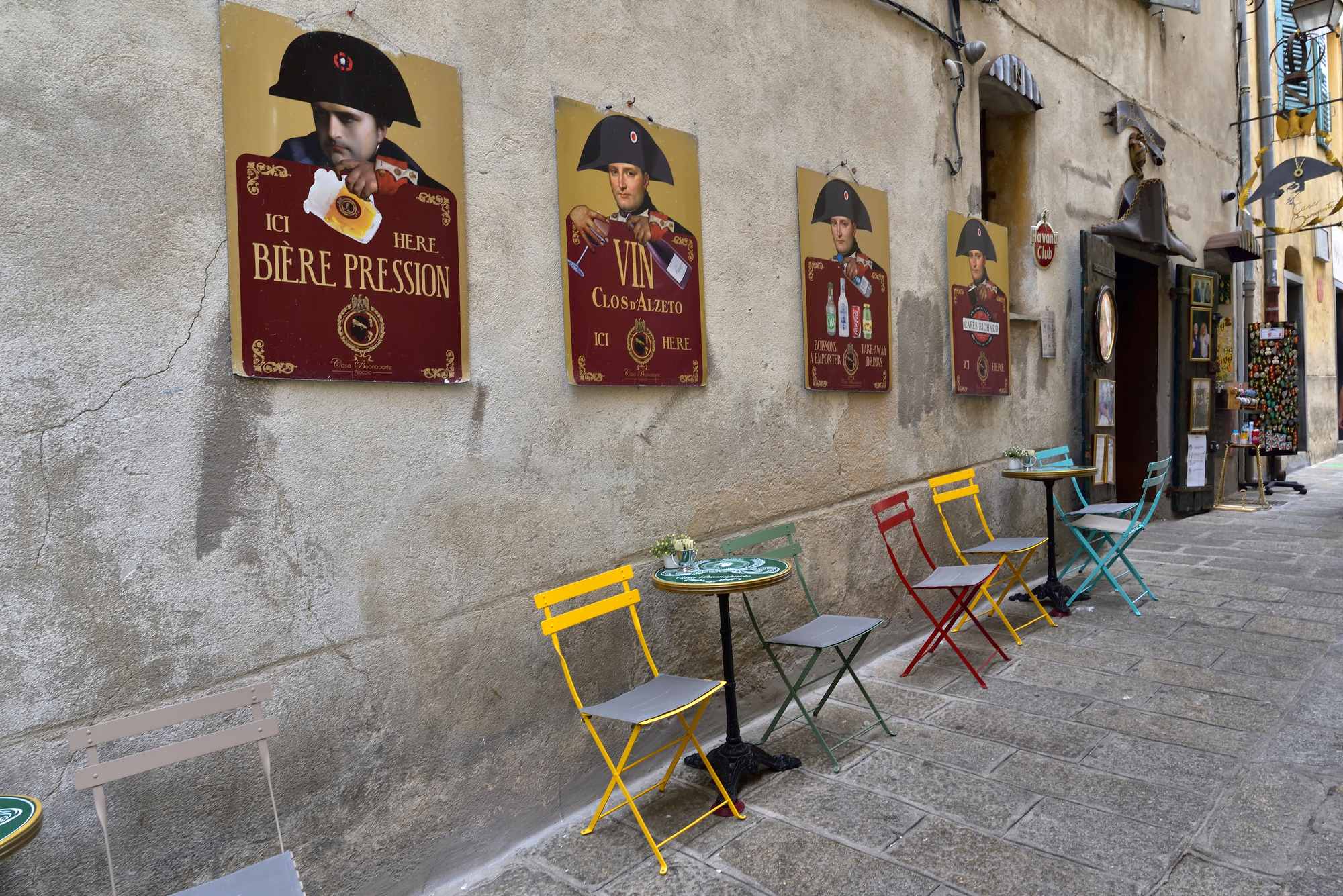
Our tour leader takes us on a guided tour of Napoleon’s Ajaccio: Maison Bonaparte, where he was born in 1769, the Salon Napoléonien in the Town Hall, the Cathédrale Notre-Dame-de-l’Assomption, where he was baptized, and the Chapelle Impériale, where several Bonapartes are buried.
We also visit Palais Fesch, home to the art collection of Napoleon’s uncle, Cardinal Fesch. It is France’s largest collection of Italian Old Masters after the Louvre, including Titian and Botticelli.
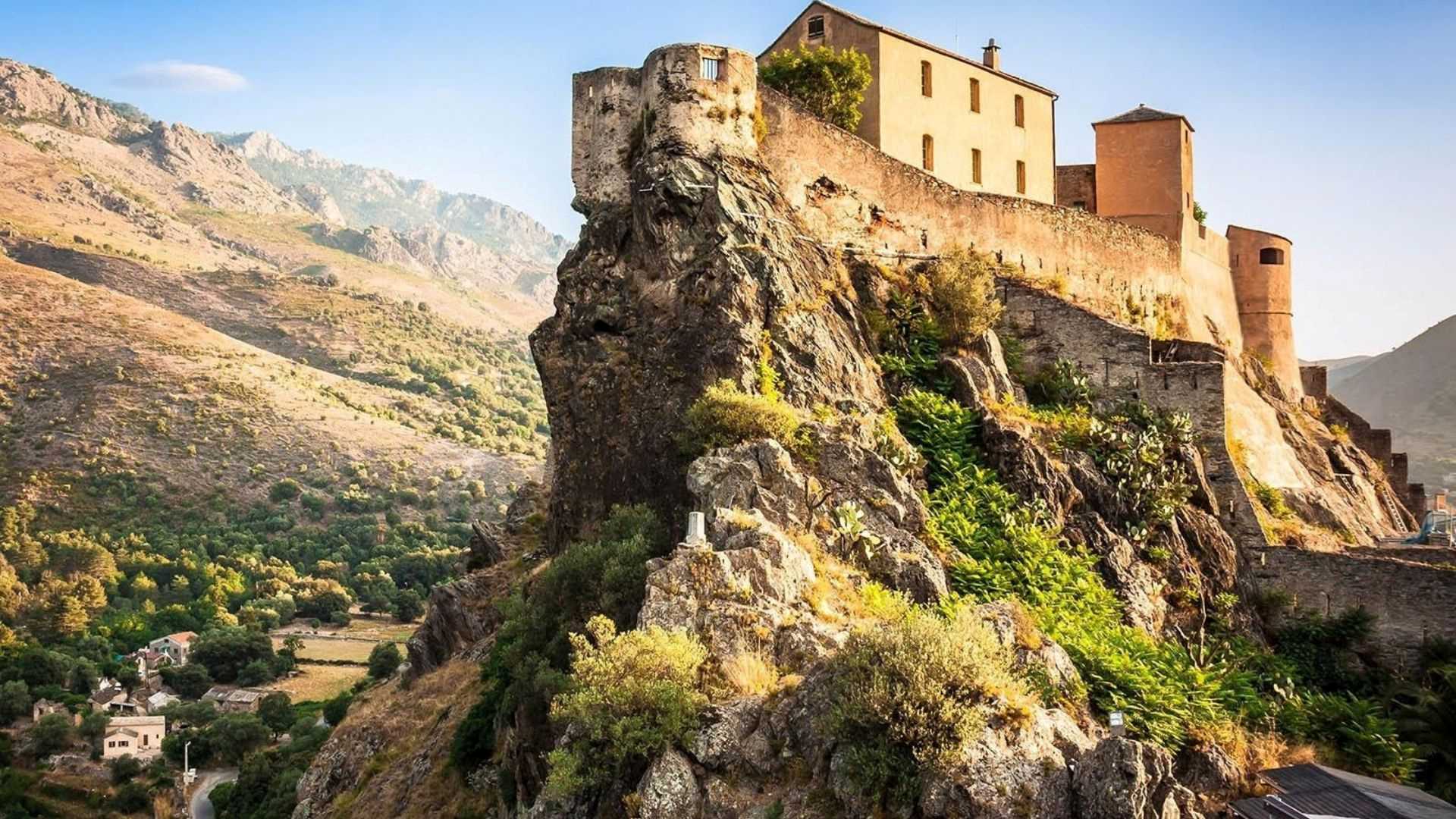
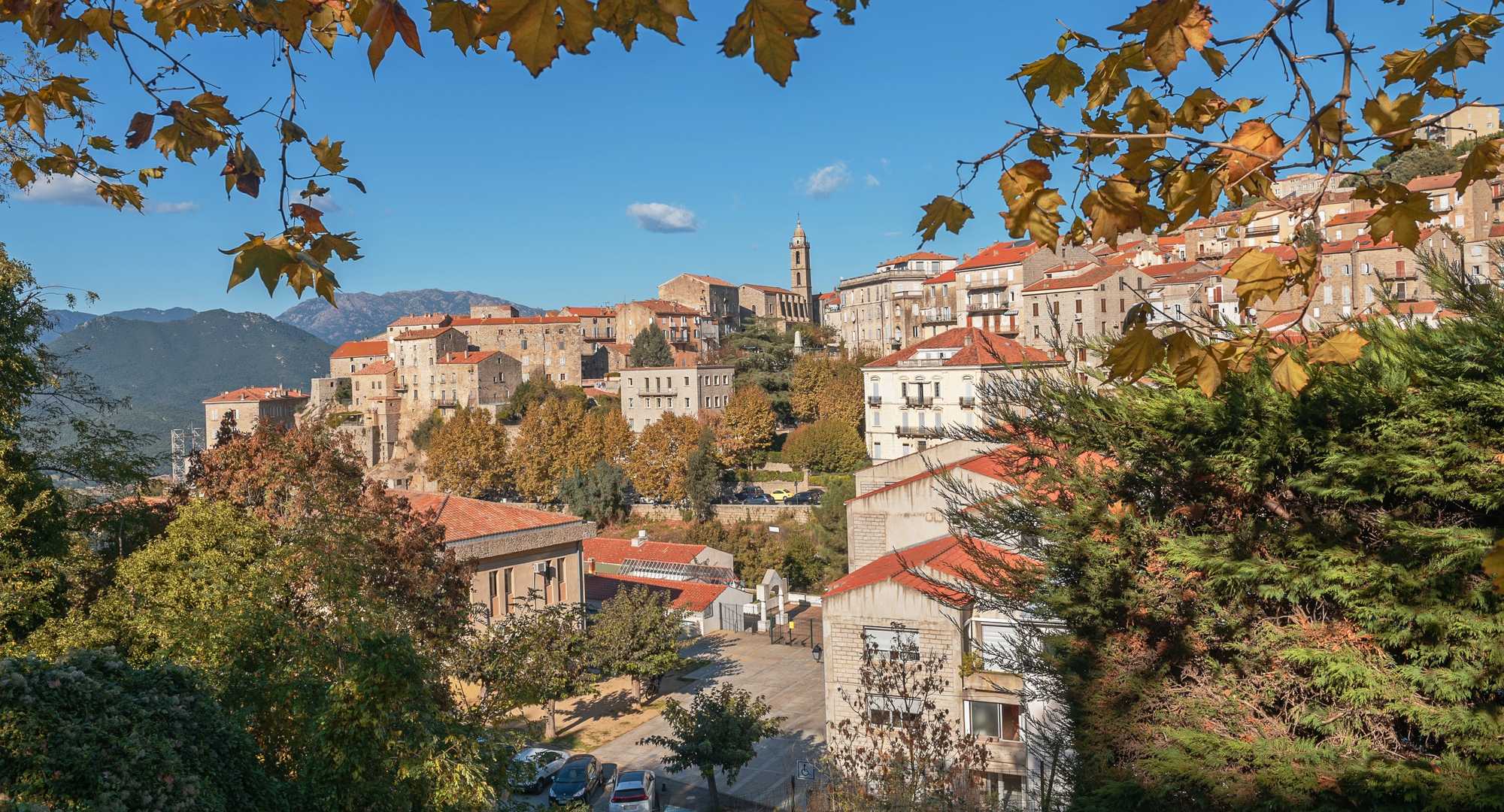
After lunch, we drive into the mountains to Corte, the most Corsican of Corsica’s towns. In 1755, Pasquale Paoli made it the capital of the independent Corsican Republic, whose democratic constitution American revolutionaries admired. We take the train up to the Citadel, visit the Musée de la Corse in its former barracks and walk through the town.
We return to Ajaccio, where dinner tonight is at your leisure.
Meals: B, L
Overnight: Ajaccio
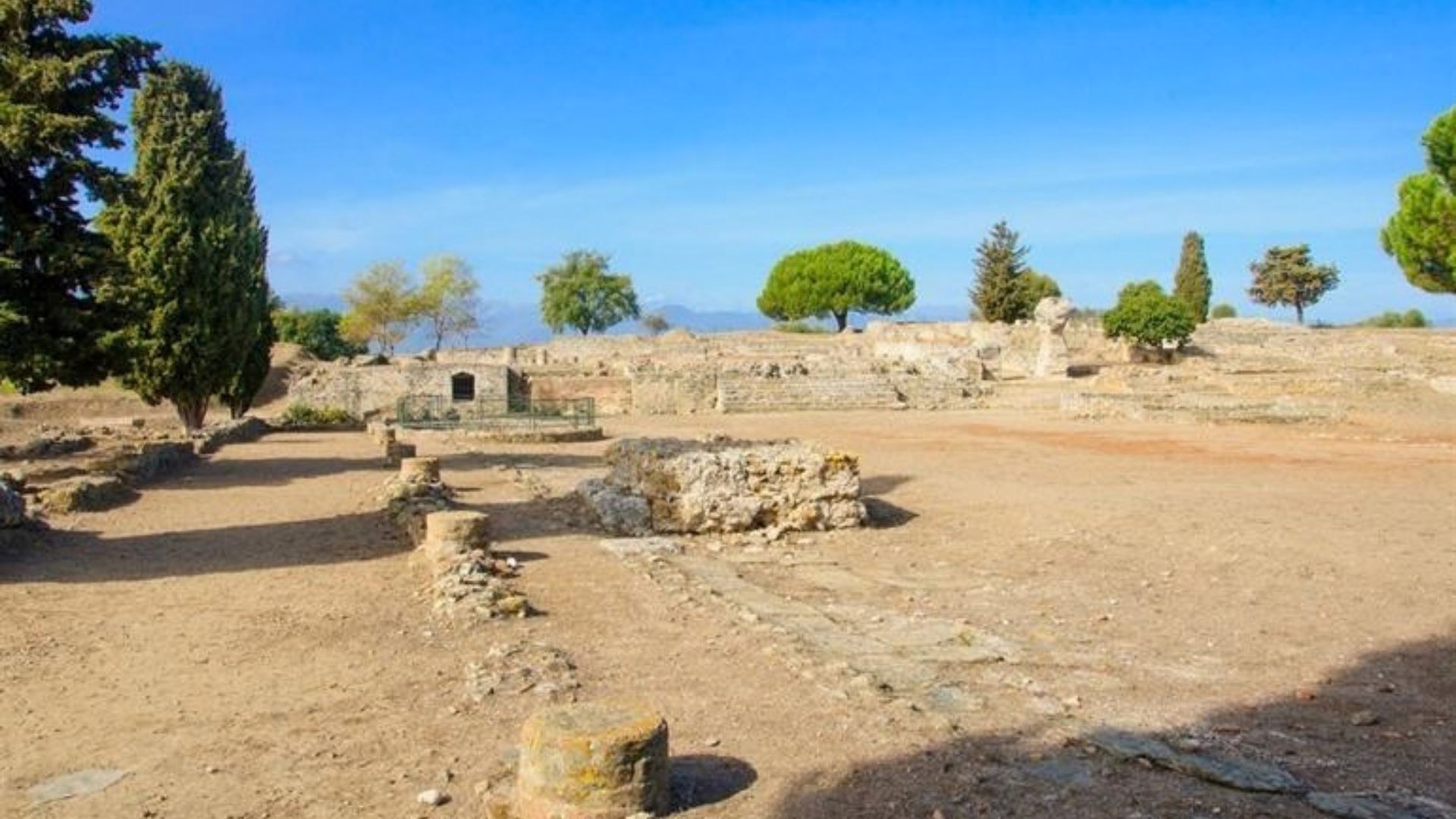
At Aléria, a specialist on-site guide leads our private tour of a city founded in 565 BC by Phocaean Greeks and later held by the Etruscans, the Carthaginians and finally the Romans. We then see the finds from the site at the Musée Jérôme Carcopino.
Close to Bastia, a specialist guide takes us through the Roman colony of Mariana, founded around 100 BC by Gaius Marius, its museum and the Canonica, a Romanesque cathedral consecrated in 1119.
We travel a short distance north to Bastia, the last base of our tour, and settle into our hotel before an evening meal with wine.
Meals: B, L, D
Overnight: Bastia
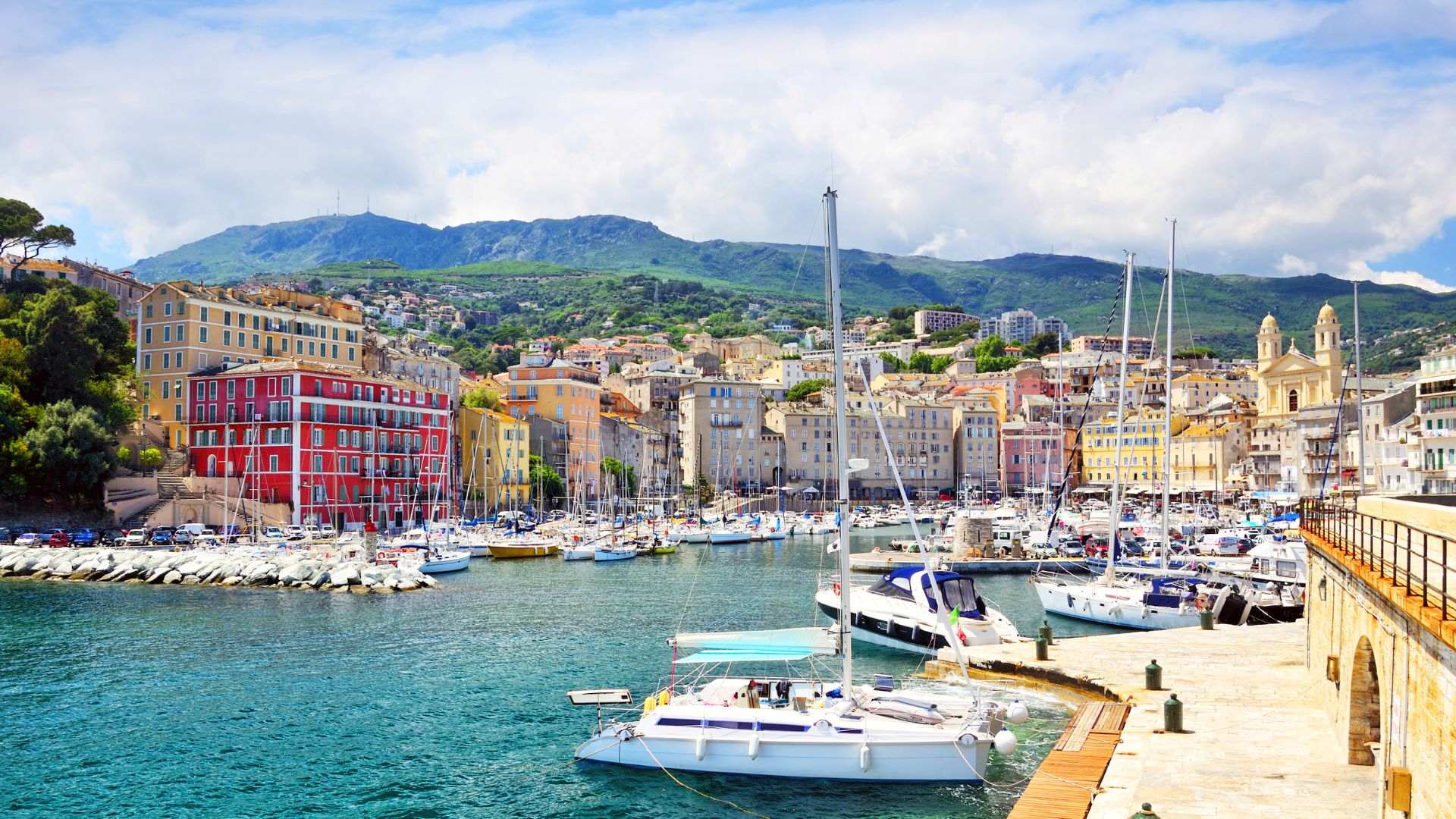
Today is the final full day of our tour, and we spend it in Bastia, the capital of Corsica under Genoese rule until 1768.
Our tour leader takes us on a guided walk of Bastia’s upper town (Terra Nova) and lower town (Terra Vecchia). Thankfully, the two are linked by an elevator.
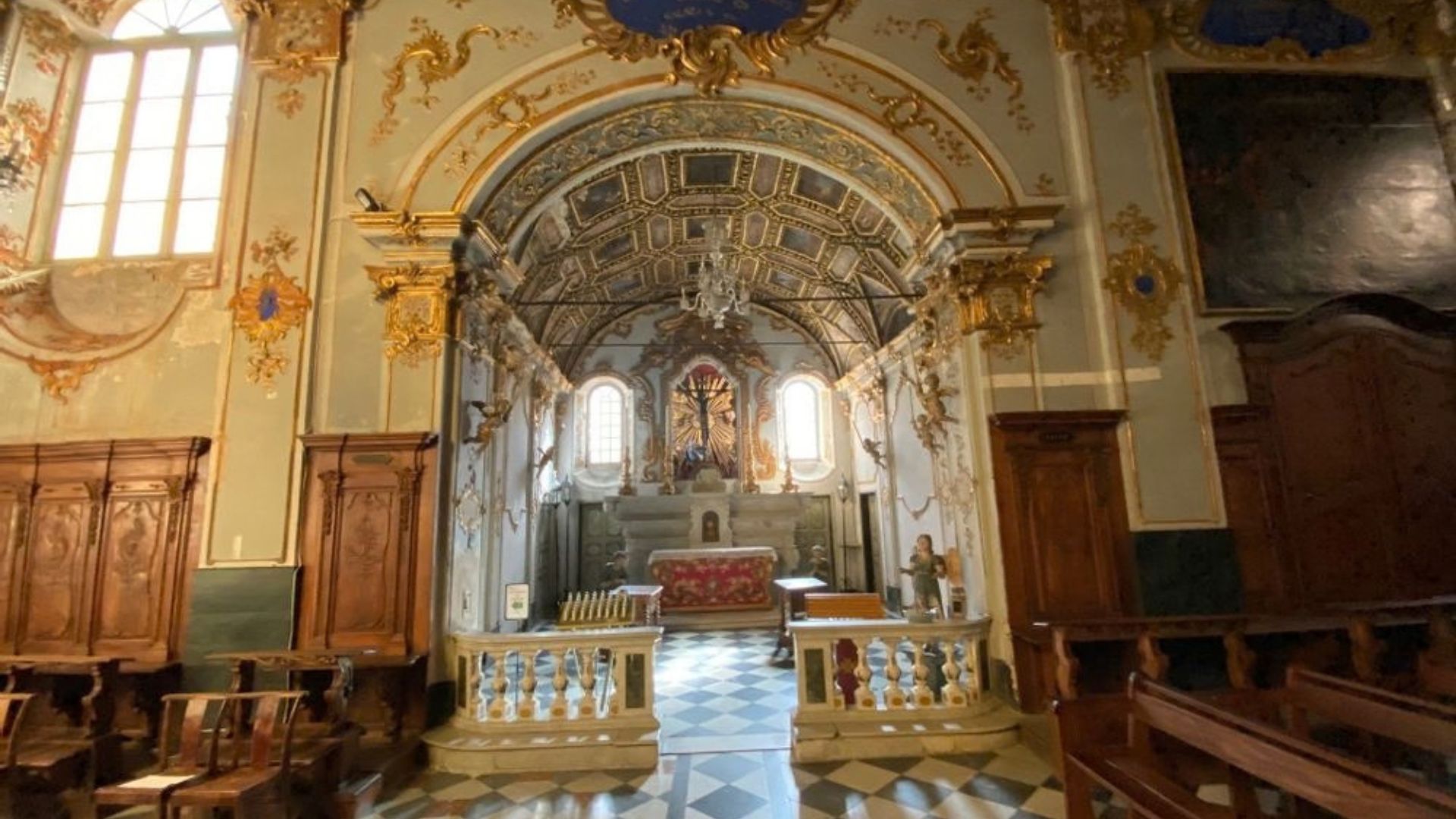
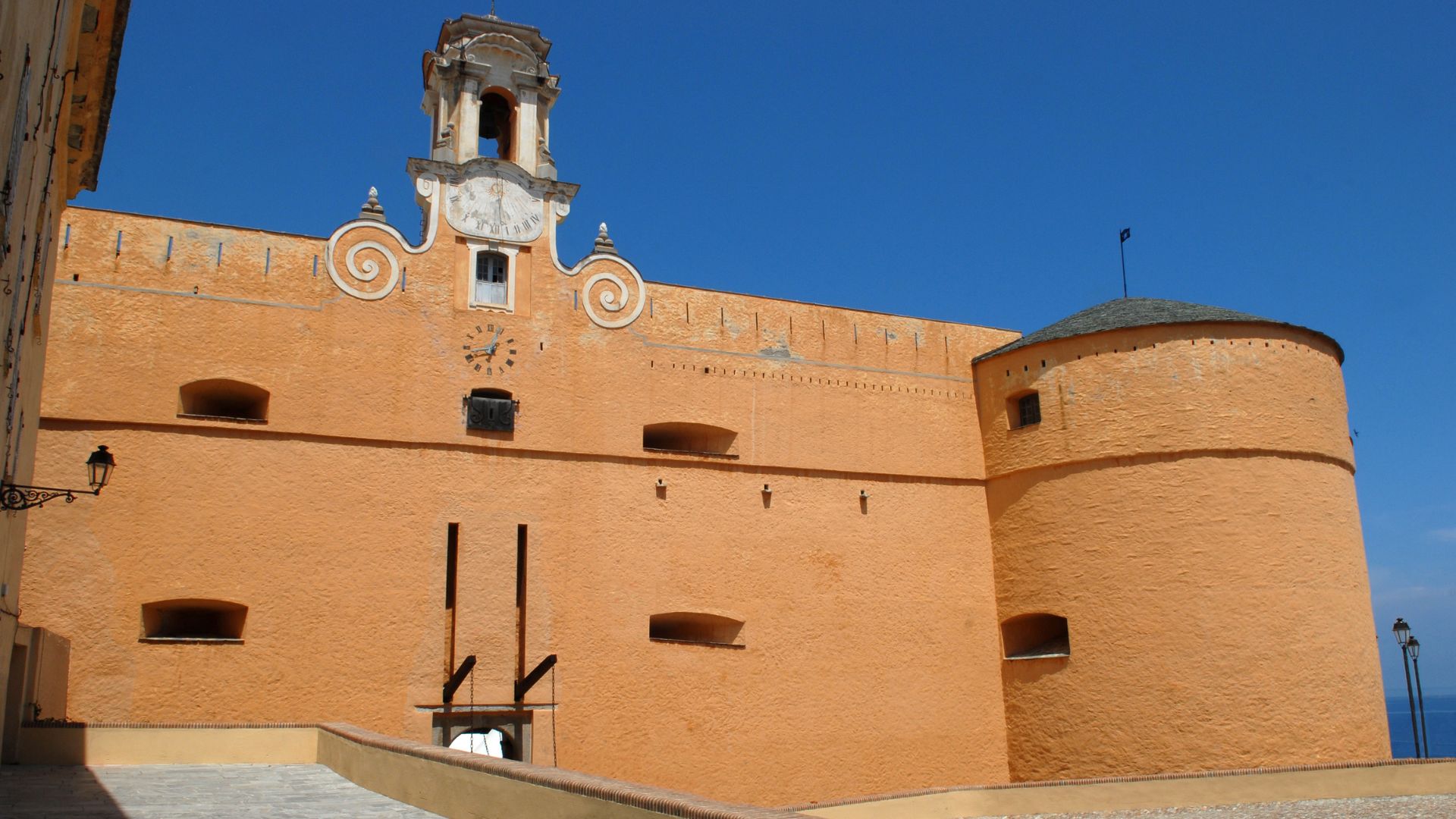
In Terra Nova, the 15th-century citadel built by Bastia’s Genoese rulers, we visit the Governors’ Palace (home to the Musée de Bastia), the Cathedral of Sainte-Marie and the Oratory of Sainte-Croix. We then explore the narrow streets of Terra Vecchia, with the Church of Saint-Jean-Baptiste, the Oratory of the Immaculate Conception and the food market at Place du Marché.
After lunch there’s some time for shopping and exploring, before we gather for a performance of traditional Corsican polyphonic singing and a farewell dinner.
Meals: B, L, D
Overnight: Bastia
After our last breakfast together, we take a group transfer to Bastia-Poretta Airport.
It’s farewell to Sardinia and Corsica for now, but we hope to see you again on tour with us soon.
Meals: B
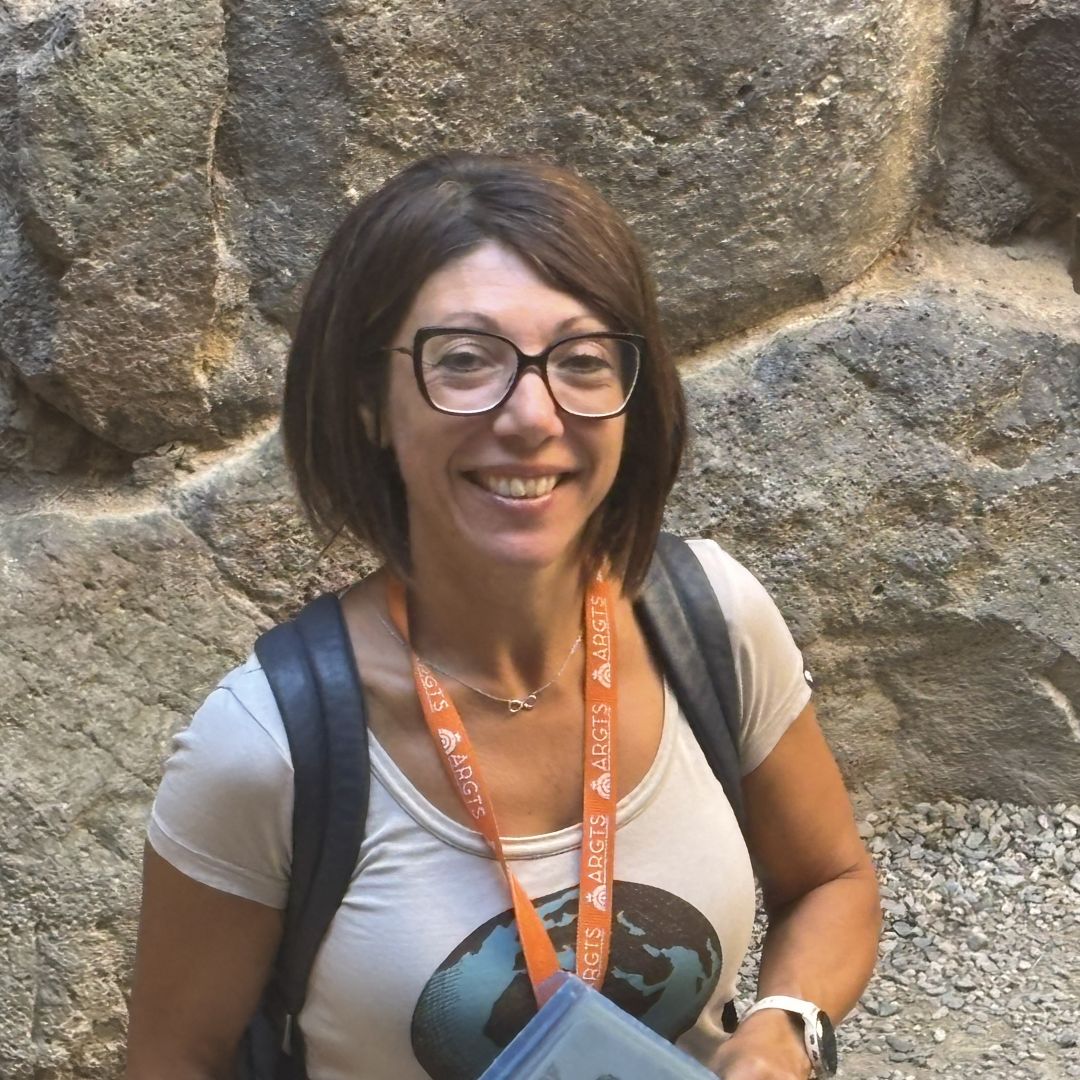
Dottoressa Sedda is a specialist in the prehistory of Sardinia, with an M.A. in Classics and Archaeology and a postgraduate specialization in Archaeology, both from the University of Cagliari.
Laura has excavated at prehistoric sites across the island, including the Neolithic village of Su Coddu in Selargius, near Cagliari, and three nuraghi: Nuraghe Su Mulinu, Villanovafranca; Nuraghe Sa Reggia, Burgos; and Nuraghe Asusa, Isili.
She still practices archaeology, carries out archaeological surveys for the government, and has been an accredited tour guide since 2010.
Dr. Kewin Pêche-Quilichini is a Corsican archaeologist who specializes in the prehistory of Corsica and the western Mediterranean. Born in Ajaccio, he holds a Ph.D. in Prehistoric Archaeology from Aix-Marseille University, completed jointly with La Sapienza University of Rome, with a doctoral thesis on Corsican pottery of the Bronze Age and Early Iron Age. He went on to complete postdoctoral research with the Archimède program at the University of Montpellier. His work centers on the societies of Corsica, Sardinia and the wider western Mediterranean in that period.
Kewin’s knowledge comes from years of fieldwork. He has worked with INRAP, the Corsican archaeological service, universities and research institutions, and has directed excavations at sites including Cuciurpula, Cucuruzzu, Nuciaresa, Monti Barbatu and Puzzonu. He knows Corsica’s ancient settlements, fortifications, pottery and daily life in unusual depth. Since 2021, he has been Director of the Musée de l’Alta Rocca in Lévie, in the heart of southern Corsica’s archaeological landscape. The museum holds some of the most important finds from the Alta Rocca region, and his research and fieldwork shape how they are presented to visitors.

Our small-group guided tours are physically active. Clambering around archaeological sites, nuraghi, citadels and fortresses is part of the Take Me To Europe experience, and Europe has stairs everywhere. On our Sardinia and Corsica tour, nuraghi such as Su Nuraxi have narrow passages and steep steps, the paths at Cucuruzzu and Capula are rocky woodland trails, and Bonifacio and Corte have steep cobbled streets and steps.
You will need to be able to:
Free 16-page guide
Written by archaeologists. Submerged Roman villas, underground cities and abandoned Greek quarries –, with maps, access details and what to see at each.
One email a week. Unsubscribe anytime.