You stand in the cool hush of a burial chamber cut underground 6,000 years ago, watch evening light turn the bastions of Valletta gold, and linger over lunch by a Sicilian harbor. In one journey across a narrow sea, you follow Malta’s temple builders to Sicily’s Phoenician island of Mozia, Greek theaters, Roman villas and baroque hill towns.
Join our expert-led Malta and Sicily history and archaeology tour and follow one continuous story from prehistoric temple islands to a many-layered Mediterranean crossroads. Beginning in Valletta, we explore Malta’s three UNESCO World Heritage sites (its megalithic temple complexes, the Ħal Saflieni Hypogeum, and the fortified City of Valletta) alongside harbors, war rooms, and palaces that reveal how this small archipelago guarded sea routes for millennia.
From Malta, we cross the same waters that once carried Phoenician traders and Roman fleets to Sicily, where we trace the island’s history from Etna’s volcanic slopes and Greek cities like Segesta, Selinunte, Agrigento, and Syracuse to Roman villas, Norman cathedrals, and late-baroque towns rebuilt after earthquakes.
Along the way, we stay in carefully chosen boutique and luxury hotels in historic centers and countryside estates, share long meals and local wines, and see how contemporary life in Valletta, Ortigia, Palermo, Ragusa, and Taormina is still shaped by the ancient landscapes, trade routes, and civilizations we’ve been exploring.
Should you have any questions about this tour, please don’t hesitate to get in touch with our team.
During the southern Mediterranean’s long, warm season, we spend ample time outdoors: walking through archaeological parks, exploring historic quarters on foot, traveling along the coast and through inland valleys, and pausing at viewpoints over sea, fields, limestone or lava slopes. Days are designed to avoid the worst of the crowds and heat where possible, and to give you space to stand quietly in front of major monuments rather than rushing past them.
With a maximum of only 12 guests, the group feels more like a small company of explorers than a tour bus. You’ll share discoveries during the day and stories over wine and dinner at night, then return to hotels chosen for their sense of place, from historic palazzi to a countryside estate among olive groves and baroque townhouses in hilltop towns.
You meet the ancient past in ruins and museums, and also in the way locals continue old traditions into the present: how they live, cook, make wine and keep up their crafts.
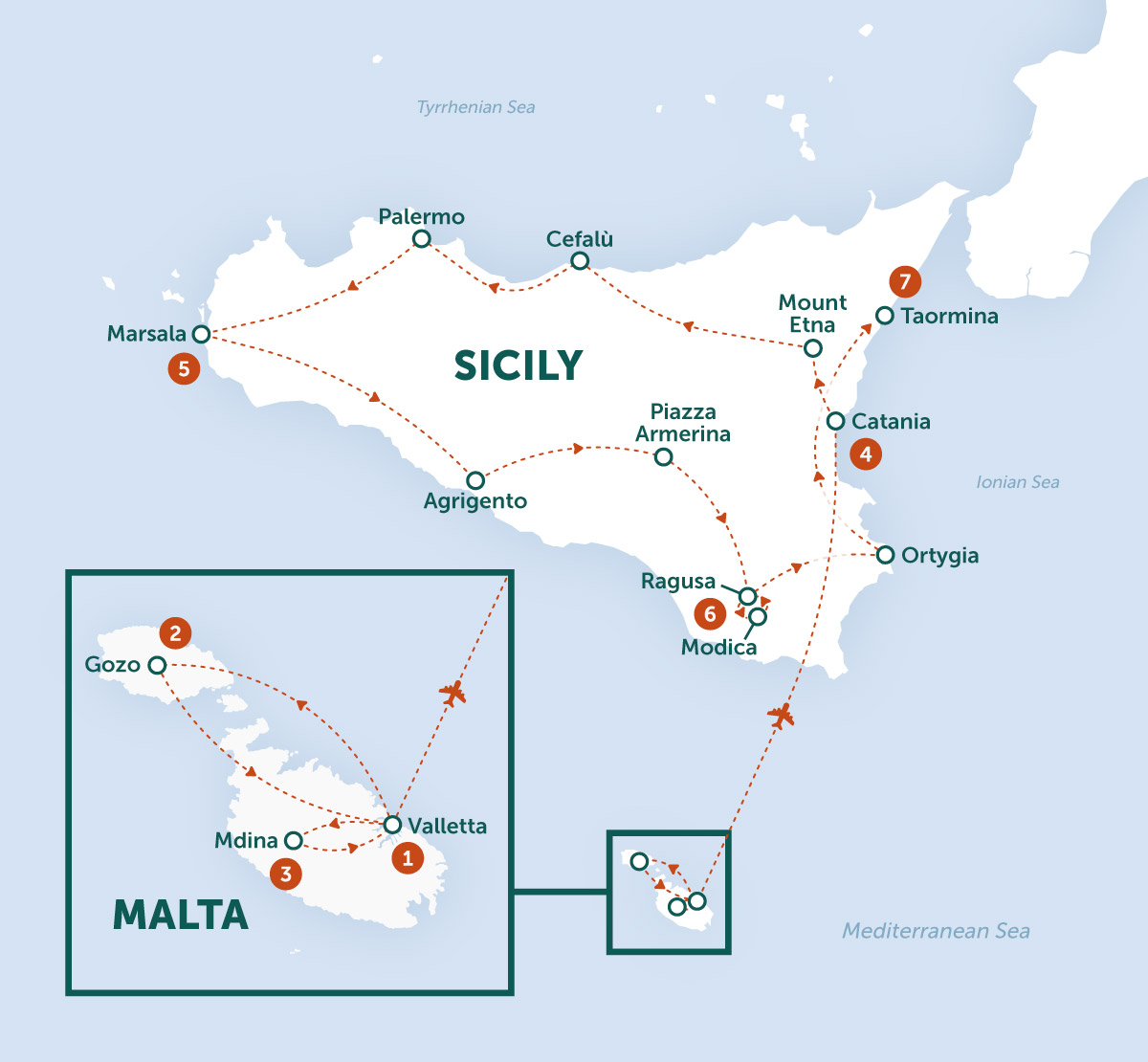
Our Malta and Sicily trip begins in Valletta. After your private transfer from the airport to the hotel, we welcome you to Malta and head to Sliema to board a cruise of the island’s two harbors and main creeks.
Valletta stands between those harbors, and the view from the water shows why the Knights chose the site. Dinner is a local meal with wine.
Meals: D
Overnight: Valletta
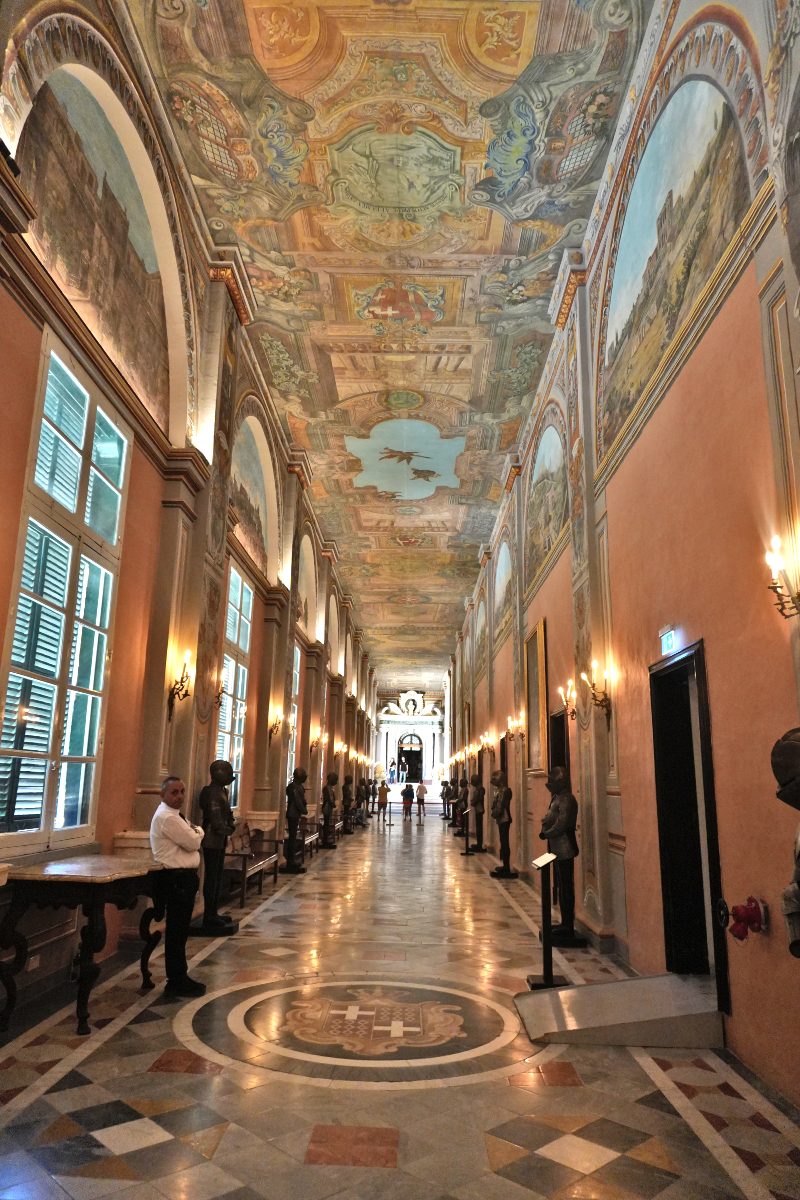
Our tour guide leads us on foot through Valletta, the fortified city the Knights of St. John built after the Great Siege of 1565 and made their final headquarters. We spend the day in its narrow, hilly, cobblestoned streets.
We visit the maritime fortresses, the city walls, the Palace of the Grandmaster and the major auberges, where the Knights lived according to their language group. We see St. John’s Co-Cathedral, which holds Caravaggio’s Beheading of Saint John the Baptist, Fort St Elmo with the National War Museum, the National Museum of Archaeology, and the Upper Barrakka Gardens and Saluting Battery.
The evening is free for dinner by the Mediterranean.
Meals: B, L
Overnight: Valletta
We travel by minibus to the car ferry in the north of Malta, stopping on the way at a prehistoric dolmen, and cross to Gozo. We begin at the Ġgantija Archaeological Park, the Temples of the Giantess, more than 5,000 years old and among the oldest free-standing stone buildings in the world.
We head next to Victoria (Rabat), Gozo’s capital, to explore the Gozo Museum of Archaeology in the Cittadella. After a traditional Gozo lunch at a charming restaurant, we tour Victoria. Back in Valletta, we eat at a traditional restaurant near our hotel.
Meals: B, L, D
Overnight: Valletta
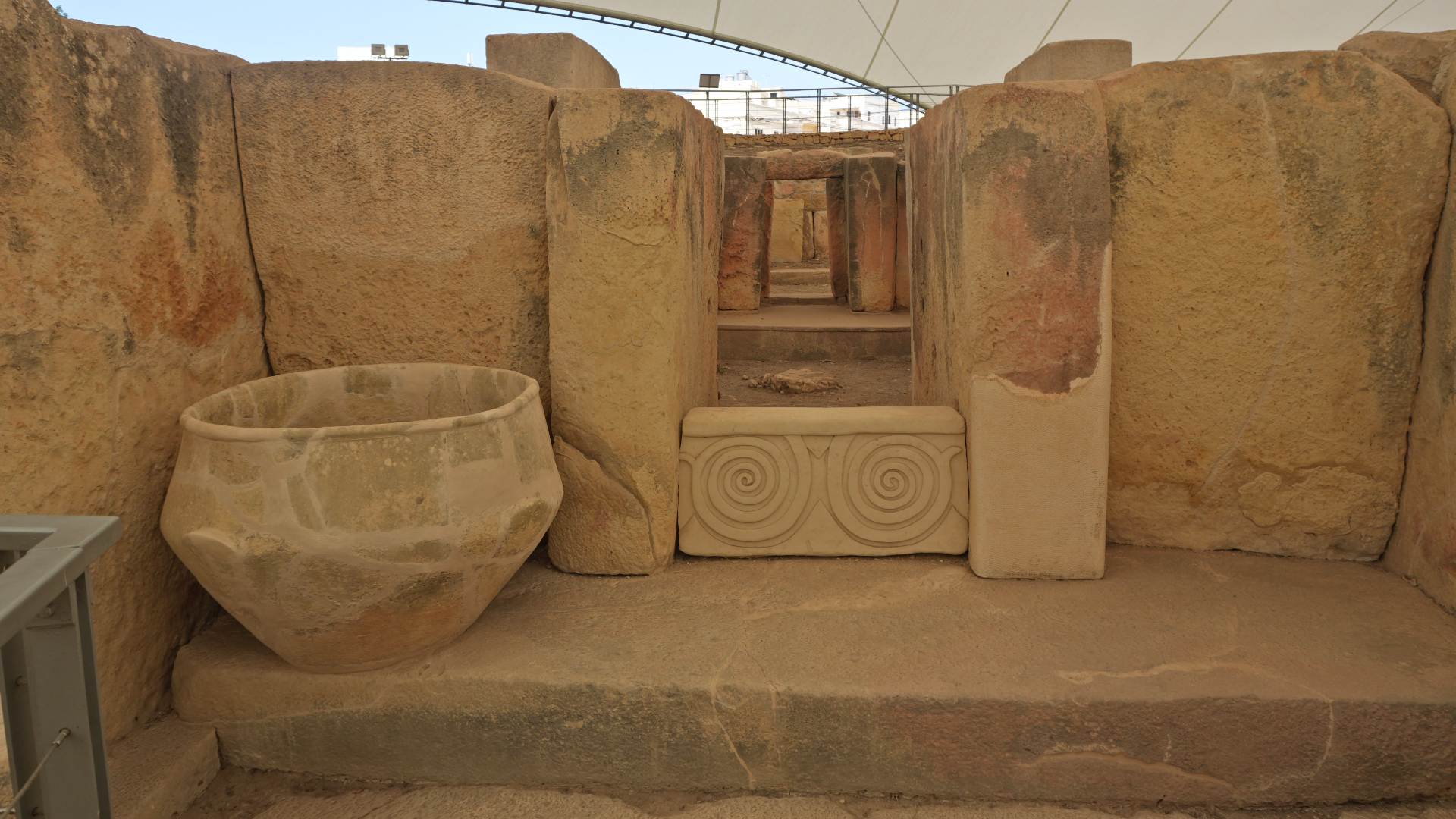
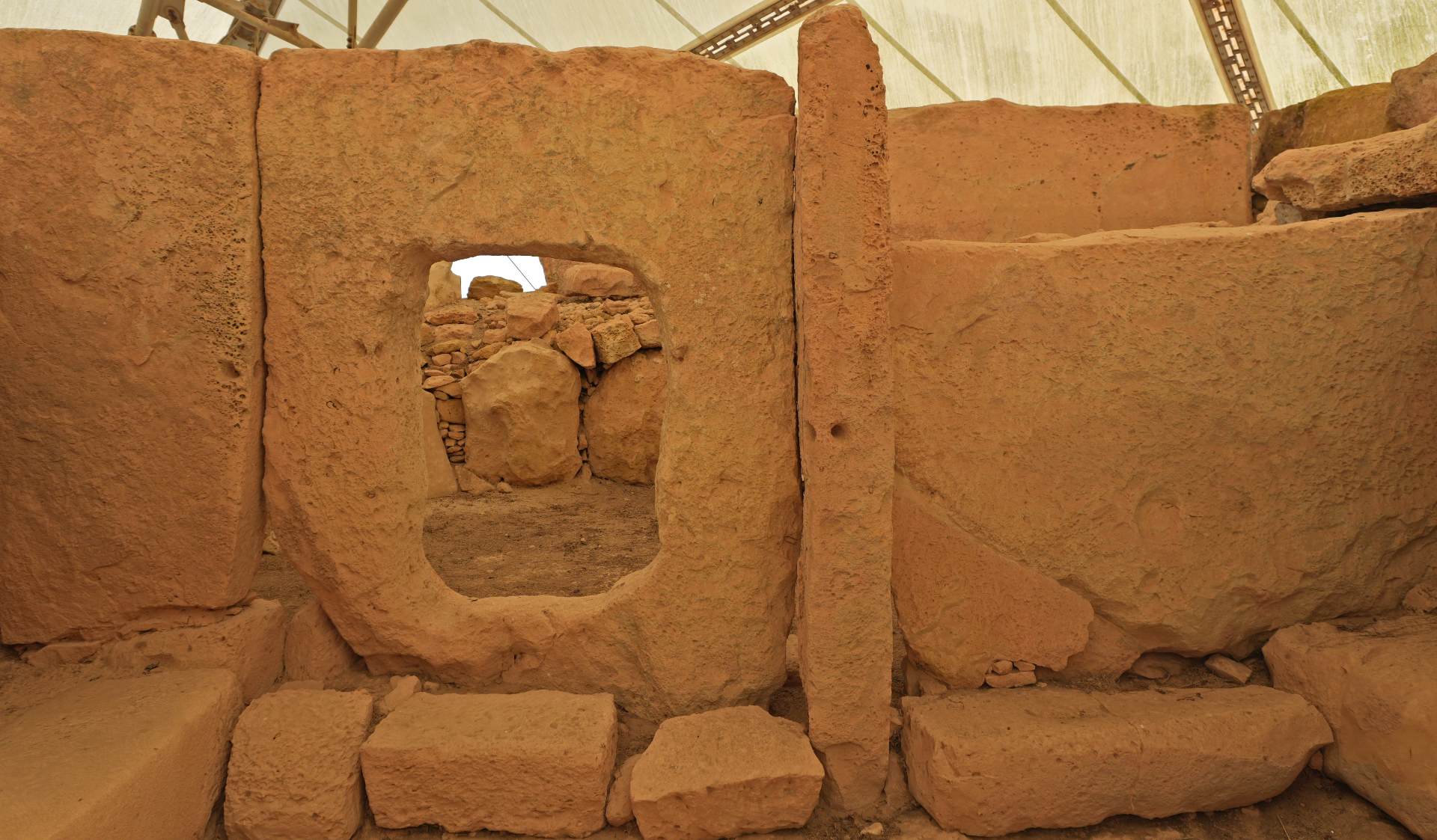
Dr. Huw Groucutt, a renowned archaeologist from the Department of Archaeology at the University of Malta, joins us today to visit three prehistoric temple complexes. We begin at the small site of Ta’ Ħaġrat and then travel to the Ħaġar Qim and Mnajdra Archaeological Park, where the southern temple at Mnajdra is aligned to the sun at the equinoxes and solstices.
We also visit Għar Dalam cave, which holds the bones of Ice Age dwarf elephants and hippopotamuses, and see Malta’s prehistoric cart ruts, parallel grooves cut into the limestone whose date and purpose are still debated.
We then drive to Marsaxlokk Harbor for a seafood lunch by the water, among the colorful fishing boats known as luzzus. Back in Valletta, the afternoon and evening are yours to explore or relax.
Meals: B, L
Overnight: Valletta
We begin with a guided tour of the Lascaris War Rooms and War HQ Tunnels, the underground command center from which the Allied invasion of Sicily was directed in 1943. We then cross the Grand Harbor in small traditional boats called dgħajjes to the Three Cities, the heart of Malta’s maritime and military history.
On a guided walk through Vittoriosa, we stop at the Malta at War Museum and visit the Inquisitor’s Palace, with its ethnographic museum, prison cells and torture chamber. We take small boats again between Vittoriosa and Senglea for a harborside lunch, then tour the Maritime Museum (if open). At the tip of Vittoriosa we explore the forbidding Fort St Angelo, where the Grand Master of the Knights of St. John, de la Valette, had his headquarters during the Great Siege against the Ottomans, with views across the Grand Harbor to Valletta.
Finally, we head to Mdina, the fortified hill city that was Malta’s capital until the Knights arrived in 1530, and walk its streets as dusk falls and the day visitors leave. When time permits, we also visit St. Paul’s Catacombs. Dinner is a Maltese meal at a very special palazzo in Mdina before we return to Valletta.
Meals: B, L, D
Overnight: Valletta
Today is a free day. You can relax by the pool, take one of the many boat tours to the Blue Lagoon on Comino, or shop and use the spa.
If you are interested in food, wine and sailing, we can recommend a walking food tour of Valletta, and lunch and wine tasting at a local winery, as optional extras that still leave you free time in the afternoon and evening.
Meals: B
Overnight: Valletta
We like to save the best for last. We drive to the suburb of Paola, where our archaeologist guides us through the very well-preserved Ħal Tarxien Prehistoric Complex, a UNESCO World Heritage site that dates from about 3400 BC.
Then comes the Ħal Saflieni Hypogeum, a necropolis cut entirely below ground on three levels and in use from about 4000 BC, which makes it older than Stonehenge and the Pyramids. It lay undiscovered for around 4,400 years, until builders digging a cistern for a new house in Paola broke into it in 1902. The shaft they made is now the Hypogeum’s ventilation shaft.
If you love archaeology and ancient mysteries, expect goose bumps. Only 10 people can tour the Hypogeum at one time, so we structure the day around our confirmed tickets.
Meals: B, L, D
Overnight: Valletta
After breakfast, we say farewell to Malta and fly to Sicily.
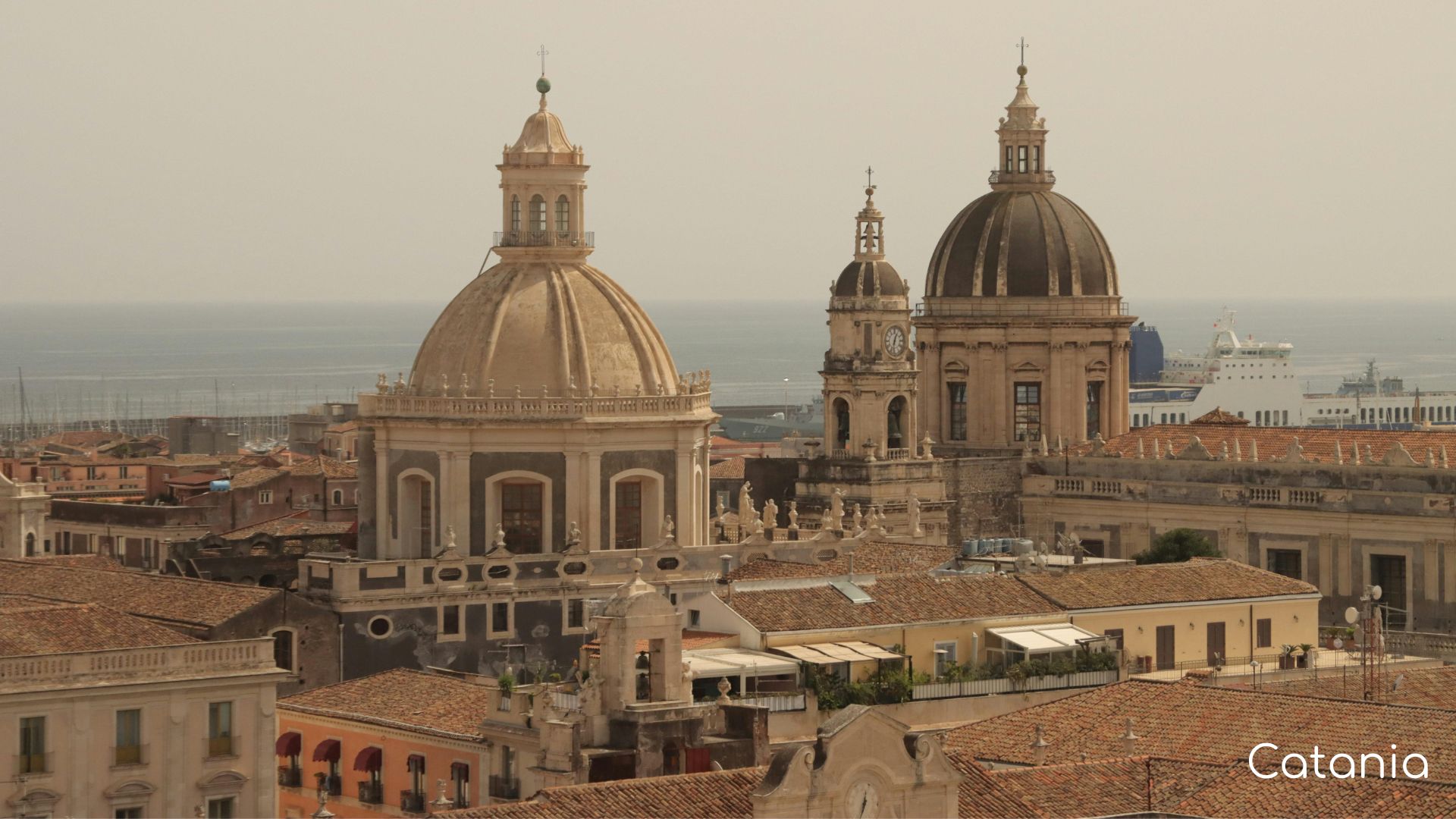
Our Sicilian journey begins in Catania, the vibrant city at the foot of Mount Etna, where black volcanic stone and pale baroque façades sit side by side. On arrival, we transfer to our centrally located hotel and settle in before we embark on the Sicilian leg of our journey tomorrow.
Meals: B, D
Overnight: Catania
Much of the day is yours. In the late afternoon, we meet our archaeologist guide and the guests joining us for the Sicily part of the tour.
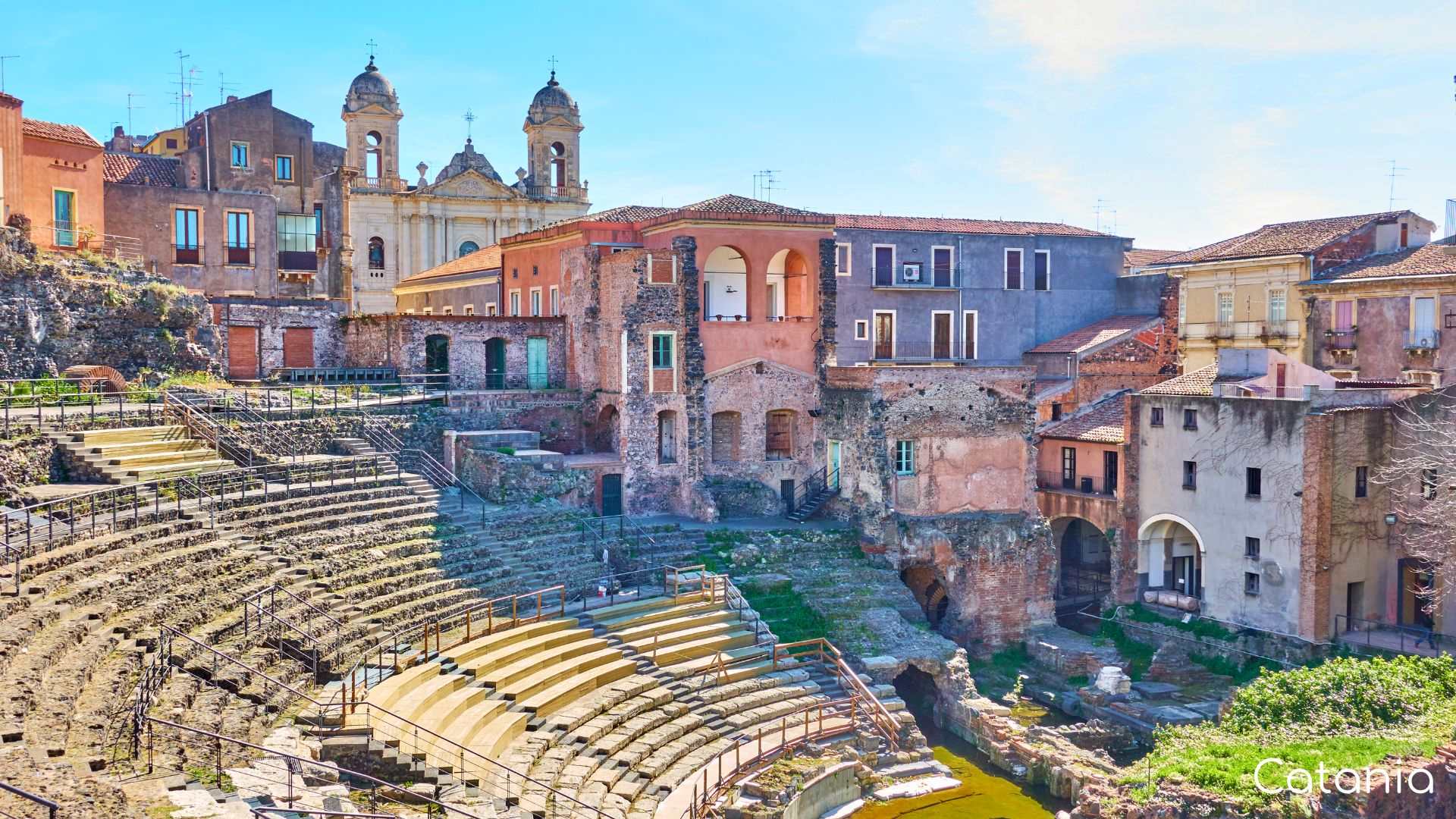
A gentle walk through the historic center, past Piazza del Duomo, the elephant fountain, Via dei Crociferi and the outside of the Roman amphitheater, shows a city built from Etna’s lava and reshaped again and again by eruptions and earthquakes.
We gather this evening for a welcome-to-Sicily dinner of seasonal Sicilian dishes and local wine.
Meals: B, D
Overnight: Catania
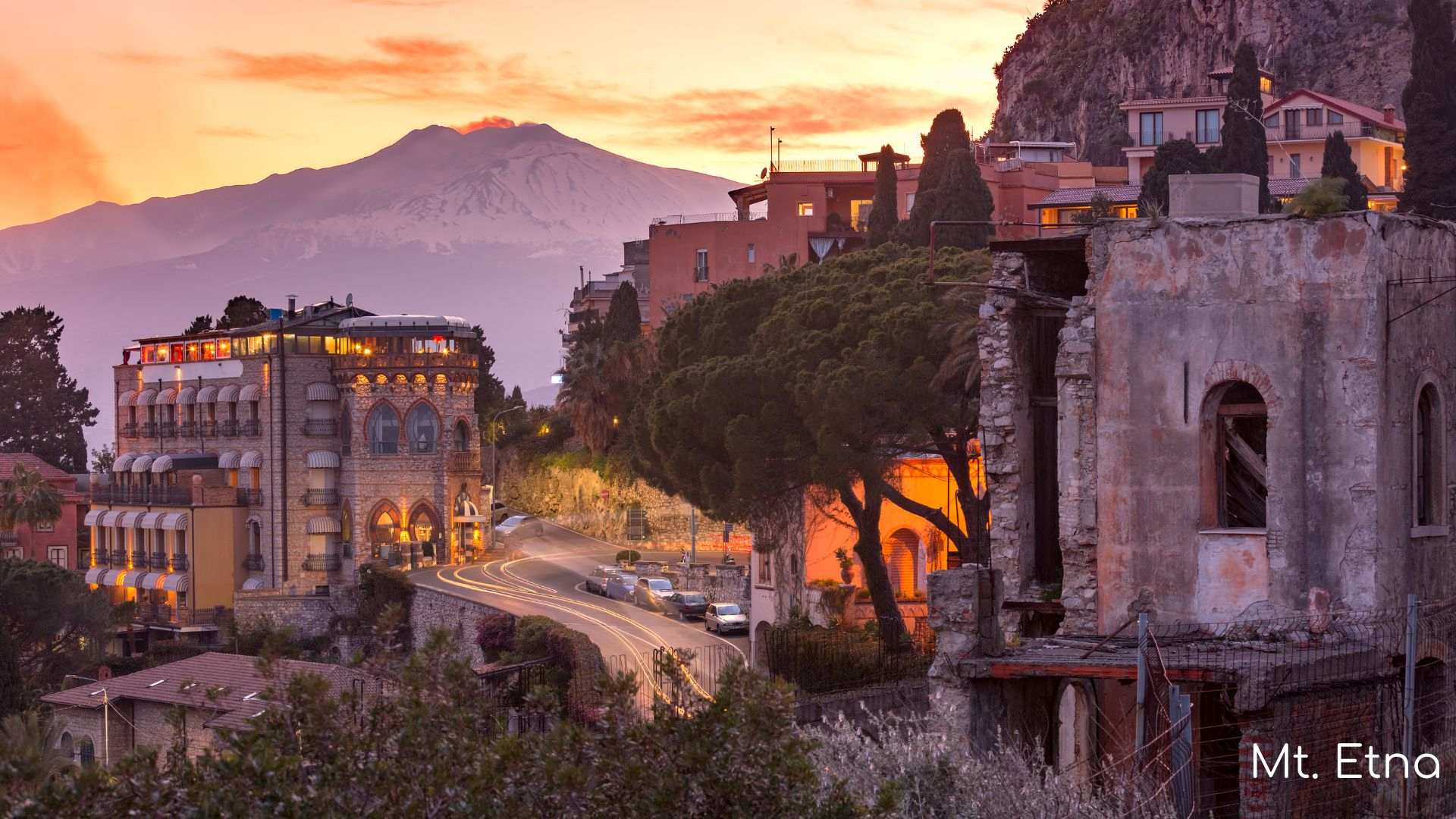
We traverse the slopes of Mount Etna, Europe’s highest and most active stratovolcano, with an eruptive history that spans 500,000 years. Walking among old lava flows and craters (subject to local conditions), your guide explains how Etna’s activity created the fertile soils that later attracted Greek colonists. We visit a volcanic winery for a relaxed lunch and tasting, then return to Catania for some time at leisure. This evening we head back out into the city for a local dinner and a performance, perhaps music, theater or traditional puppetry.
Meals: B, L, D
Overnight: Catania
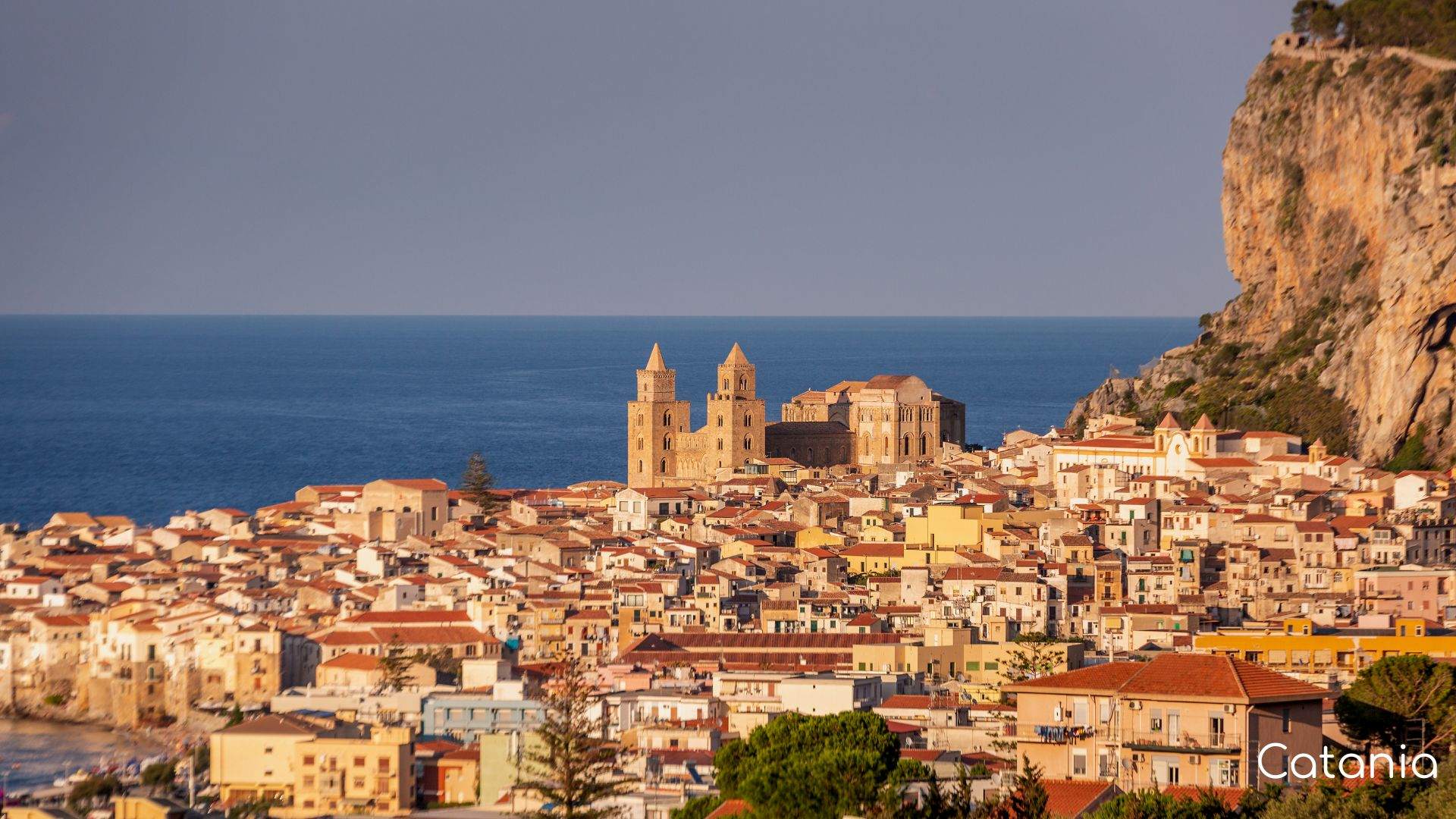
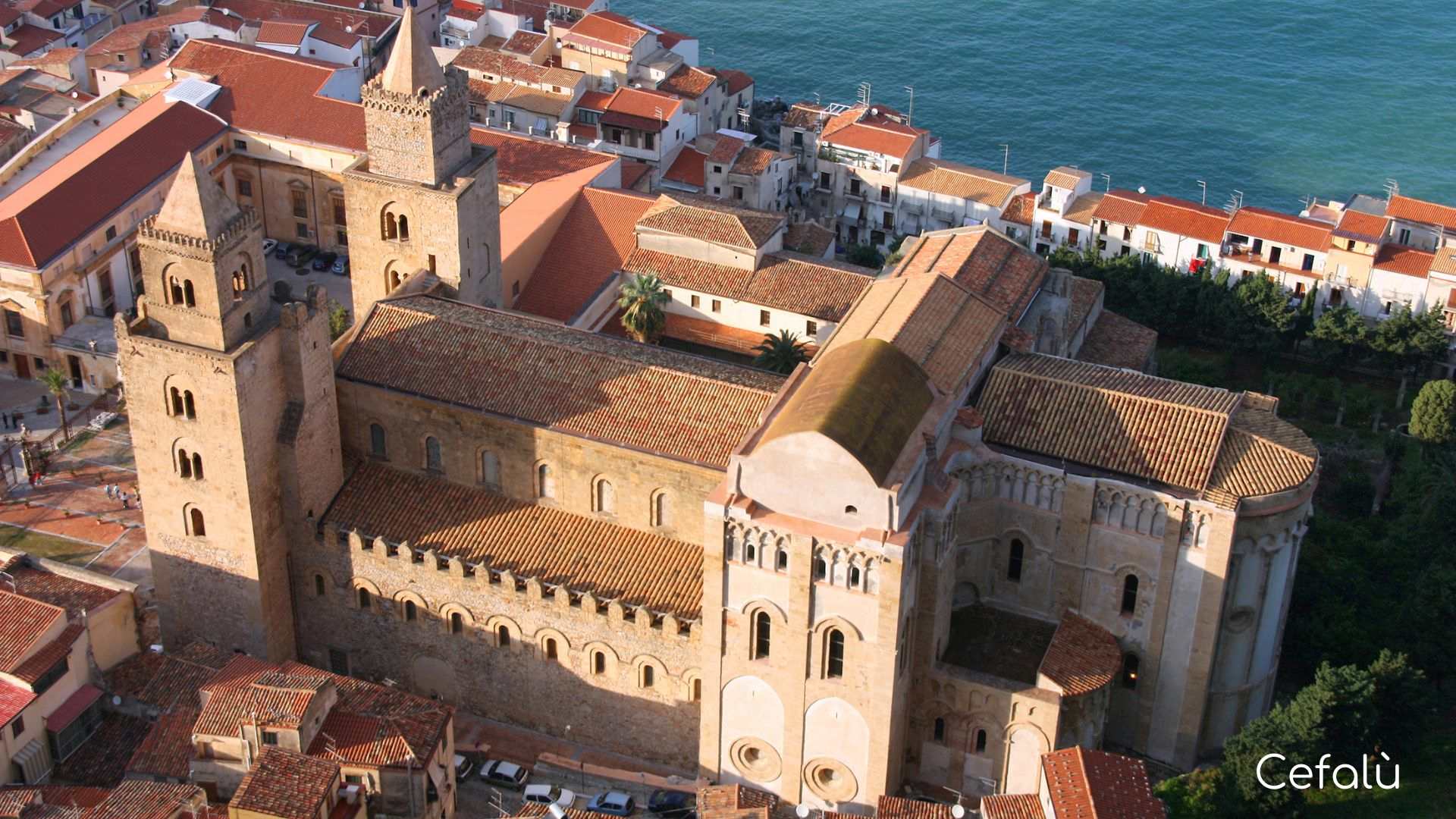
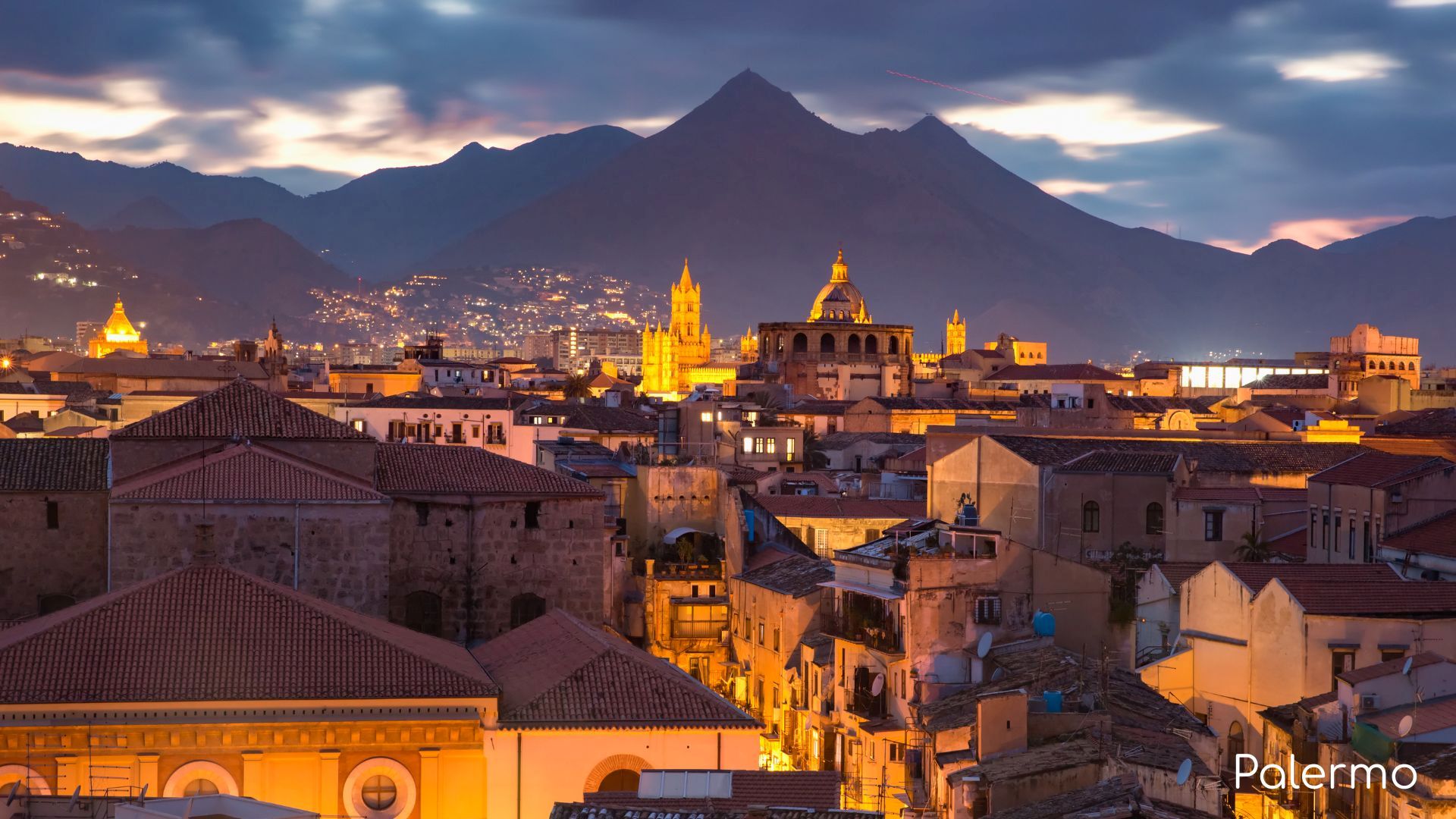
We leave Catania and follow the northern coastline to Cefalù, a picturesque town where the sea meets steep rock and Norman history. Here we visit the magnificent cathedral, begun by King Roger II in 1131 and part of the Arab-Norman Palermo and the Cathedral Churches of Cefalù and Monreale UNESCO World Heritage site, with its celebrated 12th-century mosaic of Christ. We stroll down Corso Ruggero, the medieval main street lined with artisan workshops, boutiques and pasticcerie, and lunch is your own choice. We then continue for about an hour to Palermo, Sicily’s former royal capital, where we check into our central luxury hotel and share a relaxed group dinner.
Meals: B, D
Overnight: Palermo
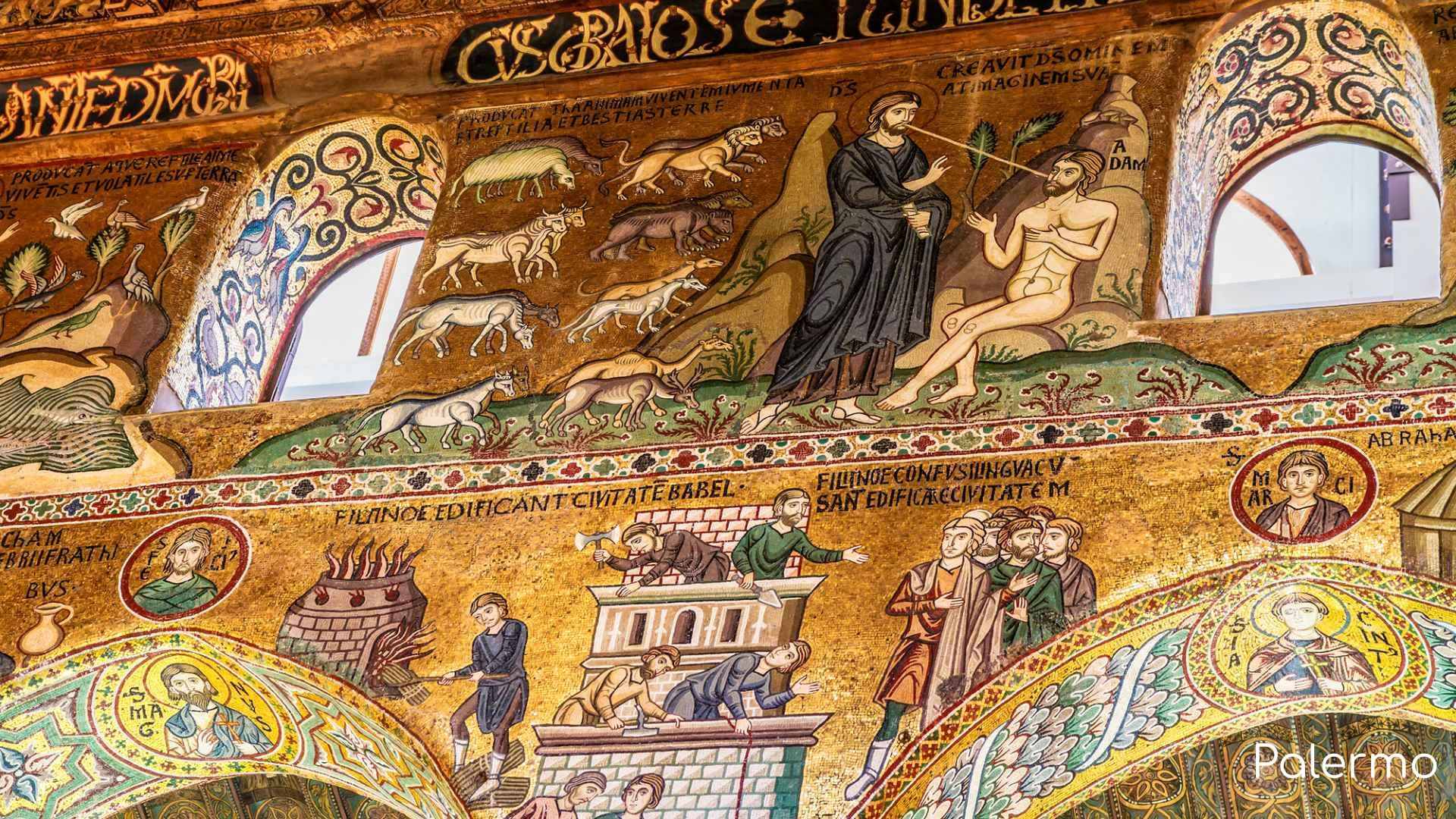
Today, we explore how Sicily’s medieval rulers turned a crossroads island into a center of royal power. We visit the Palazzo dei Normanni and its glittering Cappella Palatina, the palace chapel of King Roger II, whose mosaics and carved ceilings draw on Greek, Arab and Latin artistic traditions, then walk to the churches of La Martorana and San Cataldo. After another delightful Sicilian lunch in the hills, we explore Monreale’s great cathedral and cloister, founded by King William II in 1174 and also part of the Arab-Norman UNESCO listing. In the evening, there is an optional visit to Santa Maria dello Spasimo in the Kalsa district, a roofless, deconsecrated 16th-century church that now hosts the Sicilia Jazz Festival. When concert schedules align with your stay, we can arrange tickets. Dinner tonight is at your leisure.
Meals: B, L
Overnight: Palermo
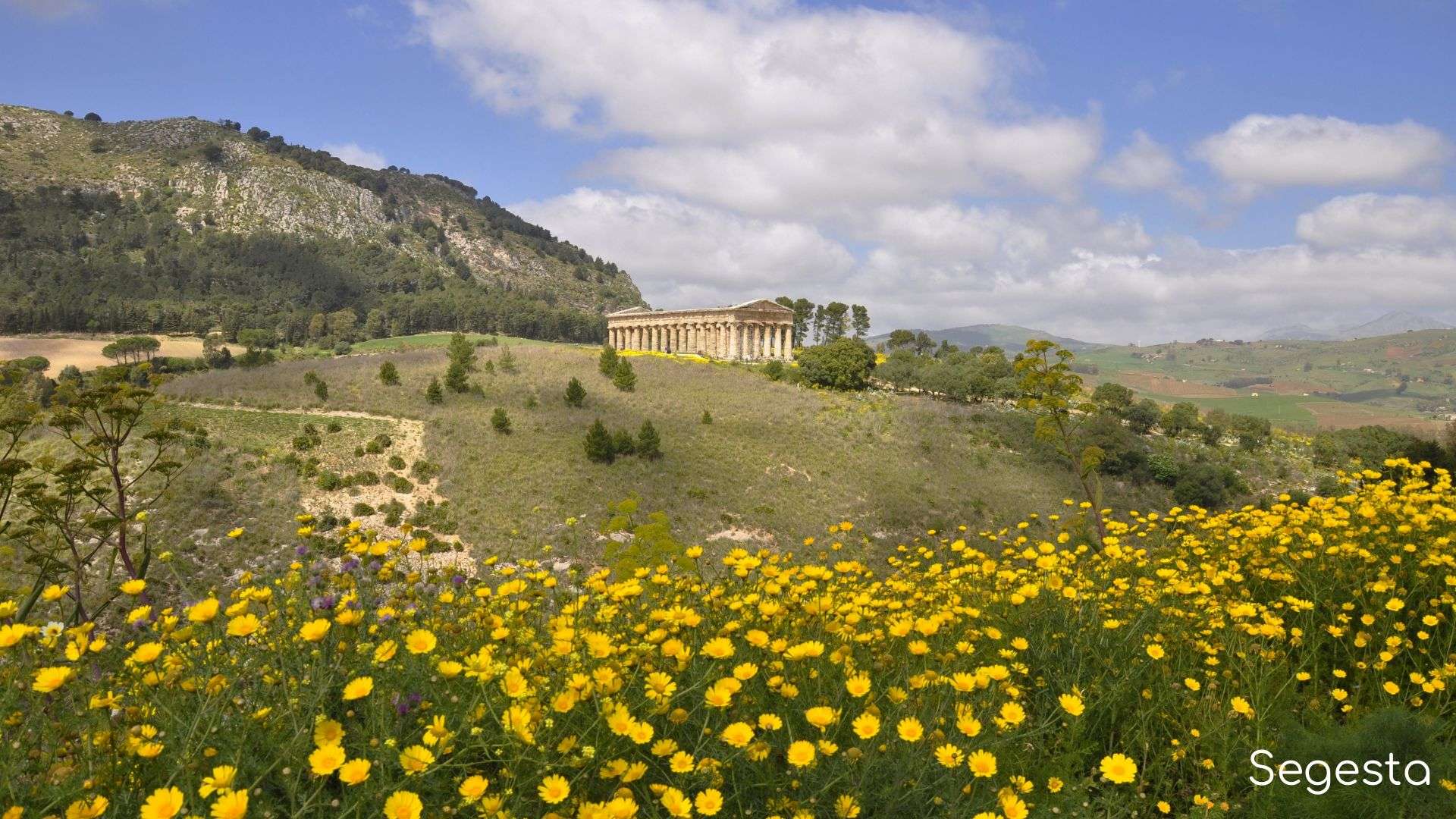
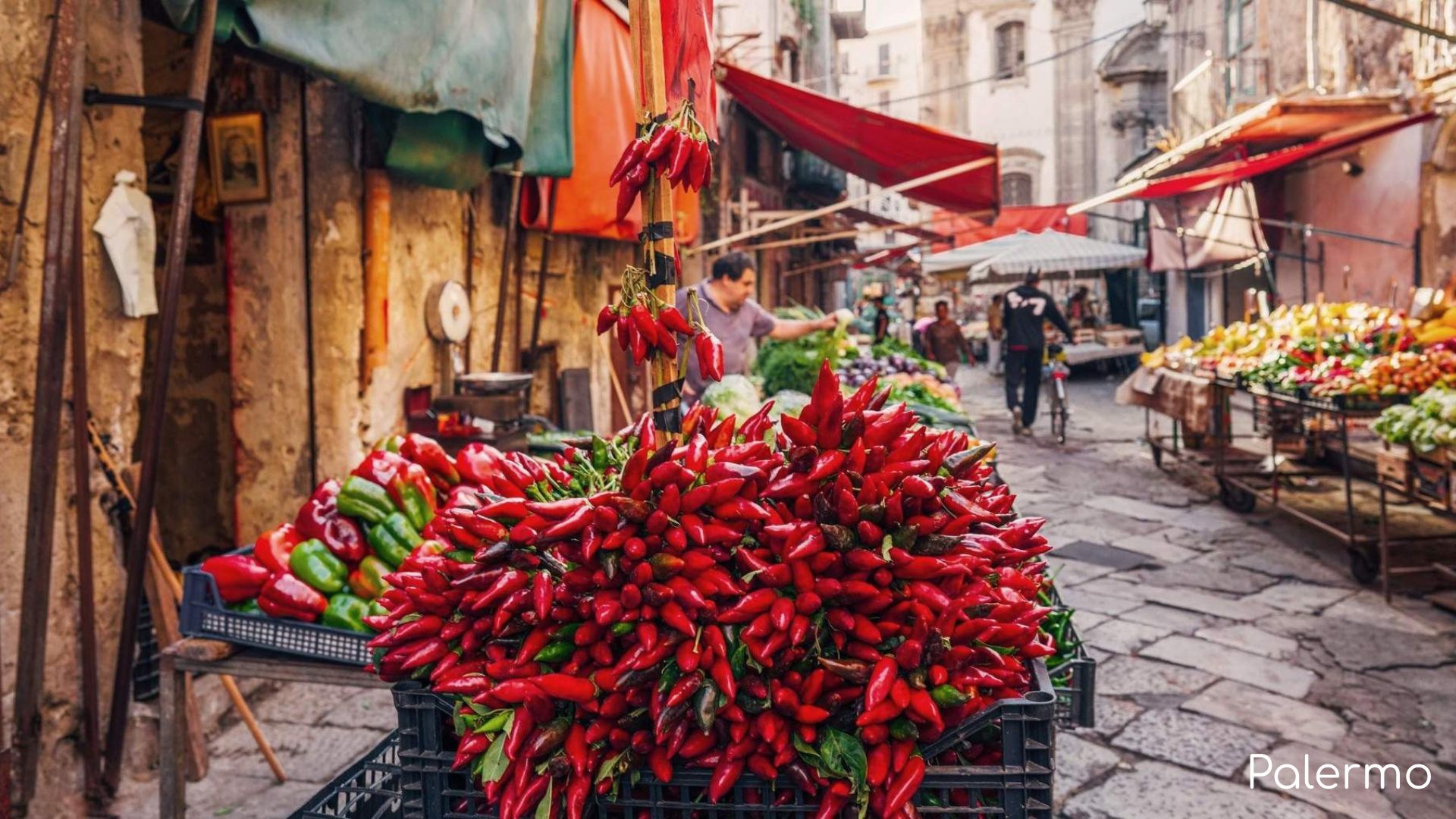
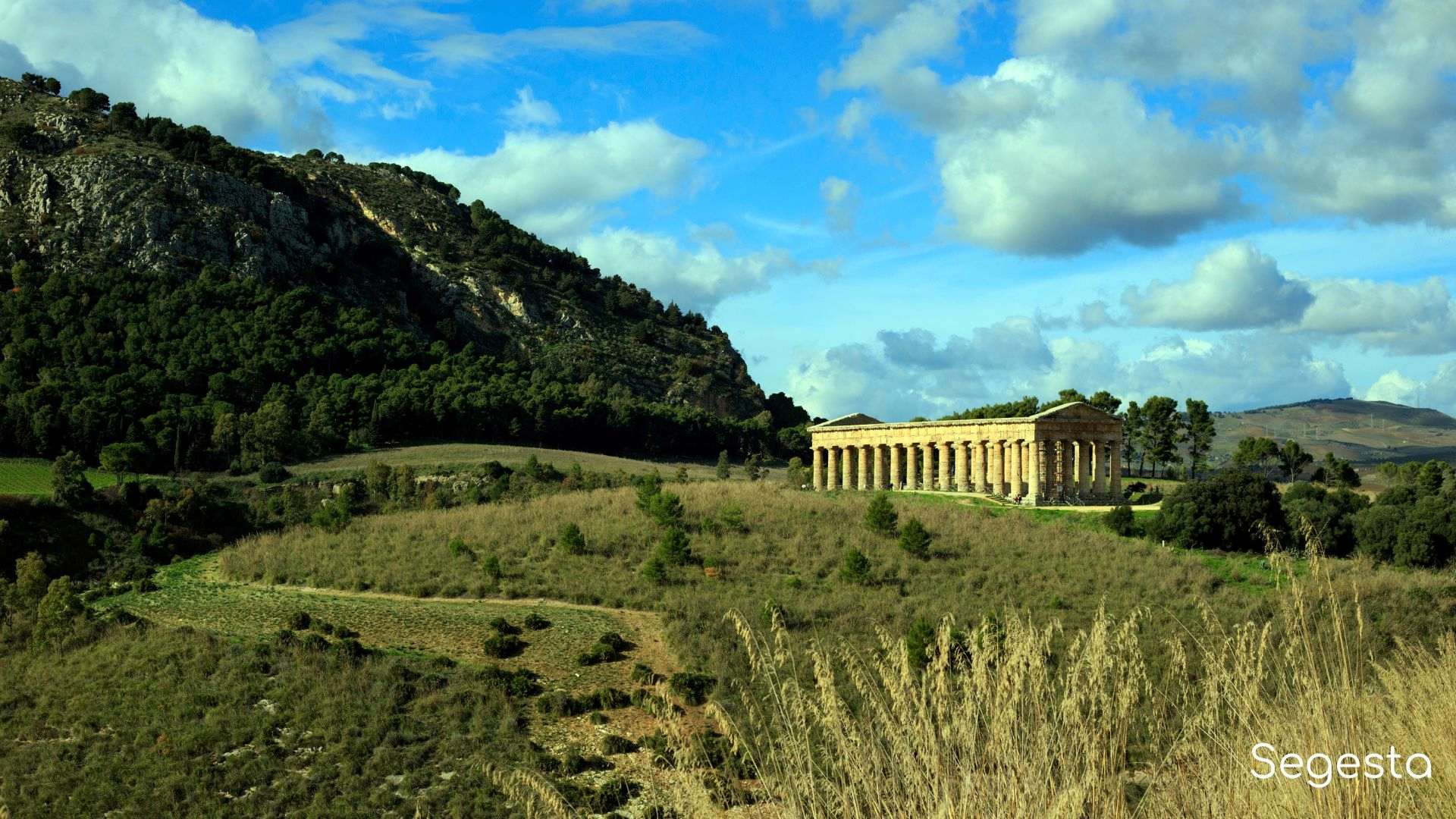
This morning, we explore the markets and street food of Palermo. Feeling very full, we then bid farewell to vibrant Palermo and get our archaeological juices flowing as we head to Segesta, about an hour away. Segesta was once an Elymian city that adopted the Greek temple form, and our archaeologist guide gives us a private tour of its superbly preserved Doric temple, left unfinished in the late 5th century BC, and its hilltop theater with views over the Gulf of Castellammare. In the late afternoon, we travel to Marsala, our base for exploring Sicily’s Phoenician and maritime past.
Meals: B, D
Overnight: Marsala
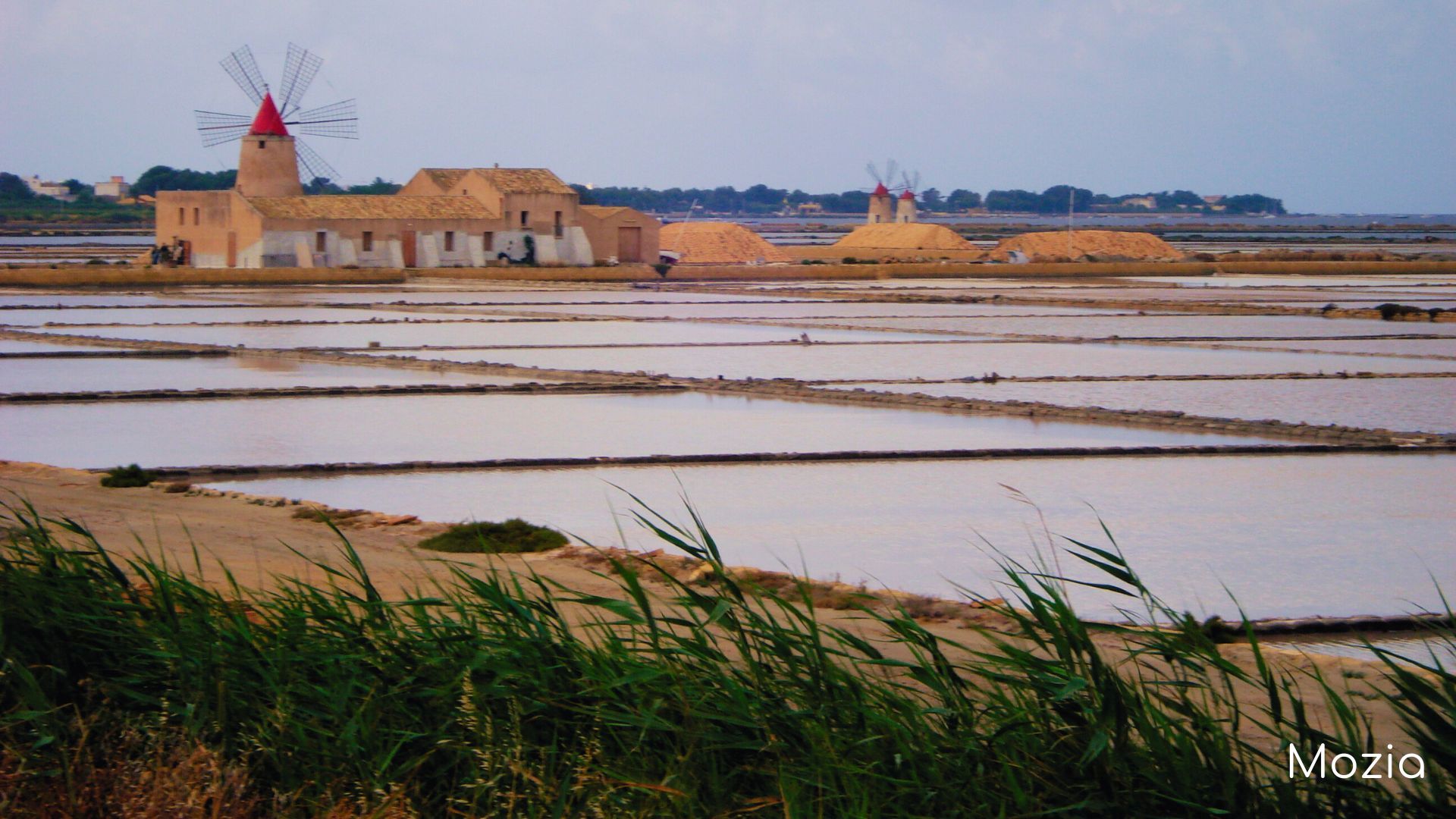
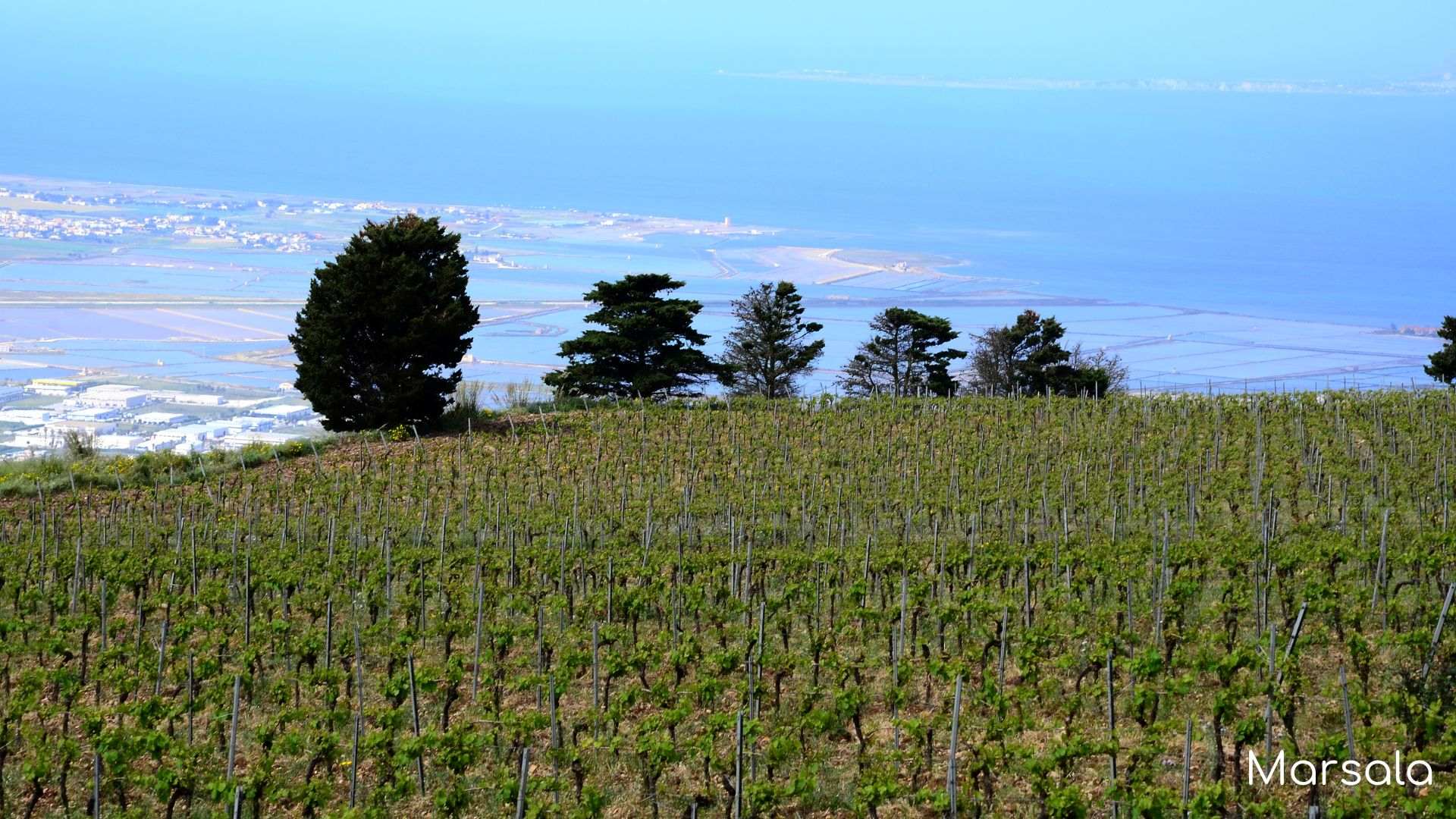
We drive across flat coastal saltlands to the Stagnone lagoon and take a short boat ride to Mozia (Motya), once a key Phoenician settlement. With your archaeologist guide, we walk among its remains and visit the Whitaker Museum, home to the famous “Young Man of Mozia,” a marble statue of the 5th century BC. Back on the mainland, we visit a Marsala winery for tastings and lunch, then walk among the Marsala salt pans and their traditional windmills, where the salt trade shaped this coast from Phoenician times onward. Dinner tonight is at your leisure.
Meals: B, L
Overnight: Marsala
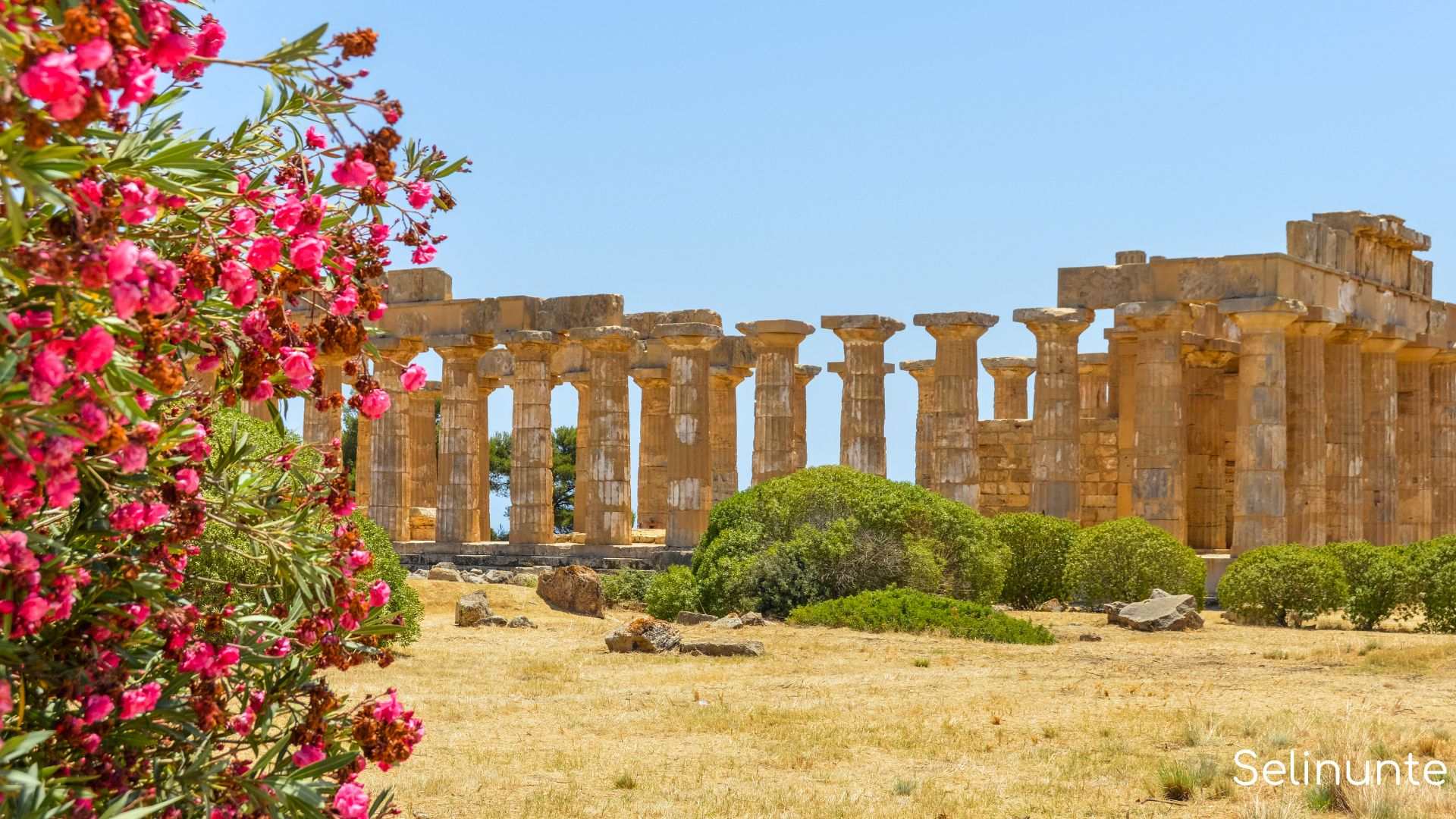
Today our focus turns fully to Greek colonization and the rise and fall of a great city. We drive south to Selinunte, one of the largest Greek archaeological sites in the Mediterranean, founded in the 7th century BC on a promontory above the sea. As you walk through its temple districts, city walls and Acropolis, your guide explains how the city grew powerful through agriculture and trade, until Carthage destroyed it in 409 BC. In the afternoon, we continue east into the Agrigento countryside and settle into a charming agriturismo, a working farm and historic estate, for a home-cooked dinner made from local produce.
Meals: B, L, D
Overnight: Agrigento
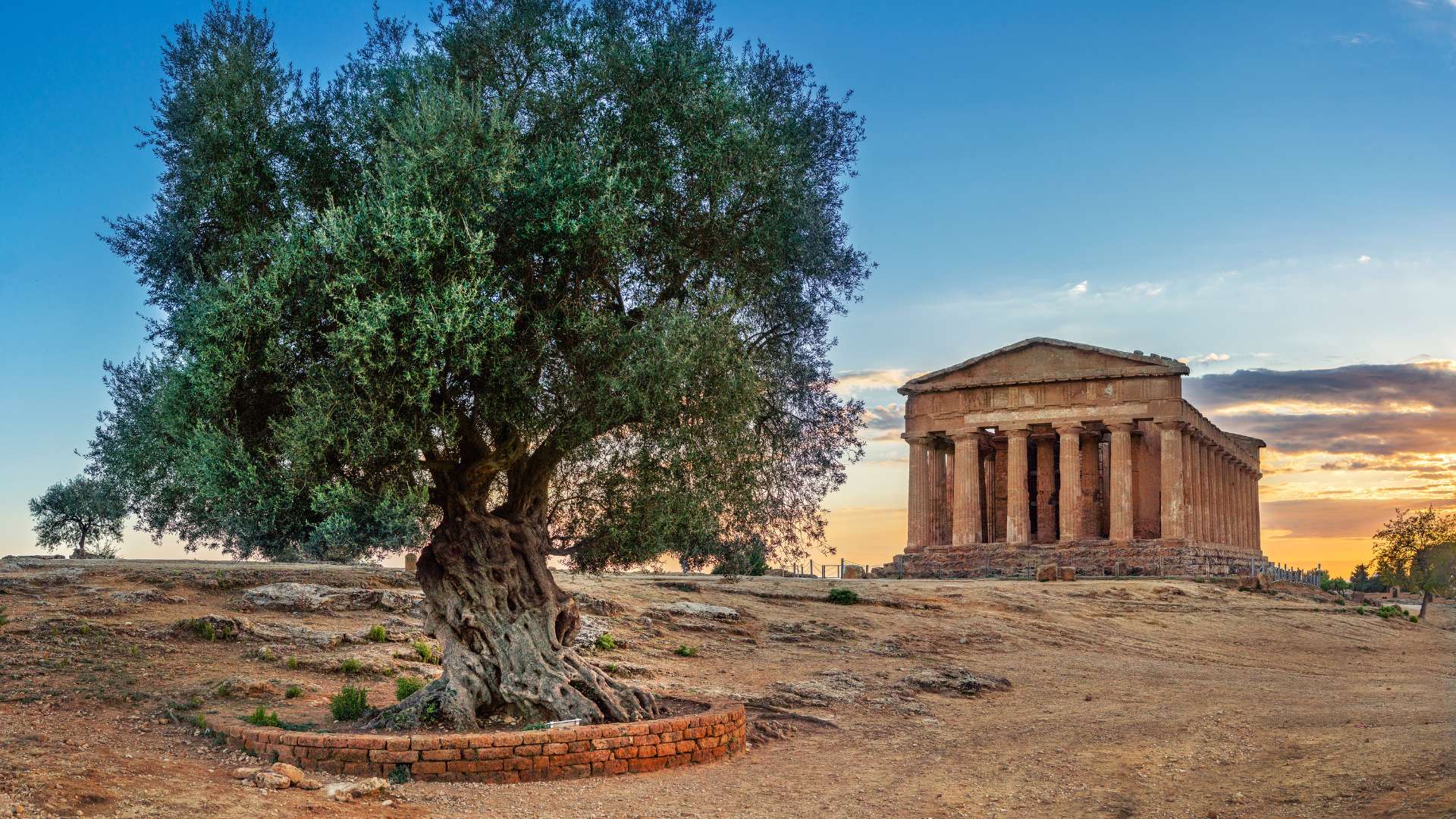
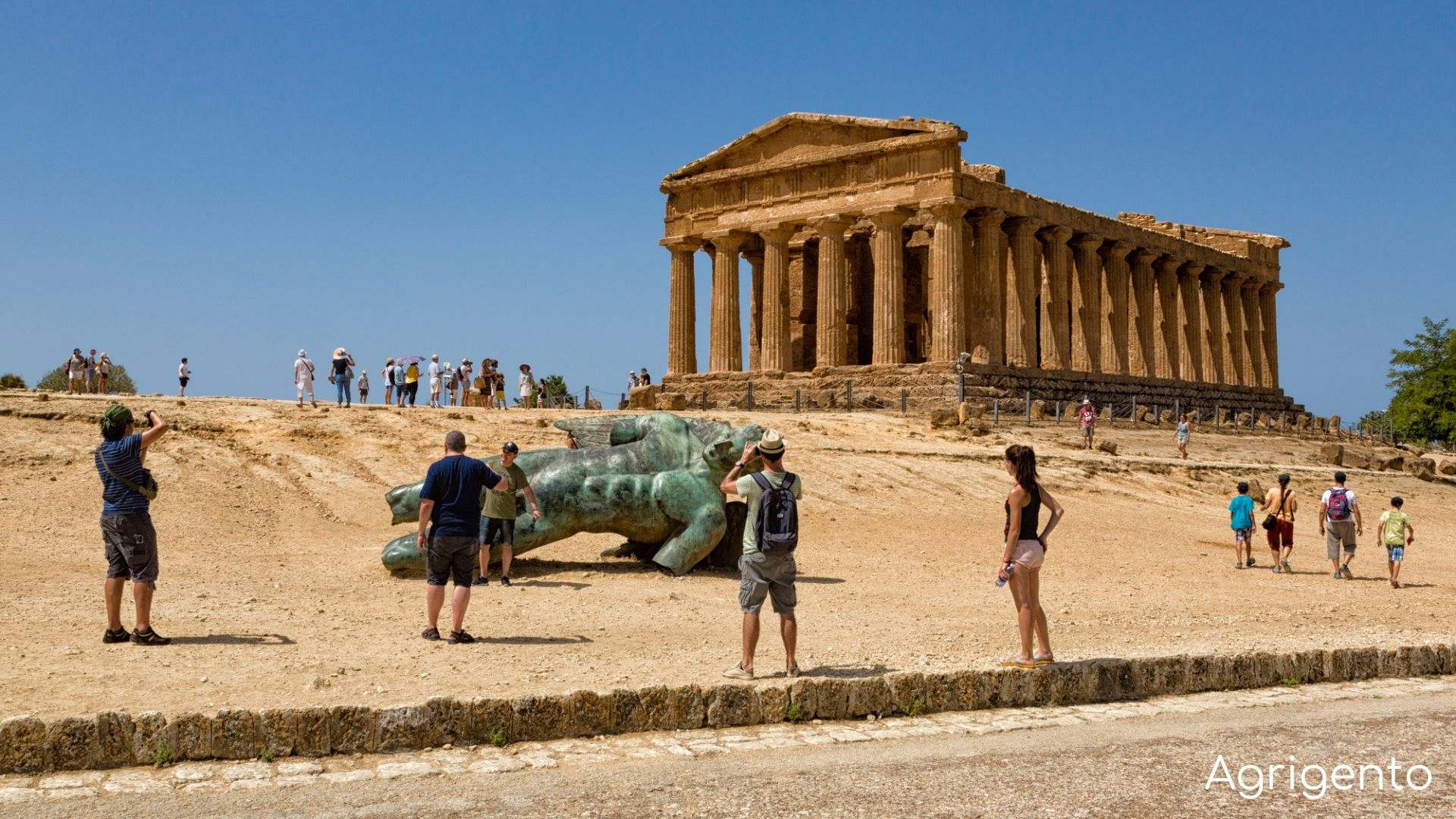
We head to the Valley of the Temples at Agrigento, a UNESCO World Heritage site and one of the most important ensembles of Greek temples anywhere, built by the Greek city of Akragas, founded around 580 BC. On a detailed walk along the ridge with our archaeologist guide, we take in temples such as Juno, Concordia, Heracles and Zeus, their columns silhouetted against fields and sea. After a break and lunch, the Regional Archaeological Museum and its colossal telamones from the Temple of Olympian Zeus help you connect sculptures to the buildings you have just walked through. We head back to our agriturismo to relax before another authentic Sicilian countryside meal.
Meals: B, L, D
Overnight: Agrigento
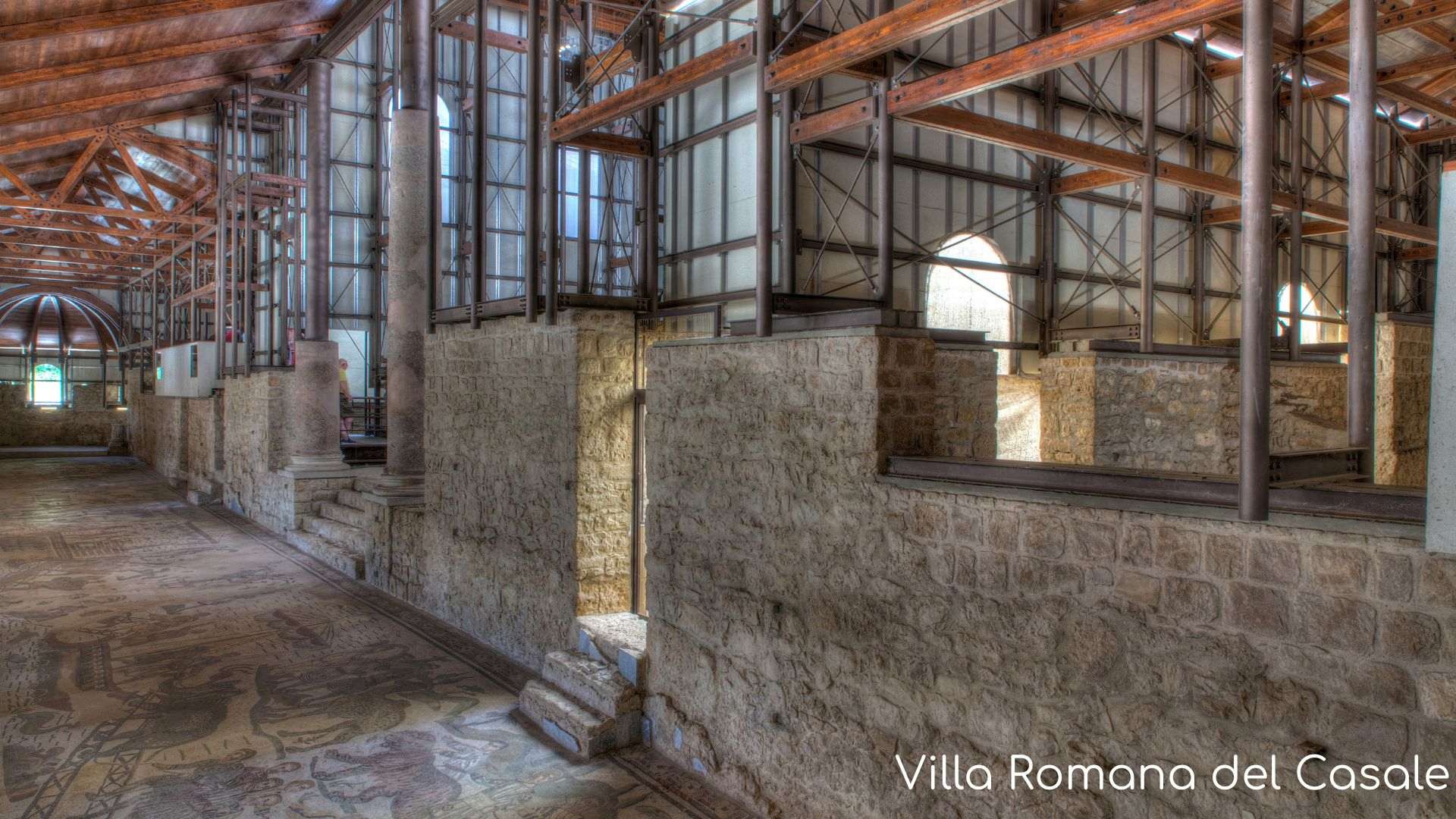
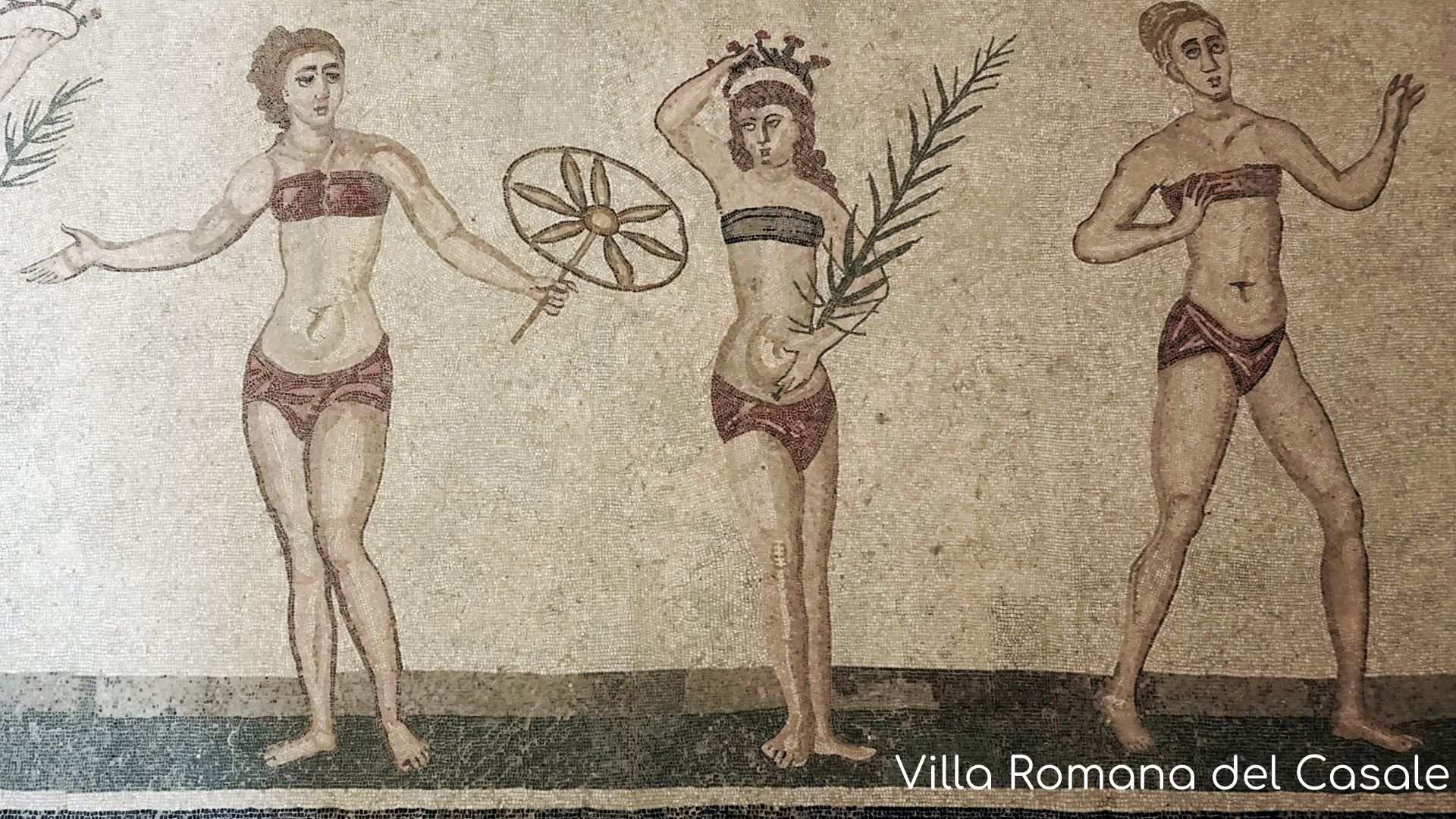
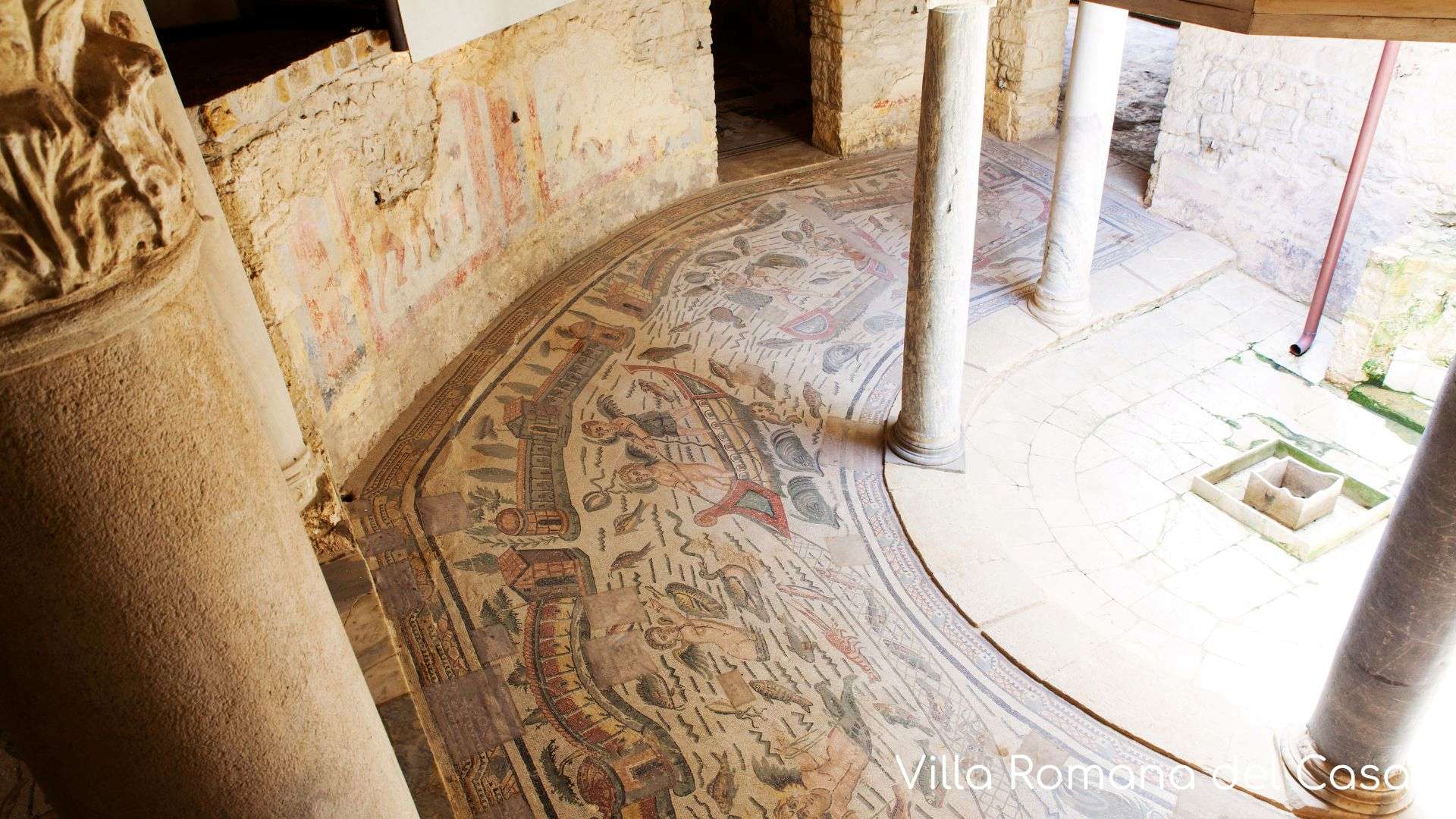
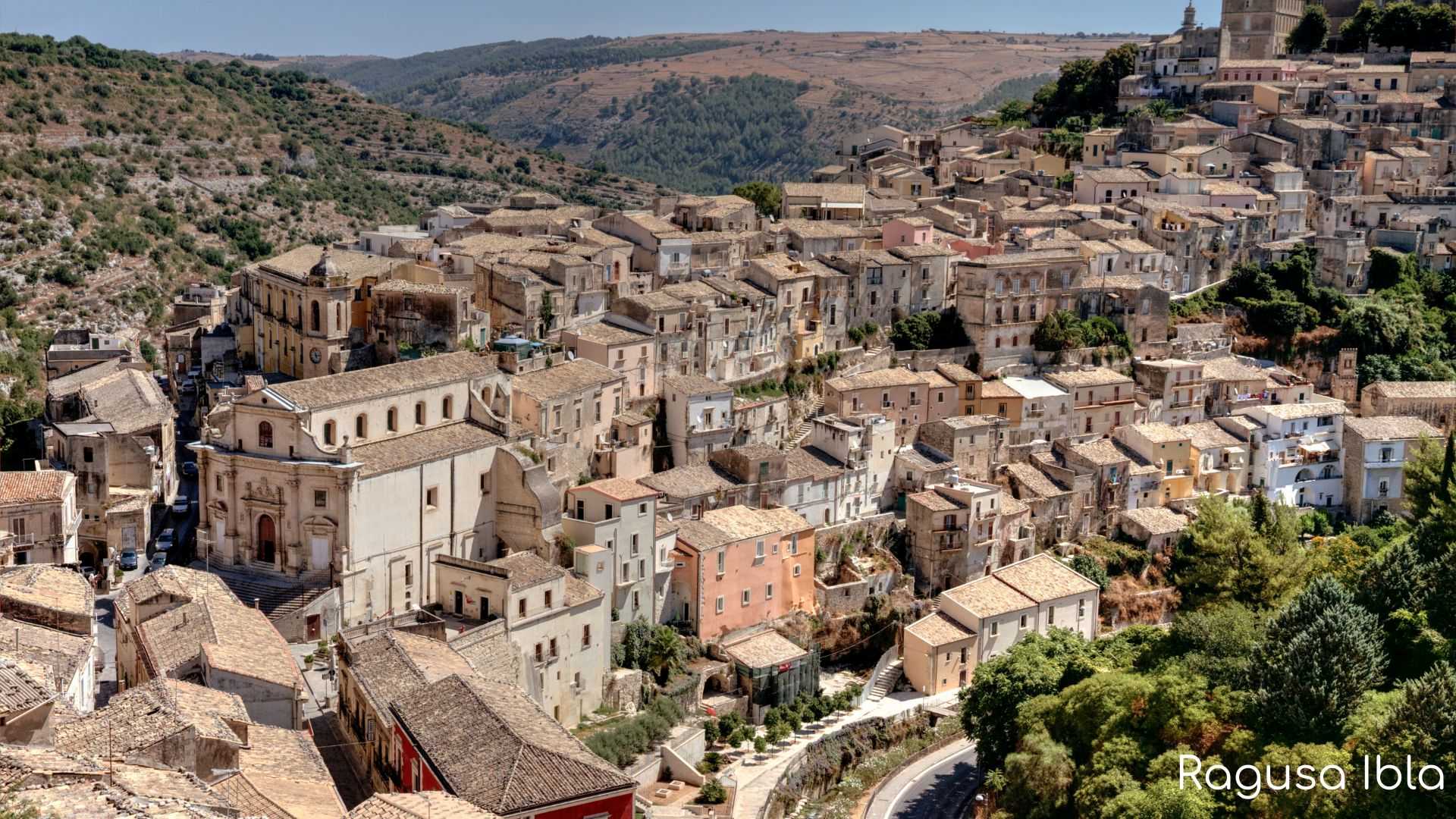
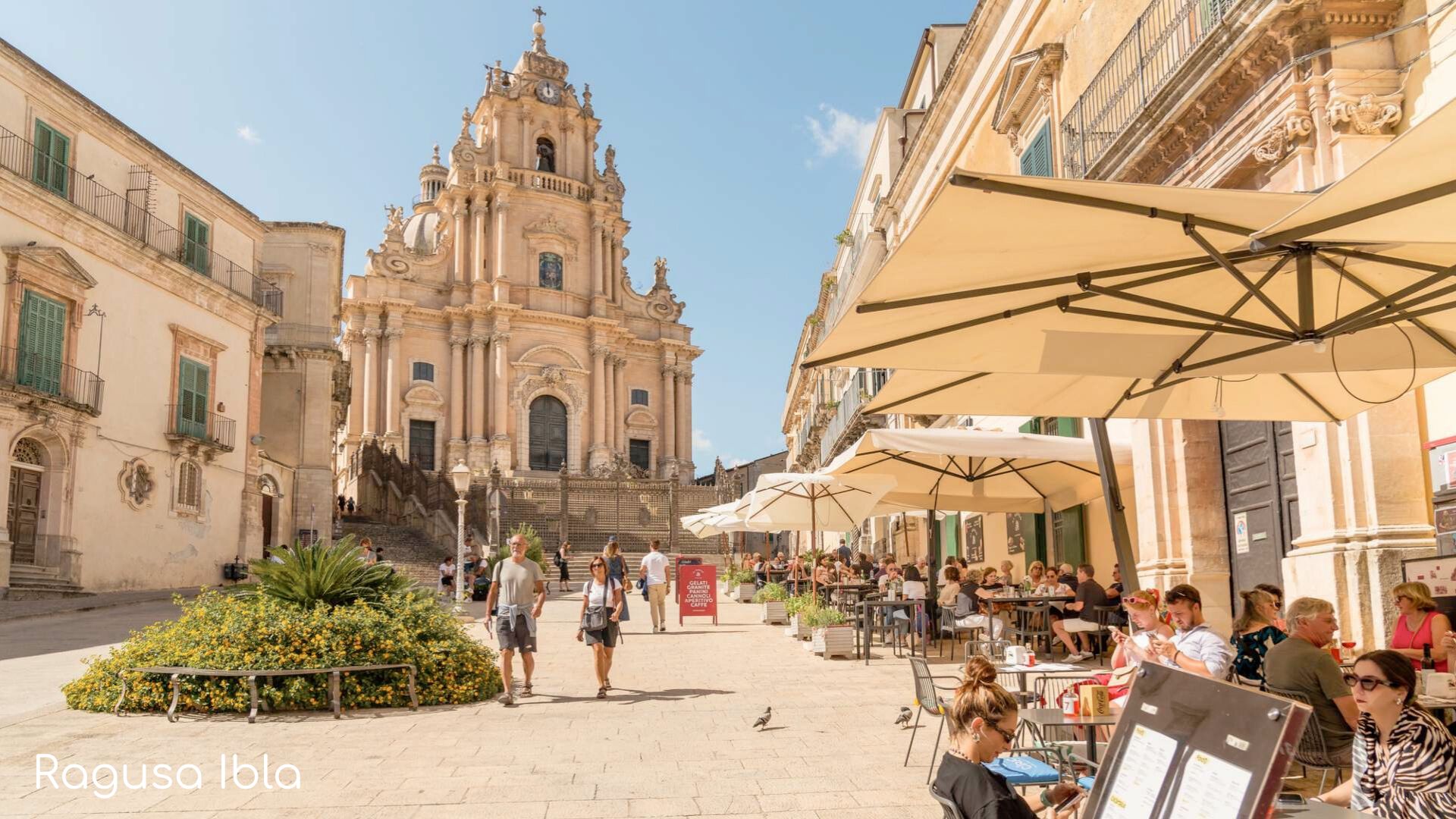
Leaving the Agrigento countryside, we drive inland to Piazza Armerina to visit Villa Romana del Casale, a UNESCO World Heritage late-Roman imperial villa of the early 4th century AD. Room by room, you walk across its mosaic floors of mythology, hunting, sport and daily life, and see how an elite landowner used imagery to project status across the wider empire. After lunch nearby, we continue to Ragusa, a baroque town rebuilt after the 1693 earthquake and perched above a deep ravine, for an orientation walk through its lanes and piazzas. We share dinner at a local restaurant in Ragusa.
Meals: B, L, D
Overnight: Ragusa
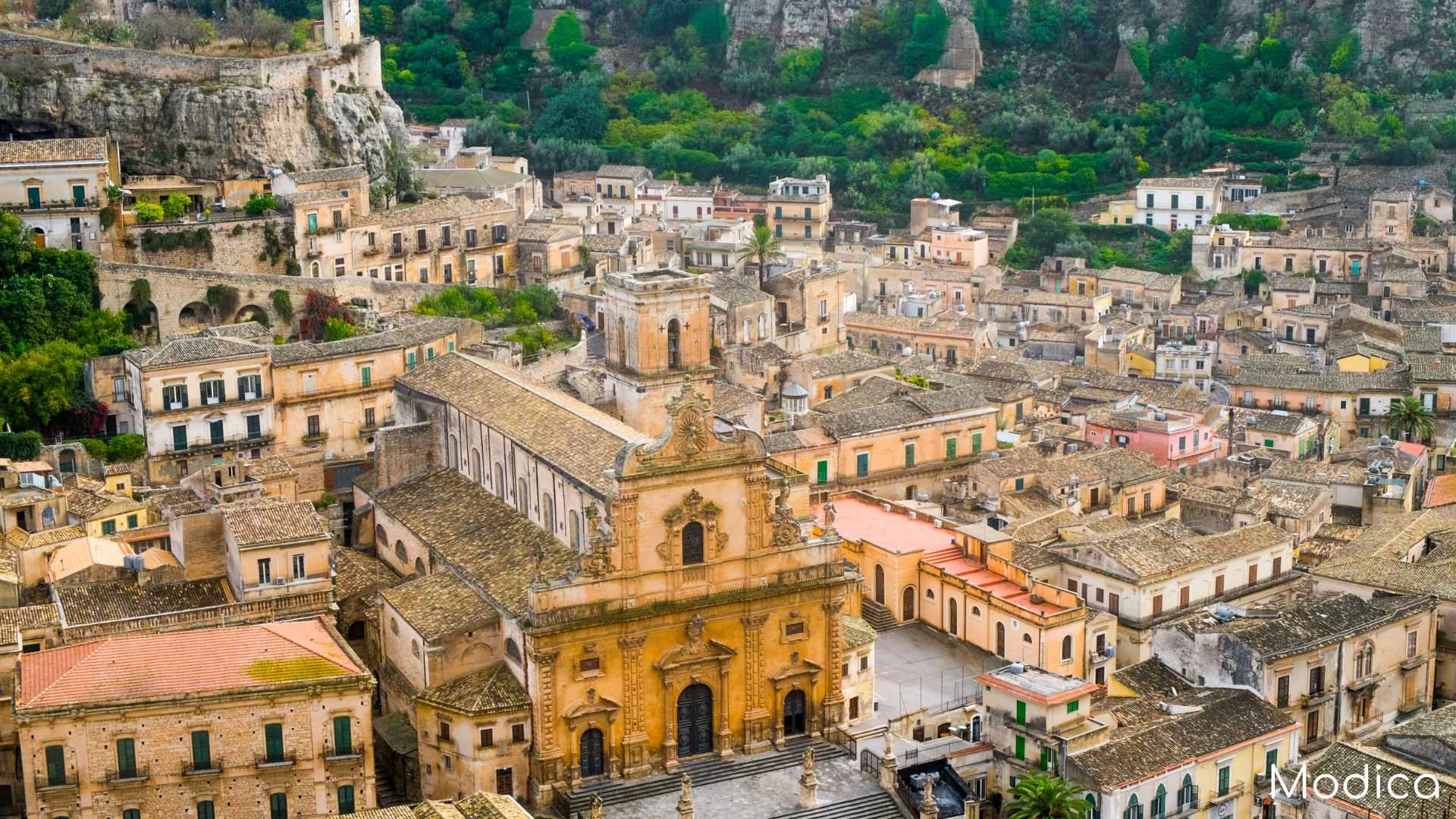
This morning, we explore Ragusa in more depth, visiting the Cathedral of San Giorgio, the public gardens and vistas that show how builders used staircases, piazzas and façades to reshape the town on steep terrain after the earthquake. We then pay a private visit to a celebrated traditional crafts workshop, where master artisans keep Sicily’s folk art alive. After a Sicilian lunch, we drive to nearby Modica, another baroque town set in a dramatic valley, for a hands-on chocolate-making experience in a technique that came to Sicily from the Aztecs through Spanish rule. We return to Ragusa in the late afternoon, with the evening free for independent dining.
Meals: B, L
Overnight: Ragusa
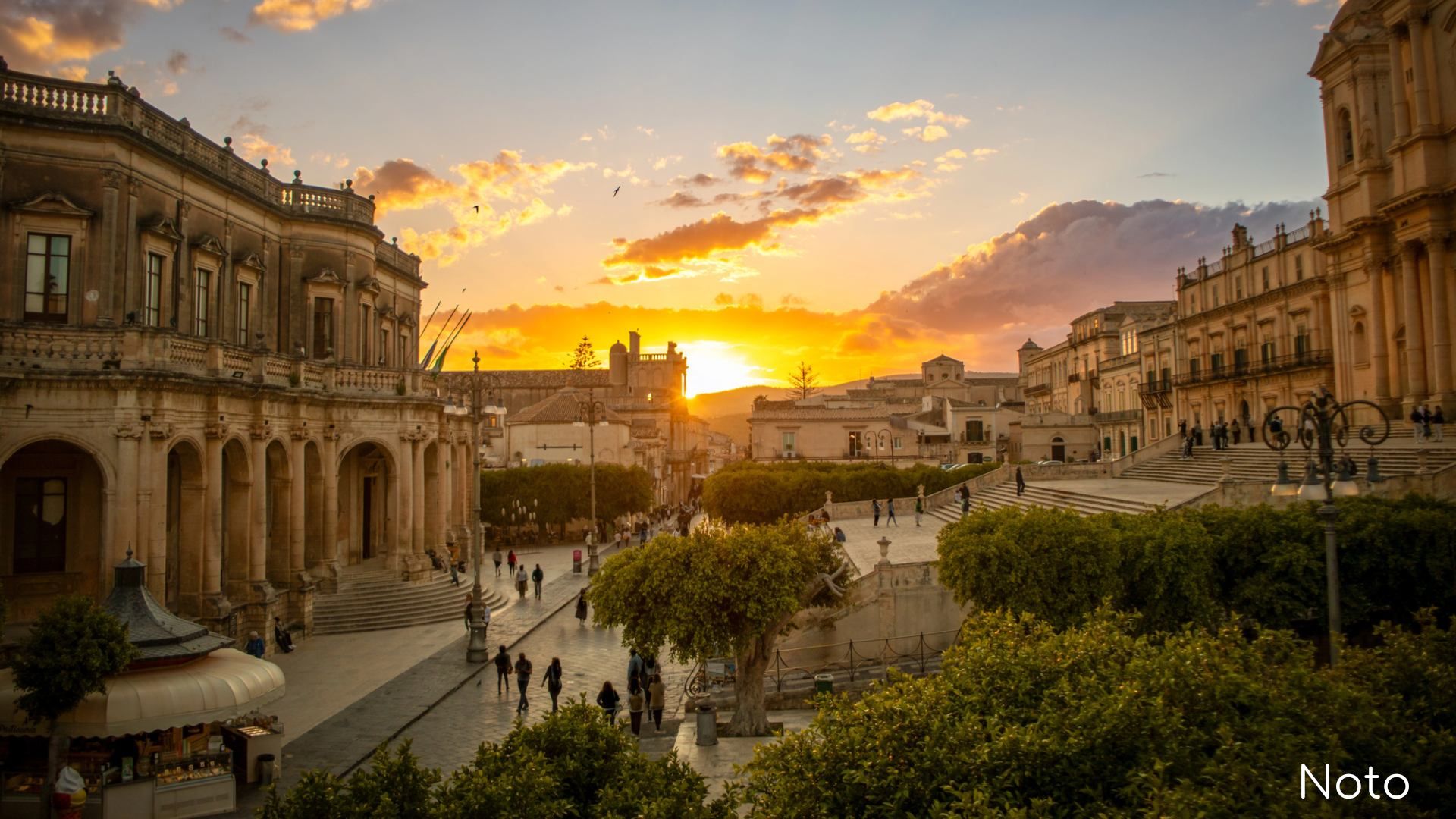
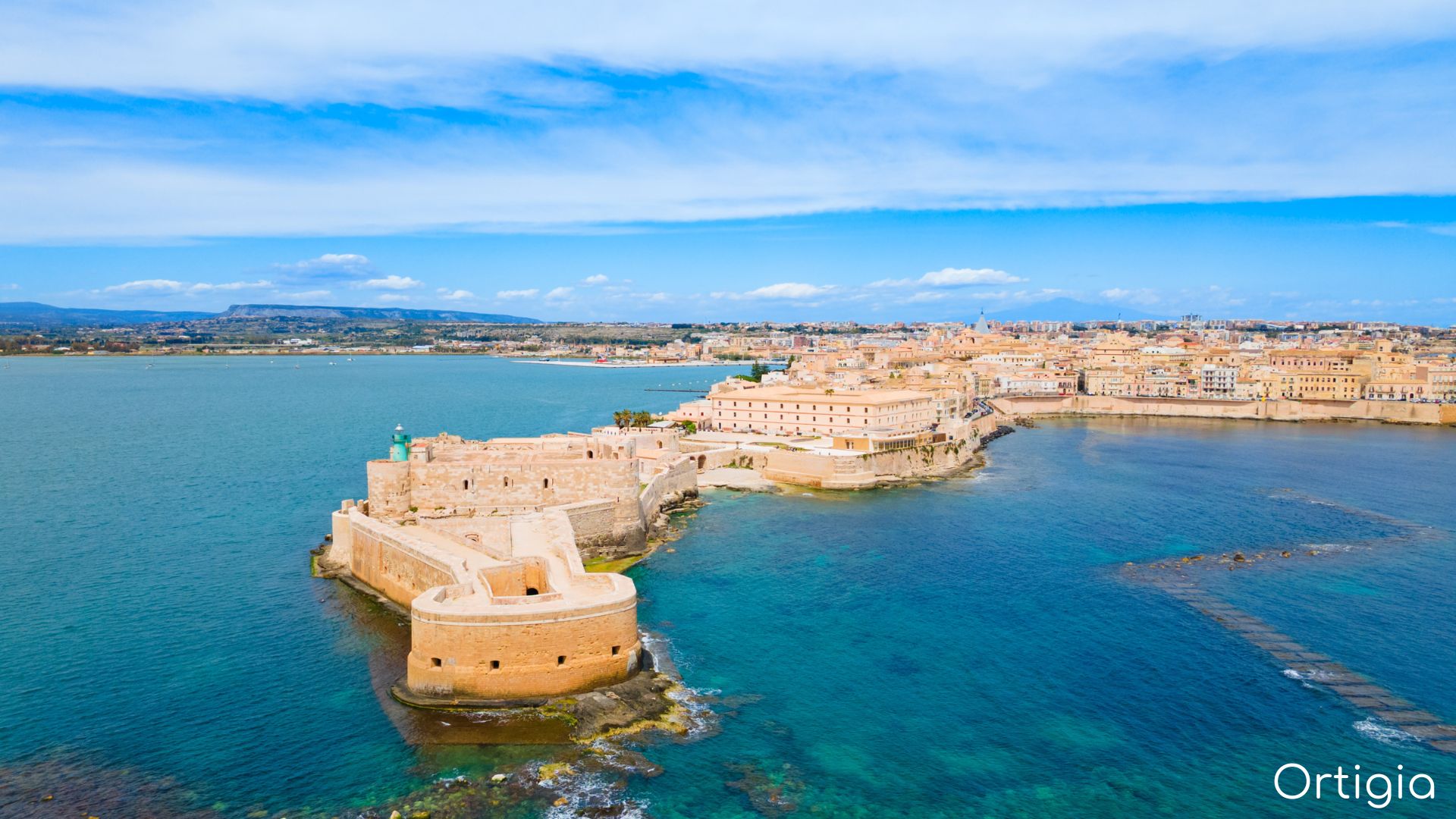
We bid farewell to Ragusa and drive to Noto, often considered the showcase of the Late Baroque Towns of the Val di Noto UNESCO World Heritage site. Walking along Corso Vittorio Emanuele, past the Cathedral of San Nicolò and its palazzi, your guide shows how Noto’s plan was conceived almost from scratch after the earthquake. After lunch, we continue to Ortigia, the historic island heart of Syracuse, settled by Greeks from Corinth in the 8th century BC. We check into our hotel, stroll the waterfront past the 6th-century BC Temple of Apollo, and dine together this evening in Ortigia.
Meals: B, L, D
Overnight: Ortigia
We focus on Syracuse as a major Greek and later Roman power. At the Neapolis Archaeological Park, part of the Syracuse and the Rocky Necropolis of Pantalica UNESCO World Heritage site, we spend the morning exploring the Greek theater, Roman amphitheater, Altar of Hieron II and the stone quarries (latomie), including the famous Ear of Dionysius. After lunch, we visit the Paolo Orsi Archaeological Museum, one of Italy’s most important collections, where your guide selects key pieces that tell the story of Greek colonization and the indigenous Sicel cultures. The evening is at leisure in Ortigia.
Meals: B, L
Overnight: Ortigia
This morning we walk to the Museo del Papiro “Corrado Basile.” The Ciane River area is one of the few places outside Egypt where papyrus grows naturally, and we watch a demonstration of traditional papyrus-paper making. We then travel north toward Taormina, stopping in Aci Trezza for a memorable coastal lunch. Its volcanic sea stacks are the rocks the Cyclops Polyphemus hurled at Odysseus in Homer’s Odyssey. In the afternoon, we check into our boutique hotel in Taormina and head out on a small-boat excursion around Isola Bella and the Gulf of Giardini Naxos, site of the first Greek colony in Sicily, with Etna rising inland and, with luck, dolphins.
Meals: B, L, D
Overnight: Taormina
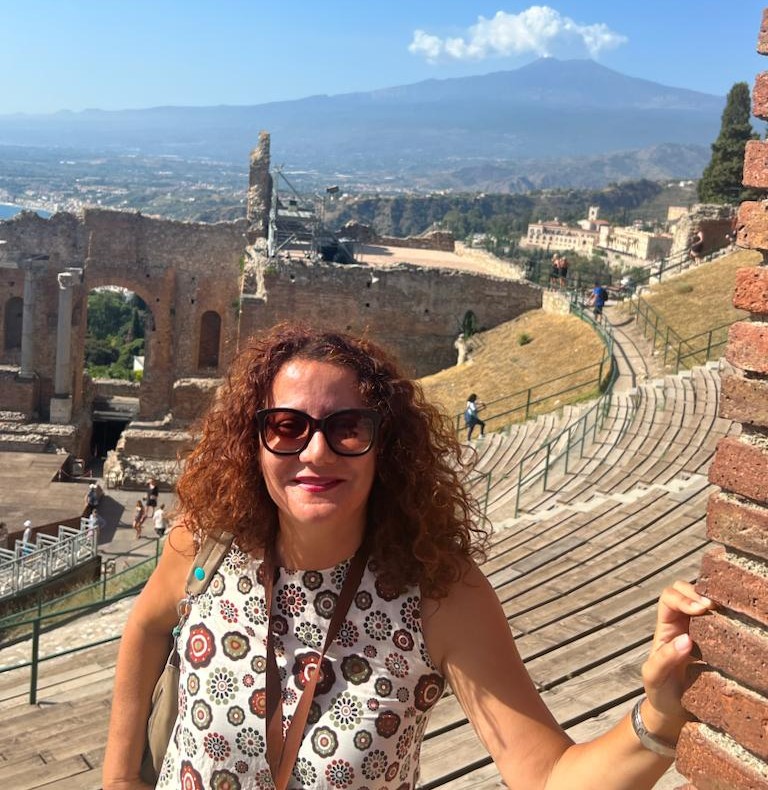
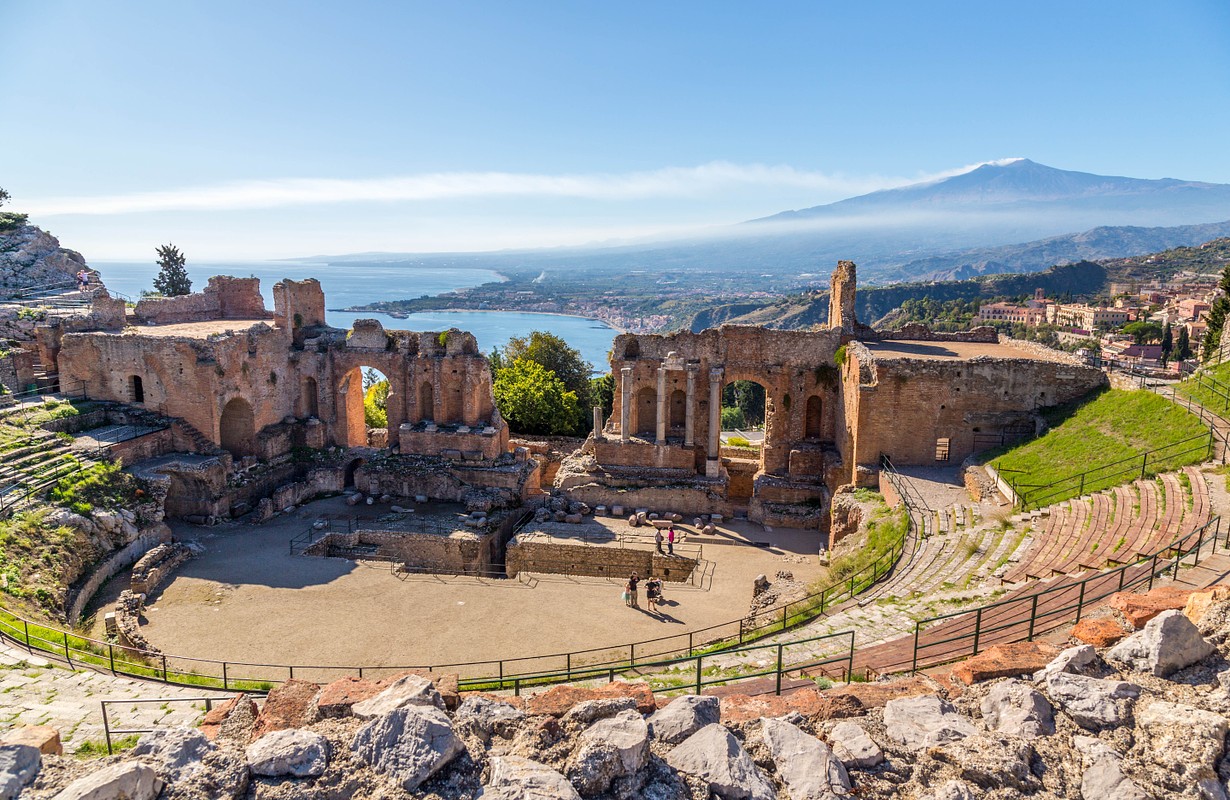
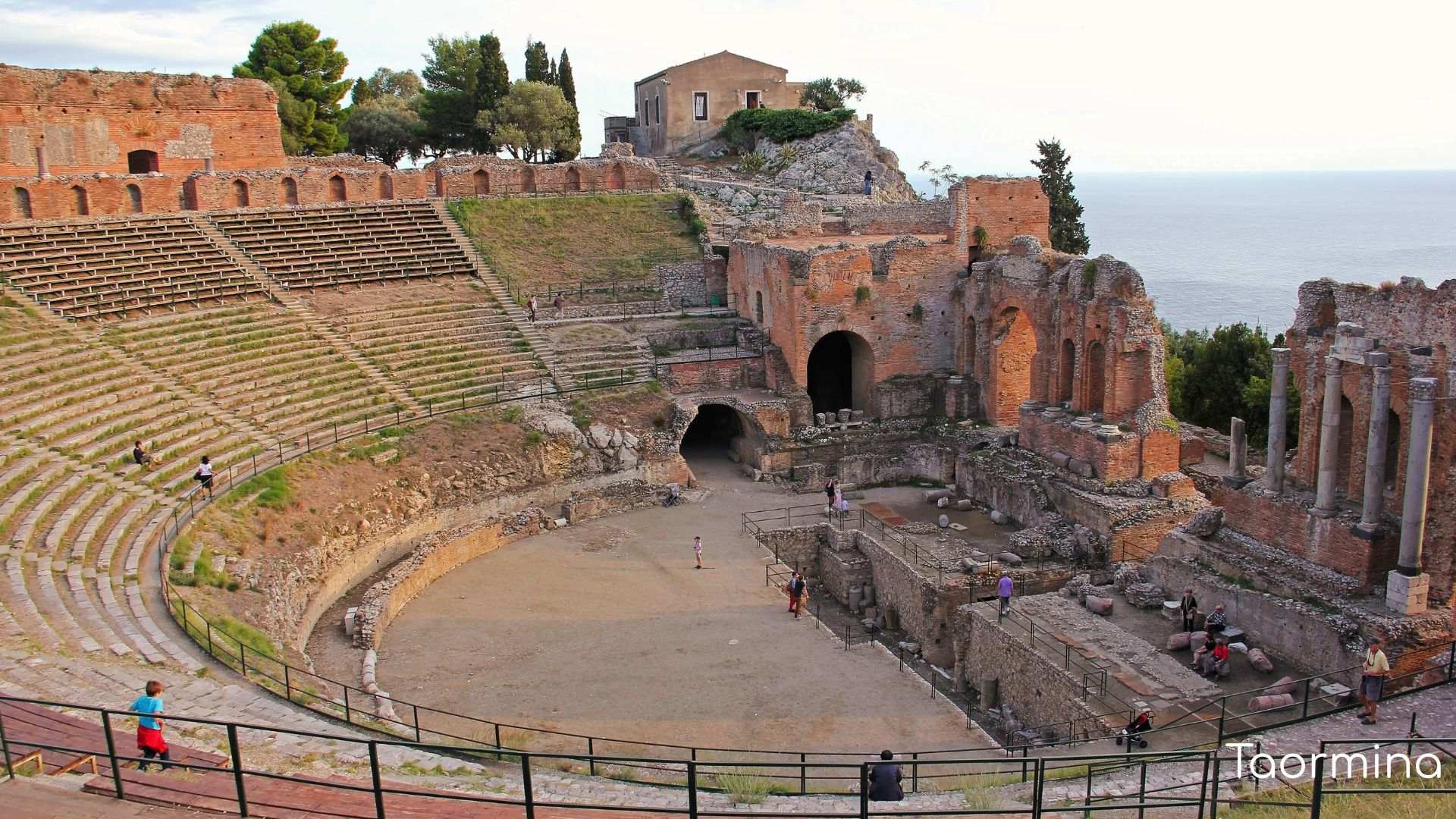
Our guide leads an orientation walk through Taormina, a town whose history spans Greek, Roman, medieval and modern resort phases. The rest of the day is free for shopping, independent exploration, or simply relaxing and enjoying the views over the sea and mountains. In the late afternoon, we visit the ancient theater (Teatro Greco), one of the world’s most dramatically sited, looking out over the coast to Etna. We come together this evening for a final Sicilian dinner to celebrate the memories and insights gathered over the past three weeks.
Meals: B, D
Overnight: Taormina
After breakfast, we return to Catania airport. Our tour ends here.
Fino alla prossima volta (until next time!)
Meals: B

Dr. Huw Groucutt is a Welsh archaeologist based in Malta who specializes in how climate change shaped human prehistory. He currently digs at several sites in Malta and is a lecturer in Mediterranean prehistory. He trained at Sheffield (BA Archaeology, MSc Palaeoanthropology) and Oxford (DPhil Archaeological Science).
His research uses stone tool analysis to understand how people adapted across the Mediterranean, Southwest Asia and North Africa. He has done fieldwork in Malta, Arabia and Senegal, and studies how prehistoric communities responded to environmental change during the Quaternary period.
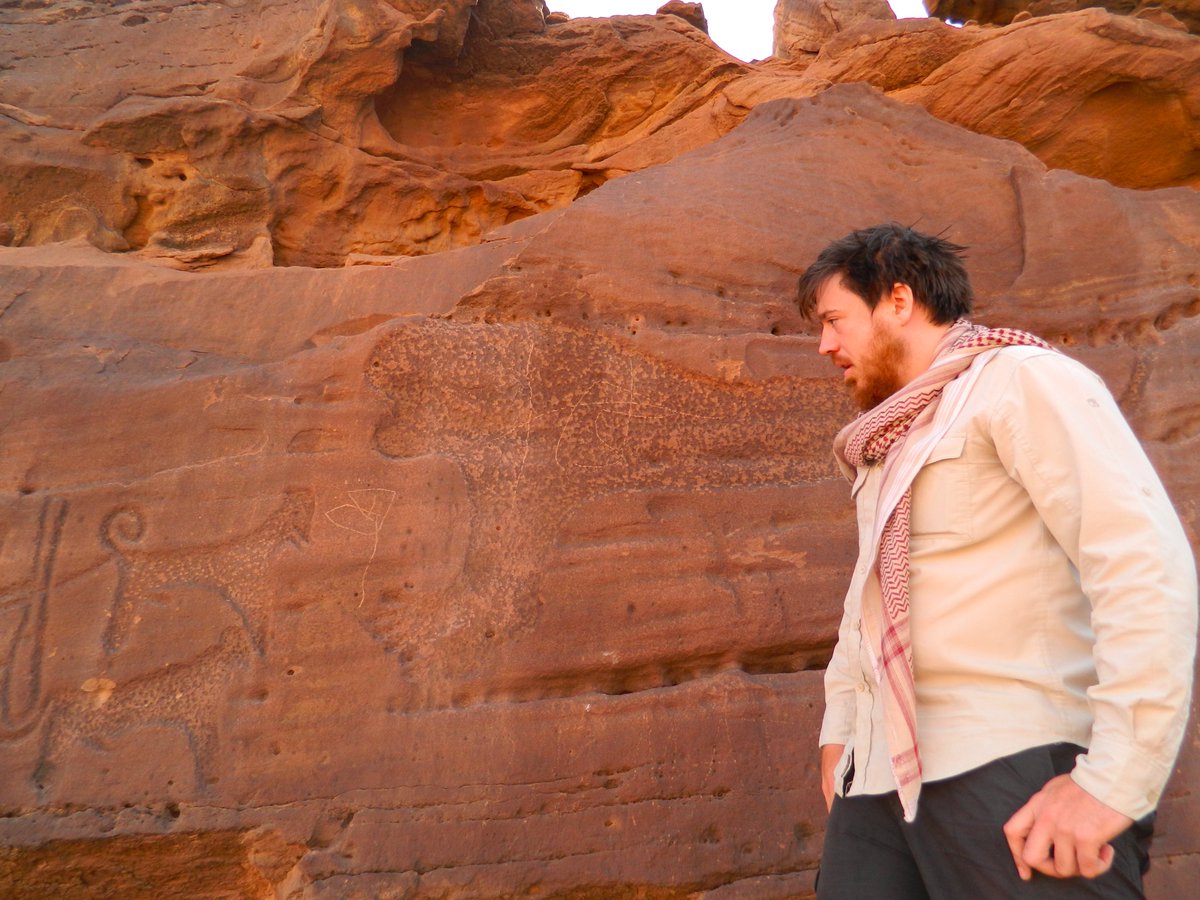
Dr. Annalisa Costa, B.A. (Rome), B.A. (Milan), Ph.D. (Trento), is a Sicilian archaeologist and licensed regional tour guide who brings the island’s ancient past vividly to life. She holds multiple degrees in archaeology from La Sapienza University in Rome and the University of Milan, specializing in prehistoric developments in the Ancient Near East, and completed her PhD research at the University of Trento on pottery production techniques and experimental archaeology. Her academic work spans excavations in Italy, Turkey, and Switzerland, as well as collaborations with universities, museums, and cultural organizations.
Annalisa has also studied the rock art engravings of Valcamonica, a UNESCO World Heritage site, adding a deep understanding of prehistoric imagery and ritual to her expertise. Her Sicily tours, especially around Catania and Taormina, are infused with a passion for prehistory, archaeology, and Sicilian history and culture, weaving together landscapes, monuments, and everyday life to show how the island’s rich past still shapes its present.
Annalisa was amazing! She was very well-versed in the history of the area, and her expertise is in archaeology. She also gave us a flavor of local traditions. One of the most interesting aspects of our tour was when she took us to a small shop where papyrus is used to hand-make paper. Truly fascinating!
The tour with Annalisa was a lot more than we expected. We were excited to visit Syracuse and wanted to see especially the parts of the ancient times (first/second punic war). We went through every ancient historic site (archaelogical parc in Neapolis is highly recommended), she showed us hidden gems and really nice places while she explained, very understandably, the history of the city. This tour had been a (perhaps the) highlight of our Sicily tour. Highly recommended.
Excellent Tour! Annalisa was knowledgeable and made our tour interesting and informative. Her archeological knowledge was a bonus!
Our small-group guided tours are physically active. Clambering around archaeological sites, castles and fortresses is part of the Take Me To Europe experience, and Europe has stairs everywhere. On our Malta and Sicily tour, you will need to be able to:
Malta is full of citadels, so there is some uphill walking, especially in Valletta. Sicily’s large archaeological parks mean a couple of hours of walking at each site, at an easy pace with breaks.
The price includes 22 nights in boutique and luxury hotels, 22 breakfasts, 15 lunches and 15 dinners, guiding by archaeologists and local guides, all site and museum entrance fees in the itinerary, the flight from Malta to Sicily, and all scheduled land and boat transport.
You explore Malta’s megalithic temples of Ħaġar Qim, Mnajdra, Ta’ Ħaġrat, Ħal Tarxien and Ġgantija, the Ħal Saflieni Hypogeum, and key museums in Valletta and on Gozo. You then continue to Sicily for Mount Etna, the Neapolis Archaeological Park and Ortigia in Syracuse, the Valley of the Temples at Agrigento, Selinunte, Segesta, Mozia (Motya), Villa Romana del Casale at Piazza Armerina, and the Arab-Norman and baroque towns of Cefalù, Palermo, Monreale, Ragusa Ibla, Modica, Noto and Taormina.
Our Malta and Sicily tour follows one story across two islands, so each day builds on the last. In Malta, archaeologists from the University of Malta, including Dr. Huw Groucutt, guide us through the temples. In Sicily, archaeologist and licensed regional guide Dr. Annalisa Costa takes you from Greek colonization through Roman villas, Arab-Norman kings and baroque rebuilding after the 1693 earthquake. We take no more than 12 guests, so there is time for your questions.
Entry to the Ħal Saflieni Hypogeum is strictly limited, so we book group tickets well in advance and build that day of the itinerary around our confirmed time slot. Your entrance, guiding and transfers are included.
The tour runs for 23 days and 22 nights, starting in Malta and continuing on to Sicily, so you follow the historical story northward across the central Mediterranean without any gap days between the two islands.
Yes, it is physically active. You should be able to walk and stand for up to three hours at a time, often on uneven stone, slopes and steps. That includes temple sites, citadels and the historic streets of Valletta, Mdina, the Three Cities and Victoria on Gozo, and in Sicily the Valley of the Temples, Selinunte, Segesta, Neapolis Archaeological Park and the hill towns of the Val di Noto. We pace the tour for curious travelers rather than athletes and stop whenever needed. If you have significant mobility limitations, please contact us before booking so we can advise on suitability.
A typical day begins with breakfast at your hotel, followed by guided visits to temples, archaeological sites, churches, museums and historic quarters. Most touring days include lunch together, and there is some time at leisure in the late afternoon or evening.
The group is limited to 12 guests, so your archaeologist guides can give in-depth explanations, answer questions easily and move comfortably through narrow streets and archaeological areas.
You spend seven nights in a restored 17th-century baroque palace in central Valletta. In Sicily you stay in carefully selected boutique and luxury hotels in historic centers, including character properties in Catania, Palermo, Marsala, the Agrigento countryside, Ragusa Ibla, Ortigia (Syracuse) and Taormina.
Fall is the best time for a Malta and Sicily trip, and it is when we run this tour. Both islands are warm and sunny then, with milder temperatures and fewer crowds than in summer, which suits outdoor archaeological parks and historic towns.
You arrange your own flights into Malta at the beginning and out of Sicily (usually from Catania) at the end; we include a private arrival transfer in Malta on Day 1 and a group transfer from Taormina to Catania airport on the last day, and your tour materials provide recommended flight windows and connection guidance. Your flight between the two islands on Day 8 is included in the tour price.

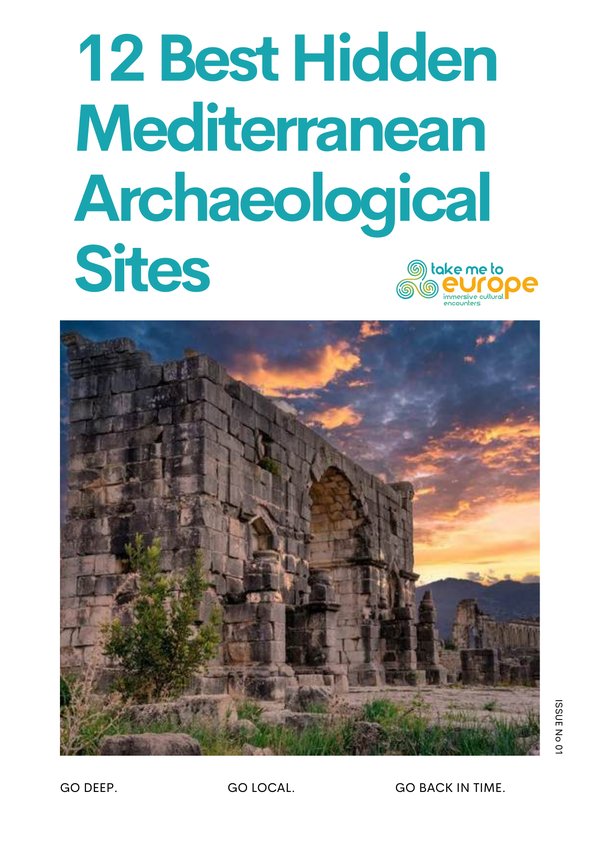
Free 16-page guide
Written by archaeologists. Submerged Roman villas, underground cities and abandoned Greek quarries –, with maps, access details and what to see at each.
One email a week. Unsubscribe anytime.