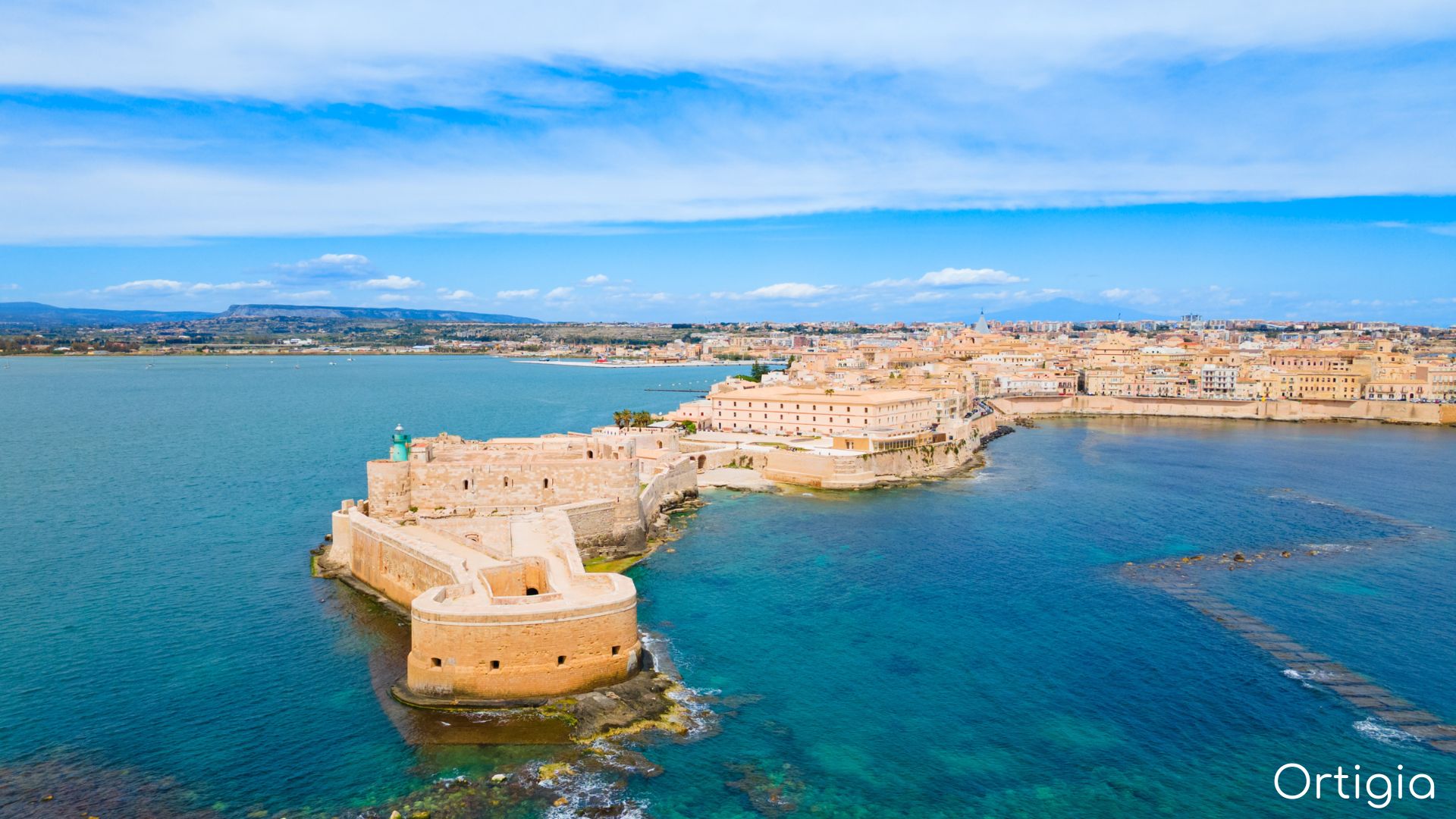
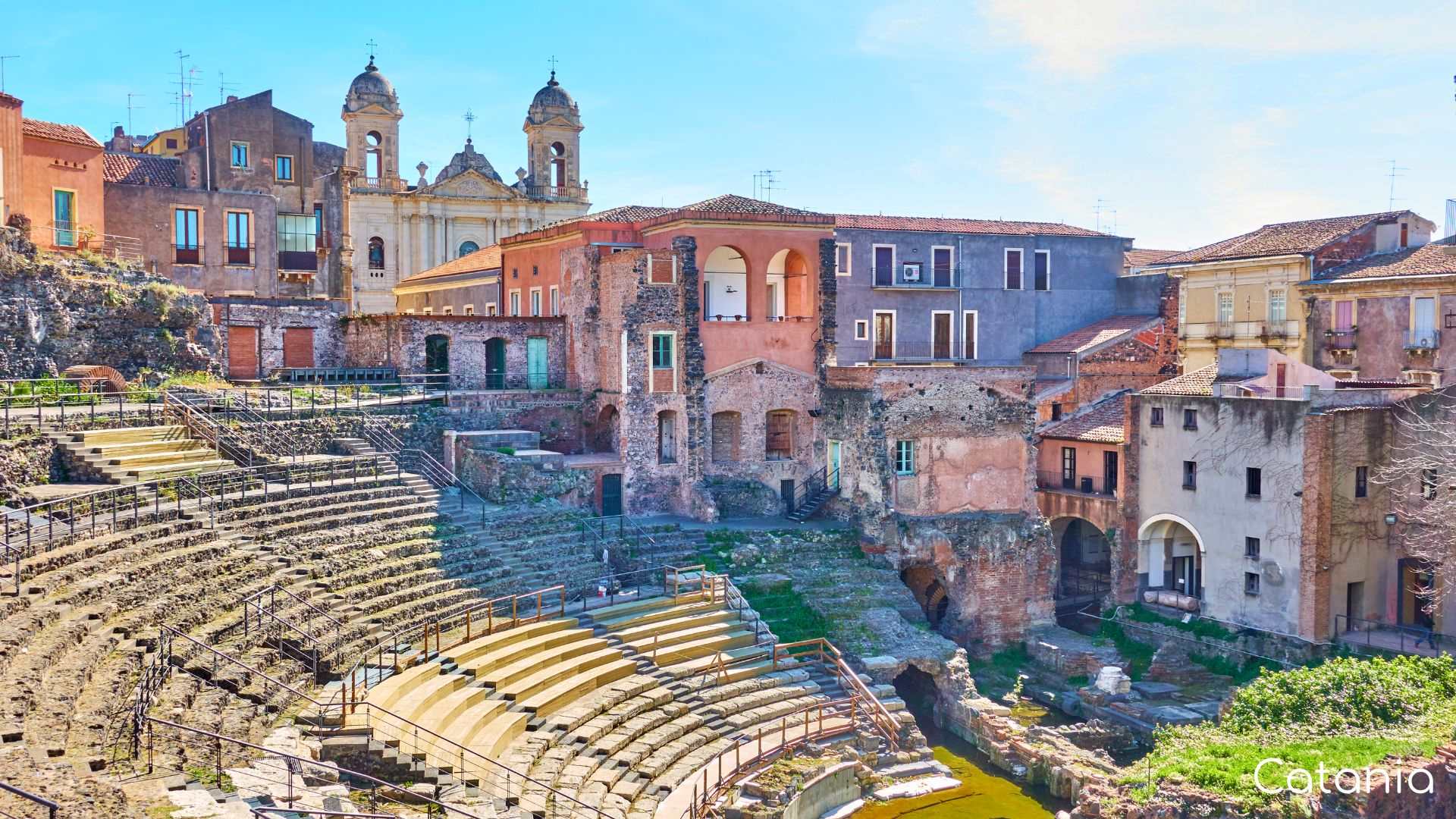
Feel your breath catch as you look from Etna’s dark slopes to the glittering sea, with stone towns & terraces stepping down between. Sense the hush of baroque piazzas at dusk, the bright chaos of markets, & the cool weight of ancient temple columns beneath your fingertips. Taste the vibrancy of Sicily in long lunches & local wines, & savour the quiet thrill of finally standing on this island you’ve carried in your mind for years.
Join our expert‑led Sicily archaeology and history tour to follow the island’s story from its volcanic origins through Greek colonisation, Roman power, Norman kings, and baroque reinvention. Beginning on the slopes of Mount Etna and the lava-paved streets of Catania, we move around the island in a wide arc: west to Phoenician islands and Greek cities, south to countryside temples and late‑Roman villas, then into the baroque towns of the Val di Noto and the great harbour city of Syracuse.
Along the way, you’ll stand among the temples of Selinunte and Agrigento, explore Norman Palermo and Monreale, walk the intimate streets of Ragusa Ibla and Modica, and end with sea views from Taormina’s ancient theatre. Wine estates, rural stays, street food and morning markets, chocolate workshops, cart‑painters’ studios, and a papyrus museum are woven in not as extras, but as living threads that show how agriculture, trade, craft, and storytelling have shaped Sicilian life over millennia.
Our itinerary is designed to move through geology, time, and history in sequence. You start by understanding the island’s physical stage – volcano, coasts, and fertile plains – then meet indigenous peoples and seafaring traders, Greek colonists and their rivals, Roman landowners, medieval rulers, and baroque town‑builders, before returning to modern Sicilians who inhabit this layered landscape today. Rather than a list of famous sites, each day explains the last and prepares for the next, so that Sicily’s complexity becomes a coherent narrative.
Should you have any questions about this tour, please don’t hesitate to get in touch with our team.
During Sicily’s long, warm season, we spend ample time outdoors: walking through archaeological parks, exploring historic quarters on foot, travelling along the coast and through inland valleys, and pausing at viewpoints over sea, fields and lava slopes. Days are designed to avoid the worst of the crowds and heat where possible, and to give you space to stand quietly in front of major monuments rather than rushing past them.
With a maximum of only 12 guests, the group feels more like a small company of explorers than a tour bus. You’ll share discoveries during the day and stories over wine and dinner at night, then return to hotels chosen for their sense of place – from countryside estates among olive groves to baroque‑era townhouses in hill‑top centres.
The experiences you have on tour create a continuous thread: the ancient past emerging not only from ruins and museums, but also from today’s ways of life, food and wine traditions, and local crafts.
Our journey begins in Catania, the vibrant city at the foot of Mount Etna, where black volcanic stone and pale baroque façades sit side by side. On arrival, you transfer to your centrally located hotel and settle in before meeting your archaeologist‑guide and fellow travelers.
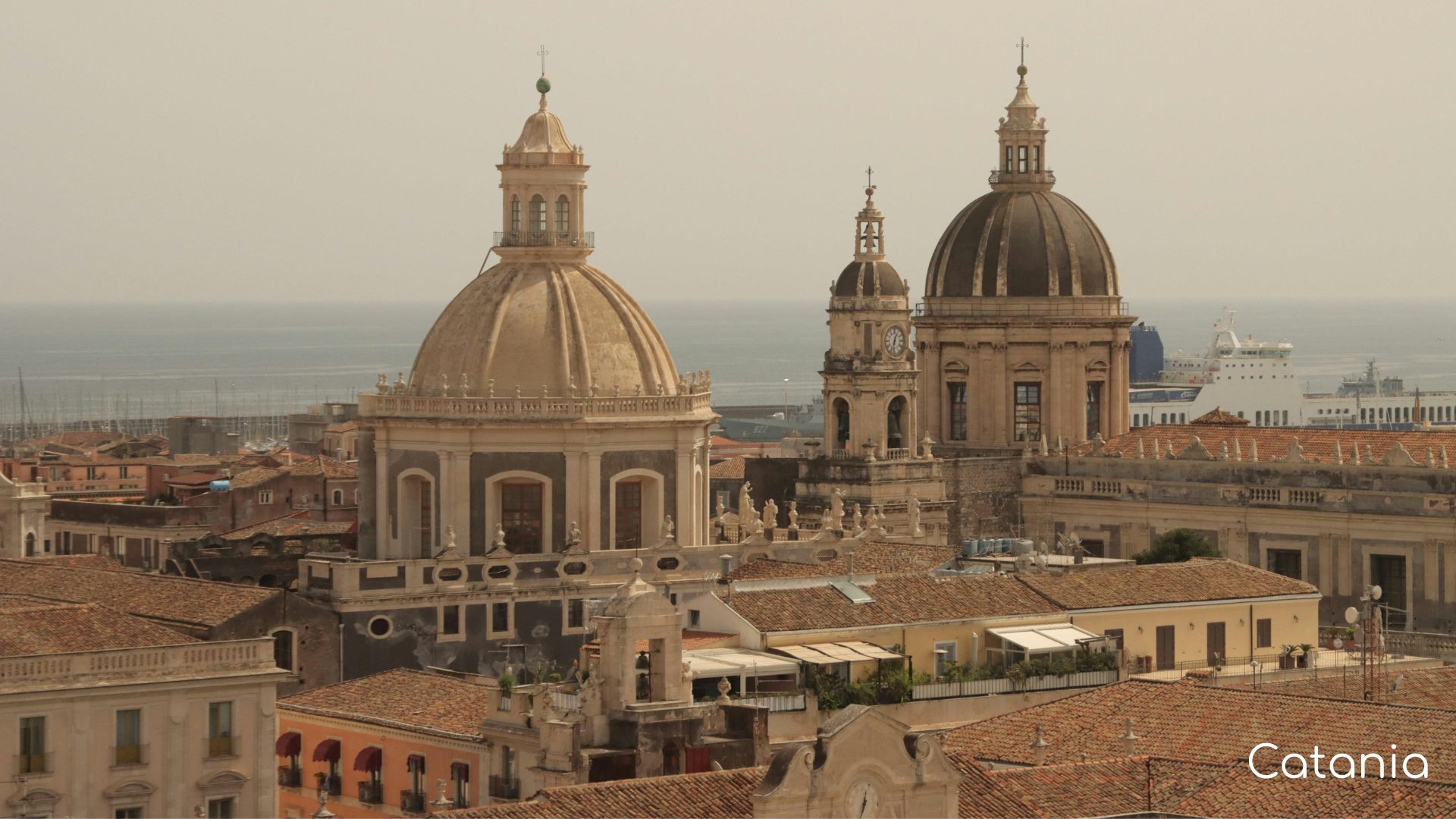
In the late afternoon, a gentle orientation walk through the historic center – Piazza del Duomo, the elephant fountain, Via dei Crociferi, and the exterior of the Roman amphitheater – introduces Catania as a city literally built from Etna’s lava and repeatedly reshaped by eruptions and earthquakes.
This first walk sets the tone for the tour: noticing how geology, history, and everyday life are layered together in streets, stones, and skylines.
We gather this evening for a welcome dinner of seasonal Sicilian dishes and local wine.
Meals: D
Overnight: Catania
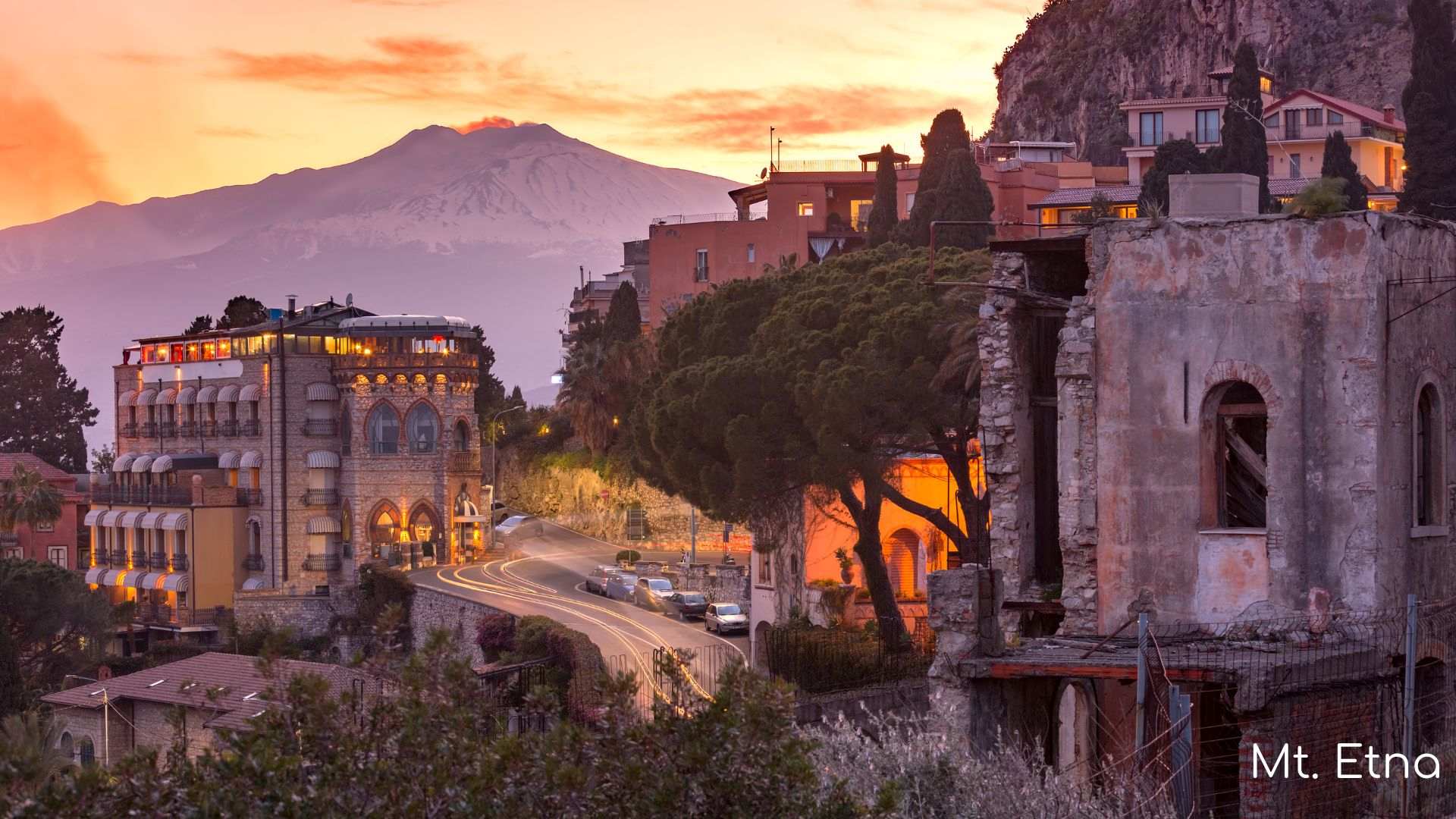
After breakfast at our hotel, we traverse the slopes of Mount Etna, Europe’s highest and most active stratovolcano, with an eruptive history that spans 500,000 years. Its eruptions have shaped both Sicily’s landscape and its human history.
As we traverse winding roads and walk among old lava flows and craters (subject to local conditions), your guide explains how Etna’s activity created the fertile soils that later attracted Greek colonists, and how nearby communities have adapted to living with such a powerful neighbour.
We visit a volcanic winery for a relaxed lunch and tasting, seeing directly how ancient and modern farmers alike have made use of this rich but challenging terrain.
In the afternoon, we return to Catania for some time at leisure.
This evening we head back out into the city for a local dinner and a performance – perhaps music, theater, or traditional puppetry – giving you an early feel for Sicily’s contemporary culture and how stories from the past are still retold today.
Meals: B, L, D
Overnight: Catania
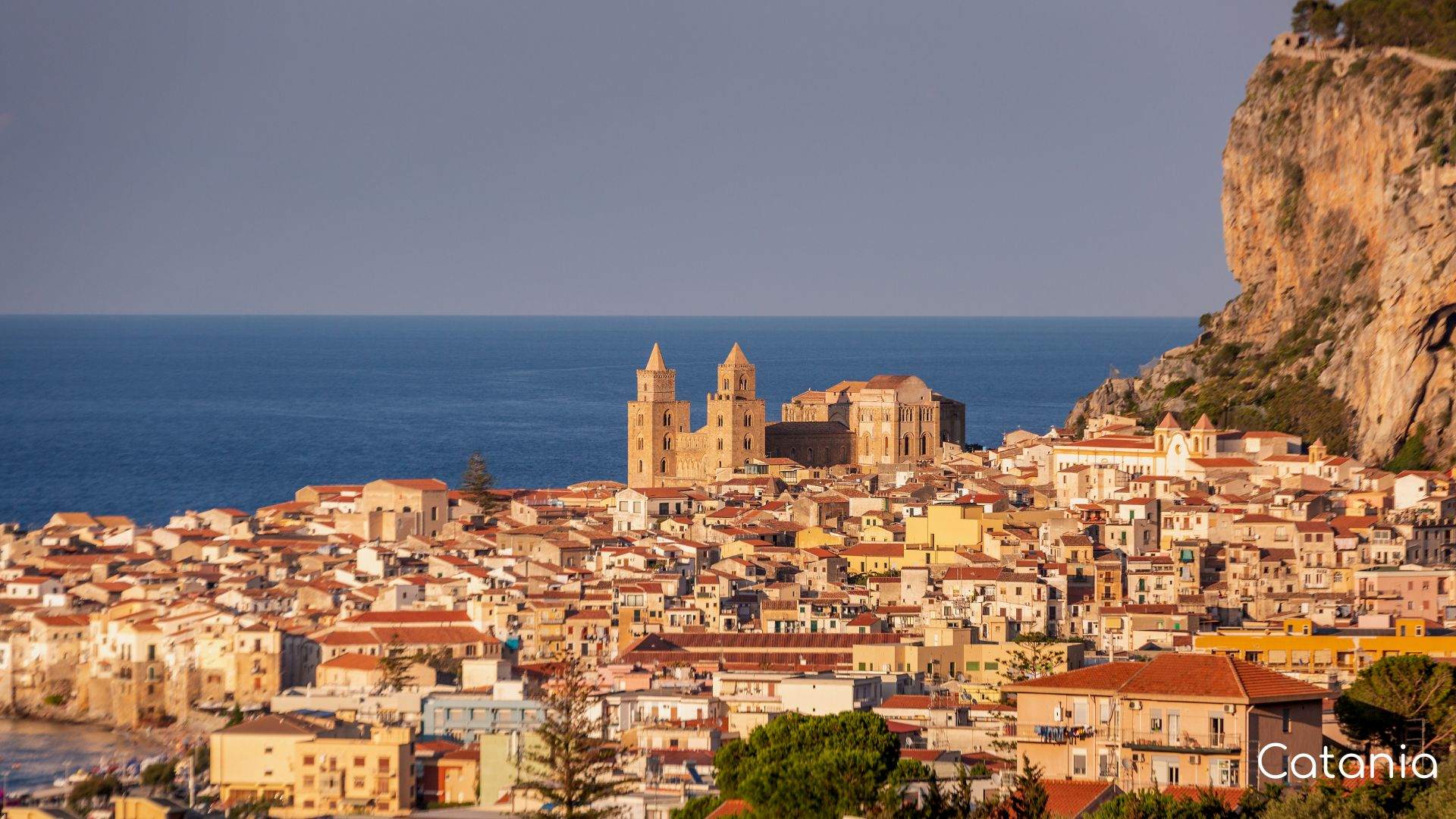
After breakfast, we leave Catania and follow the northern coastline to Cefalù, a picturesque town where the sea meets steep rock and Norman history.
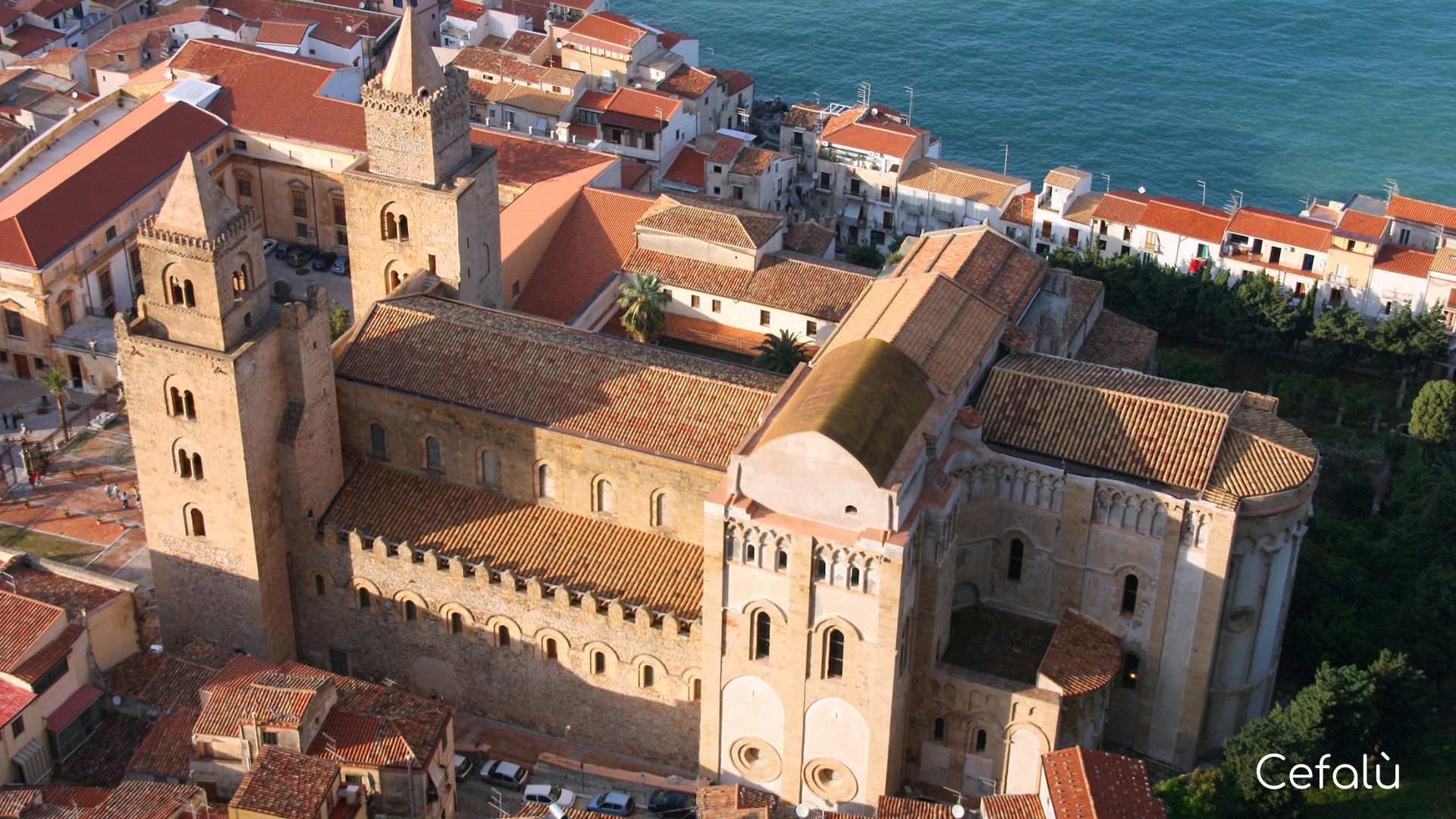
Here we visit the magnificent cathedral, part of the Arab‑Norman Palermo and the Cathedral Churches of Cefalù and Monreale, a UNESCO World Heritage site, with its celebrated 12th‑century mosaic of Christ. Standing in this church, you begin to see how medieval rulers used grand architecture and imagery to anchor their authority in a landscape that had already seen the power of the Greeks, Romans, and Byzantines.
After exploring the Duomo, we stroll down Corso Ruggero, the medieval main street lined with artisan workshops, boutiques, and pasticcerie; here, your guide points out traditional ceramics, jewelry, textiles, and food shops that still follow the town’s historic commercial axis.
Enjoy a relaxed lunch of your own choice.
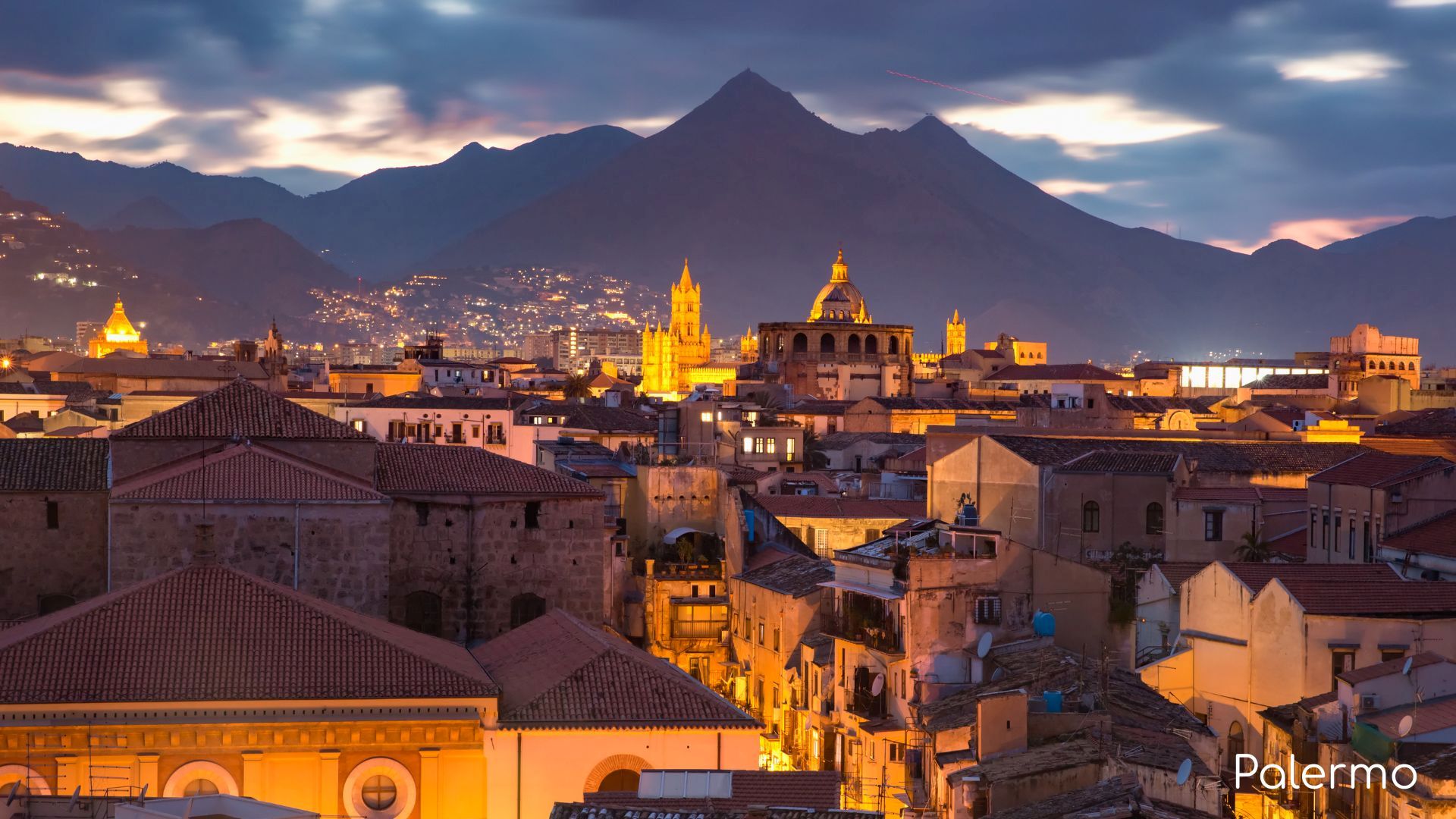
After lunch, we gather again to continue for about an hour to Palermo, where we check into our central luxury hotel and share a relaxed group dinner, introducing the next chapter of Sicily’s story in its former royal capital.
Meals: B, D
Overnight: Palermo
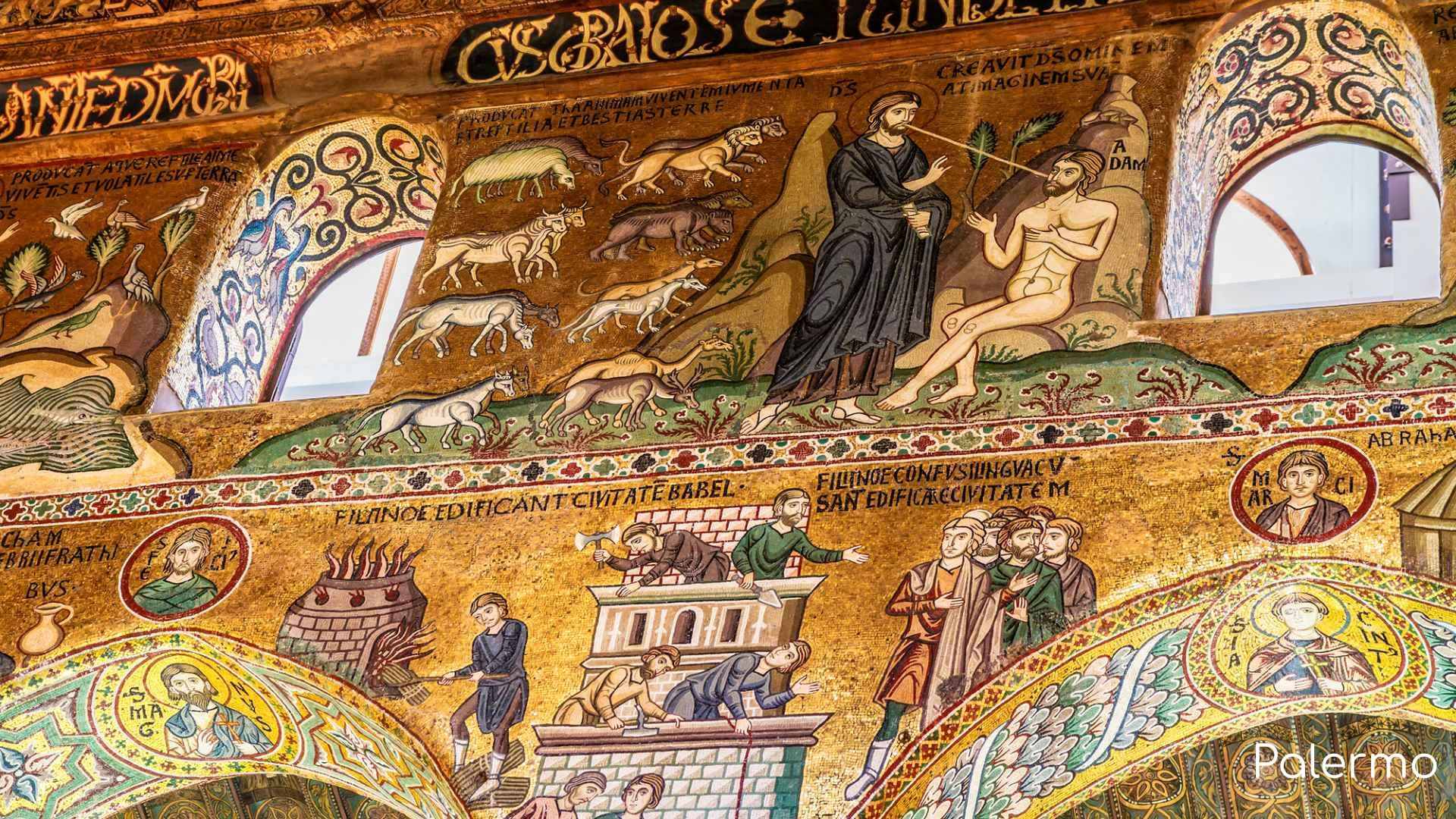
Today, we explore how Sicily’s medieval rulers turned a crossroads island into a center of royal power. After breakfast, we visit the Palazzo dei Normanni and its glittering Cappella Palatina, whose mosaics and carved ceilings show how Norman kings drew on Greek, Arab, and Latin artistic traditions to express their rule.
Walking through the historic core to churches such as La Martorana and San Cataldo, you see this distinctive Arab‑Norman style repeated in parish settings, showing how a courtly aesthetic filtered through a diverse city.
We next drive up into the hills to Monreale. We pause for another delightful Sicilian lunch, then explore Monreale’s great cathedral and cloister (also part of the Arab‑Norman UNESCO inscription). Here we see an even more expansive cycle of mosaics, tying theology, kingship, and the fertile Conca d’Oro valley together in a single vision.
In the evening, there is an optional visit to the Kalsa district to see the atmospheric, roofless church of Santa Maria dello Spasimo, a deconsecrated 16th‑century church now used as a performance space by the Blue Brass jazz club and for the Sicilia Jazz Festival, hinting at how sacred buildings and neighborhoods can be repurposed while keeping their layered pasts visible.
When concert schedules align with your stay, tickets can be arranged for a live performance here or in the adjoining complex.
Dinner tonight is at your leisure.
Meals: B, L
Overnight: Palermo
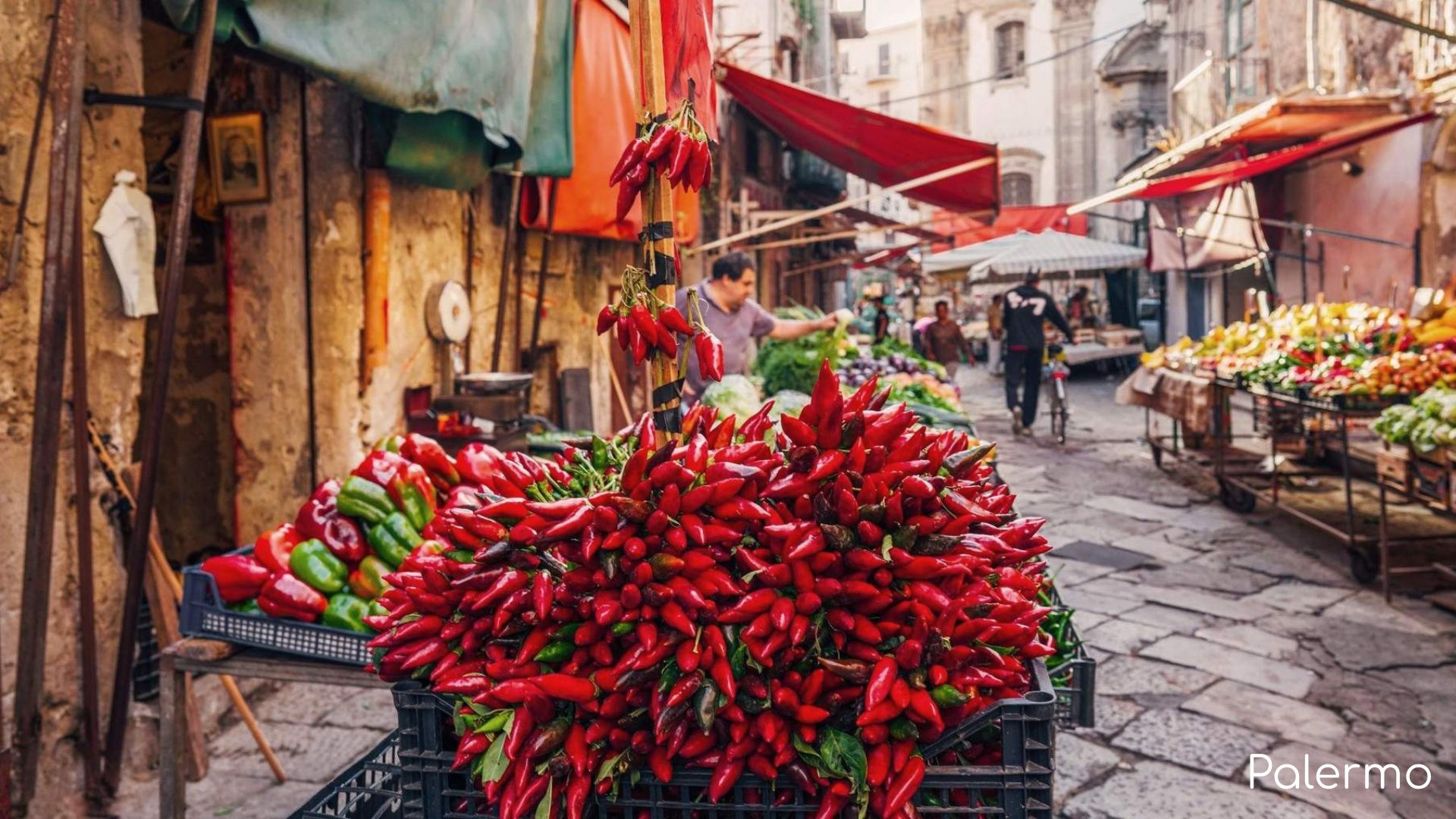
This morning, after breakfast, we explore the markets and street food of Palermo. Feeling very full, we then bid farewell to vibrant Palermo and get our archaeological juices flowing with expectation as we head to Segesta, about 1 hour away.
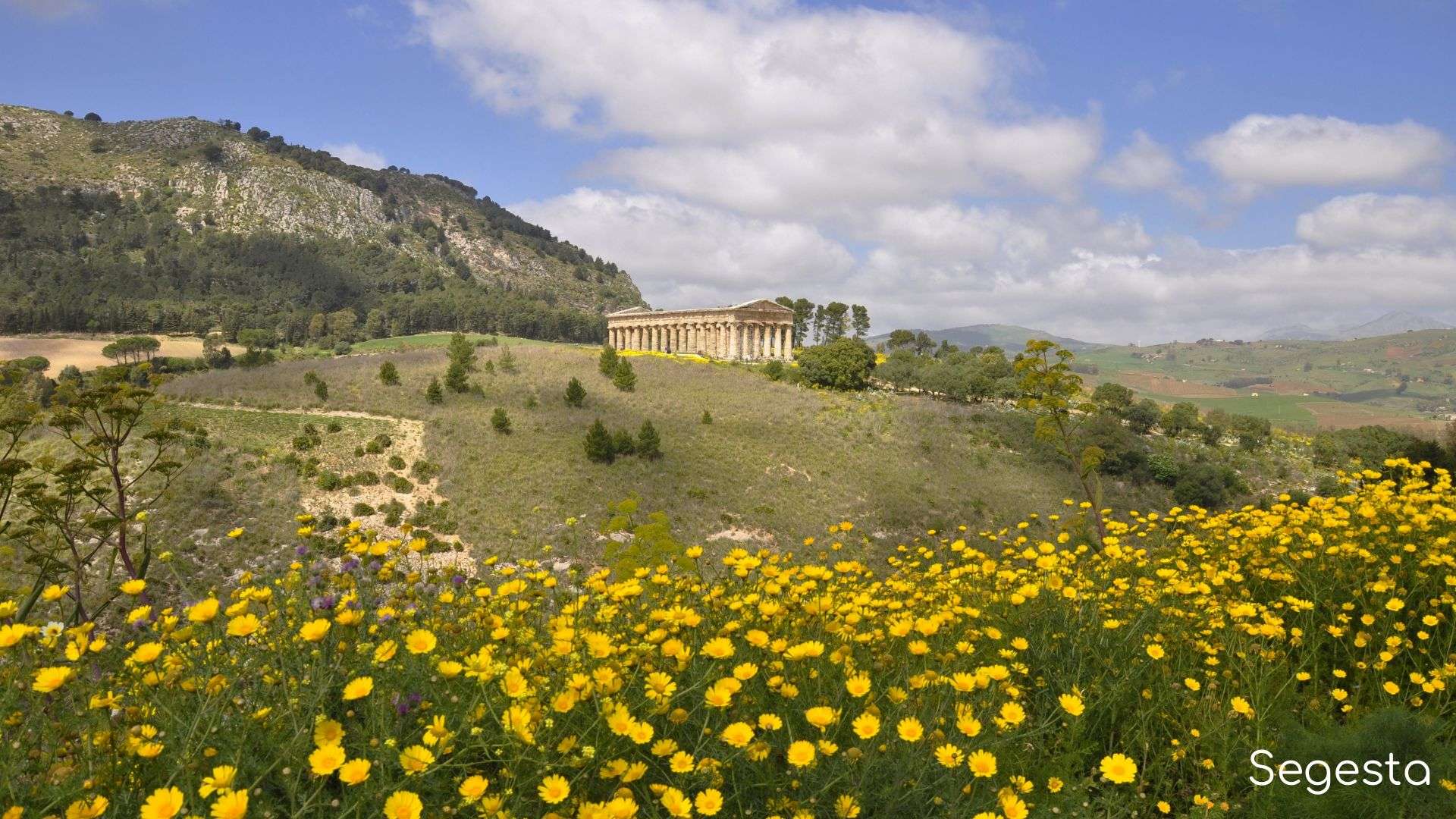
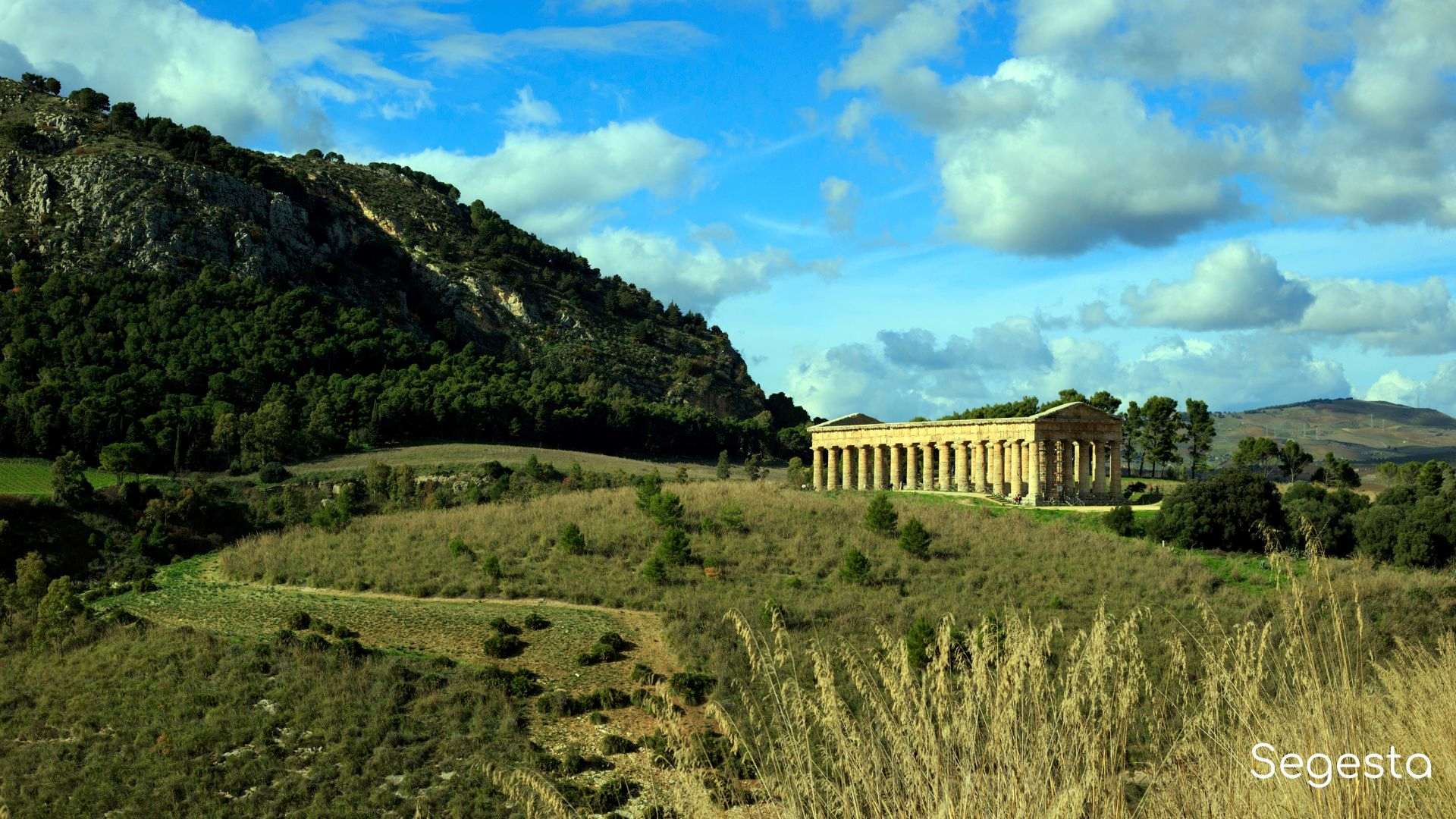
At Segesta, we explore how local communities negotiated identity and power in a landscape dominated by bigger Mediterranean players. Once an Elymian city that adopted the Greek temple form, our archaeological guide gives us a private tour of Segesta’s superbly preserved Doric temple and hilltop theater with views over the Gulf of Castellammare.
In the late afternoon, we travel to Marsala and settle into our hotel, which will be our base for exploring Sicily’s Phoenician and maritime past.
Meals: B, D
Overnight: Marsala
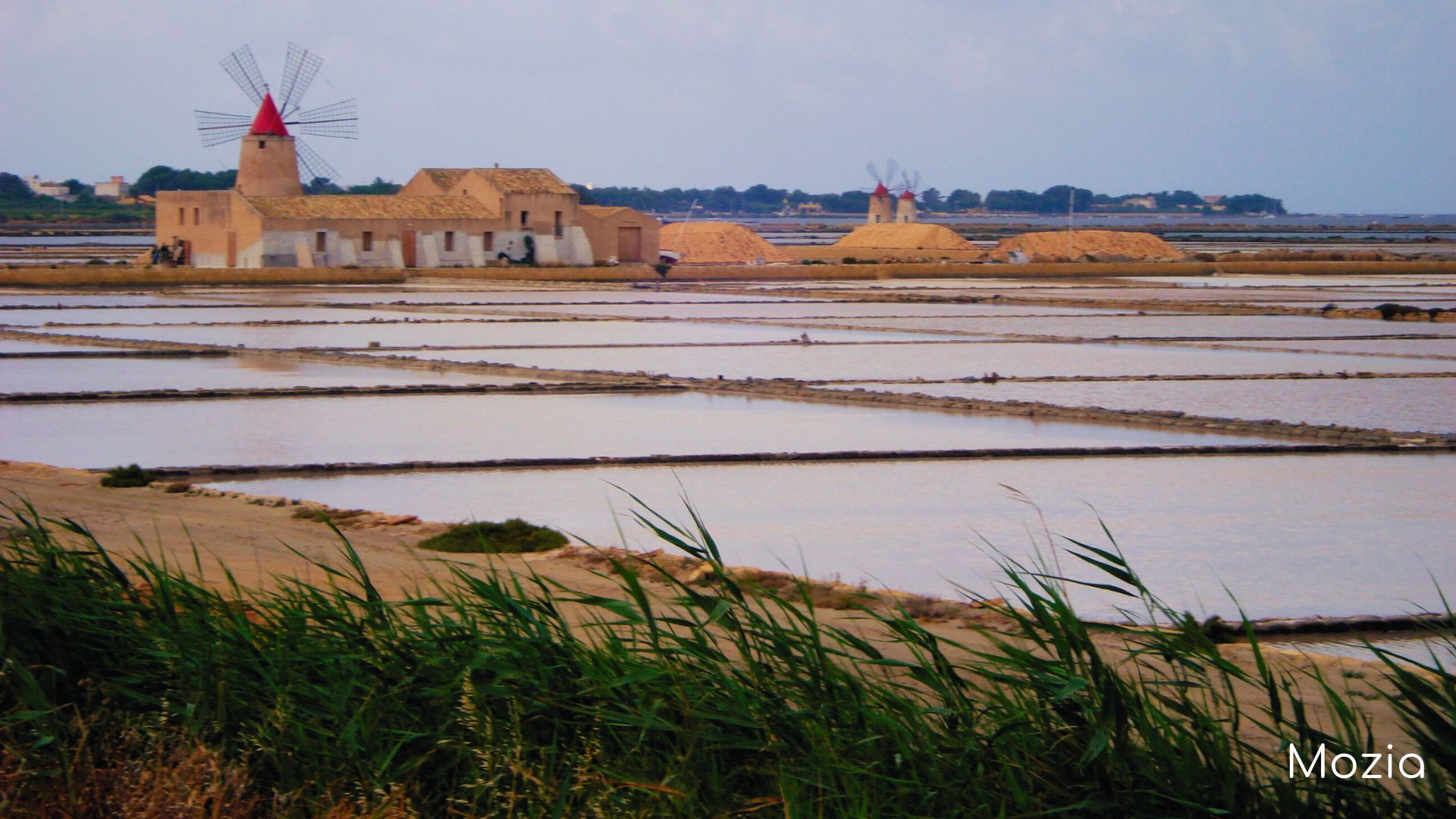
After breakfast at our hotel, we drive across flat coastal saltlands to a pier on the Stagnone lagoon, then take a short boat ride to Mozia (Motya), a small island that was once a key Phoenician settlement.
Walking among its remains with your archaeologist‑guide, and then through the Whitaker Museum’s collection – including the famous “Young Man of Mozia” – you encounter a world of sailors, merchants, and artisans who connected Sicily to wider Mediterranean trade networks long before Rome.
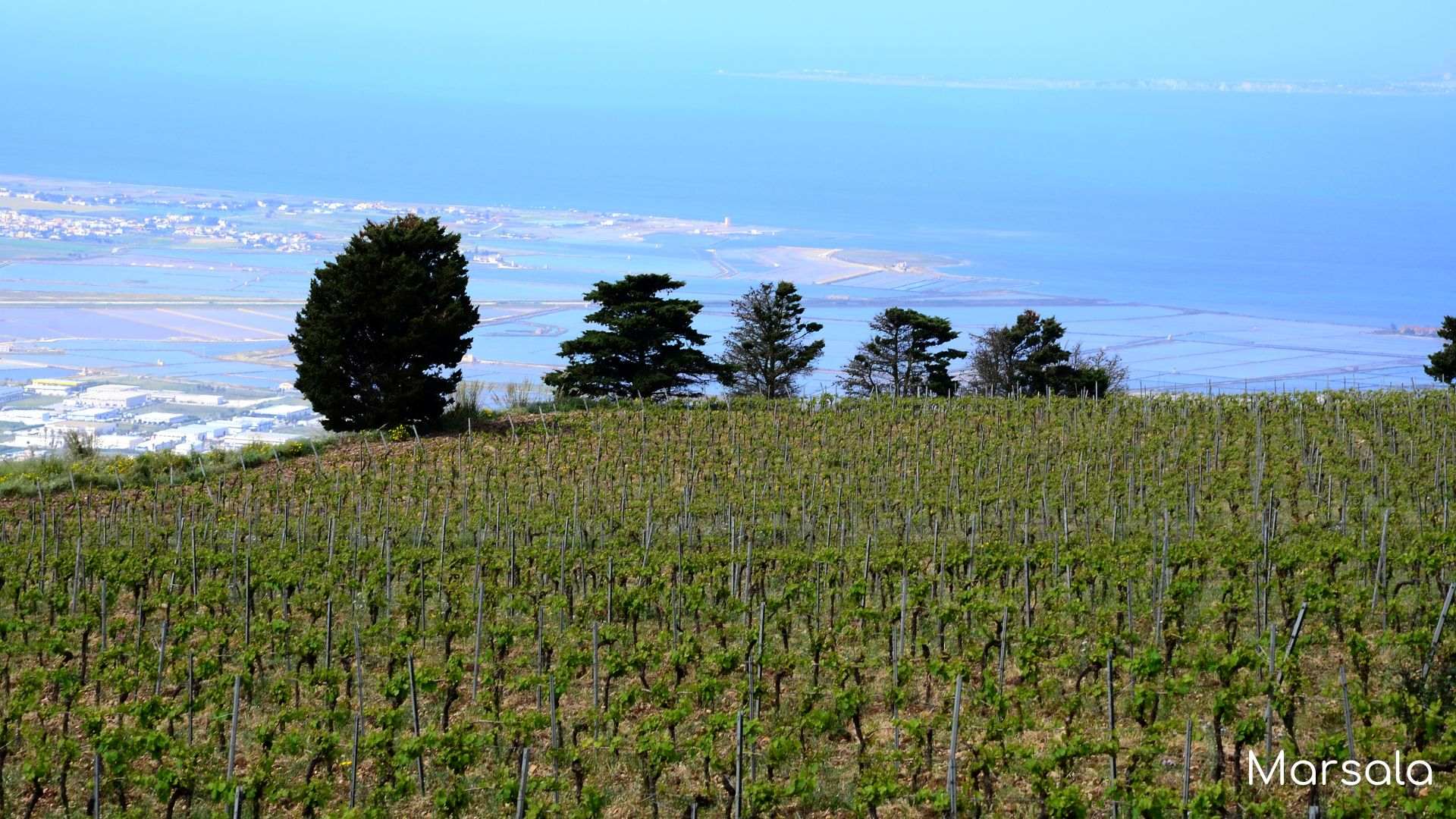
Back on the mainland, we visit a Marsala winery for tastings and lunch, linking ancient agricultural traditions to modern wine‑making in this same region.
In the afternoon, a walk among the Marsala salt pans, with their traditional windmills and pools, illustrates how the extraction and trade of salt shaped this coastline and underpinned economic life from Phoenician through Roman times and beyond. We return to Marsala in the late afternoon.
Dinner tonight is at your leisure.
Meals: B, L
Overnight: Marsala
Today our focus turns fully to Greek colonization and the rise and fall of a great city.
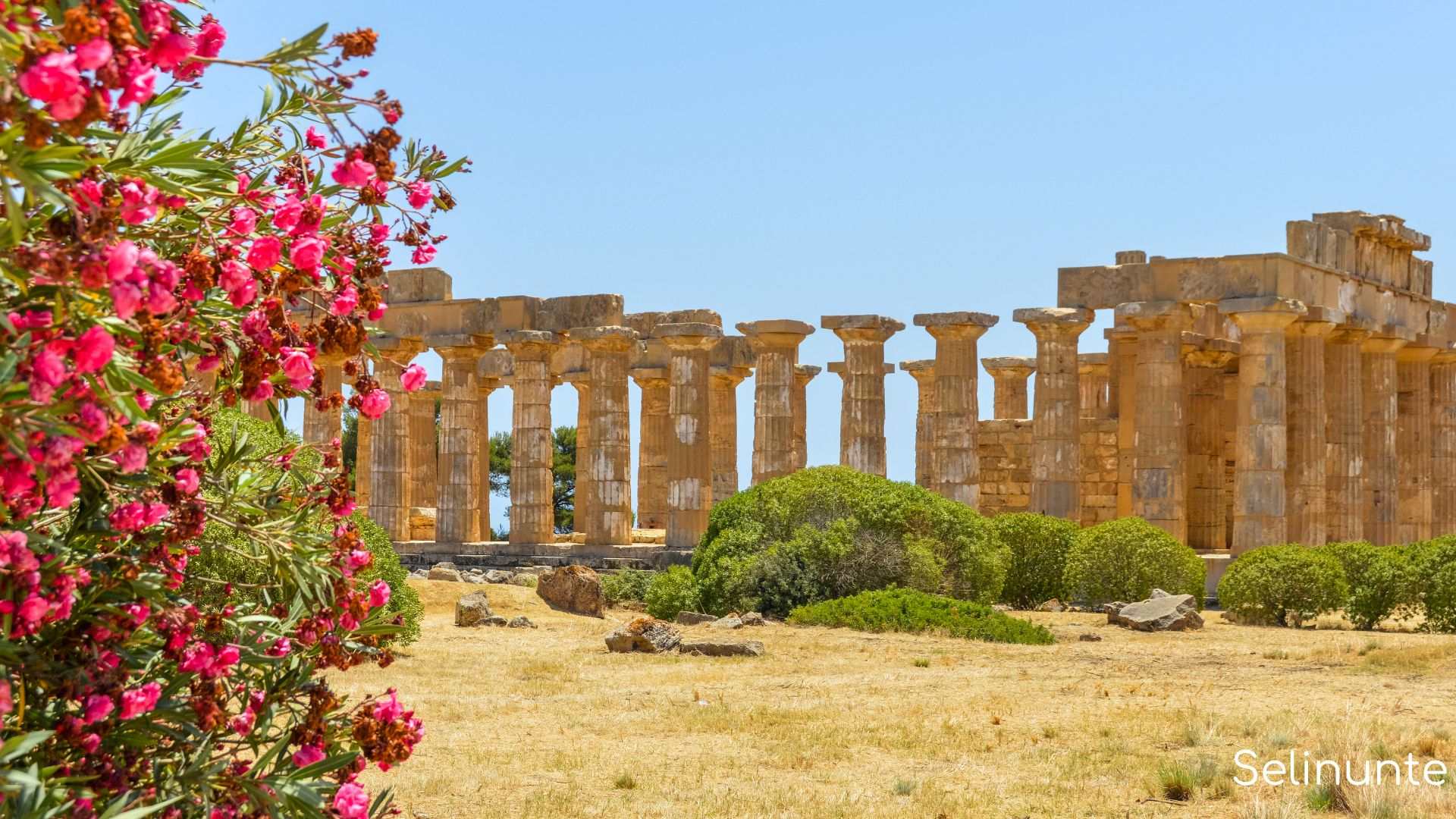
After breakfast, we drive south to Selinunte, one of the largest Greek archaeological sites in the Mediterranean, set on a promontory above the sea. As you walk through temple districts, city walls, and the Acropolis area, your guide explains how this city grew powerful through agriculture and trade, and how its conflict with Carthage ended in sudden destruction, leaving behind the dramatic ruins you see today.
The combination of massive fallen blocks, partially restored temples, and views over the coastline makes this one of the clearest places to imagine a classical polis in both its glory and its vulnerability.
In the afternoon, we continue east into the Agrigento countryside and settle into a charming agriturismo, a working farm and historic estate where we enjoy a home‑cooked dinner made from local produce, giving a sense of continuity between ancient rural economies and today’s agricultural life.
Meals: B, L, D
Overnight: Agrigento
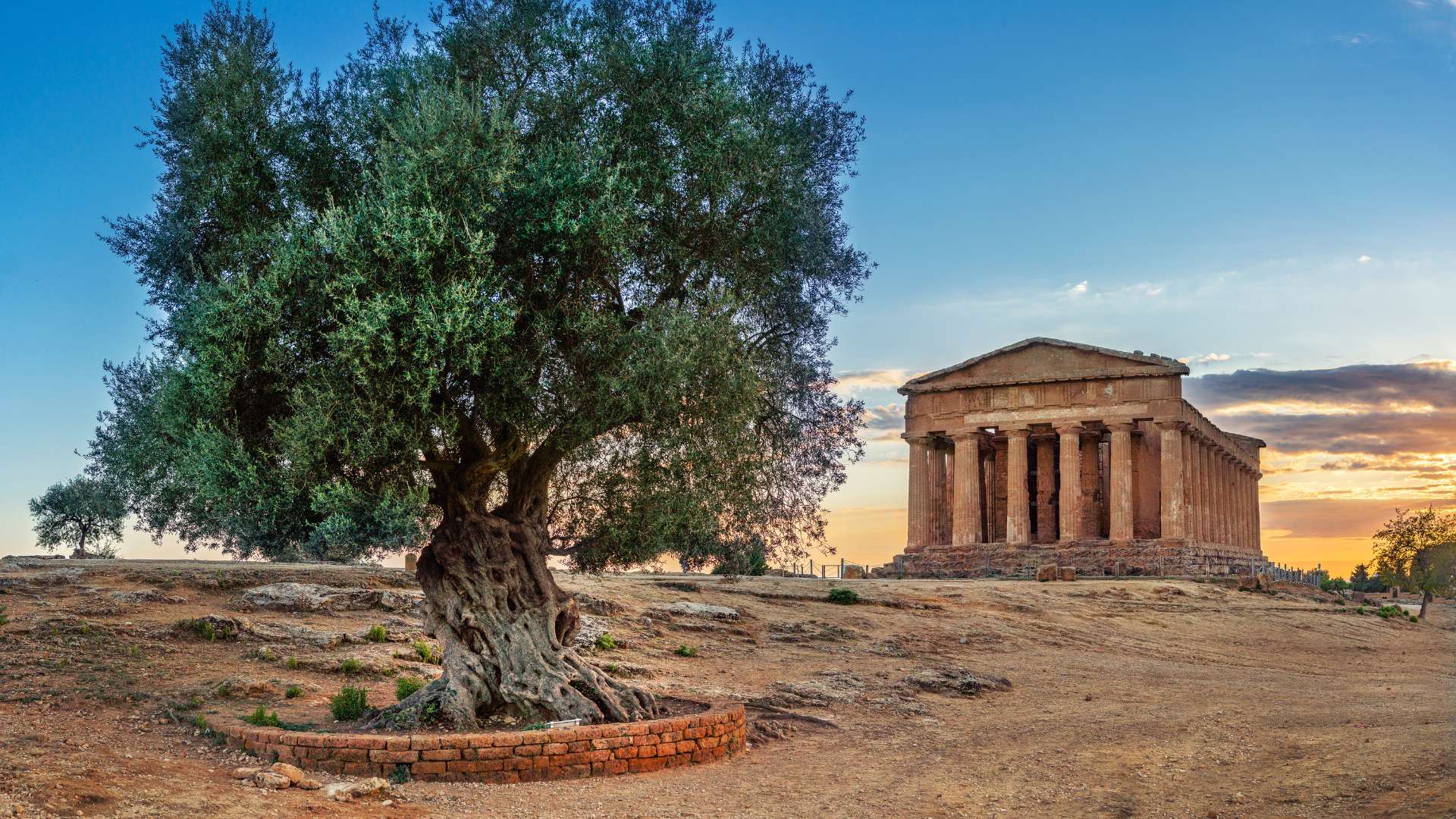
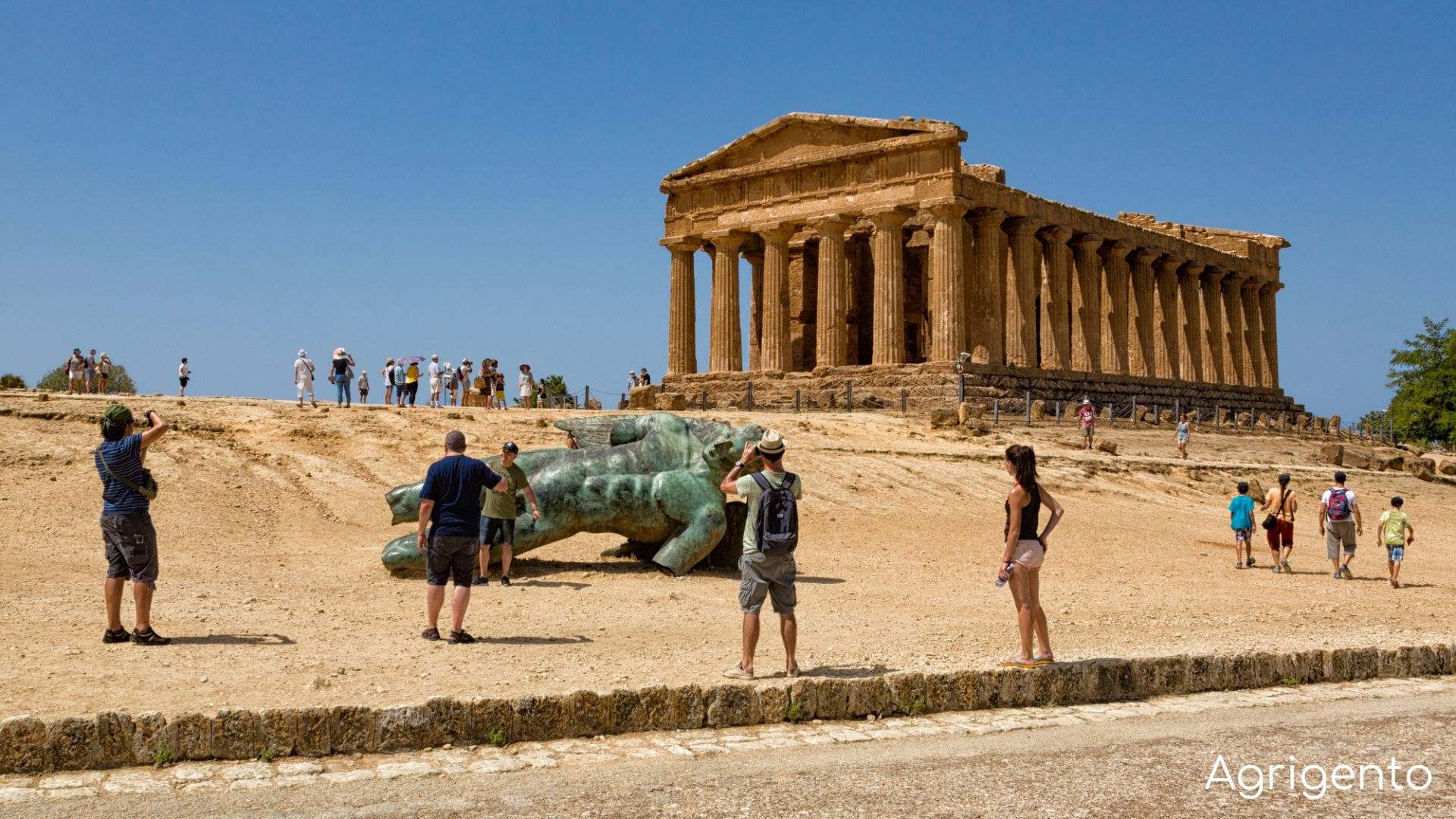
After breakfast, we head to the Valley of the Temples at Agrigento, a UNESCO World Heritage site and one of the most important ensembles of Greek temples anywhere. During a detailed walk with our archaeologist guide along the ridge, taking in temples such as Juno, Concordia, Heracles, and Zeus, we consider how sanctuaries marked the boundary between city and countryside, how ritual spaces were arranged, and how the city planned its defenses and processional routes.
The setting – with columns silhouetted against fields and sea – makes it easy to imagine ancient visitors approaching these monuments as part of daily life and festival activity.
After a break and lunch, a short drive brings us to the Regional Archaeological Museum, whose collections—vases, architectural fragments, and the colossal telamones from the Temple of Olympian Zeus—help you connect sculptures and structural pieces to the buildings you have just walked through.
We head back to our agriturismo to relax before another authentic Sicilian countryside meal.
Meals: B, L, D
Overnight: Agrigento
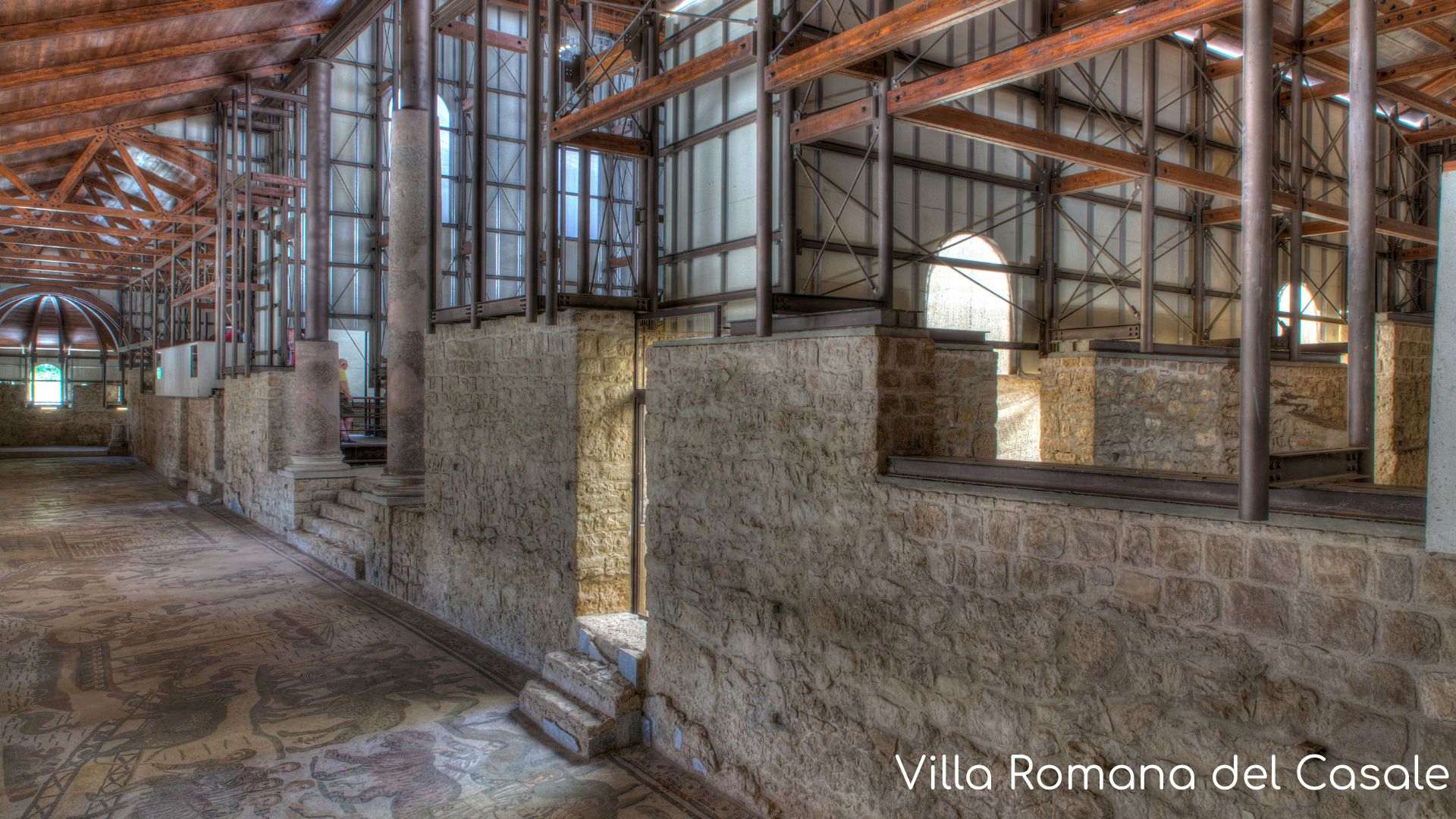
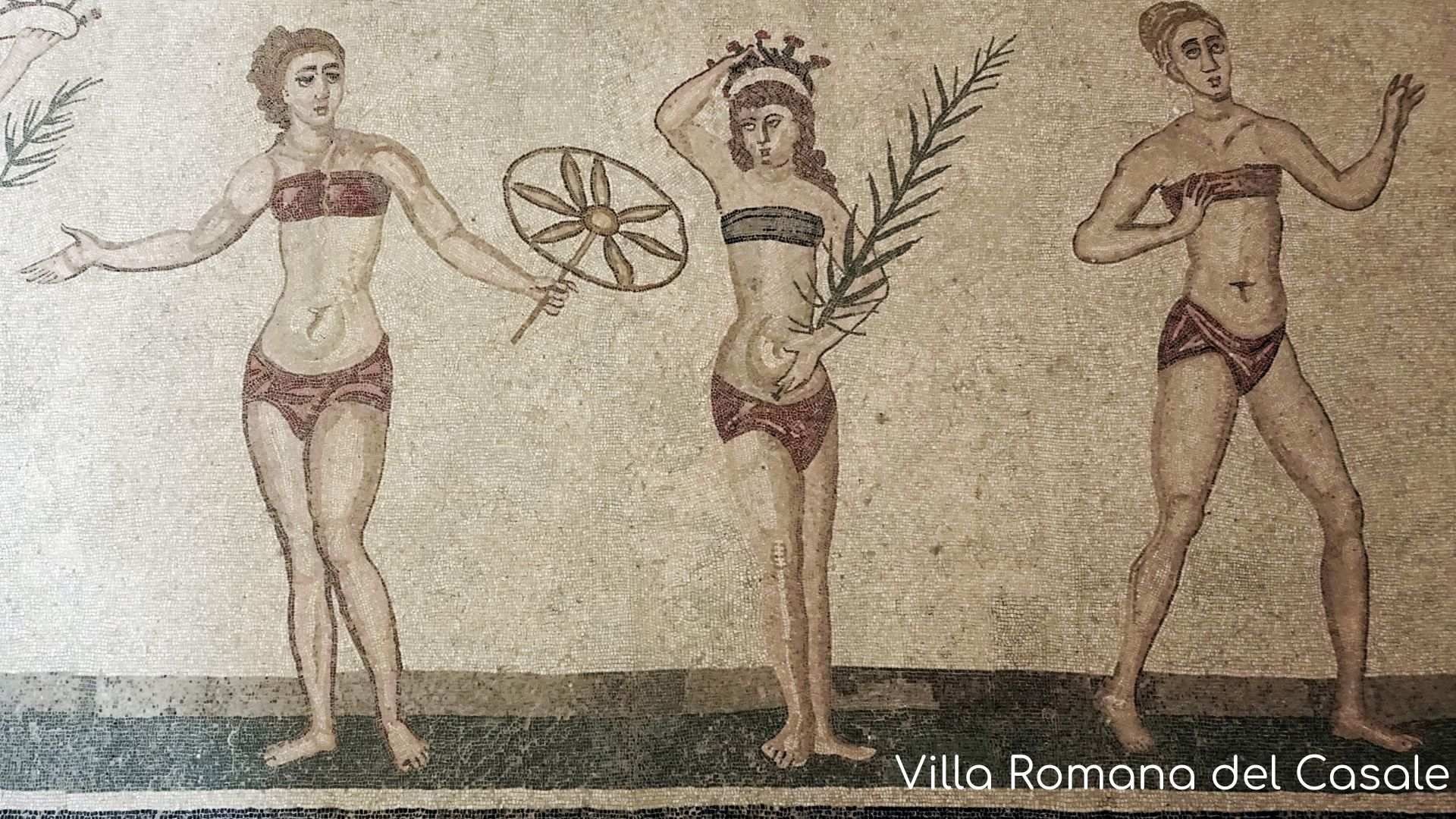
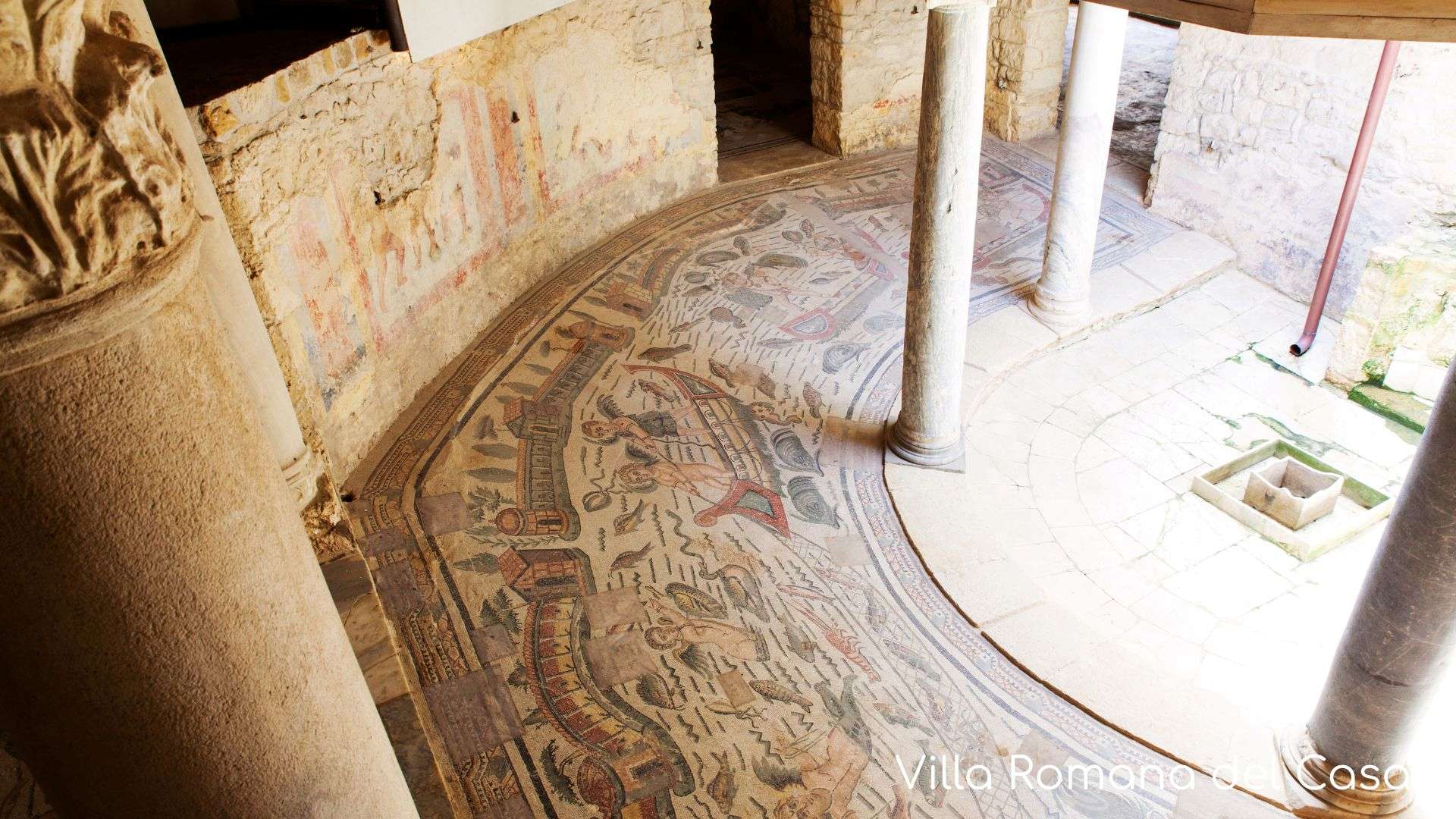
Leaving the Agrigento countryside after breakfast, we drive inland to Piazza Armerina to visit Villa Romana del Casale, a UNESCO World Heritage late‑Roman imperial villa famed for its extensive mosaic floors.
Room by room, you walk across scenes of mythology, hunting, sport, and daily life, seeing how an elite landowner used imagery to project status, education, and connections across the wider empire. This stop shifts our focus from Greek city‑states to Roman aristocratic life and the countryside estates that helped sustain it.
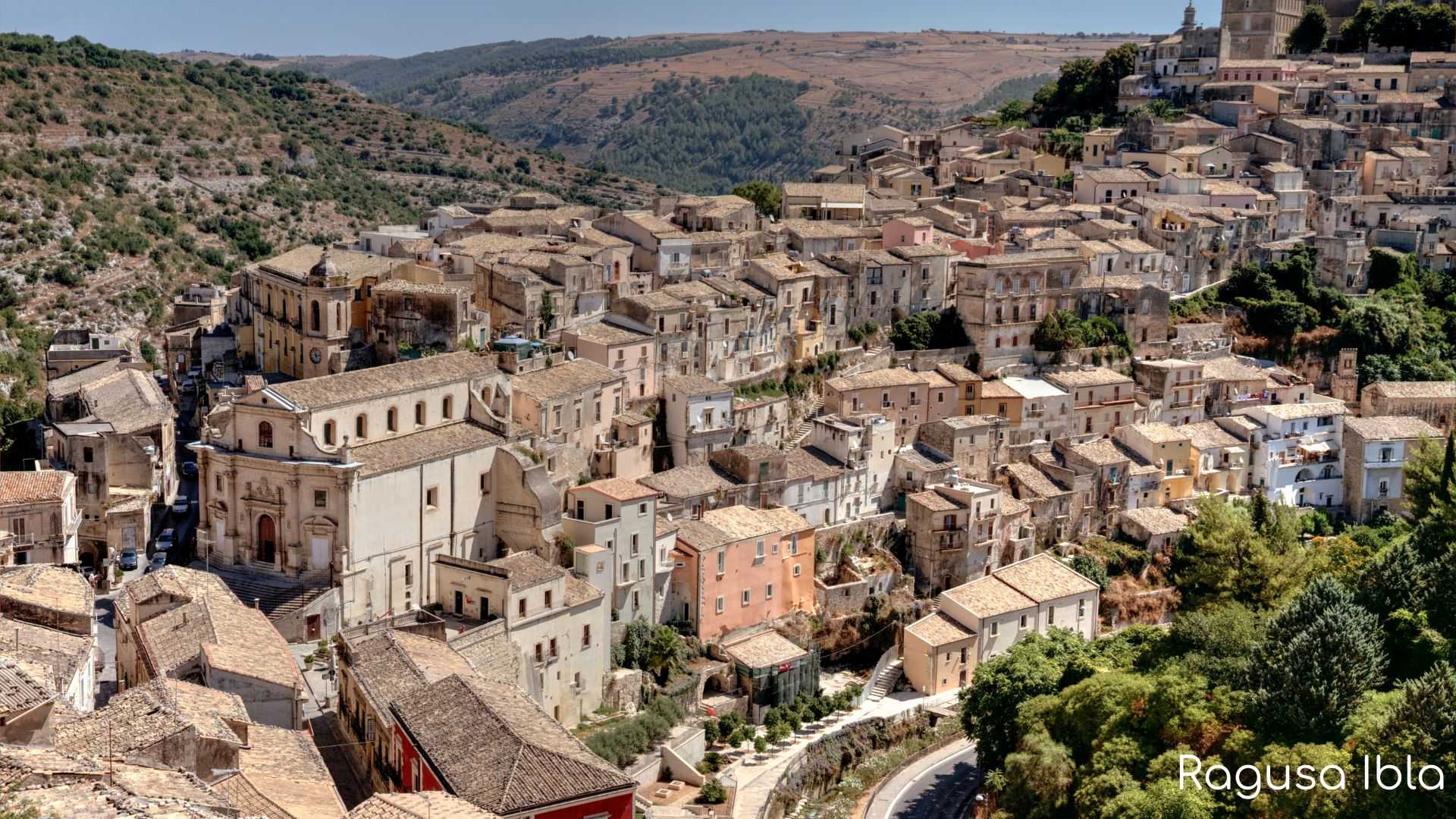
After lunch nearby, we continue south into the Val di Noto, arriving in Ragusa, a baroque town rebuilt after the 1693 earthquake and perched above a deep ravine.
An orientation walk through its lanes, piazzas, and viewpoints introduces the idea of baroque urban planning as a response to disaster, and sets up the next phase of the tour as we follow Sicily into its early‑modern chapters.
We share dinner at a local restaurant in Ragusa.
Meals: B, L, D
Overnight: Ragusa
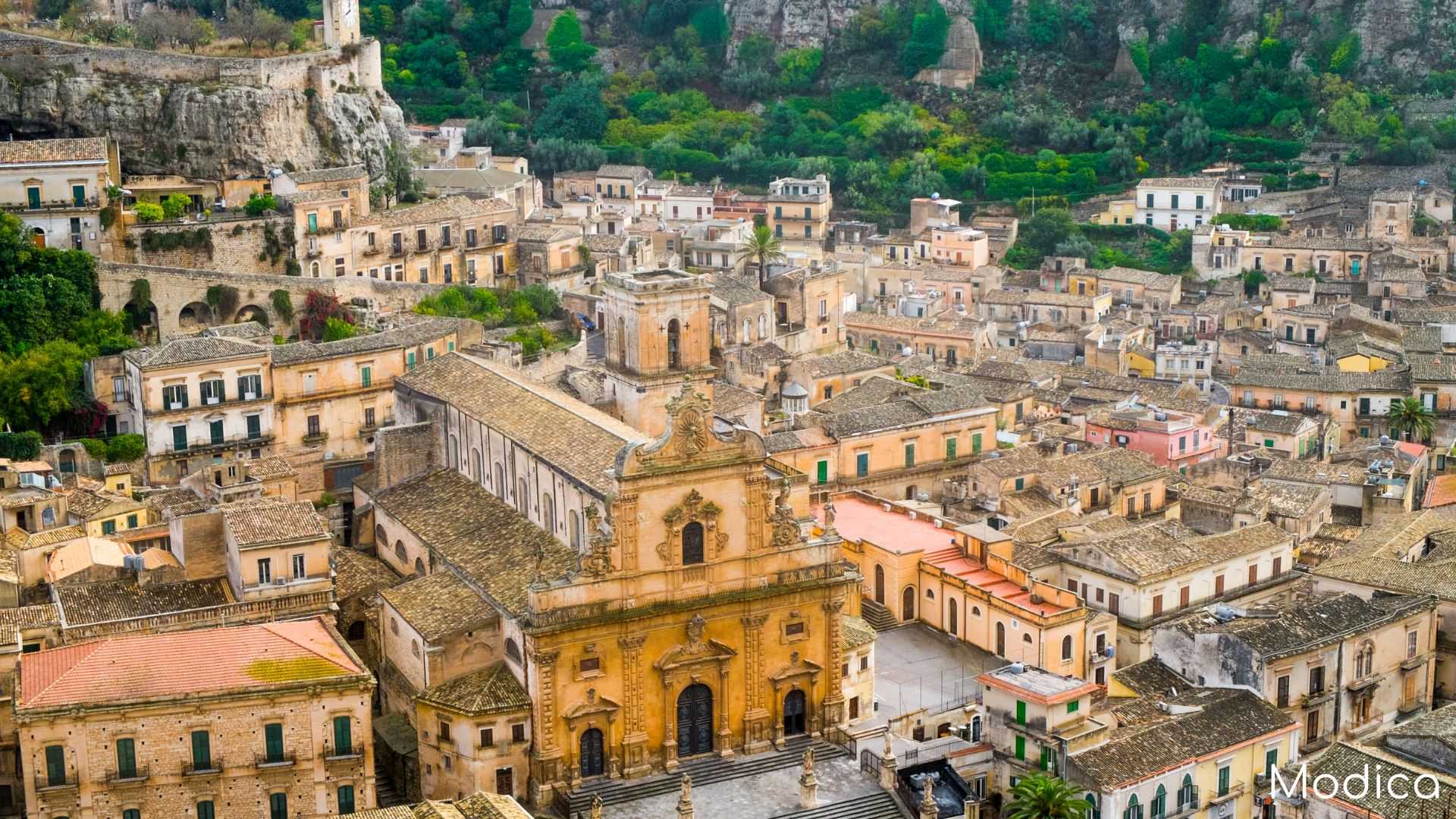
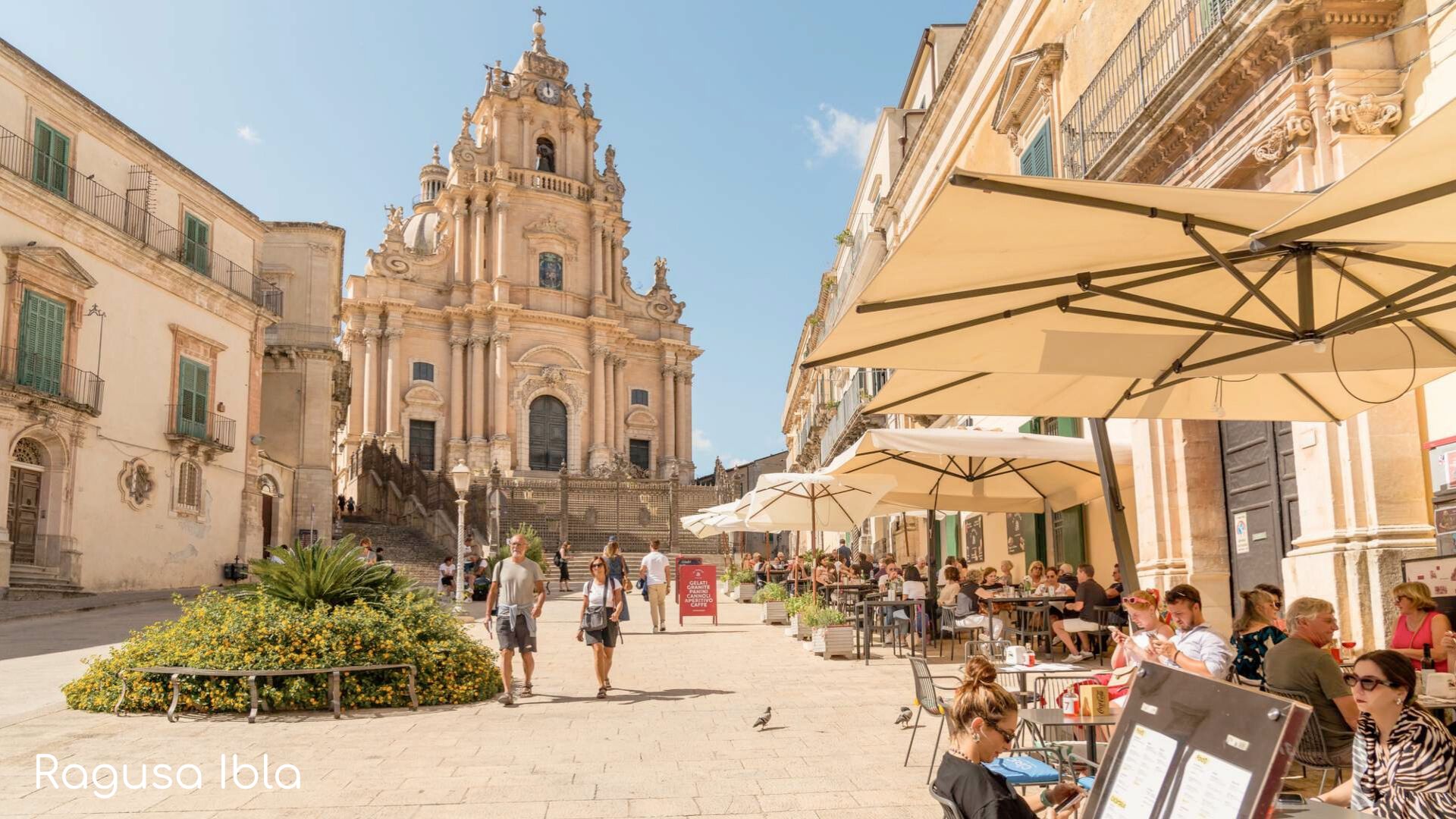
This morning, after breakfast, we explore Ragusa in more depth, visiting the Cathedral of San Giorgio, public gardens, and vistas that highlight how planners and builders reshaped the town after the earthquake, using staircases, piazzas, and façades to organize space on steep terrain. Your guide explains how these choices reflect both practical needs and baroque ideals of drama and order.
We then pay a private visit to Cinabro Carrettieri, where master artisans paint and restore traditional Sicilian carts – a UNESCO‑recognized element of Sicily’s intangible heritage. Here you see how stories from medieval and classical history, coats of arms, and folk tales are translated into imagery on wooden panels, turning carts into moving narratives and social statements.
After a Sicilian lunch, we drive to nearby Modica, another baroque town set in a dramatic valley, where we explore its streets and churches and visit a renowned chocolate workshop. A hands‑on chocolate‑making experience reveals how a distinctive local technique, rooted in early transatlantic exchanges, has become part of the town’s identity.
We return to Ragusa in the late afternoon, with the evening free for independent dining.
Meals: B, L
Overnight: Ragusa
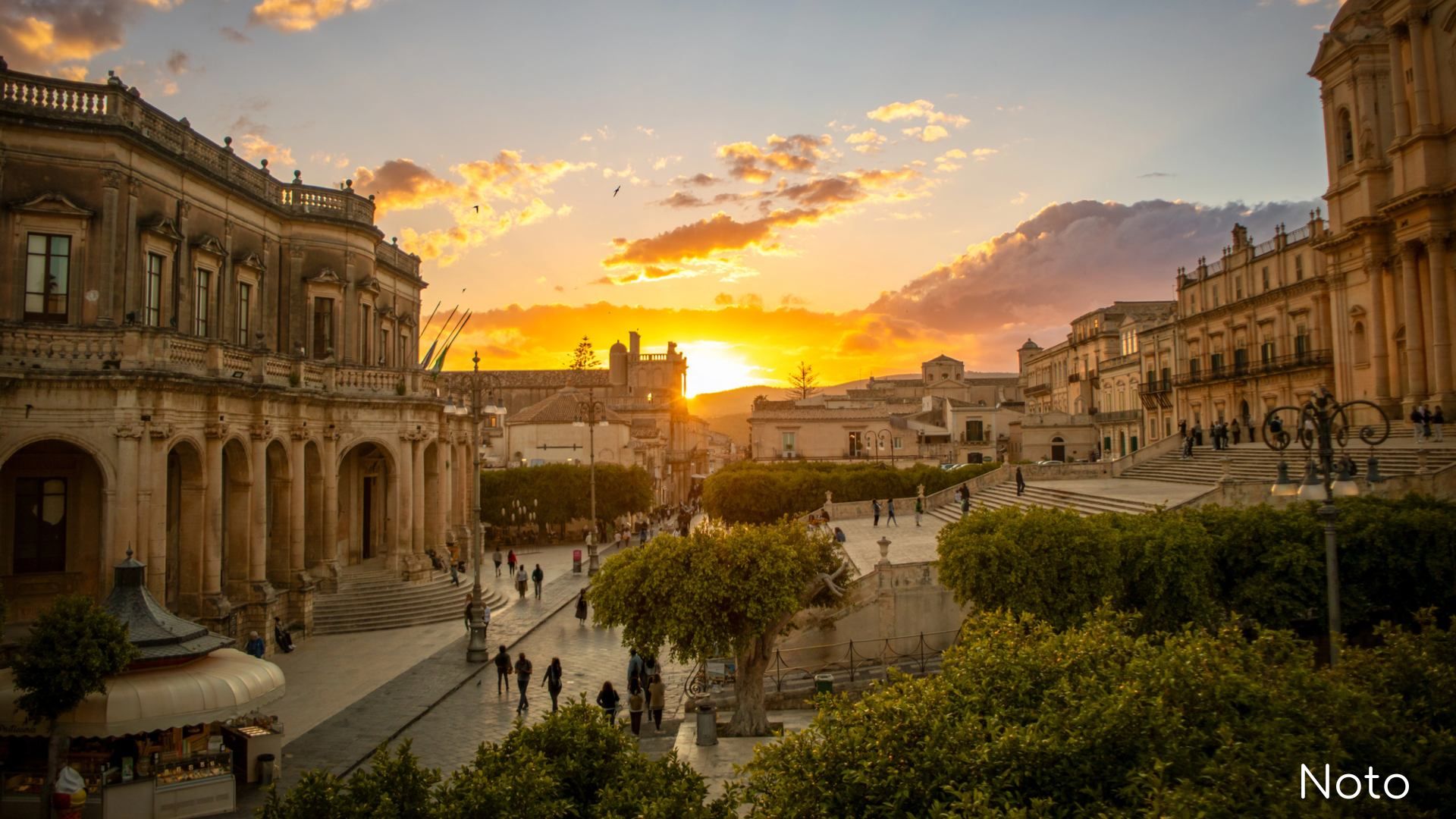
After breakfast, we bid farewell to Ragusa and drive to Noto, often considered the showcase of the Late Baroque Towns of the Val di Noto UNESCO World Heritage site. Walking along Corso Vittorio Emanuele, with its carefully composed façades, staircases, and aligned perspectives, your guide shows how Noto’s plan was conceived almost from scratch after the earthquake, reflecting new ideas about light, processions, and civic representation.
Key buildings such as the Cathedral of San Nicolò and surrounding palazzi demonstrate how architecture expressed both religious devotion and social hierarchy in the 18th century.
After lunch, we continue to Ortigia, the historic island heart of Syracuse, where we check into our hotel and enjoy a waterfront stroll past the Temple of Apollo, the main piazza, and harborfront.
Here, for the first time, you see clearly how a Greek colonial foundation, later Roman and medieval city, and modern town all occupy the same compact island, foreshadowing the deeper dive into Syracuse’s archaeology tomorrow.
We dine together this evening in Ortigia.
Meals: B, L, D
Overnight: Ortigia
After breakfast, we focus on Syracuse as a major Greek and later Roman power. A short drive takes us to the Neapolis Archaeological Park, part of the Syracuse and the Rocky Necropolis of Pantalica UNESCO World Heritage site, where we spend the morning exploring the Greek theatre, Roman amphitheatre, Altar of Hieron II, and the stone quarries (latomie), including the famous Ear of Dionysius.
These structures show how Syracuse organised public spectacle, political events, religious sacrifice, and labour extraction, and how its leaders used architecture to project their influence.
After lunch, we visit the Paolo Orsi Archaeological Museum, one of Italy’s most important collections, where your guide selects key pieces that tell the story of Greek colonisation, indigenous Sicel cultures, and Syracuse’s changing regional role. Seeing inscriptions, sculptures, and everyday objects from across the city’s territory rounds out the picture created by the morning’s monumental remains.
The evening is at leisure in Ortigia, giving you a chance to wander its streets and harborfront with fresh eyes after this deeper historical context.
Meals: B, L
Overnight: Ortigia
This morning we walk to the Museo del Papiro “Corrado Basile”, which preserves Syracuse’s distinctive papyrus heritage: the Ciane River area is one of the few places outside Egypt where papyrus grows naturally.
Here we view ancient papyrus documents and watch a demonstration of traditional papyrus‑paper making, exploring how this plant and technology connect Syracuse to Ptolemaic Egypt and broader Mediterranean exchanges of materials and knowledge.
We then travel north towards Taormina, stopping in Aci Trezza for a memorable coastal lunch in a landscape associated with volcanic sea‑stacks and classical myths.
In the afternoon, we continue to Taormina, check into our luxury hotel, and then head out on the water for a small‑boat excursion around Isola Bella and the Gulf of Giardini Naxos, with Etna rising inland.
With luck, we may spot dolphins, but even without them, this outing underscores Sicily’s maritime setting and the sea routes that linked all the places you have visited – from Phoenician Mozia to Greek, Roman, and medieval Syracuse and beyond.
Meals: B, L, D
Overnight: Taormina
After breakfast, our guide leads an orientation walk through Taormina, a town whose history spans Greek, Roman, medieval, and modern resort phases. You see how older structures, later palazzi and contemporary life intertwine along its main streets and terraces, offering a final example of Sicily’s layered urban fabric.
The rest of the day is free for shopping, independent exploration, or simply relaxing and enjoying the views over the sea and mountains.
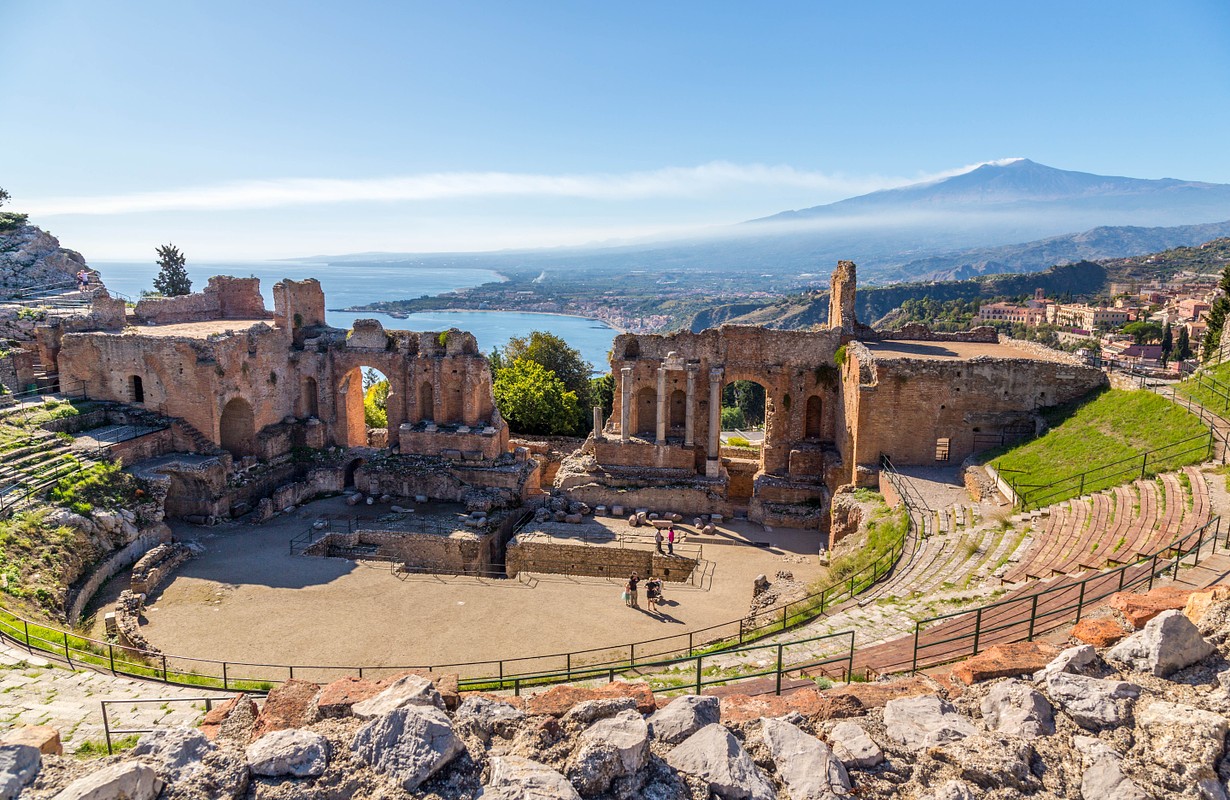
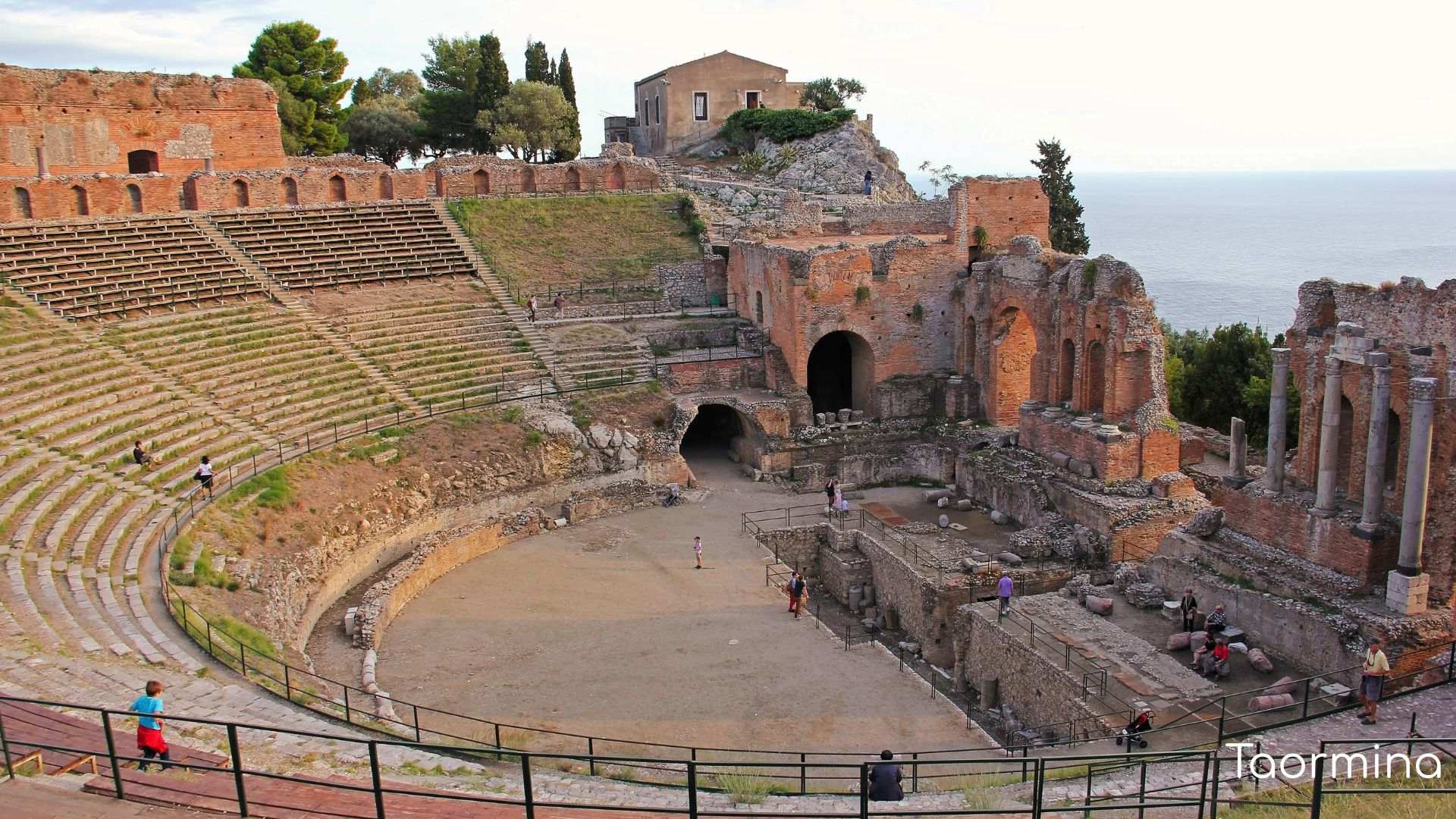
In the late afternoon, we visit the ancient theatre (Teatro Greco), one of the world’s most dramatically sited, whose Hellenistic layout and later Roman modifications provide a natural point of comparison with other theatres and performance spaces you have seen on the tour.
As you look out from its cavea towards the coast and Etna, you can reflect on the whole journey – from Etna’s slopes and Catania’s dark stone, through Greek cities, Roman villas, Norman chapels and baroque towns, to this final panoramic stage.
We come together this evening for a final Sicilian dinner to celebrate the memories and insights gathered over the past two weeks.
Meals: B, D
Overnight: Taormina
After breakfast at our hotel, we return to Catania airport. Our tour ends here, but you can add other destinations to the tour, such as Malta and Sardinia!
Fino alla prossima volta (until next time!)
Meals: B

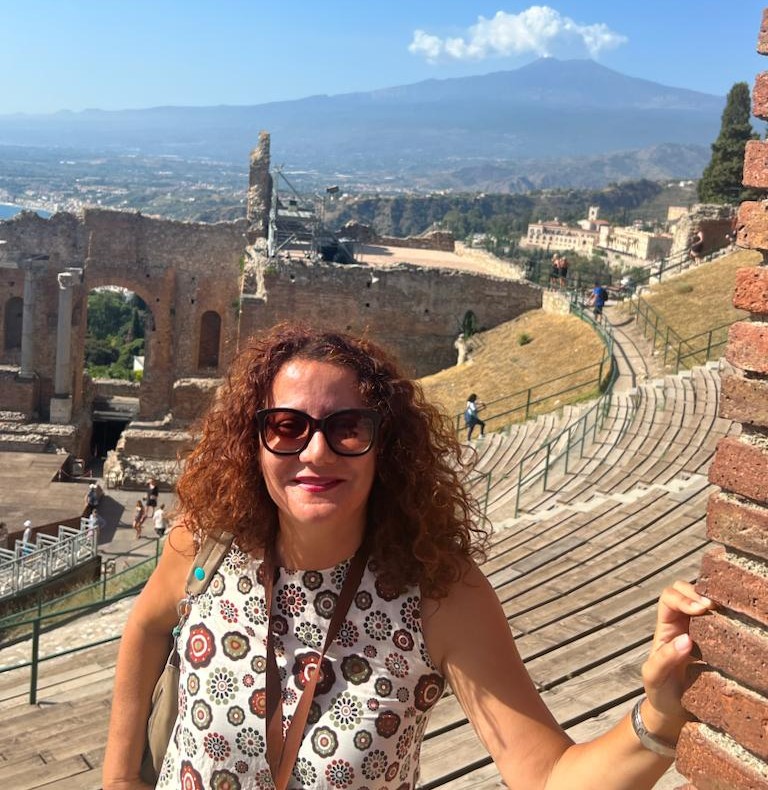
Dr Annalisa Costa, B.A. (Rome), B.A. (Milan), Ph.D. (Trento), is a Sicilian archaeologist and licensed regional tour guide who brings the island’s ancient past vividly to life. She holds multiple degrees in archaeology from La Sapienza University in Rome and the University of Milan, specialising in prehistoric developments in the Ancient Near East, and completed her PhD research at the University of Trento on pottery production techniques and experimental archaeology. Her academic work spans excavations in Italy, Turkey, and Switzerland, as well as collaborations with universities, museums, and cultural organisations.
Annalisa has also studied the rock art engravings of Valcamonica, a UNESCO World Heritage site, adding a deep understanding of prehistoric imagery and ritual to her expertise. Her Sicily tours, especially around Catania and Taormina, are infused with a passion for prehistory, archaeology, and Sicilian history and culture, weaving together landscapes, monuments, and everyday life to show how the island’s rich past still shapes its present.
Annalisa was amazing! She was very well-versed in the history of the area, and her expertise is in archaeology. She also gave us a flavor of local traditions. One of the most interesting aspects of our tour was when she took us to a small shop where papyrus is used to hand-make paper. Truly fascinating!
The tour with Annalisa was a lot more than we expected. We were excited to visit Syracuse and wanted to see especially the parts of the ancient times (first/second punic war). We went through every ancient historic site (archaelogical parc in Neapolis is highly recommended), she showed us hidden gems and really nice places while she explained, very understandably, the history of the city. This tour had been a (perhaps the) highlight of our Sicily tour. Highly recommended.
Excellent Tour! Annalisa was knowledgeable and made our tour interesting and informative. Her archeological knowledge was a bonus!
Our tours are physically active! Clambering around archaeological sites, castles, acropoli, and fortresses is an essential part of the Take Me To Europe tour experience, and stairs are everywhere in Europe! On our Sicily tour, you will need to be able to
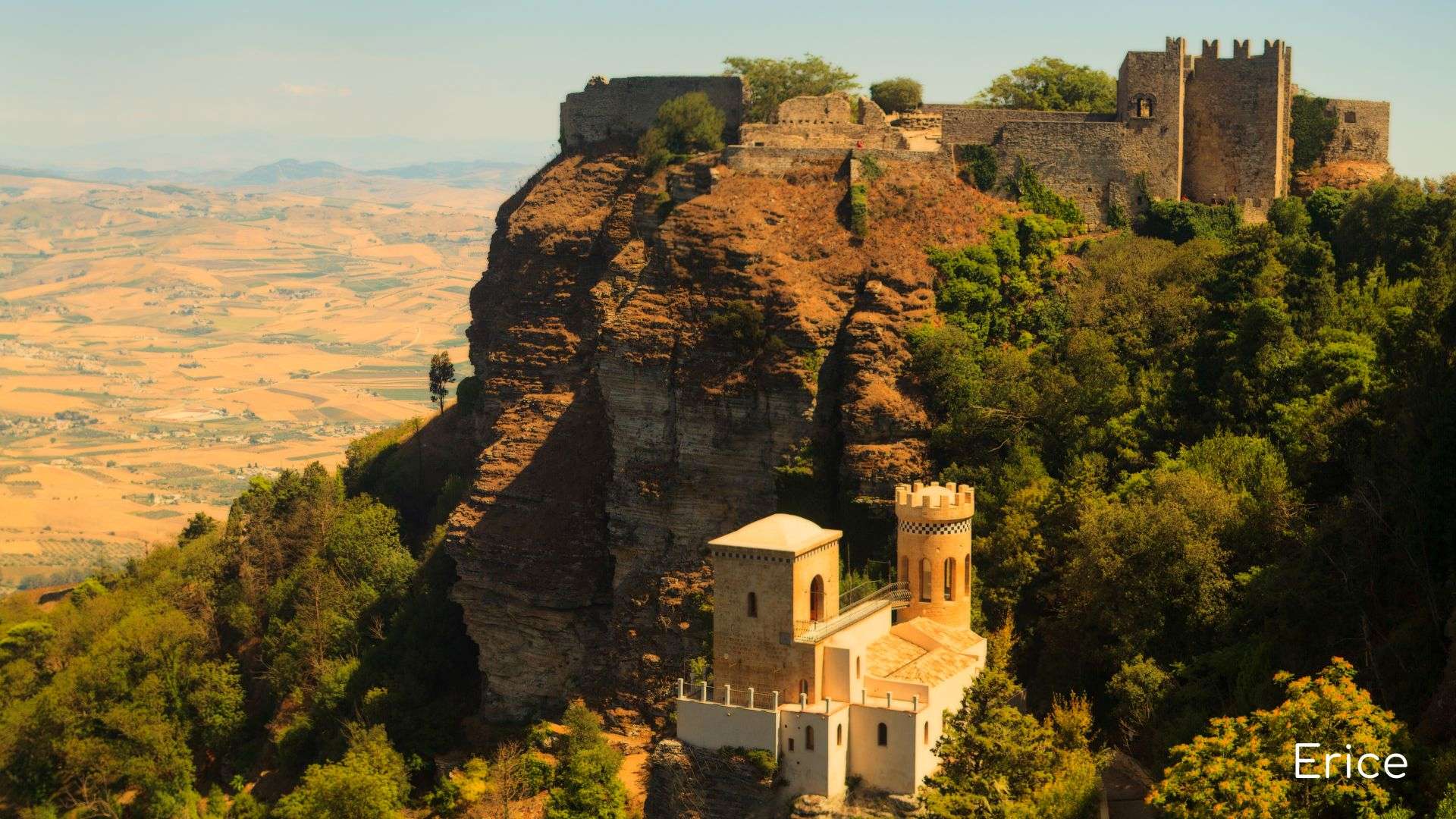
Our Ancient and Historical Sicily Tour from Catania visits many of the island’s most important archaeological and World Heritage sites, making it a comprehensive Sicily archaeology tour. Highlights include Mount Etna, the Neapolis Archaeological Park and Ortigia in Syracuse, the Valley of the Temples at Agrigento, Selinunte, Segesta, Mozia (Motya), Erice, Villa Romana del Casale at Piazza Armerina, and the Arab‑Norman and baroque towns of Cefalù, Palermo, Monreale, Ragusa Ibla, Modica, Noto and Taormina.
This Sicily tour is rooted in archaeology and history, but it is also a rich cultural experience that immerses you in Sicilian life today. You enjoy Etna and Marsala winery visits, home‑cooked dinners at an agriturismo, artisan workshops and pasticcerie in Cefalù, the Marsala salt pans, a private visit to the Cinabro Carrettieri cart‑painting studio, a hands‑on chocolate‑making experience in Modica, papyrus‑making demonstrations in Syracuse, and a small‑boat excursion from Taormina with coastal views and a chance of dolphin‑spotting.
This is a story‑driven Sicily archaeology tour designed around a clear narrative arc, not just a checklist of ruins. Guided by Sicilian archaeologist and licensed regional guide Dr Annalisa Costa, you follow Sicily from its volcanic landscapes and prehistoric communities through Greek colonisation, Roman villas, Arab‑Norman kings, and baroque rebuilding after the 1693 earthquake, so each day builds on the last. Annalisa’s research expertise and fieldwork experience mean that temples, theatres, villas, and churches are interpreted through real archaeological questions, giving you an in‑depth yet accessible Sicily tour that combines rigorous scholarship with engaging storytelling.
Art is central to understanding Sicily on this tour: you encounter Greek temple sculpture and architecture, Roman mosaics at Villa Romana del Casale, and the extraordinary Byzantine‑influenced mosaics of the Cappella Palatina, Monreale, and Cefalù. You also explore baroque urban design in Ragusa Ibla, Modica, and Noto, and living Sicilian folk art through cart‑painting at Cinabro Carrettieri, chocolate craft in Modica, and papyrus‑making in Syracuse, seeing how visual traditions carry stories from antiquity into modern Sicilian culture.
Many of Sicily’s archaeological sites involve uneven ground, slopes, and steps, especially at places like the Valley of the Temples, Selinunte, Segest,a and Neapolis Archaeological Park. Our Sicily archaeology tour is paced for curious travelers rather than athletes, and where possible, we use gentler routes and breaks, but travelers with significant mobility issues should contact us before booking so we can advise on suitability and discuss tailored options or partial site visits.
The best time for a Sicily archaeology tour is generally spring (April–May) and autumn (September–October), when the weather is comfortable for walking among archaeological sites and historic towns, and crowds are lighter than in peak summer. Summer Sicily tours are still possible, but because it can be very hot and exposed at sites like Agrigento and Syracuse, we schedule visits for cooler parts of the day and build in rest time
Absolutely! Our Sicily tour is designed to pair seamlessly with our other small‑group Mediterranean history tours, especially our Greece, Cyprus, Malta, and Sardinia itineraries. Many guests choose to link Sicily with a Greek archaeology tour or to combine Sicily with Cyprus, Malta, or Sardinia tours to create a longer Mediterranean history trip in one journey. You can check our Tour Calendar to see the sequence of our tours.
Free 16-page guide
12 sites most tourists never find
Free 16-page guide
Written by archaeologists. Submerged Roman villas, underground cities and abandoned Greek quarries –, with maps, access details and what to see at each.
One email a week. Unsubscribe anytime.
Free 16-page guide
Written by archaeologists. Submerged Roman villas, underground cities and abandoned Greek quarries –, with maps, access details and what to see at each.
One email a week. Unsubscribe anytime.