Quick answer: Segesta Sicily is an ancient Elymian city on Monte Barbaro, best known for its unfinished Doric temple from the 420s BC and a theatre whose surviving form dates mainly to the second century BC. Allow two to three hours for the archaeological park. Standard admission is €14, rising to €16 during temporary exhibitions. The uphill theatre shuttle is paid separately. Check the official park website before visiting because opening hours and transport arrangements change seasonally
Segesta at a Glance
| Key fact | Details |
|---|---|
| Location | Monte Barbaro, near Calatafimi Segesta in Trapani Province, western Sicily |
| Ancient civilisation | Segesta was one of the principal cities of the indigenous Elymians |
| Best known for | Its unfinished Doric temple and ancient theatre overlooking the Gulf of Castellammare |
| Temple date | Built during the 420s BC |
| Temple design | 36 columns arranged 6 across the front and 14 along each side, on a base measuring approximately 21 by 56 metres |
| Theatre date | First constructed in the late fourth or early third century BC, with most of the surviving structure dating to the second century BC |
| Opening hours | Open daily with seasonal hours. Check the official opening hours before visiting |
| Entrance fee | €14 standard admission or €16 during temporary exhibitions. Reduced tickets cost €7 or €9 during exhibitions (official tariffs) |
| Time needed | Allow approximately two to three hours |
| Theatre shuttle | The uphill internal shuttle is paid separately and is not included in the admission ticket |
| From Palermo | Approximately 75 kilometres or one hour by car |
| From Trapani | Approximately 35 kilometres or 35 to 40 minutes by car |
Segesta was the principal city of the Elymians, one of Sicily’s three indigenous peoples alongside the Sicani and the Sicels. According to ancient legend, the Elymians traced their origins to Trojan refugees led by companions of Aeneas, a claim that later helped Segesta justify its alliance with Rome.
Archaeological evidence points instead to local, indigenous roots that absorbed heavy Greek cultural influence over time.
The city built its reputation on cultural adaptability rather than military conquest. Positioned between Greek Selinunte to the south and Phoenician-influenced western Sicily, Segesta borrowed Greek temple architecture and civic forms while remaining politically independent, allying at different points with Carthage and then Rome.
That in-between identity is what makes the site so interesting to visit: you’re looking at a Greek-style temple built by people who were never simply Greek.
Segesta’s two standout monuments, the Doric temple and the theatre, sit on opposite hills of Monte Barbaro, connected by a shuttle road and a walking path.
I’ve seen the majority of Greek temples still standing. I was struck by the loneliness of the Segesta temple. It sits in a wide valley with mountains and the bay of Castellammare far behind, but there is nothing around it other than fields. It is unlike the typical Greek ancient temples that sat within sanctuaries to the gods.
Segesta’s history was shaped by its position between Greek, Phoenician, Carthaginian, and Roman spheres of influence. Its long conflict with nearby Selinunte began by at least the sixth century BC and eventually changed the balance of power across western Sicily.
In 416 BC, Segesta appealed to Athens for support against Selinunte. The appeal helped draw Athens into the disastrous Sicilian Expedition of 415 to 413 BC. Carthaginian forces destroyed Selinunte in 409 BC, after which Segesta became a Carthaginian ally.
During the First Punic War, Segesta changed allegiance and joined Rome. Roman tradition accepted the city’s claimed Trojan ancestry, which linked the Elymians with the legendary origins of Rome. Segesta later received favourable status as a free city under Roman rule.
The classical city declined, but settlement on Monte Barbaro continued in different forms. The later remains include a medieval castle, church, and mosque, showing that the site’s history did not end with the ancient city.
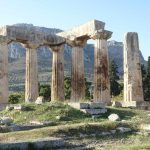
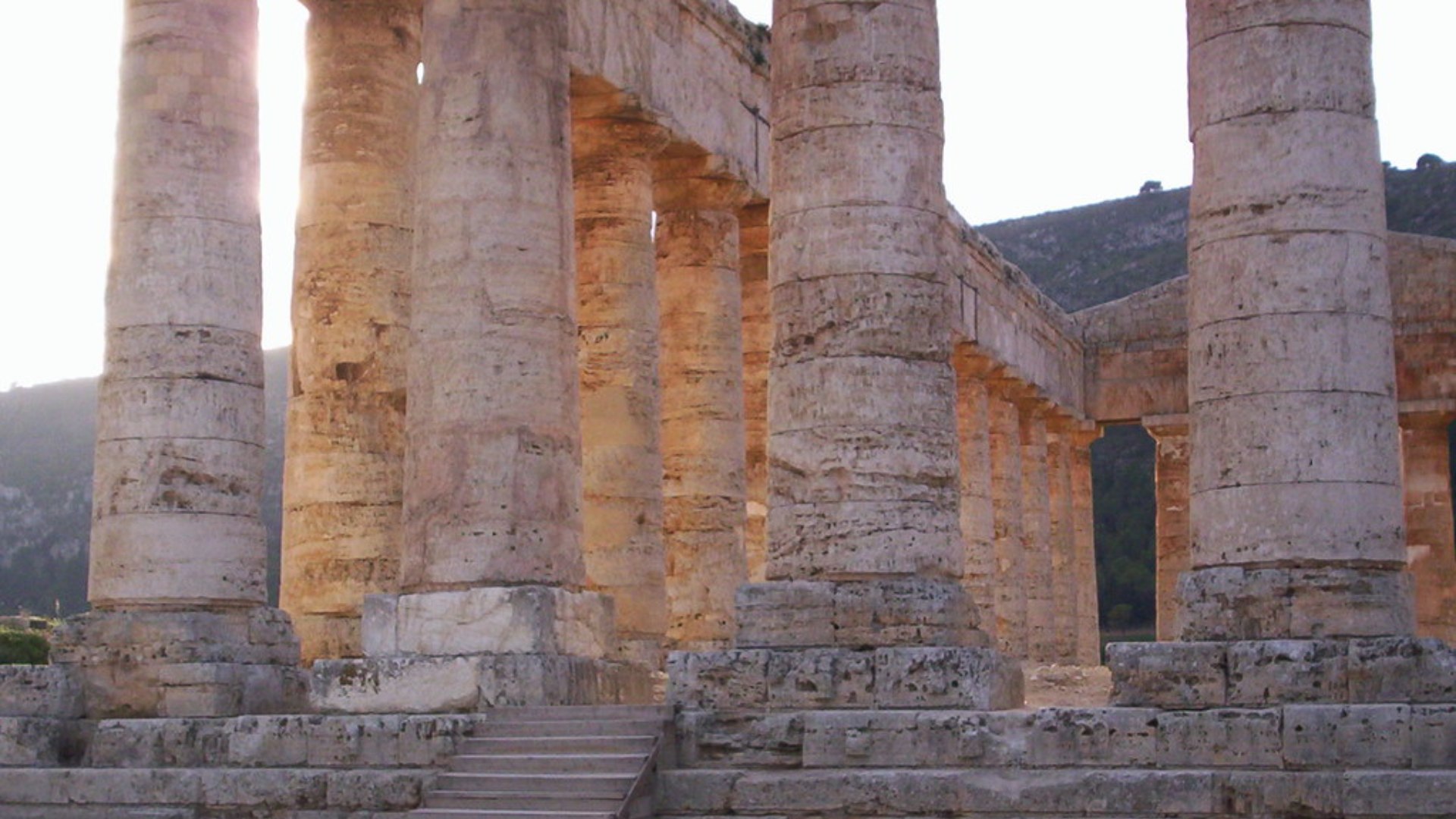
The Temple of Segesta was probably built during the 420s BC. It has 6 columns across the front and 14 along each side, creating a total of 36 columns on a base of three steps measuring approximately 21 by 56 metres. Its Doric design follows architectural forms also found at nearby Selinunte.
Several features show that the temple was never completed. The columns were never fluted, lifting bosses remain visible on the stone blocks, the cella or inner chamber was never built, and the temple was never roofed.
The precise reason construction stopped remains uncertain. Work may have ended during the political and military upheaval that followed Segesta’s appeal to Athens, the failed Sicilian Expedition of 415 to 413 BC, and renewed conflict with Selinunte.
Some scholars have questioned whether the building was intended to function as a conventional Greek temple. No altar or certain dedication has been identified, so its intended cult and final purpose remain debated.
The temple was probably built in the 420s BC. Most scholars attribute it to Segesta’s indigenous Elymian community, although the involvement of a Greek or Athenian architect has also been proposed.
It has 6 columns across the front and 14 along each side on a base measuring 21 by 56 metres, in the classic Doric peripteral form closely following models used at nearby Selinunte.
It was never completed: the columns lack the fluting typical of finished Doric temples, transport bosses are still visible on the base blocks (normally chiselled off once a block was in place), the cella (inner chamber) was never built, and the roof was never added.
The temple was never completed, but the precise reason remains uncertain. Construction may have stopped during the political and military upheaval that followed Segesta’s appeal to Athens, the failed Sicilian Expedition of 415 to 413 BC, and renewed conflict with Selinunte.
A smaller strand of scholarship argues the building was never intended to be a conventional Greek temple at all, and its “unfinished” state reflects a different, non-Greek ritual use, but this is a more speculative minority view.
What’s well established either way: no altar has been identified, and we don’t know which divinity, if any, it was built for.
What strikes most of our Sicily tour guests is how complete the temple looks despite being unfinished. All 36 columns still stand on a three-stepped base, giving an unusually full sense of Doric proportion and scale for a structure this old.
It sits alone on its hillside with no surrounding town or later construction crowding it, which is part of why it has drawn artists and writers for centuries, including the German writer Johann Wolfgang von Goethe, who described visiting the site during his 1787 Italian journey.
What’s well established either way: no altar has been identified, and we don’t know which divinity, if any, it was built for.
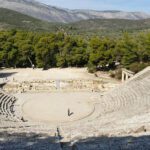
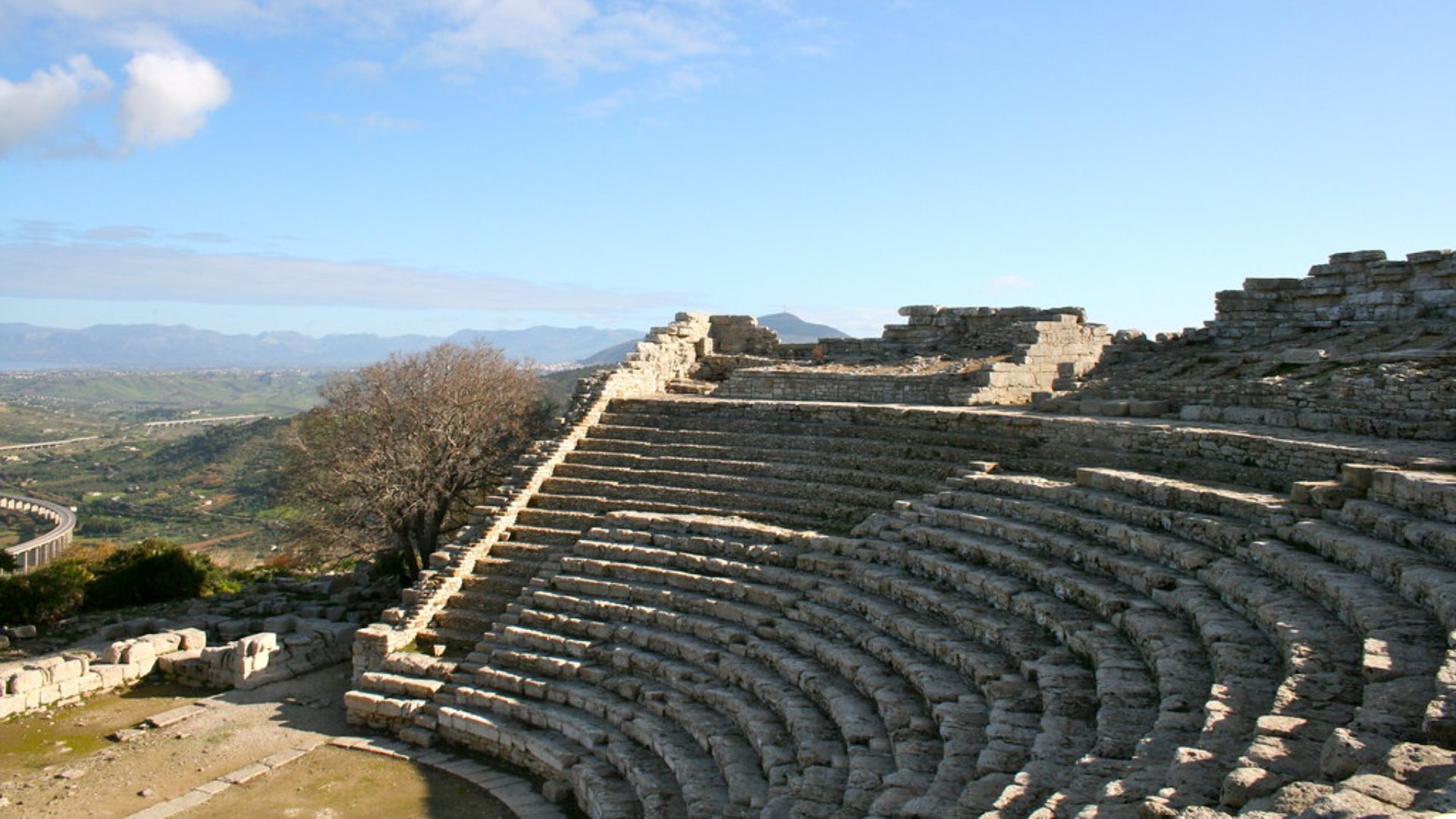
A steep road and marked walking path lead from the temple area to the theatre on the northern slope of Monte Barbaro. The theatre was first constructed in the late fourth or early third century BC. Most of the structure visible today belongs to a second-century BC rebuilding during the period of Roman rule.
The theatre originally had 29 rows of seating divided into seven sections and probably accommodated about 4,000 spectators. The lower 21 rows survive. From the upper seating, the view extends across the hills towards the Gulf of Castellammare.
No surviving ancient text records the performances held here. Its scale and position near Segesta’s civic buildings suggest that it served public gatherings and entertainment. The nearby bouleuterion, or council building, formed part of the city’s wider civic centre.
The theatre continues to host performances during the Segesta Teatro Festival. Check the current programme before travelling if attending a performance is part of your plans.
On hot days I take the shuttle bus up the hill, but often walk back down again.
Standard admission to Segesta Archaeological Park costs €14, or €16 when a temporary exhibition is running. Reduced admission costs €7, or €9 during exhibitions. The internal shuttle to the theatre is not included in the admission price.
The Park is open daily, with seasonal admission hours:
🔹 1 January to 28 February: 9:00 am to 3:30 pm. Park closes at 5:00 pm.
🔹 1 March to 29 March: 9:00 am to 5:00 pm. Park closes at 6:30 pm.
🔹 30 March to 30 September: 9:00 am to 6:00 pm. Park closes at 7:30 pm.
🔹 1 October to 25 October: 9:00 am to 5:00 pm. Park closes at 6:30 pm.
🔹 26 October to 31 December: 9:00 am to 3:30 pm. Park closes at 5:30 pm.
Opening hours can change for events, holidays, or operational reasons. Check the official Segesta opening hours before travelling.
Allow two to three hours to see the temple, theatre, and principal remains without rushing. Allow longer if you plan to walk uphill rather than use the shuttle or want to explore the civic and medieval areas in detail.
The temple and theatre occupy separate slopes approximately 1.5 to 1.7 kilometres apart along the connecting route. Visitors can follow the steep uphill path or pay separately for the internal shuttle to the theatre. The shuttle is not included in the archaeological park ticket.
Confirm the current shuttle schedule and fare at the ticket office when you arrive. Avoid publishing a fixed shuttle price because the fare and arrangements can change.
If you don’t do well in the heat, and you’re visiting in summer or in the middle of the day when Sicily can be extraordinarily hot, the shuttle not only spares your knees, it also helps keep you out of the sun.
The internal shuttle reduces the uphill travel between the temple area and the theatre, but parts of the archaeological park have uneven surfaces and steep gradients. Visitors with limited mobility should contact the park before travelling to confirm current accessible routes, shuttle arrangements, and assistance.
Segesta is approximately 75 kilometres from Palermo and the drive usually takes about one hour via the A29 motorway. It works well as a day trip or as a stop when traveling towards Trapani, Erice, or Marsala.
Limited public transport may be available, but frequency changes by season. Check the current operator timetable before planning a visit without a car.
Trapani is approximately 35 kilometres from Segesta, with a driving time of about 35 to 40 minutes. Limited bus services may connect Trapani with Segesta, but schedules can be reduced outside the main visitor season. Confirm the current timetable before traveling.
Segesta and Selinunte offer very different experiences. Segesta is a more compact visit centred on its Elymian identity, unusually complete unfinished temple, and hilltop theatre. Selinunte is a much larger Greek colonial city with several temple complexes spread across an extensive coastal archaeological park.
Choose Segesta if you have limited time or want to combine an archaeological site with Erice, Trapani, or Marsala. Choose Selinunte if you want to spend several hours exploring the layout and monuments of an entire ancient city.
Visit both if your itinerary allows. Together they help explain the long rivalry between Segesta and Selinunte and the competing cultures that shaped western Sicily.
Being archaeology enthusiasts, we visit both, but they are very different beasts. If you are visiting them both in one day, make sure you spare some energy for Selinunte, as it will take much longer to walk around.
Segesta is exposed, with little shade around either the temple or the theatre, so timing matters more here than at sites with tree cover or indoor galleries. Spring (April–May) and autumn (September–October) bring milder temperatures and noticeably lighter crowds (especially in October) than the height of summer, when midday heat on the open hillside can be intense, and buses of day-trippers cluster around the same hours.
We deliberately schedule our own Sicily tour for spring and autumn departures for exactly this reason: it avoids the worst of the summer heat and the crowds, while still giving good light for photographs and comfortable walking conditions between the temple and theatre. We are progressively shifting our Sicily tours earlier and later in the year as the summer season seems to begin earlier and end earlier each year.
If you can only visit in summer, aim for the first two hours after opening or the last two hours before closing, when the light is gentler and the site noticeably quieter.
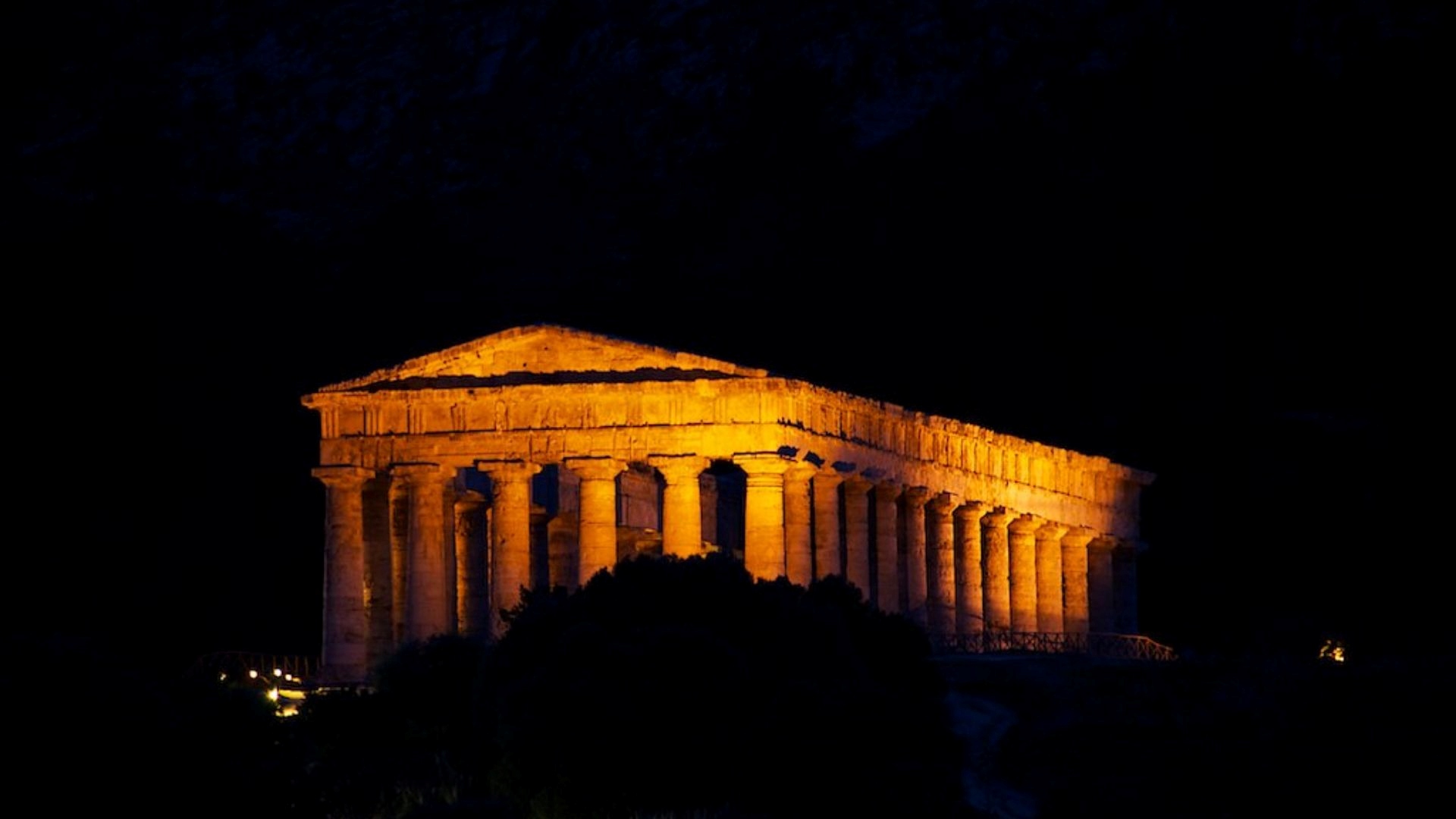
Segesta’s appeal is partly visual: the isolated temple, the theatre’s sightline to the sea, but understanding why an indigenous Elymian city was built in Greek style, and why the temple stopped mid-construction, benefits from someone who can walk you through the competing theories on-site rather than relying on the information panels alone.
Segesta is one of the stops on our Sicily Tour: From Ancient Temples to Baroque Towns, a 15-day small-group journey led by Sicilian archaeologist Dr Annalisa Costa. The tour visits Segesta on Day 5, traveling from Palermo before continuing to Marsala, Selinunte, and the Valley of the Temples at Agrigento, tracing Sicily’s story from Greek colonisation through to Roman and medieval rule. Groups are capped at 12 travelers, with private, small-group access to the site included in the itinerary.
If you’d rather build Segesta into your own independent itinerary alongside Selinunte and the Valley of the Temples, our Valley of the Temples, Sicily: Agrigento Visitor Guide covers the practicalities for that stop in the same level of detail.
Segesta rewards a visit precisely because it resists easy categorisation: not quite Greek, not quite native, built ambitiously and left unfinished, and still standing nearly 2,500 years later on a hillside above the Gulf of Castellammare.
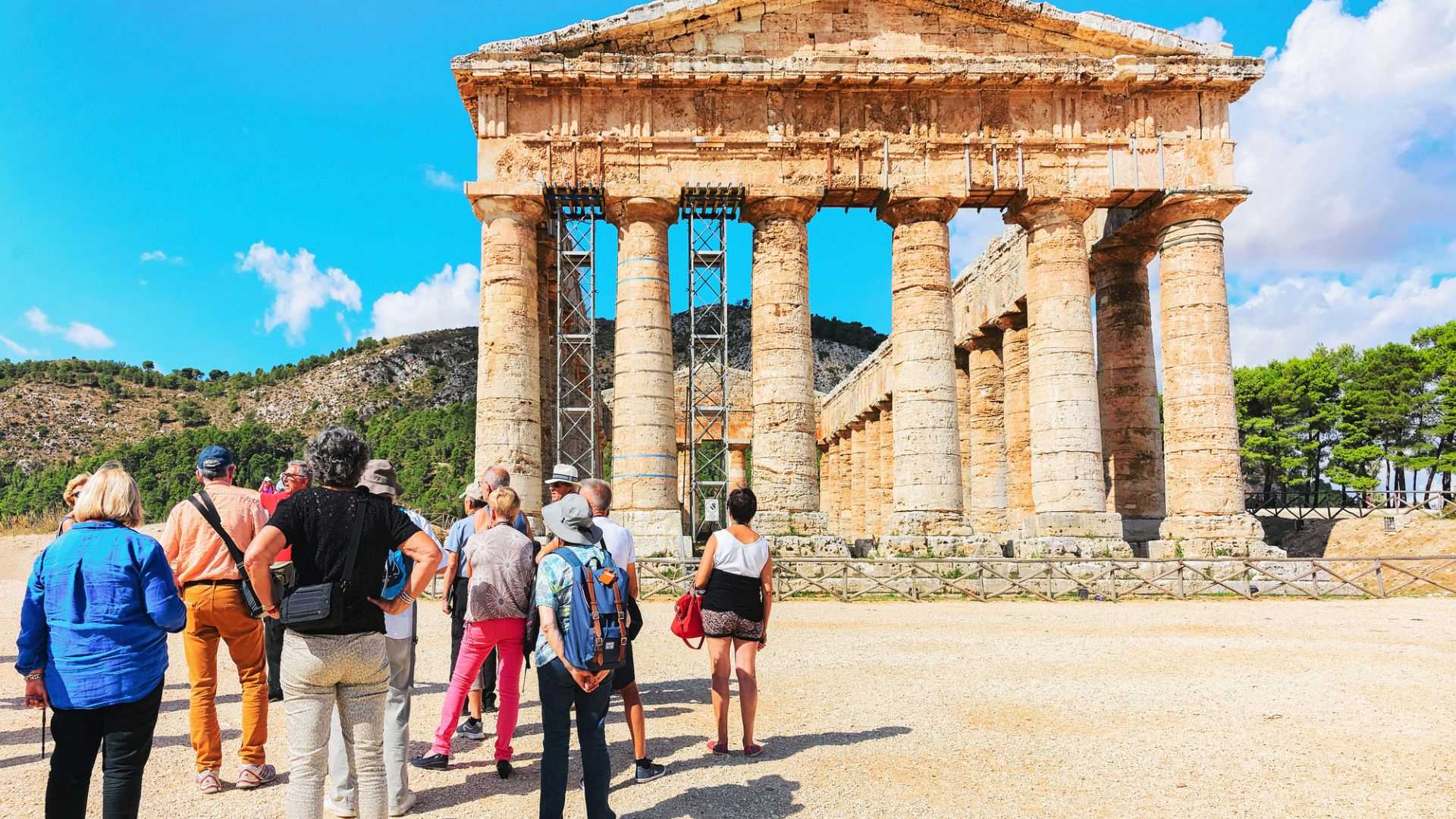
Segesta is worth visiting for the combination of its landscape, architecture, and unusual cultural history. The temple appears remarkably complete even though it was never finished, while the theatre gives visitors a wider view of the ancient city and its setting on Monte Barbaro.
What makes Segesta different is its Elymian identity. This was not simply a Greek city, even though its most famous monuments use Greek architectural forms. A visit reveals how communities in western Sicily adopted, adapted, and reinterpreted the cultures surrounding them.
In listening to archaeologists explain what’s unique about the Temple of Segesta, I’m always struck by its difference – to see a civilization (the Elymians) that was not Greek emulate a Greek temple in Italy and still create an aesthetically pleasing and visually powerful monument in this vast landscape is a very memorable site.
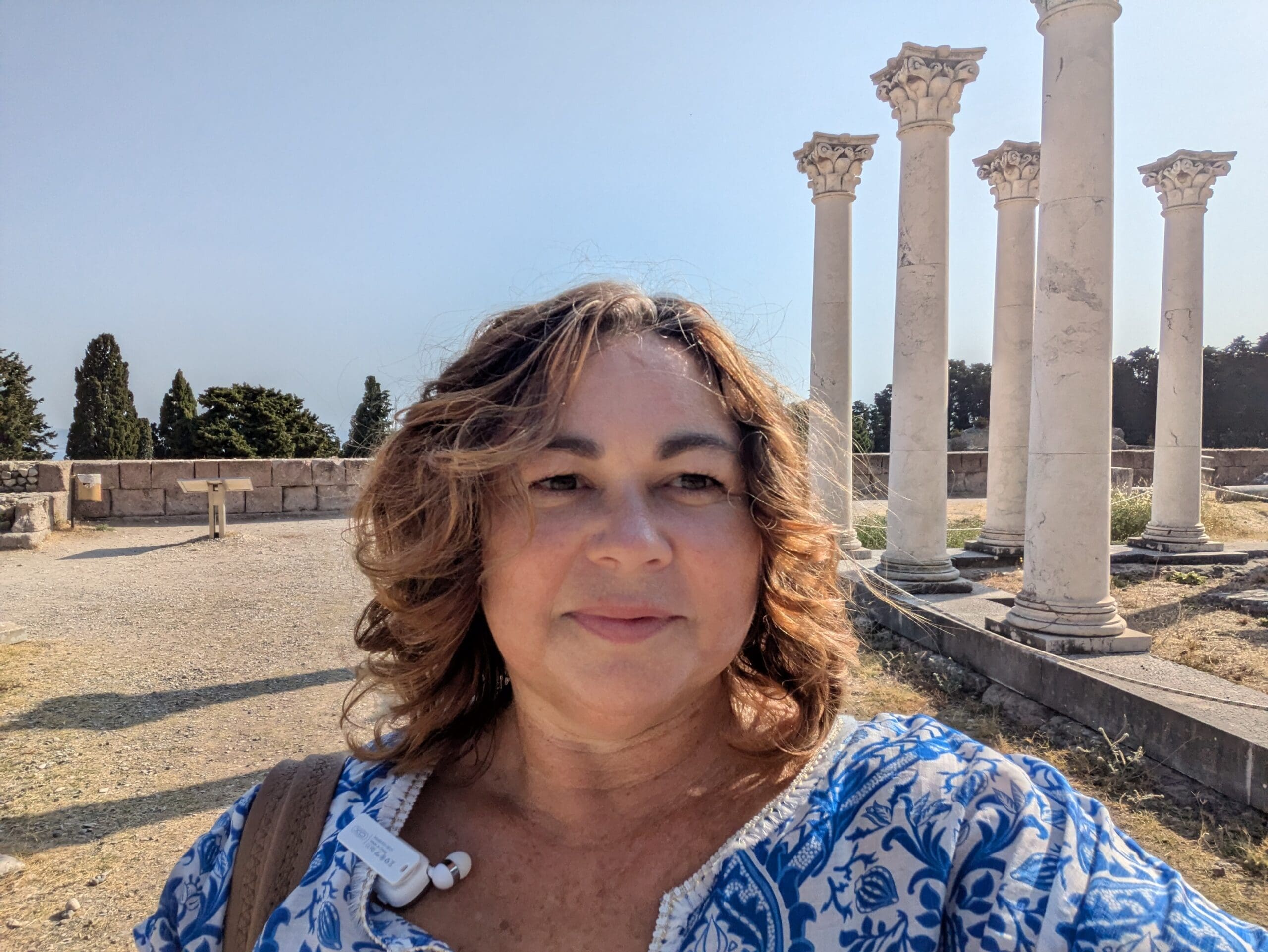
Professor Monique Skidmore is an award-winning anthropologist and travel expert who has spent more than 25 years exploring and documenting cultures around the world. As the founder of Take Me To Europe Tours, she combines her deep academic expertise with a passion for cultural immersion and archaeology. Monique creates small-group journeys across Cyprus, Greece, Italy, Malta, and the wider Mediterranean.
On her small-group Sicily Tour: From Ancient Temples to Baroque Towns, she visits Segesta with Sicilian archaeologist Dr Annalisa Costa, and this guide draws on those visits.
For more on her work and travels, visit her About Monique page.