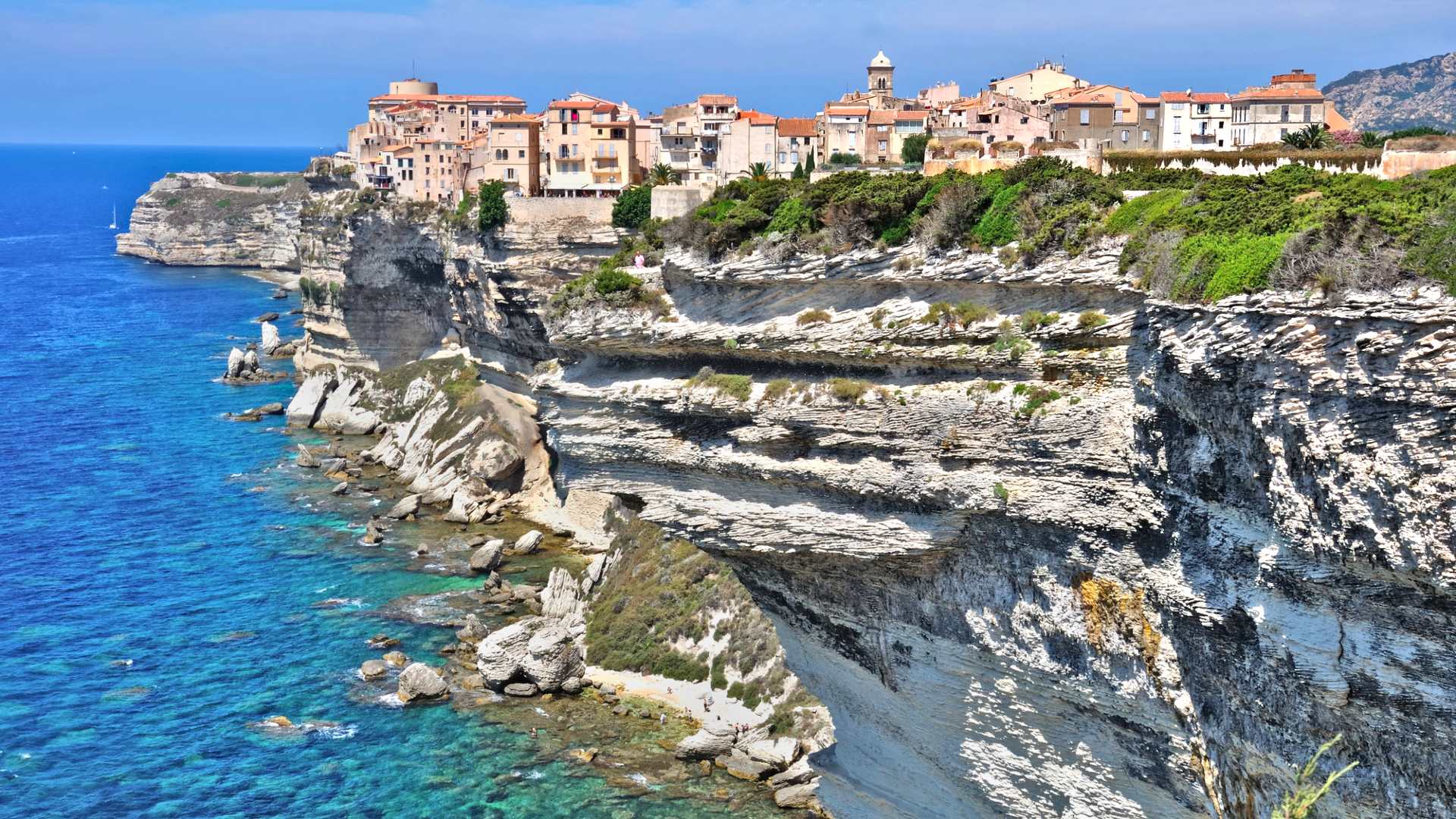
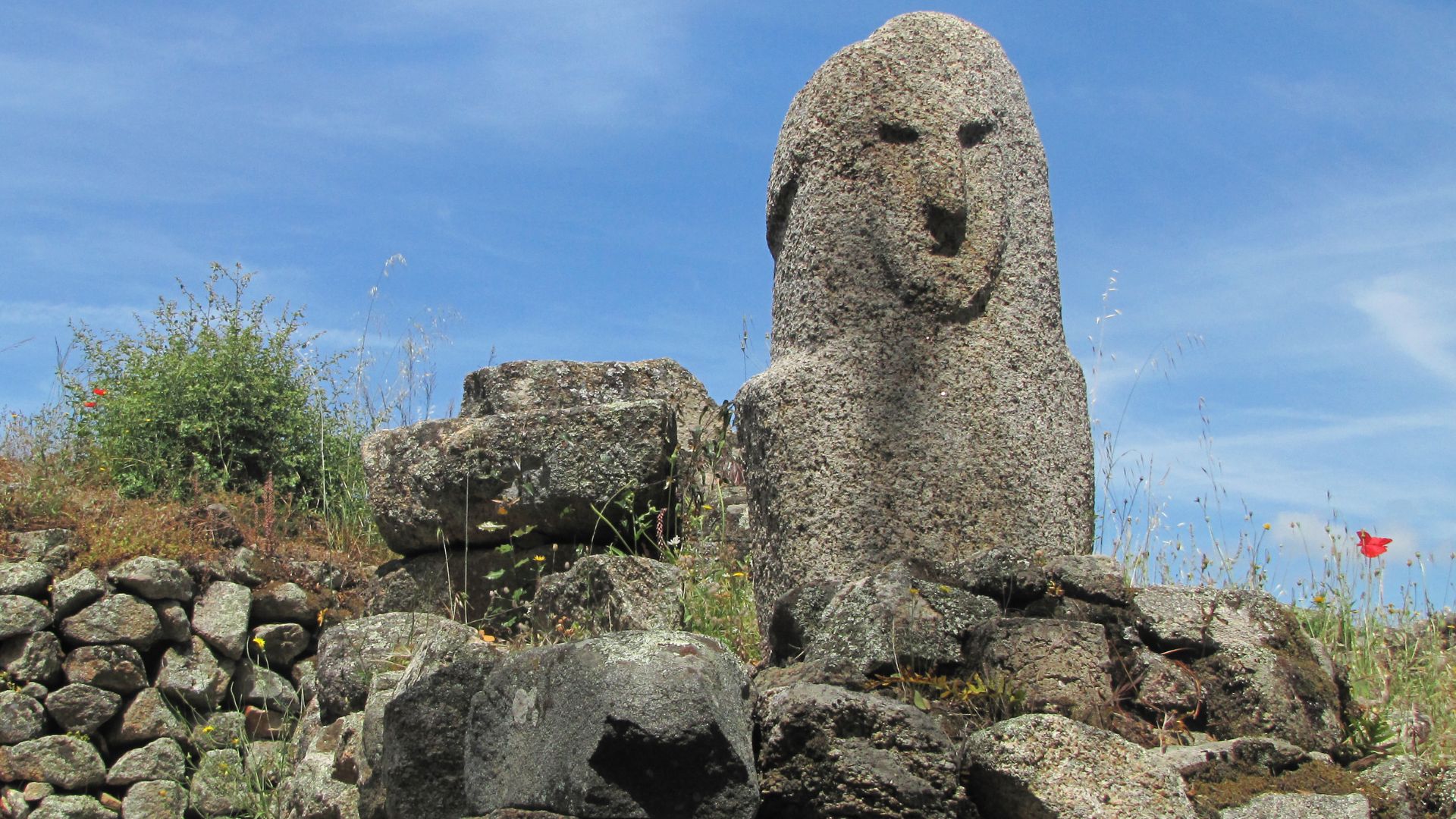
Stand among the granite warriors of Filitosa, follow an oak-wood trail to the Bronze Age tower of Cucuruzzu, and walk the Genoese walls of Bonifacio above its white limestone cliffs. Our new Corsica tour takes the island’s story in order, from the standing stones of Cauria to the Greek and Roman city of Aléria, Paoli’s mountain capital at Corte, and the Ajaccio house where Napoleon was born.
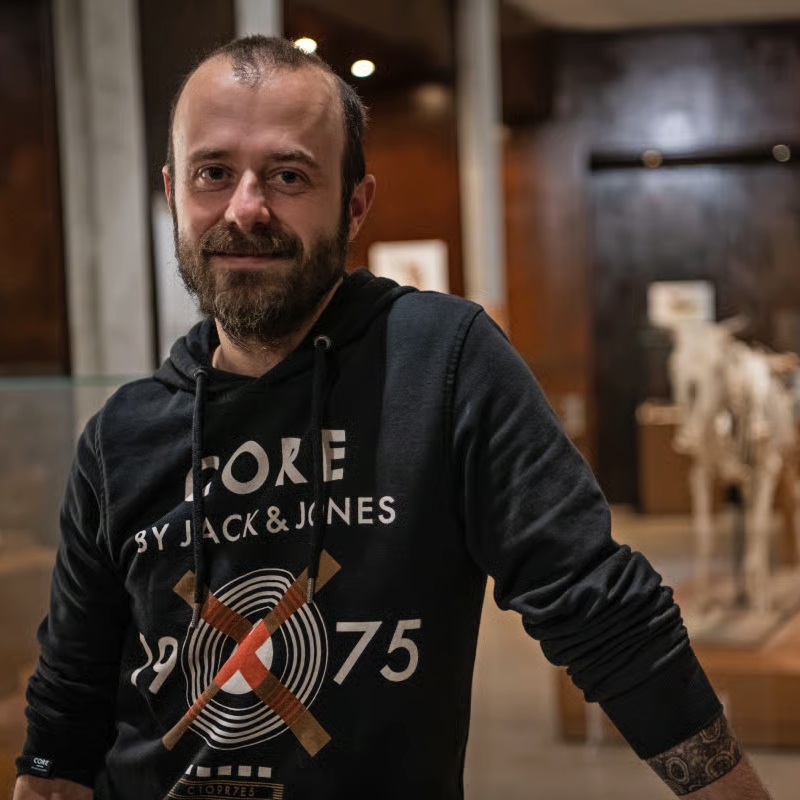
Your archaeologist is Dr Kewin Pêche-Quilichini, the Corsican archaeologist who has excavated Cucuruzzu and directs the museum that holds its finds. You taste chestnut bread and mountain cheeses with local wine, and on your last evening in Bastia, you hear Corsican polyphonic singing.
Join our expert-led Corsica archaeology and history tour to follow the island’s story from 9000 BC to the present. We travel from Bonifacio in the south to Bastia in the north, staying two nights each in Sartène, Ajaccio, and Bastia.
Days 2 to 4 explore the prehistoric south with your archaeologist-guide, Dr Kewin Pêche-Quilichini. From Ajaccio, the story moves on to Napoleon and Paoli’s Corte, then to the Greek and Roman east coast and the Genoese citadel of Bastia. Each day explains the last and prepares for the next.
Should you have any questions about this tour, please don’t hesitate to get in touch with our team.
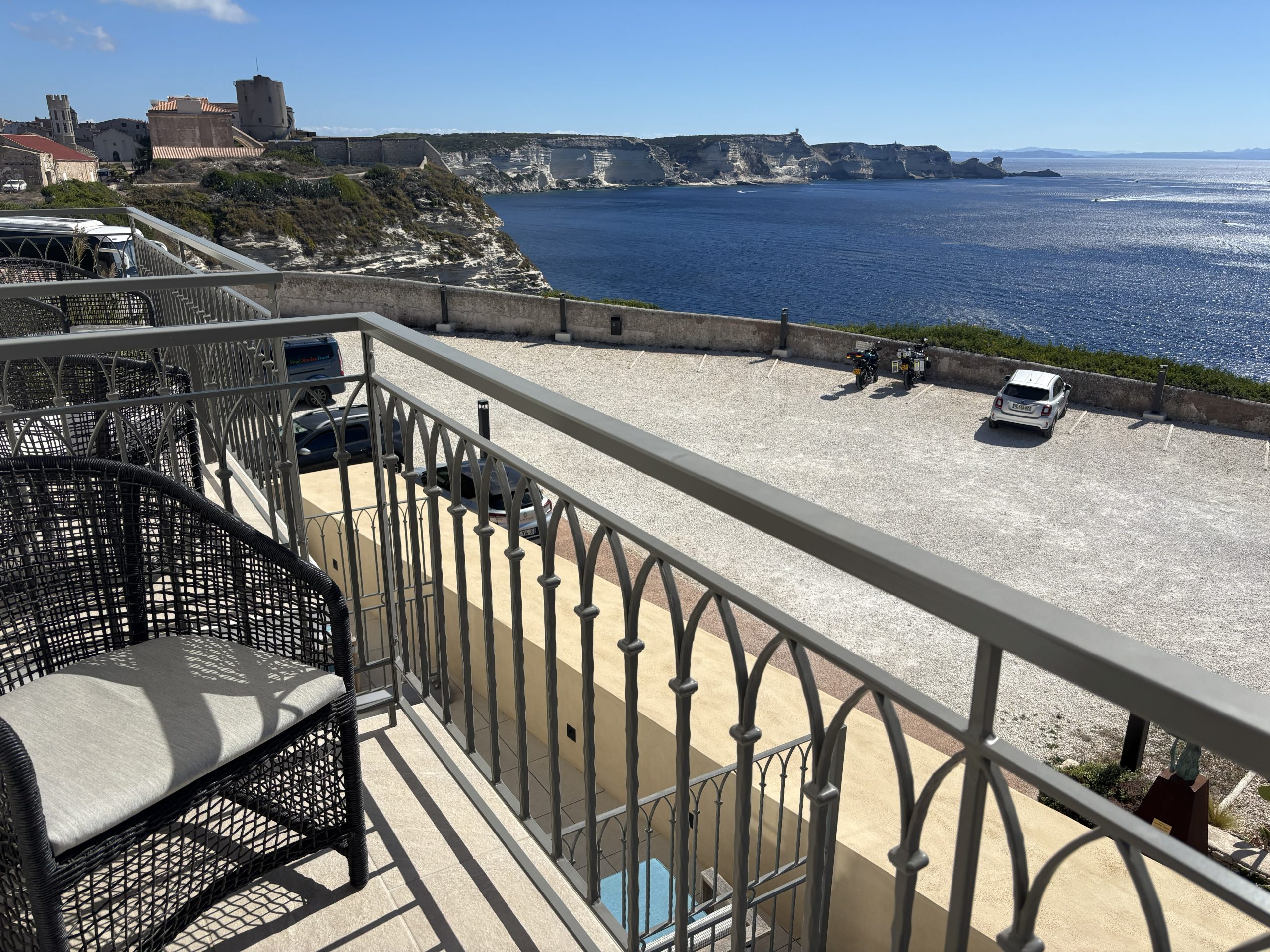
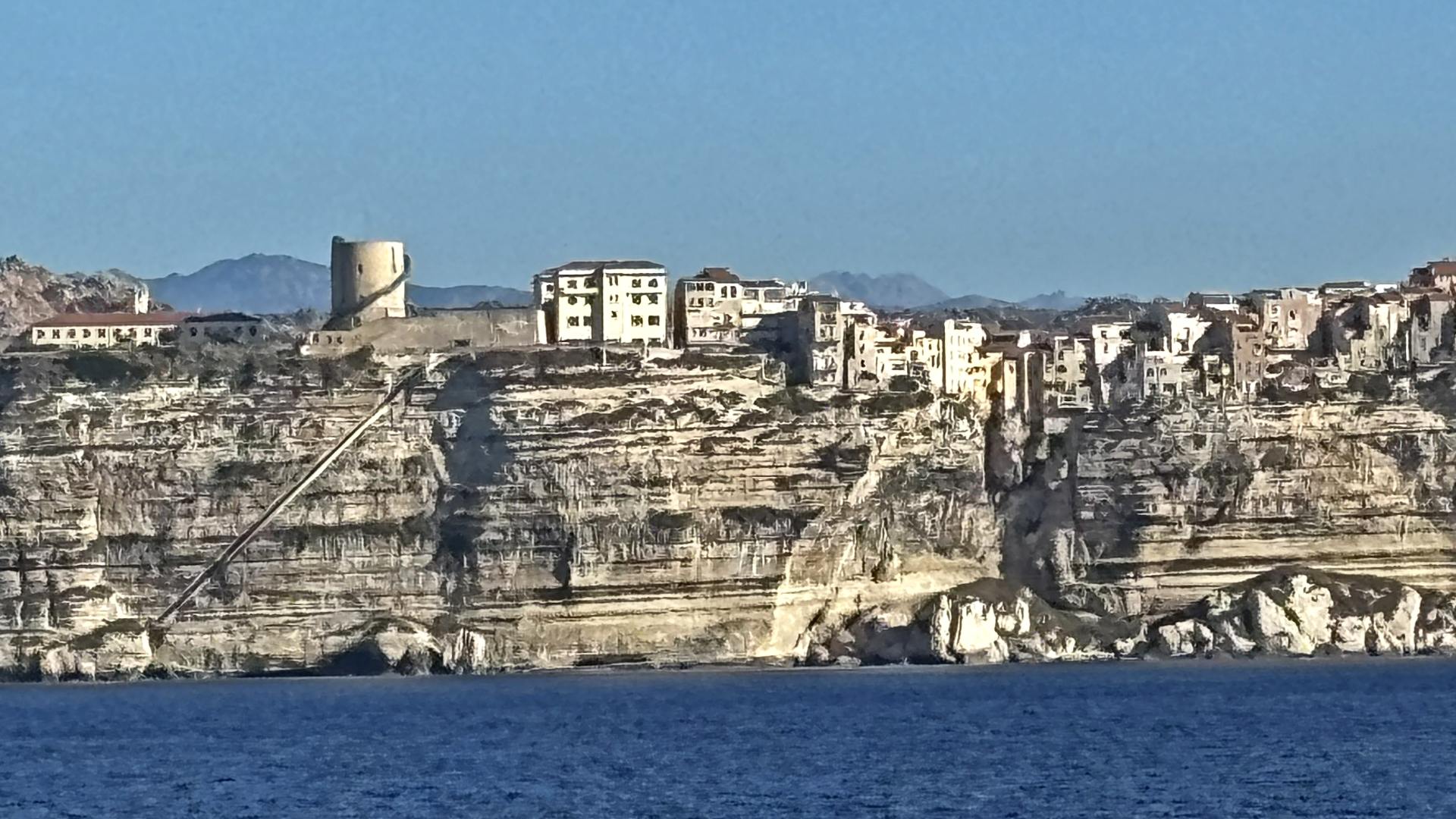
Our journey begins in Bonifacio, the medieval city on the imposing white limestone cliffs of southern Corsica. Arrive by ferry from Sardinia or at Figari-Sud Corse Airport, then transfer to your centrally located hotel, settle in, and meet your tour leader and fellow travelers.
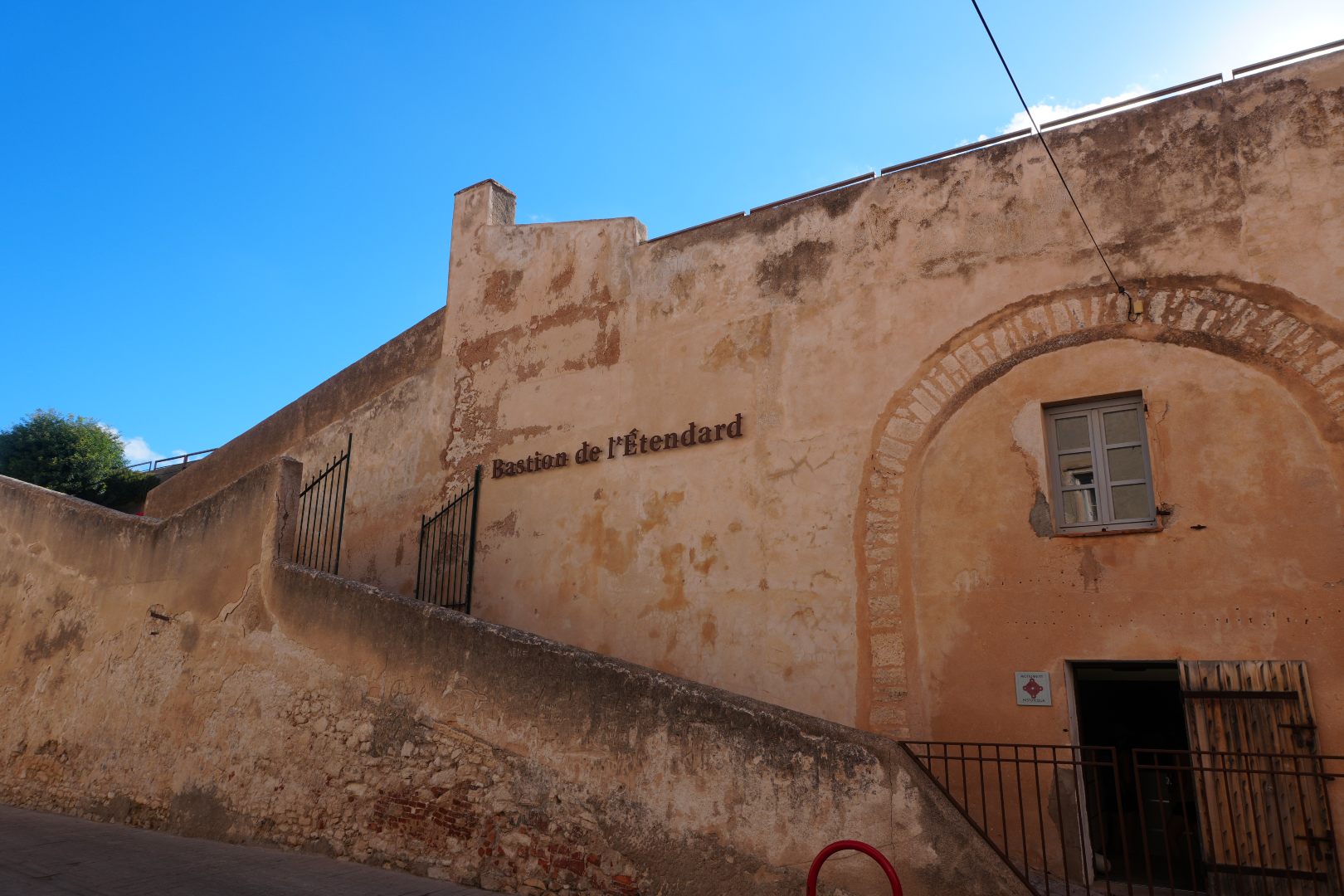
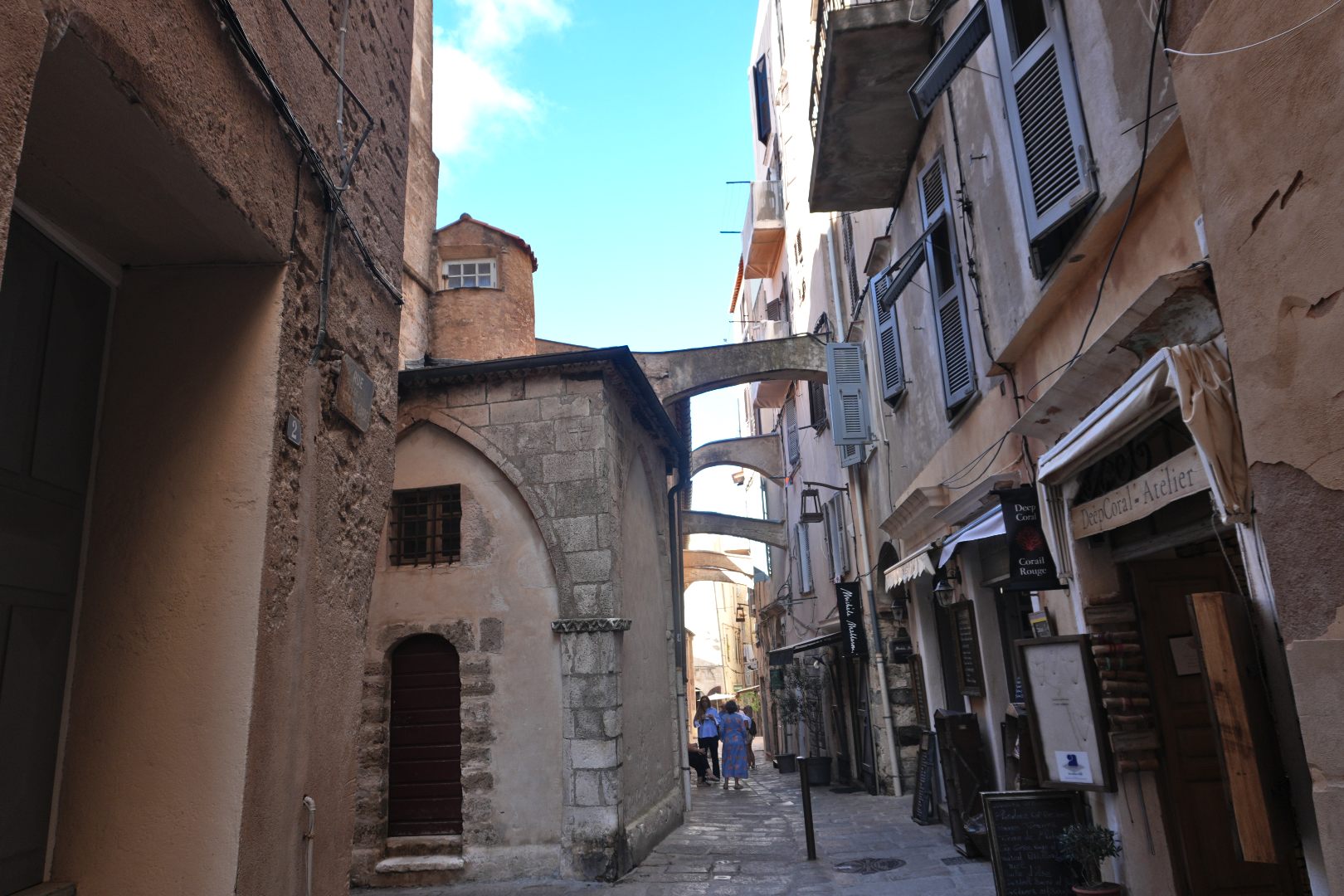
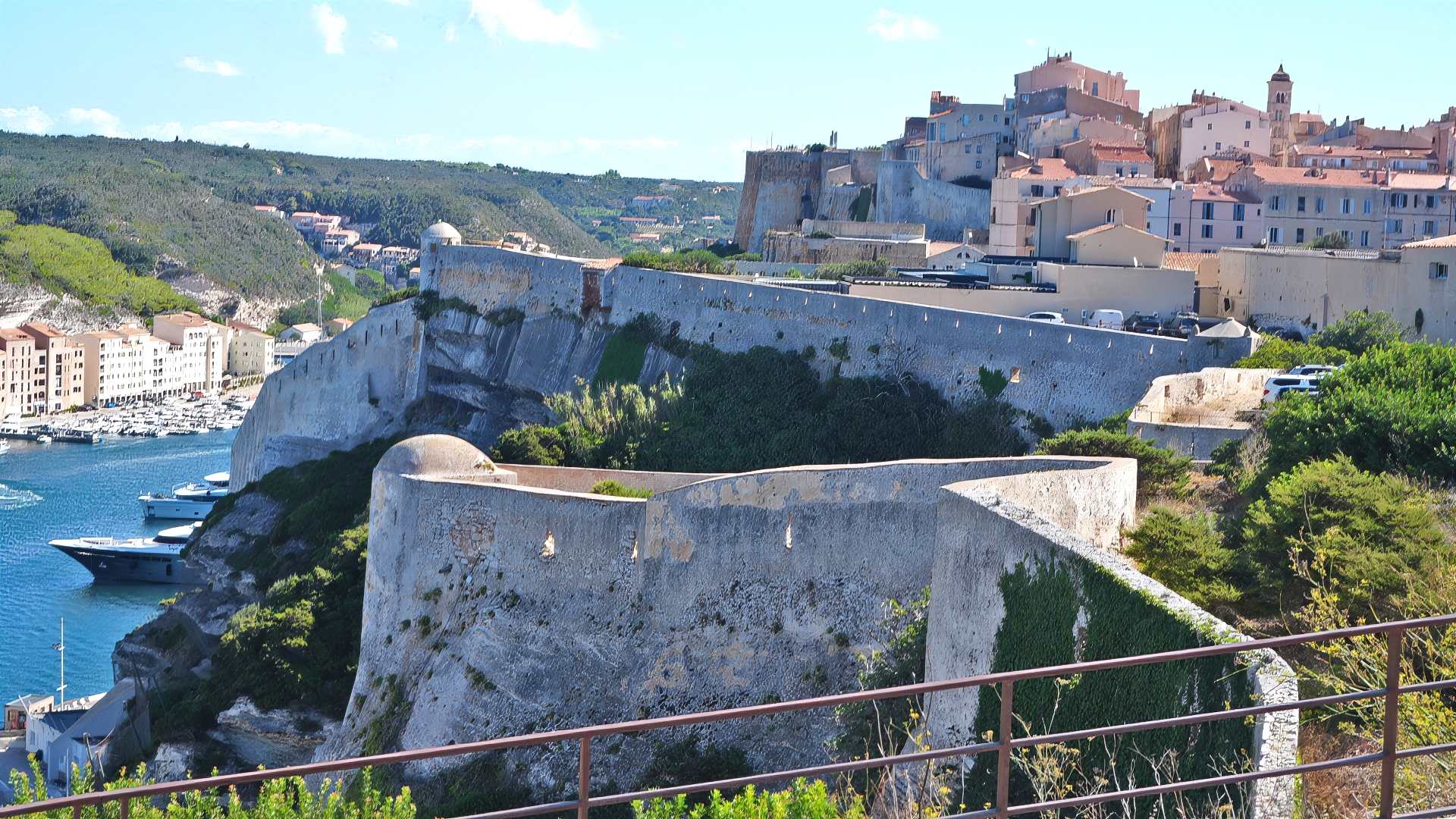
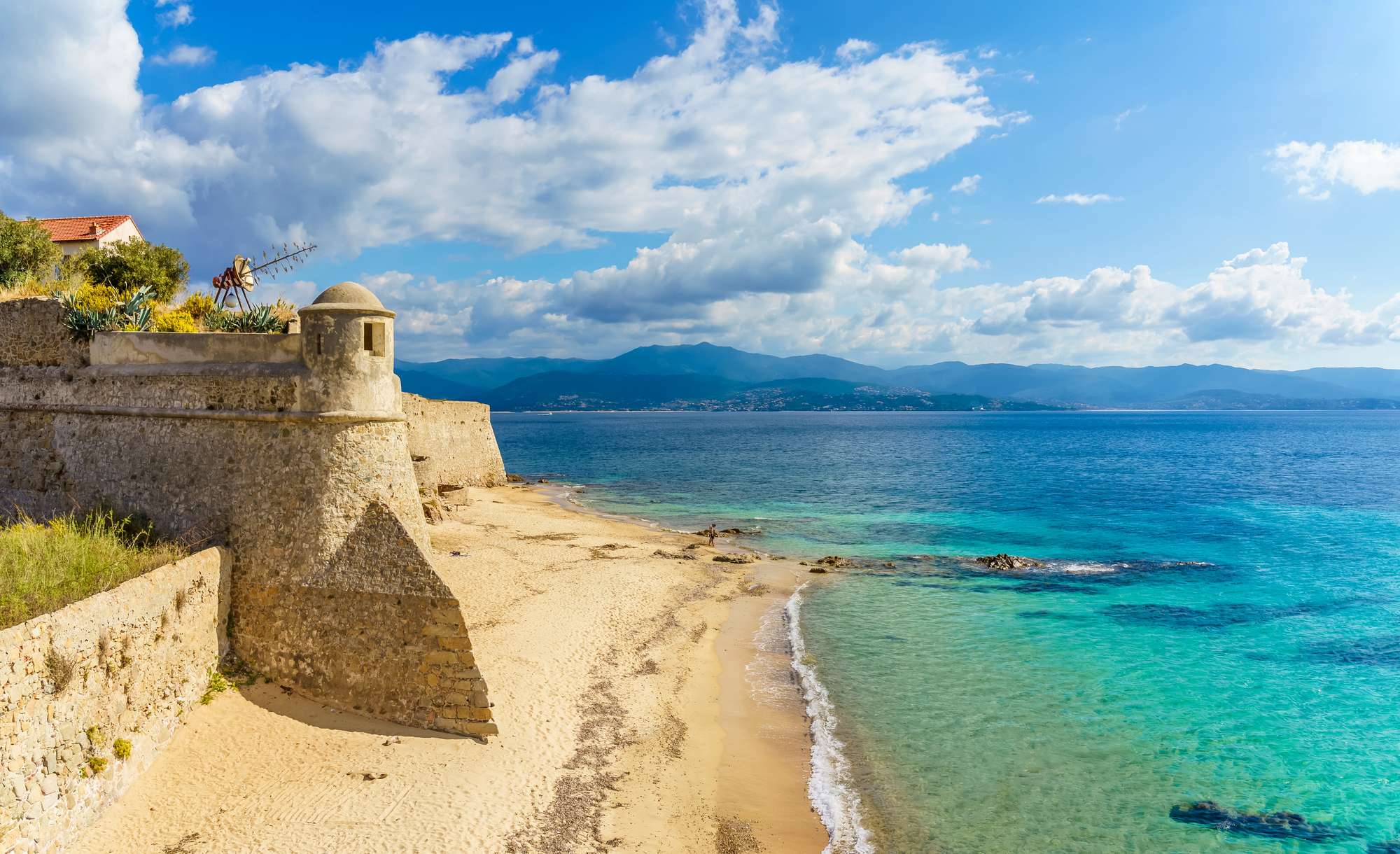
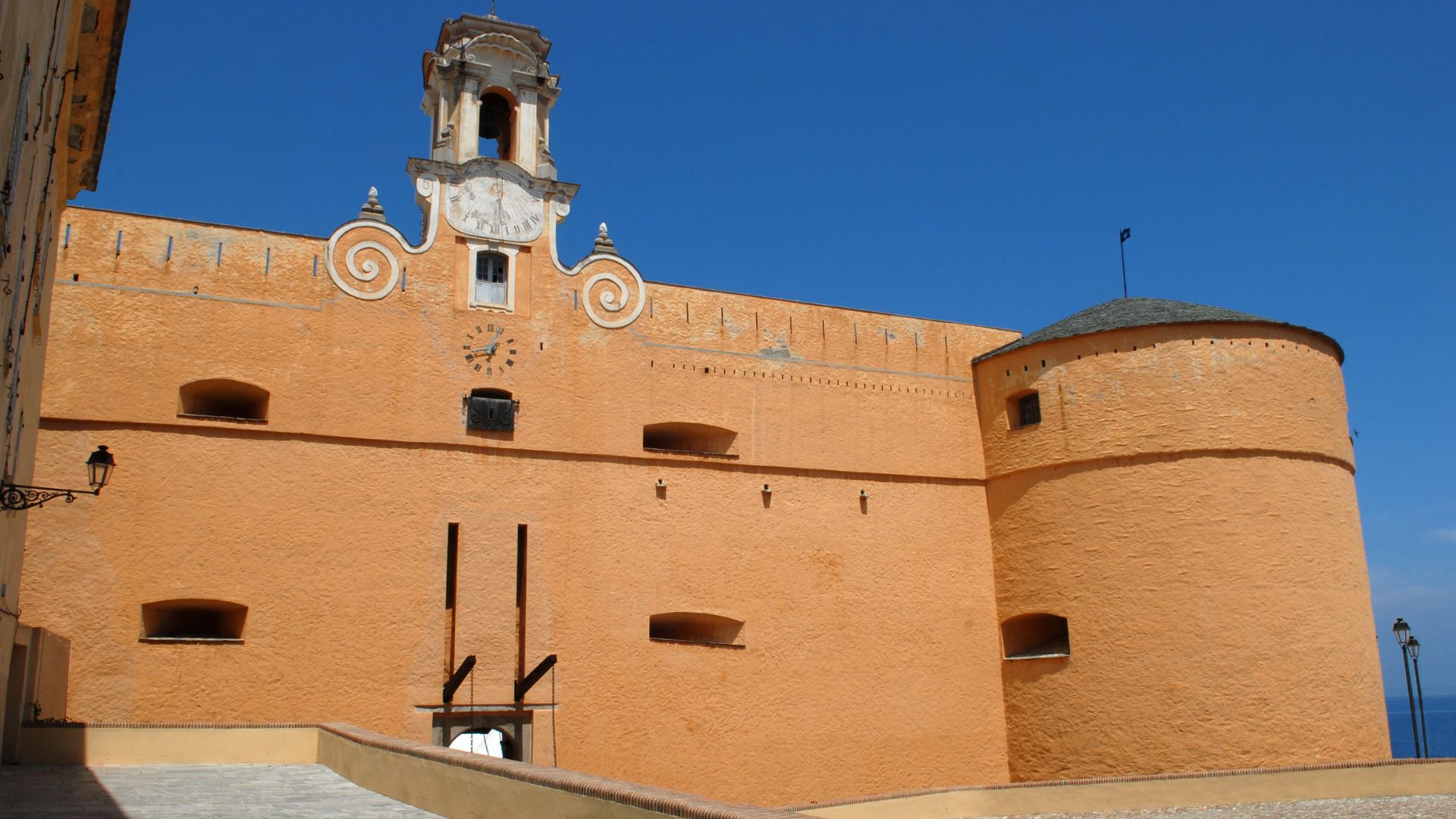
In the late afternoon, our guide leads us on a walking tour beside the Genoese defensive fortifications and through the narrow cobblestone alleys of the historic citadel, introducing Bonifacio’s haute ville and the rich cultural and religious life its walls defended.
We stop for a welcome dinner of seasonal southern Corsican dishes and local wine.
Meals: D
Overnight: Bonifacio
After breakfast, we leave stunning Bonifacio and travel to Sartène and the Cauria Plateau to meet our archaeologist guide, Dr. Kewin Peche-Quilichini, the Director of the Alta Rocca Museum. Kewin takes us on a guided tour of three sites.
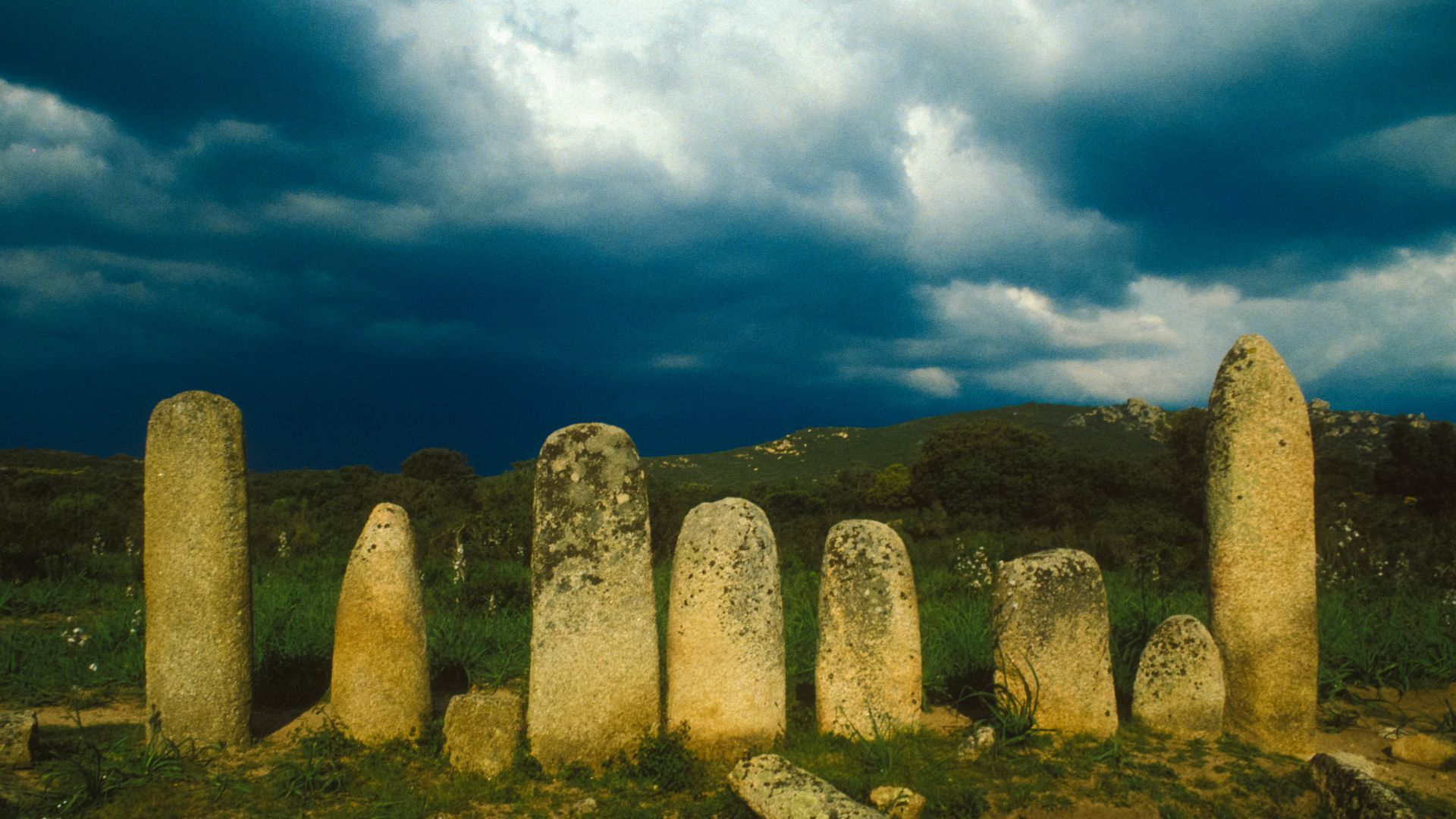
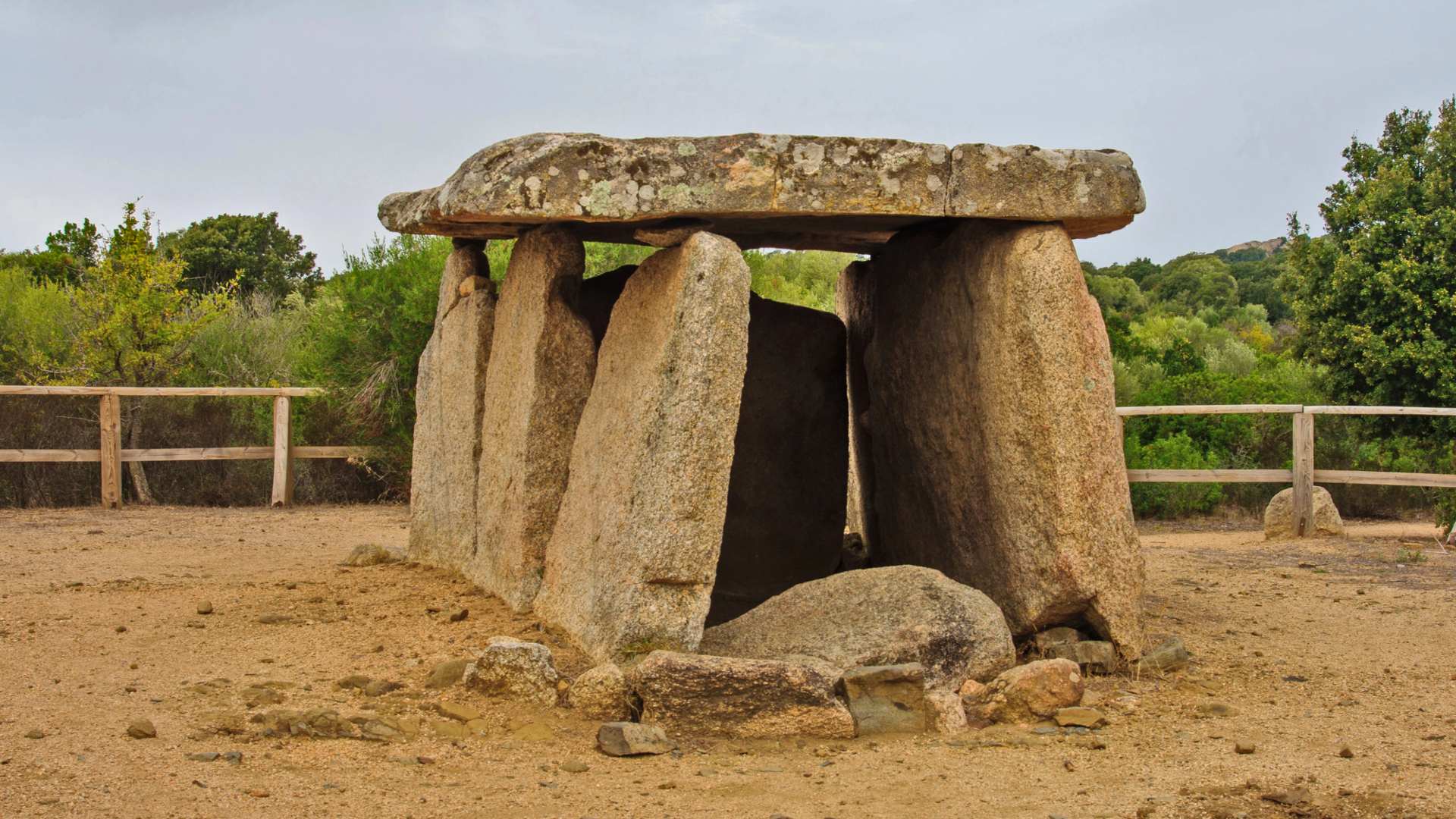
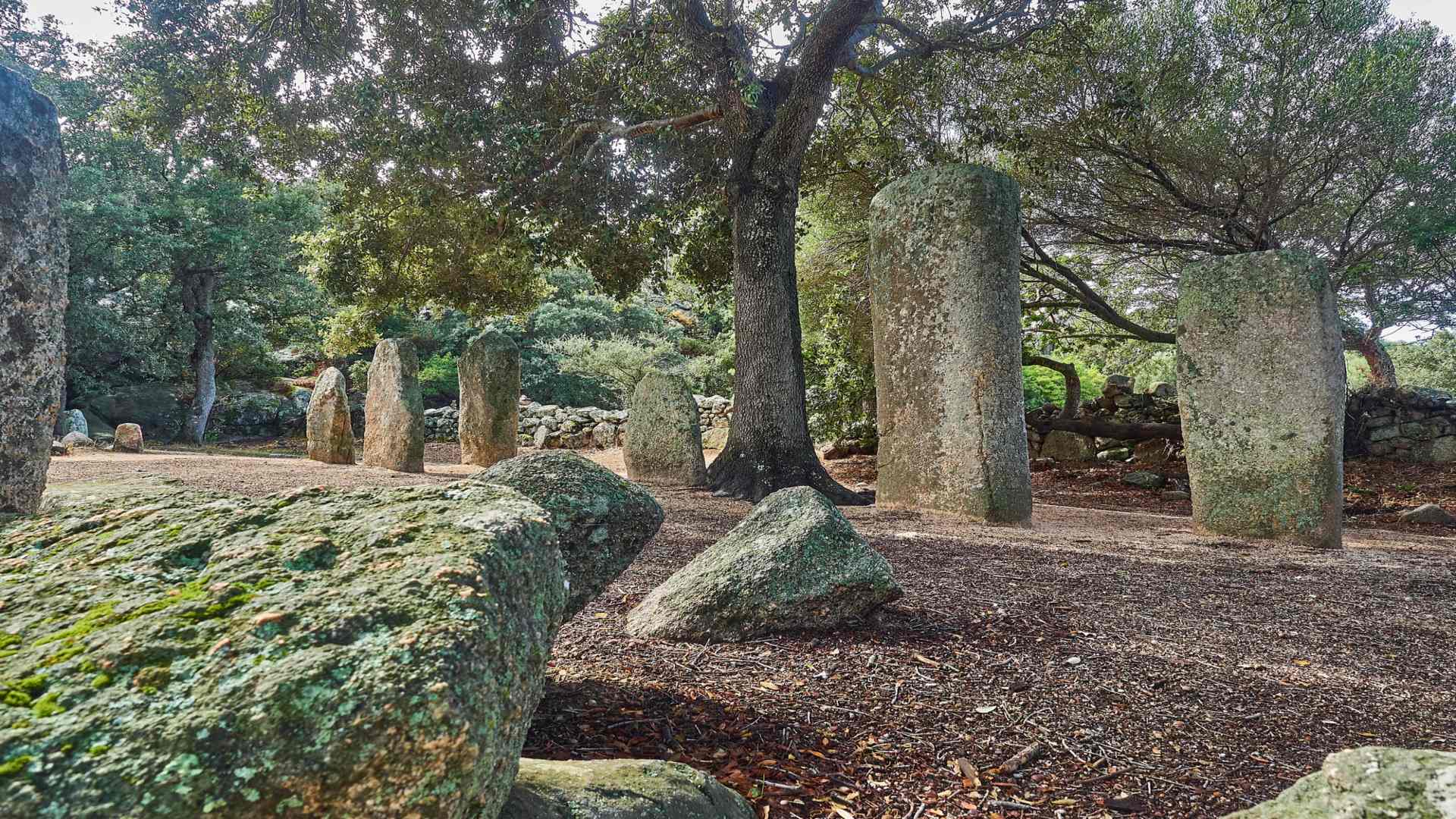
Firstly, we tour the dolmenic tomb at Funtanaccia, and then the menhirs of Rinaghju, followed by the standing anthropomorphic stones of Stantari.
After lunch in Sartène, Dr. Peche-Quilichini guides us through the Musée d’archéologie de la Corse.
Meals: B, L, D
Overnight: Sartène
After breakfast, we head into Corsica’s mountainous interior to Alta Rocca, where we meet up again with our archaeologist-guide.
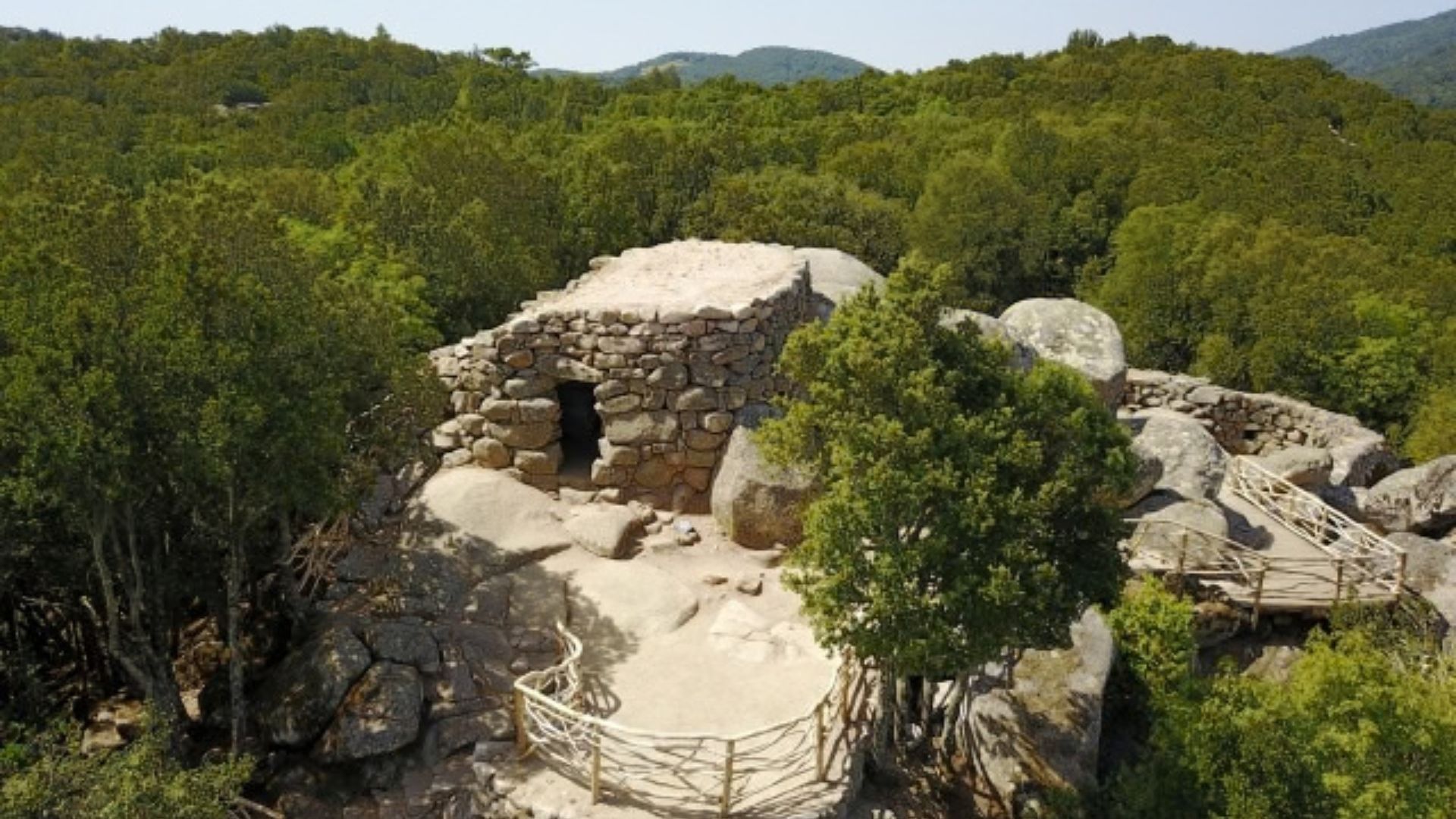
Kewin leads us on a stunning 2-mile-long circular walking trail between a Bronze Age and a medieval site. The first is Cucuruzzu, a castellu, or fortified Bronze Age settlement, abandoned in the 3rd century BC. Its impressive tower is 8 meters in diameter and 4 to 5 meters high.
The second is Capula, where the Lords of Rocca built a defensive castle on top of a Bronze Age settlement in the 12th century.
After lunch in nearby Lévie, Kewin, the museum’s Director, leads us on a behind-the-ropes tour of the Musée de l’Alta Rocca. Here we see a replica of a Corsican Bronze Age house, the Lady of Bonifacio, one of the oldest burials found in Corsica, and the finds from the sites we explored this morning.
Dinner tonight is at your leisure in the charming alleyways of Sartène.
Meals: B, L
Overnight: Sartène
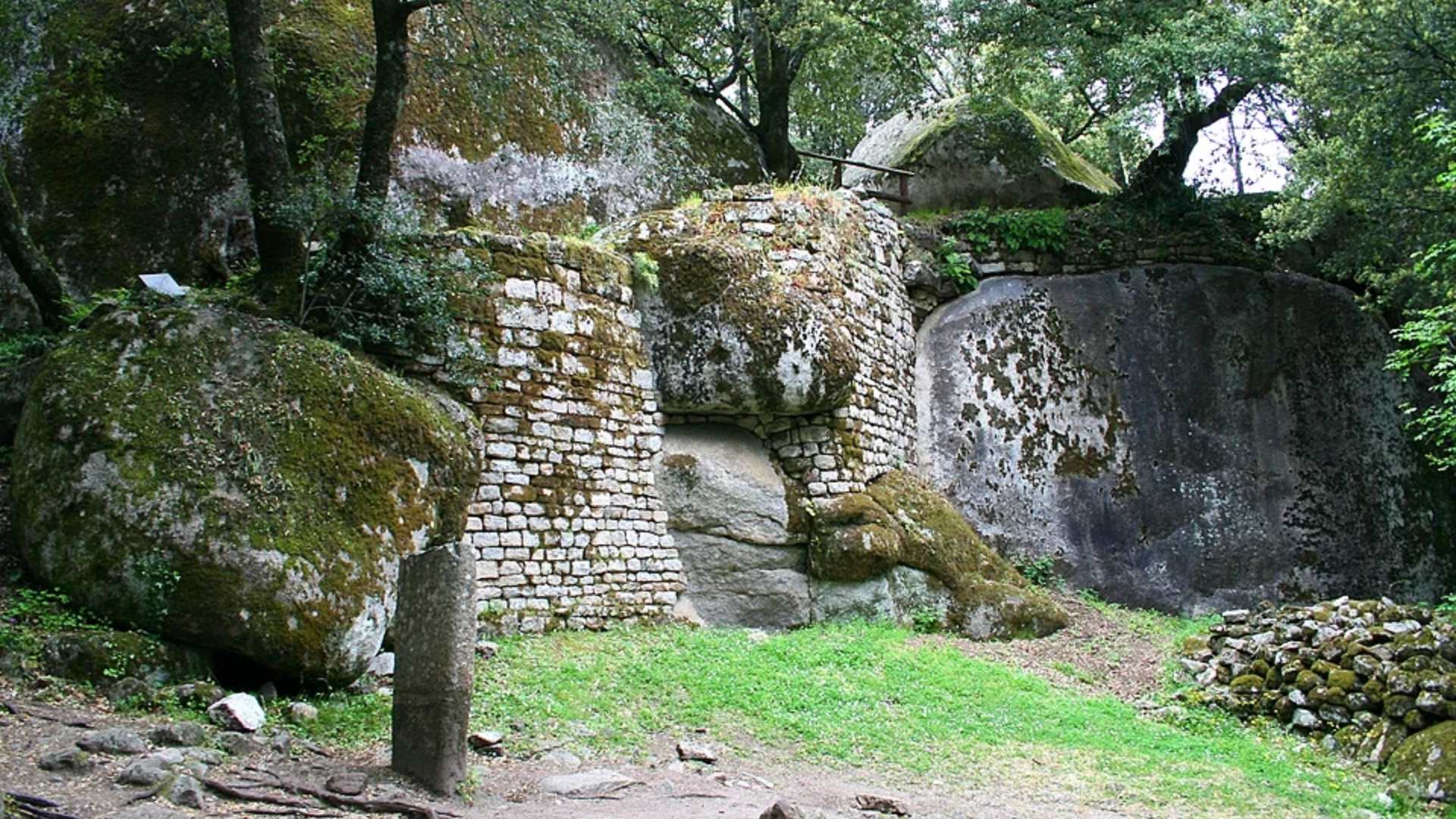
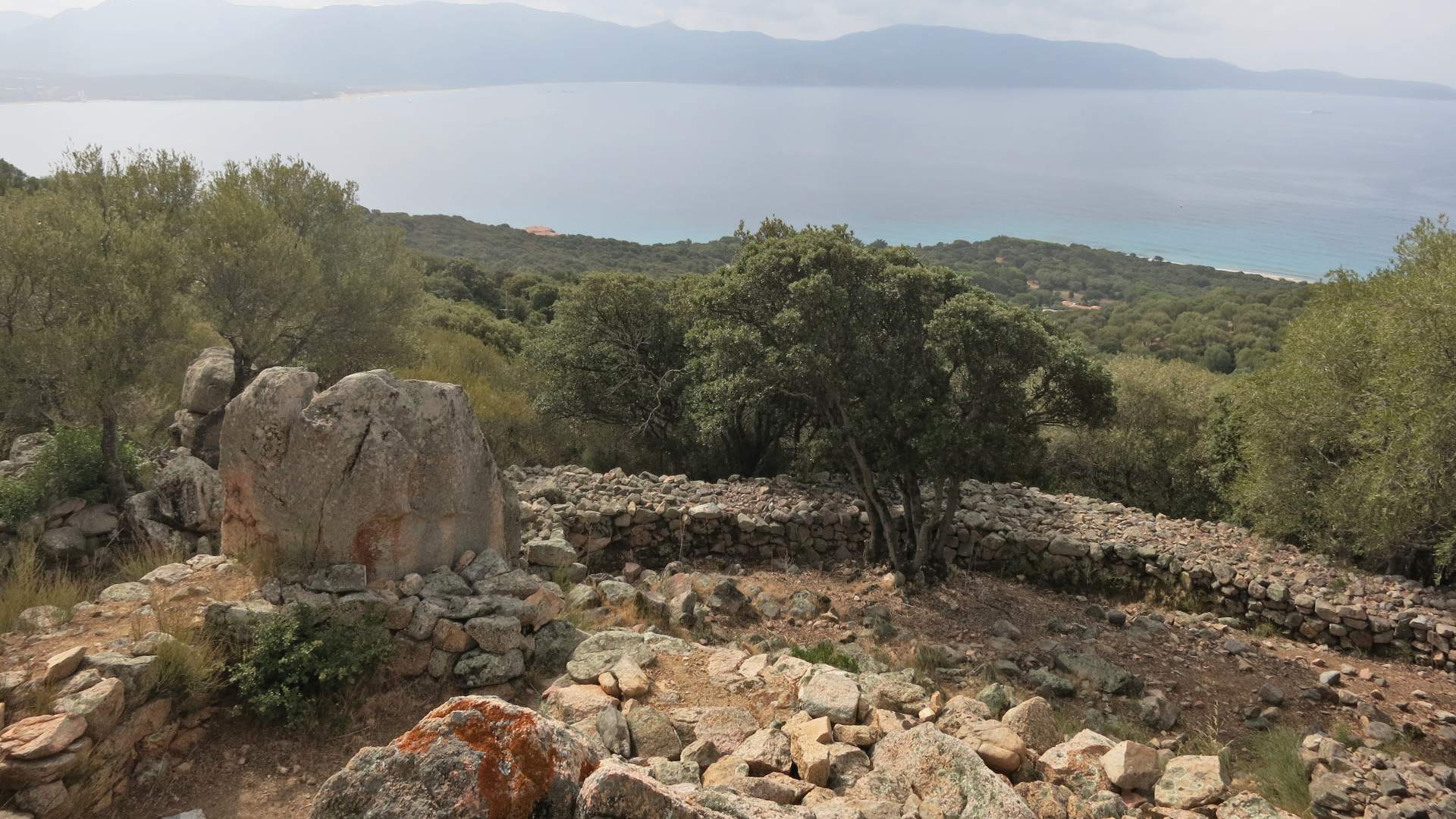
After breakfast, we travel to Casteddu di Cuntorba, a small fortified settlement with a panoramic sea view, and enjoy a tour of the site with our archaeologist.
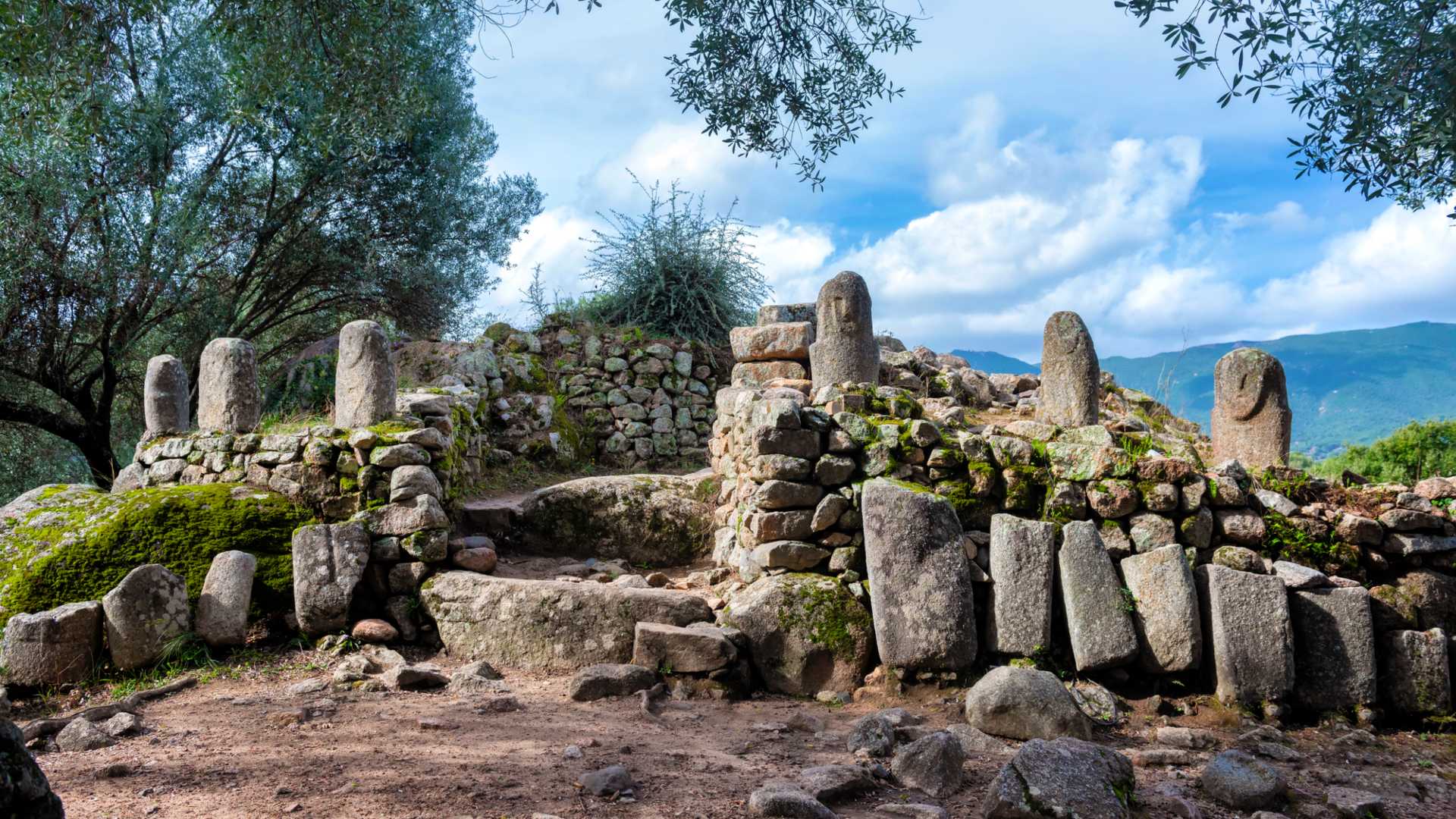
After lunch, we travel a little further north to the prehistoric site of Filitosa, occupied for some 6,000 years, from the Early Neolithic to the Roman era. It holds Corsica’s greatest concentration of megalithic sculpture and art.
For many visitors, this is the most fascinating site in Corsica, thanks to the detailed carvings on its warrior statue-menhirs. Kewin gives us a private guided tour.
In the late afternoon, it’s time to bid farewell to Kewin, as we travel onwards to the lovely port city of Ajaccio, where we settle into our hotel and enjoy an evening meal together.
Meals: B, L, D
Overnight: Ajaccio
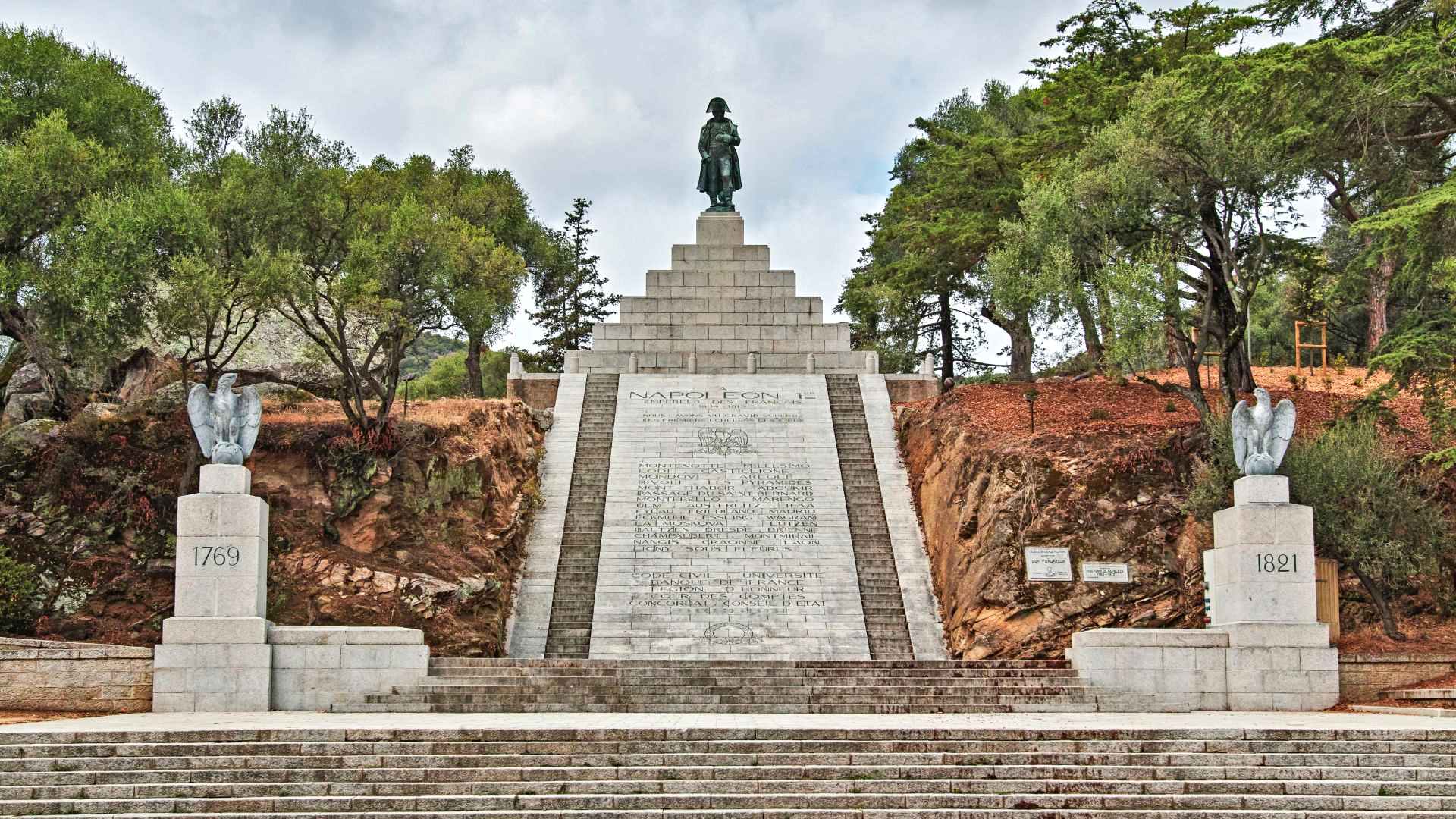
After breakfast, our tour leader, Virginie, leads us on a guided tour of Ajaccio. We visit the most important sites of Napoleon’s legacy, including Maison Bonaparte and Salon Napoléonien in the Town Hall, Cathédrale Notre-Dame-de-l’Assomption, where Napoleon was baptized, and the Chapelle Impériale, the final resting place of several Bonaparte family members.
We also visit an extraordinary art gallery, Palais Fesch. It’s an opportunity to see one of France’s most important collections of Italian Old Masters outside the Louvre, including Titian and Botticelli.
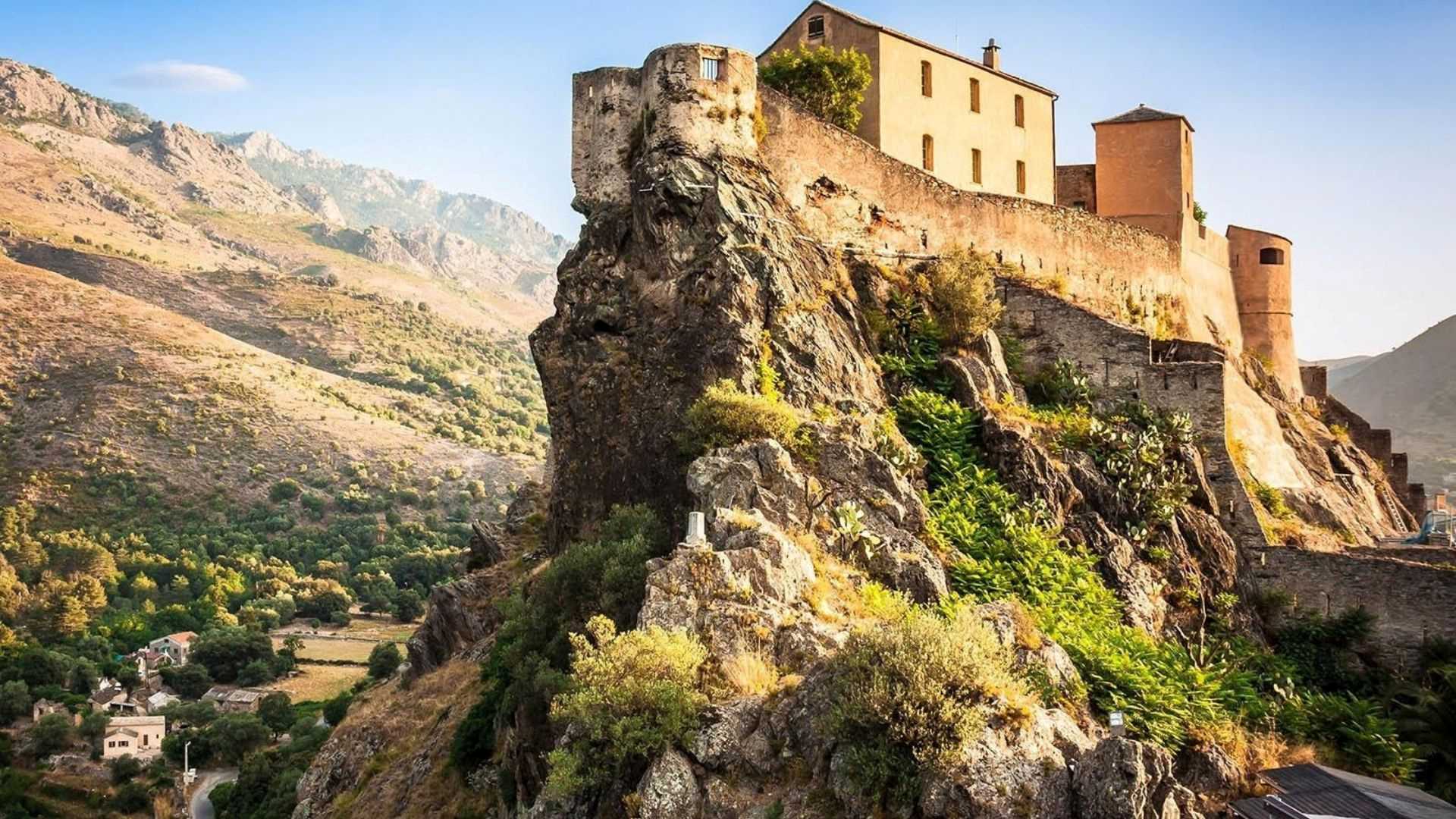
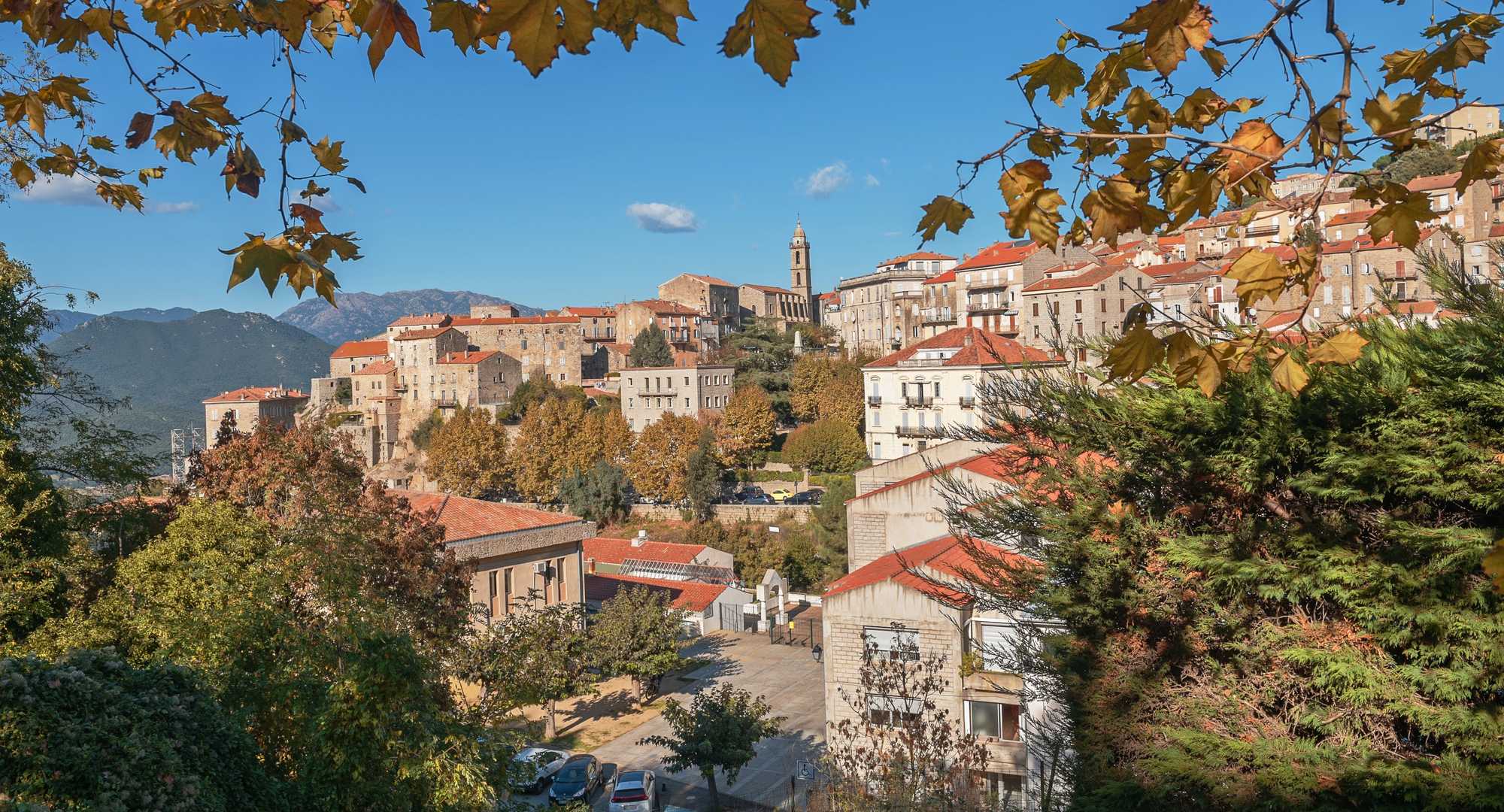
After lunch, we drive into the most Corsican of Corsica’s towns: Corte. In 1755, Pasquale Paoli made it the capital of the independent Corsican Republic. It is the heart of resistance, independence, and the concepts of freedom and identity held dear by Corsicans through centuries of historical memory.
Here we take the train to the Citadel to visit the Musée de la Corse in the former barracks of the citadel and to discover this charming mountain town.
Returning to Ajaccio, dinner tonight is at your leisure.
Meals: B, L
Overnight: Ajaccio
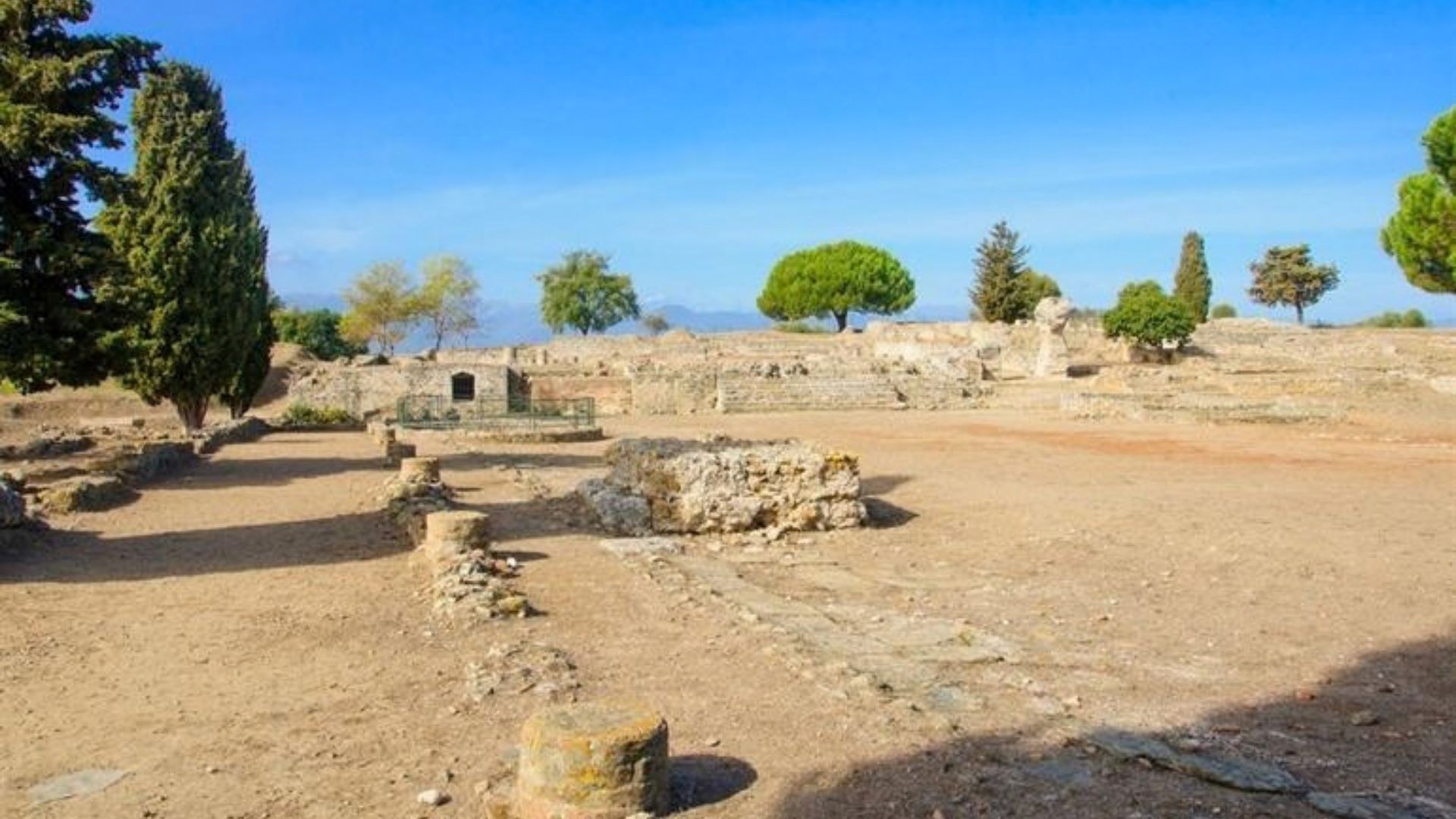
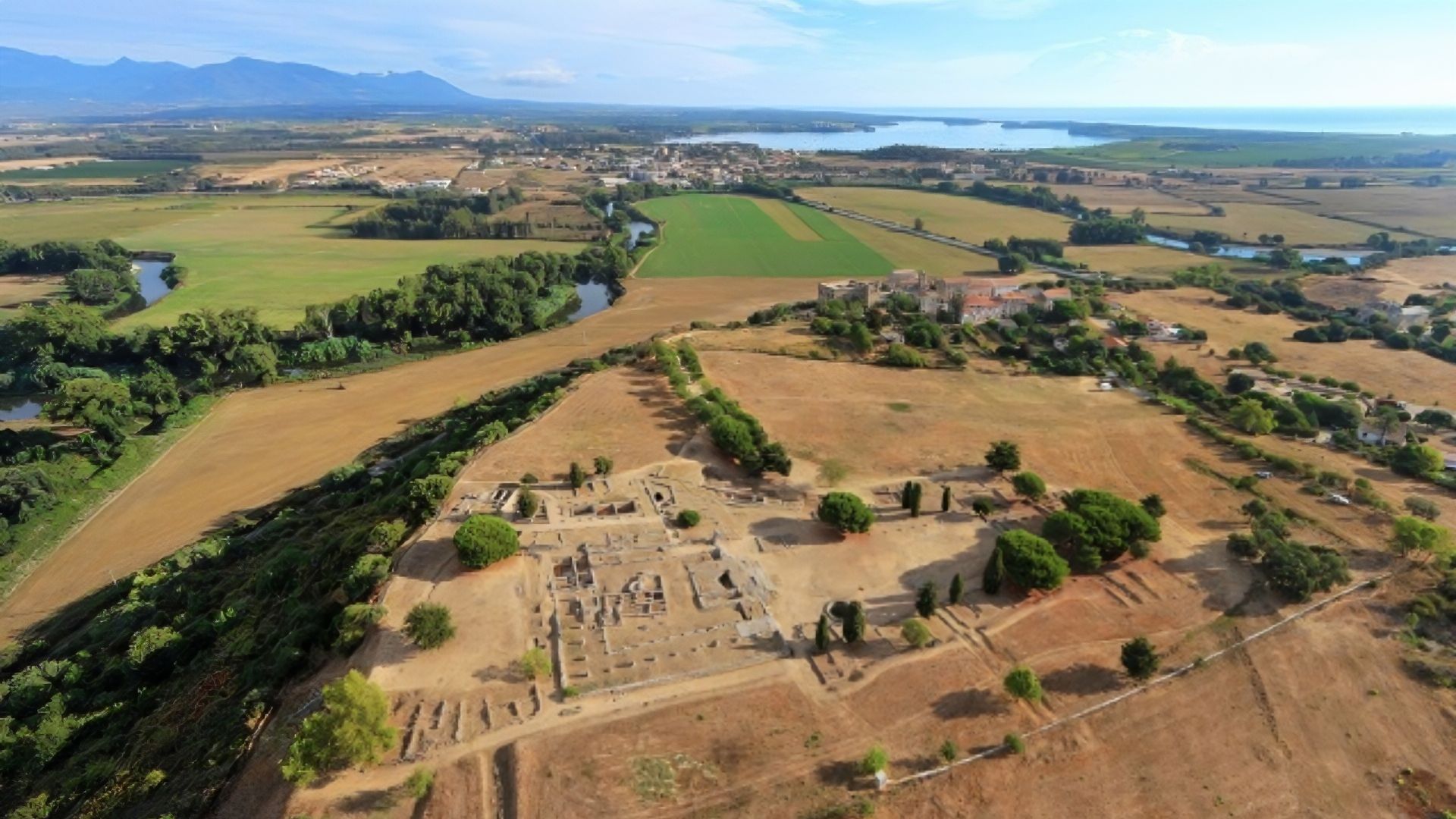
After breakfast, we travel to the archaeological site of Aléria, where a specialist on-site guide leads our private tour of a city founded in 565 BC by Phocaean Greeks and later occupied by the Etruscans, the Carthaginians, and finally the Romans, and then shows us the finds from the site at the Musée Jérôme Carcopino.
Close to Bastia, we visit the former Roman colony of Mariana, founded around 100 BC by Caius Marius, for a private tour of the site and its museum and the Romanesque Canonica church with a specialist on-site guide.
We travel just a short distance further north to the city of Bastia, the last base of our Corsica tour, and settle into our hotel before coming together for an evening meal with wine.
Meals: B, L, D
Overnight: Bastia
Today is the final full day of our Corsica tour, and we spend it in Bastia.
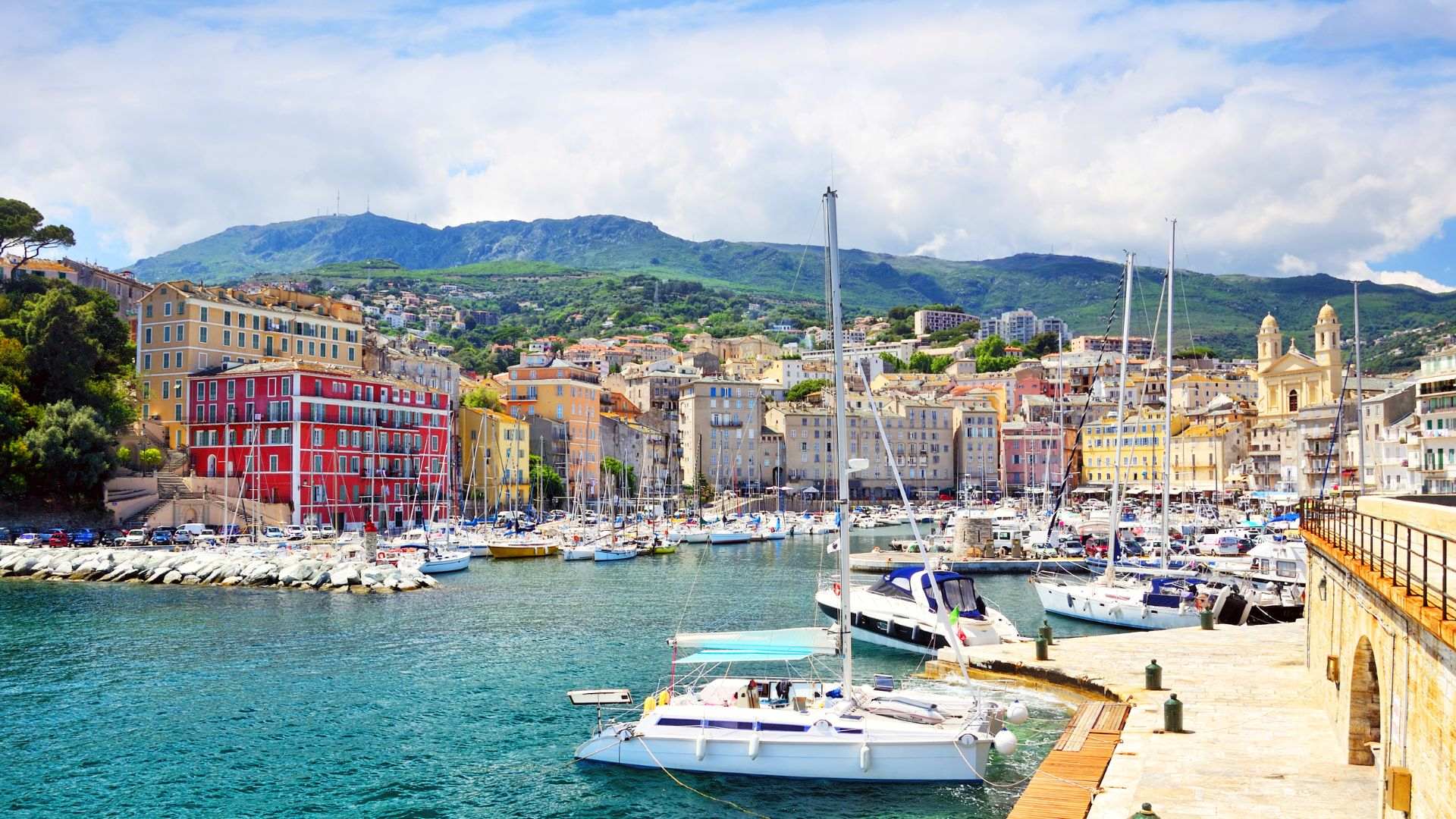
After breakfast, Virginie leads us on a guided walk of Bastia’s upper town (Terra Nova) and lower town (Terra Vecchia). Thankfully, the two are linked by an elevator!
In Terra Nova, the 15th-century citadel built by Bastia’s Genoese rulers, we visit the Governors’ Palace (home to the Musée de Bastia), the Cathedral of Sainte-Marie, and the Oratory of Sainte-Croix.
We then explore Terra Vecchia, a maze of narrow, atmospheric streets, with the Church of Saint-Jean-Baptiste, the Oratory of the Immaculate Conception, and the food market at Place du Marché.
There’s some time for shopping and exploration after lunch, before we gather for a performance of traditional Corsican polyphonic singing and a farewell dinner.
Meals: B, L, D
Overnight: Bastia
After breakfast, we check out of our hotel and transfer as a group to Bastia-Poretta Airport.
It’s farewell to Corsica for now, but we hope to see you again on tour with us soon!
Meals: B

Dr Kewin Pêche-Quilichini is a Corsican archaeologist who specializes in the prehistory of Corsica and the western Mediterranean. Born in Ajaccio, he holds a PhD in Prehistoric Archaeology from Aix-Marseille University, completed jointly with La Sapienza University of Rome, with a doctoral thesis on Corsican pottery of the Bronze Age and Early Iron Age. He went on to complete postdoctoral research with the Archimède programme at the University of Montpellier. His work centers on the societies of Corsica, Sardinia and the wider western Mediterranean in that period.
Kewin’s knowledge comes from years of fieldwork. He has worked with INRAP, the Corsican archaeological service, universities and research institutions, and has directed excavations at sites including Cuciurpula, Cucuruzzu, Nuciaresa, Monti Barbatu and Puzzonu. He knows Corsica’s ancient settlements, fortifications, pottery and daily life in unusual depth. Since 2021, he has been Director of the Musée de l’Alta Rocca in Lévie, in the heart of southern Corsica’s archaeological landscape. The museum holds some of the most important finds from the Alta Rocca region, and his research and fieldwork shape how they are presented to visitors.
Our tours are physically active! Clambering around archaeological sites, castles, acropoli, and fortresses is an essential part of the Take Me To Europe tour experience, and stairs are everywhere in Europe! On our Corsica tour, you will need to be able to:
Our Corsica tour visits the island’s most important archaeological sites. These include the standing stones and dolmen of Cauria, the Bronze Age fortress of Cucuruzzu, the castle of Capula, and the statue-menhirs of Filitosa. We also visit the Greek and Roman city of Aléria and the Roman colony of Mariana. Along the way, we explore the historic towns of Bonifacio, Sartène, Ajaccio, Corte, and Bastia.
Corsican archaeologist Dr Kewin Pêche-Quilichini, Director of the Musée de l’Alta Rocca, guides our visits in the south, including Cauria, Cucuruzzu, Capula, Cuntorba, and Filitosa. At Aléria and Mariana, specialist on-site guides lead our private tours. Our Corsican tour leader, Virginie, guides our walking tours of Ajaccio and Bastia.
We travel through Corsica’s history in order, from its earliest human remains to the house in Ajaccio where Napoleon was born. Specialist archaeologists guide the main sites, and groups are capped at 12 travelers. Many other operators take 16 to 18 people.
Archaeology is at the heart of the tour, but Corsica’s food, landscapes and traditions are part of everyday life. Expect chestnut bread, mountain cheeses and local wines. You’ll also hear Corsican polyphony in Bastia and have time to wander citadels, harbors and village squares.
May, June, September and early October are the best months for a Corsica archaeology tour. The weather is warm without the summer heat, the sites are quieter, and in September the sea is still warm enough to swim. July and August are hot and crowded, so we avoid them.
The tour begins in Bonifacio in the south and ends in Bastia in the northeast. Figari Sud-Corse Airport is closest to the start, and Bastia Poretta Airport is closest to the finish. There are direct flights from mainland France and seasonal flights from other European cities. Please don’t book flights until we confirm the tour is going ahead.
This tour can be booked with our Sardinian tour, in which case you’ll come along with us on the ferry from Sardinia to Bonifacio to begin the Corsica tour.
Groups are limited to a maximum of 12 travelers. A small group gets better access to the sites, more time with your archaeologist guide, and space in the smaller restaurants and villages that larger tours can’t use.
This tour suits travelers with reasonable mobility. Expect around 2 hours of walking each day, often on uneven ground. Cucuruzzu is reached by a rocky woodland path. Bonifacio and Corte have steep cobbled streets and steps. Please contact us before booking if you have any concerns – we are great at adapting our tours to your specific needs.
The tour price includes 7 nights in carefully chosen hotels, daily breakfast, 6 lunches and 5 dinners, beer and wine at lunch and dinner, and all site entrance fees and activities in the itinerary. It also covers private transport, an archaeologist guide at key sites, and a Corsican tour leader throughout. International flights, some meals and personal expenses are not included.
The 2027 Corsica tour costs US$5,999 per person sharing a room. Solo travelers pay a 20% single supplement. If you’d like a roommate, we’ll try to match you with another solo traveler, and the supplement won’t apply. 2028 prices will be slightly higher.
No prior knowledge at all is needed. Our guides explain each site from the beginning. They’re also happy to go into more detail for guests who already know their Neolithic from their Bronze Age. Just make sure to pack your curiosity!
Yes. Southern Corsica is a short ferry crossing from northern Sardinia across the Strait of Bonifacio. Combining the two lets you compare Corsica’s Bronze Age fortresses and statue-menhirs with Sardinia’s nuraghi and Giants’ Tombs. Contact us to plan dates across both islands or book our combined tour!

Free 16-page guide
Written by archaeologists. Submerged Roman villas, underground cities and abandoned Greek quarries –, with maps, access details and what to see at each.
One email a week. Unsubscribe anytime.