Ever wondered what it’s like to explore ancient ruins with the archaeologist who actually excavated them? Archaeological tours offer something a standard sightseeing trip never can – the chance to understand ancient civilizations through the eyes of experts who’ve spent their careers uncovering their secrets.
Archaeological tours are specialized journeys that go beyond surface-level tourism to explore the material remains of past civilizations. Unlike general cultural tours that might spend 30 minutes at a major site before rushing to the next photo opportunity, archaeological tours provide in-depth exploration led by professional archaeologists who can read the stones like pages in a book.
These aren’t your typical museum visits with audio guides. When you join an archaeological tour, you’re learning from experts who understand not just what you’re looking at, but why it matters – from the construction techniques of Mycenaean palaces to the sacred geometry of Malta’s prehistoric temples.
At Take Me To Europe Tours, we take this one step further. Our guides aren’t visiting lecturers flown in for the occasion – they’re local archaeologists who’ve extensively worked on local sites.
Not all archaeological tours are created equal. The difference between a memorable, enriching experience and a disappointing one often comes down to four critical factors that separate exceptional archaeological tours from glorified sightseeing trips.
The cornerstone of any great archaeological tour is the quality of expertise guiding you. While many tours employ art history graduates or general guides with memorized scripts, the best archaeological tours feature professional archaeologists who’ve actually worked in the field.
Imagine exploring the Treasury of Atreus at Mycenae with someone who’s excavated similar Bronze Age tombs, or walking through Malta’s Ħaġar Qim temples with an archaeologist currently researching Neolithic construction techniques. This level of expertise transforms ruins from old stones into vivid windows into ancient lives.
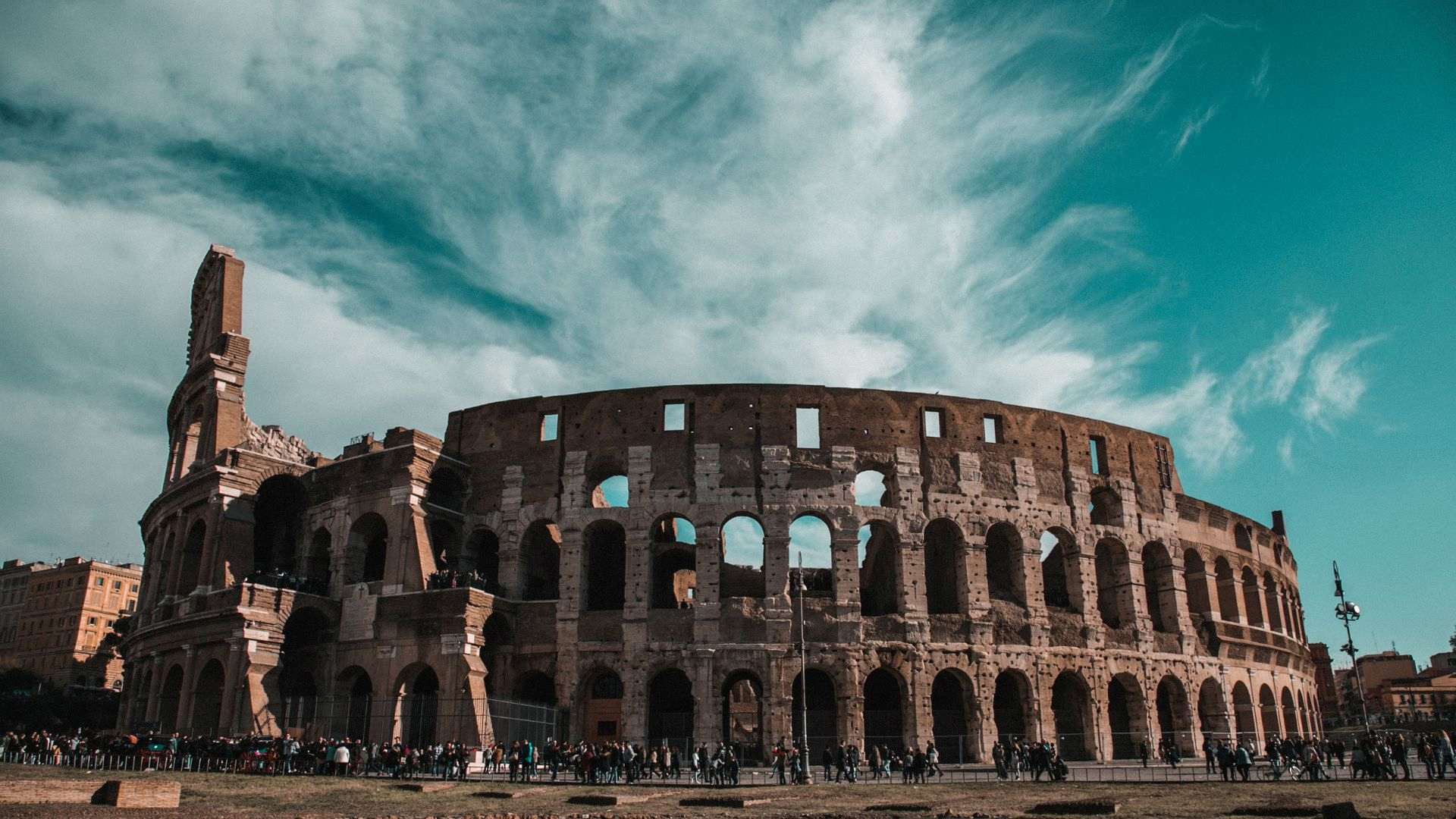
Archaeological sites aren’t theme parks – they’re fragile windows into our past that require respectful, thoughtful exploration. Quality archaeological tours limit group sizes, typically to 12-16 people maximum.
This isn’t just about comfort; smaller groups can access restricted areas, spend quality time examining details larger tours must skip, and engage in real discussions rather than one-way lectures. When you’re exploring a Byzantine church in Cyprus or a Minoan palace in Crete, you want to ask questions, not strain to hear over 40 other tourists.
The best archaeological tours understand that even the most passionate history enthusiasts need variety. A quality tour intersperses intense site visits with cultural experiences – perhaps a traditional pottery demonstration showing techniques unchanged since antiquity, or a meal featuring recipes that would be familiar to ancient inhabitants. This rhythm prevents “temple fatigue” while deepening your understanding of how archaeological discoveries connect to living traditions.

Great archaeological tours offer what no guidebook can – access to ongoing discoveries and current archaeological thinking. When your guide personally knows the site directors and conservation teams, you gain insights into recent finds not yet published, understand active debates in the field, and sometimes even visit areas normally closed to the public. This insider access transforms you from a tourist observing the past to a participant in the continuing story of archaeological discovery.
Archaeological tours come in many forms, each offering unique perspectives on humanity’s past. Understanding these different types helps you choose the journey that best matches your interests and travel style.
These tours focus on the great civilizations that shaped our world – Greeks, Romans, Egyptians, and others who left monumental architecture and rich material culture. In the Mediterranean, this might mean tracing the footsteps of Mycenaean warriors through Bronze Age palaces, exploring Classical Greek temples where democracy was born, or discovering Minoan sites that inspired the legend of the labyrinth.
Our “Secrets of the Labyrinth: Minoan Crete Tour” exemplifies this type, combining all four UNESCO-listed Minoan palaces with expert insights into Europe’s first advanced civilization.
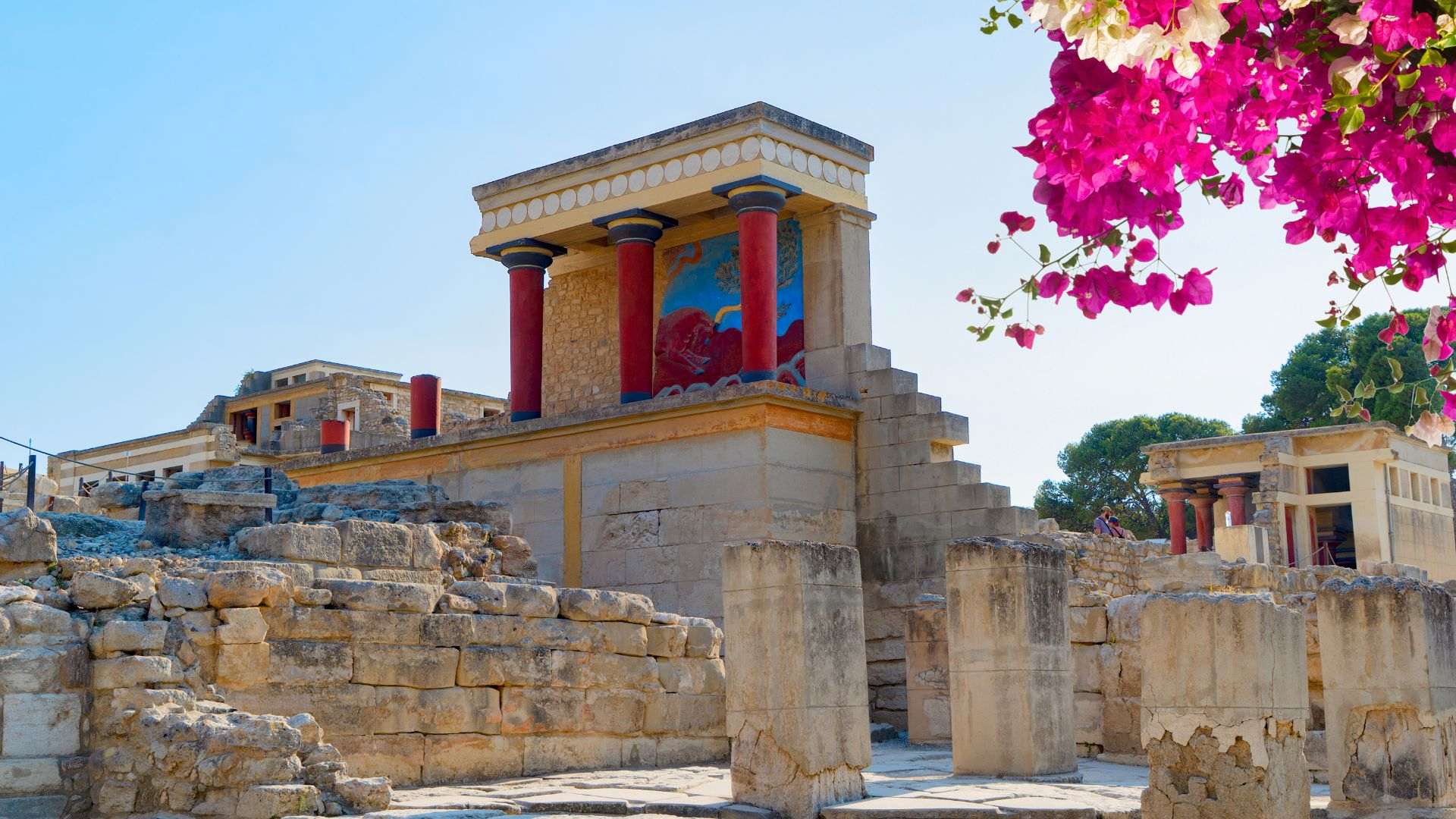
For those interested in the intersection of faith and archaeology, biblical tours explore sites mentioned in sacred texts while examining the archaeological evidence. These journeys visit ancient churches, monasteries, and settlements connected to biblical narratives.
Rather than approaching sites purely through faith or purely through science, quality biblical archaeological tours present both perspectives, allowing travelers to understand how archaeology illuminates religious history. Cyprus, where Christianity first spread beyond the Jewish world, offers particularly rich opportunities for this type of exploration.
Before written history, our ancestors created monuments that still inspire awe. Prehistoric tours focus on Neolithic temples, Bronze Age settlements, and megalithic structures that predate the pyramids. Malta’s temples, older than Stonehenge, offer perfect examples of how prehistoric peoples created sophisticated sacred spaces.
These tours often emphasize archaeoastronomy, ritual practices, and the development of early agricultural societies. The mystery surrounding these sites – who built them, how, and why – makes them particularly engaging for those drawn to archaeology’s unanswered questions.
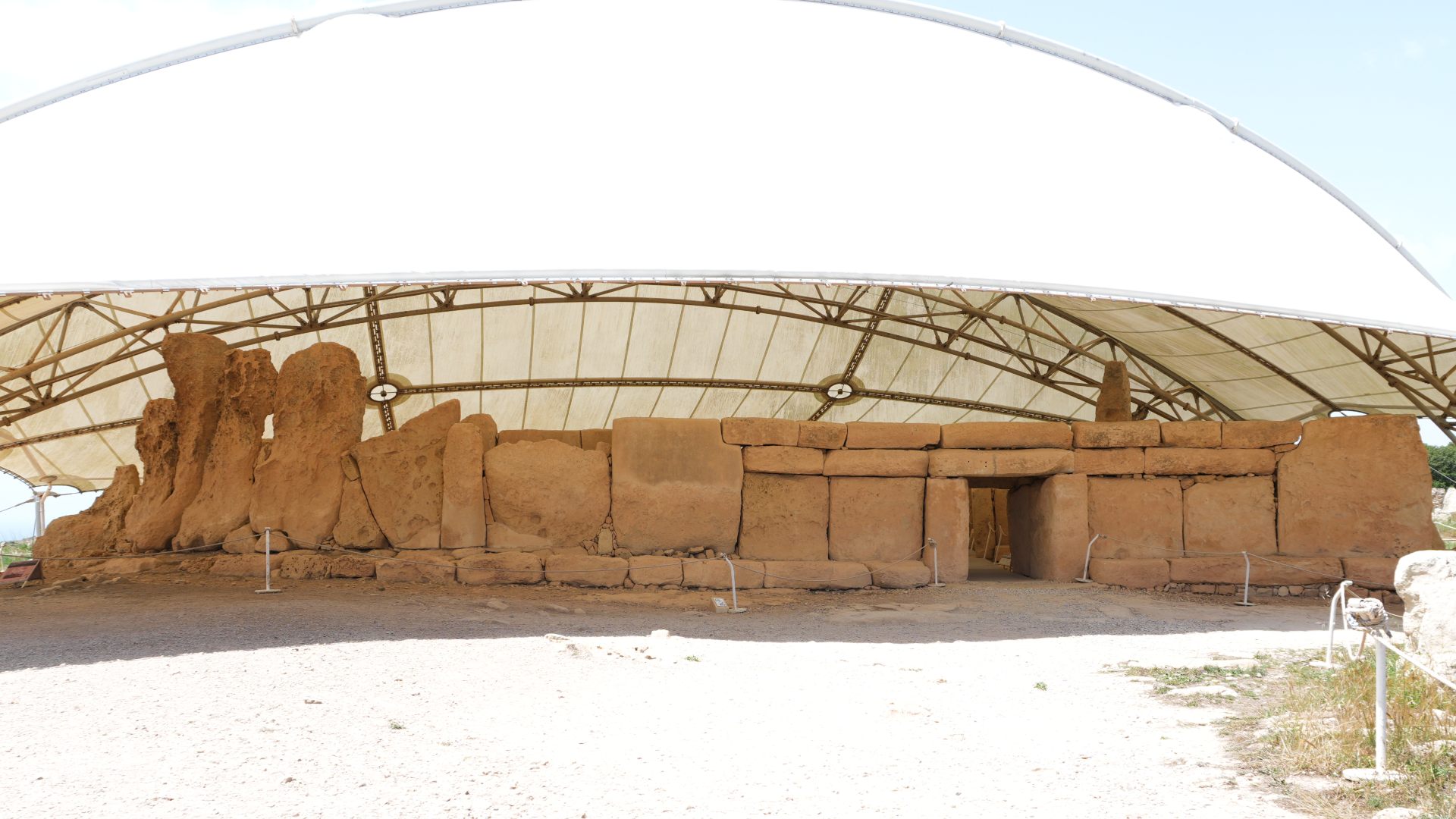
Perhaps the most comprehensive option, these tours trace cultural connections across borders. The Mediterranean’s interconnected history makes it an ideal destination for such journeys – Phoenician traders, Greek colonists, and Roman administrators created extensive networks that linked distant shores.
A multi-country tour might follow ancient trade routes from Cyprus to Malta, or Sicily to Sardinia, revealing how ideas, technologies, and artistic styles spread across the ancient world. Our “Of Stones and Sea” tour exemplifies this approach, connecting 9,000 years of history across two strategic island crossroads.
What’s more, our tours have been thoughtfully designed so they can be ‘chained together’ to create extended archaeological expeditions – combine our Athens tour with the Peloponnese journey, or link Cyprus with Malta for a month-long exploration of Mediterranean archaeology.
This modular approach lets you craft your own archaeological odyssey, with seamless transitions and no repeated content between tours.

Some archaeological tours focus on specific themes rather than regions – ancient engineering, women in antiquity, or maritime archaeology. These specialized journeys appeal to those with particular interests or expertise, offering deep dives into focused topics across multiple sites.
Each type offers its own rewards, from the spiritual insights of biblical archaeology to the detective work of prehistoric investigation. The key is matching your interests with the right archaeological focus.
Discover our complete collection of archaeological tours, each led by local experts who bring decades of excavation experience to every site visit. From prehistoric temples to Byzantine churches, these journeys offer unparalleled access to the Mediterranean’s greatest archaeological treasures.
Cyprus has been a strategic crossroads for 11,000 years, and this comprehensive tour explores every layer of its remarkable history. Led by archaeologists who’ve excavated on the island since 1977, you’ll visit all three UNESCO World Heritage sites and discover why everyone from the Mycenaeans to the Venetians coveted this island.
Highlights include the Neolithic settlement of Choirokoitia, the spectacular mosaics of Paphos, and the painted churches of the Troodos Mountains. With only 12 participants, you’ll enjoy intimate access to sites often closed to larger groups, plus insights into recent discoveries not yet in guidebooks.
Perfect for those who want to understand how geography shapes history and want to experience the most comprehensive archaeological-focused tour of this beautiful island.

This extraordinary biblical archaeology tour retraces the journeys of the Apostles Paul, Barnabas, and Mark, and also St. Helen across Cyprus – the first Christian nation. Your expert combines deep scriptural knowledge with archaeological evidence, visiting sites mentioned in Acts alongside ancient monasteries and Byzantine churches adorned with stunning frescoes.
Highlights include Paphos, where Paul converted the Roman proconsul, the Monastery of Saint Barnabas, and mountain churches that have maintained continuous worship for 1,500 years. As you follow in the footsteps of the saints, you’ll examine how archaeology confirms, complicates, and enriches biblical narratives and our understandings of early Christian history and culture.
Limited to 12 participants for meaningful discussions at sacred sites.

Perfect for those with limited time but unlimited curiosity, this intensive Athens tour goes far beyond the Acropolis. While you’ll certainly explore the Parthenon with insights into its revolutionary architecture and hidden symbolism, you’ll also discover the ancient Agora where democracy was born, the magnificent Temple of Hephaestus, and lesser-known gems like the Kerameikos cemetery and Ancient Eleusis, the site of the Eleusinian Mysteries.
Museum visits are timed to avoid crowds, with your archaeologist guide revealing stories behind the artifacts – from the controversial Elgin Marbles debate to the golden mask of Agamemnon. Special evening access to select sites when available.
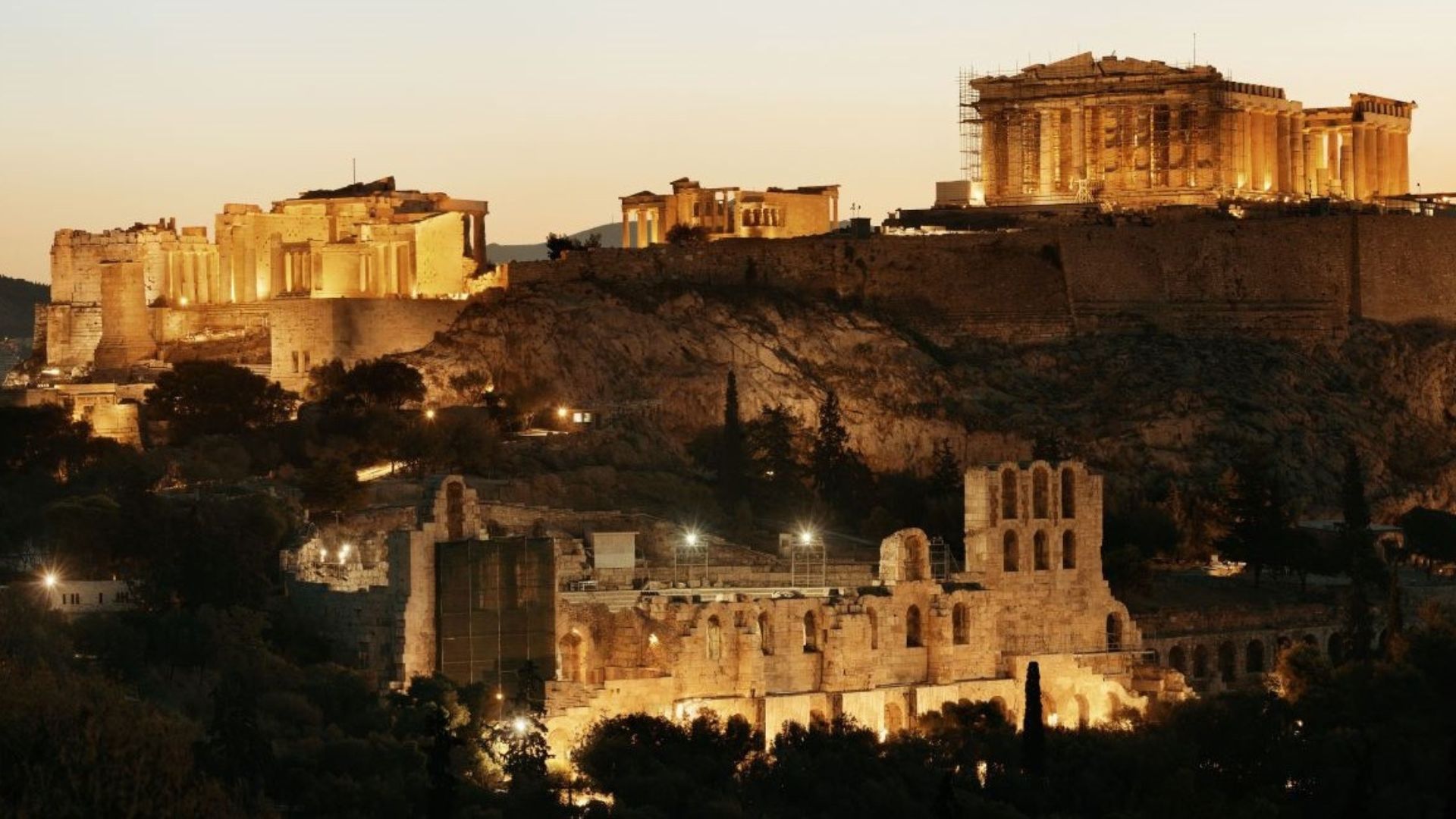
Walk in the footsteps of Agamemnon at Mycenae, race where ancient Olympians competed, and consult the Oracle at Delphi on this journey through Greece’s most legendary archaeological sites. Your archaeologist guide brings Bronze Age citadels to life, explaining how Cyclopean walls got their name and why the Treasury of Atreus represents the pinnacle of Mycenaean engineering.
Beyond the famous sites, discover hidden gems like the perfectly preserved theater at Epidaurus and the sunken city of ancient Epidavros. Each evening, retreat to carefully selected 4-star hotels that balance authenticity with comfort, often with views of the very sites you’ve explored.

Northern Greece tells a different story from the classical south – one of Macedonian kings, mystical oracles, and monastic traditions. The journey begins in Delphi’s sacred sanctuary and then ascends to the monasteries of Meteora, perched impossibly on rock pillars.
Explore Thessaloniki’s Byzantine splendor before exploring Pella, birthplace of Alexander the Great, where recent excavations reveal stunning statues, and then onwards to Philippi, founded by Philip II.
At Vergina, descend into the underground museum housing Philip II’s intact tomb with its golden treasures. The journey includes a cruise to Mt. Athos’s monastic republic. Your archaeologist guide connects ancient Macedonian ambitions to Byzantine spirituality, showing how this region shaped both Greek and world history.

Our most comprehensive mainland journey weaves together Greece’s entire archaeological story, visiting 13 UNESCO World Heritage sites. Beginning in Athens, we explore the great monumnet sof Classical Greece before traversing the Peloponnese’s Bronze Age citadels, Classical sanctuaries, and Byzantine cities.
Continue north through Delphi to the splendour of Byzantine Thessaloniki, the ancient cities of Dion, Pella, and Philippi, Macedonia’s royal tombs, then cruise the Mt. Athos peninsula to view of UNESCO World Heritage monasteries.
This is archaeology on an epic scale, yet the pace allows genuine exploration – spending hours in conversation with your archaeologist guide at major sites like Olympia and Delphi rather than rushed photo stops. Your expert transforms each location from a collection of ruins into a living chapter placed within the span of Greek and world history.
Ideal for first-time visitors wanting the complete Greek archaeological experience or returning travelers ready to go deeper.
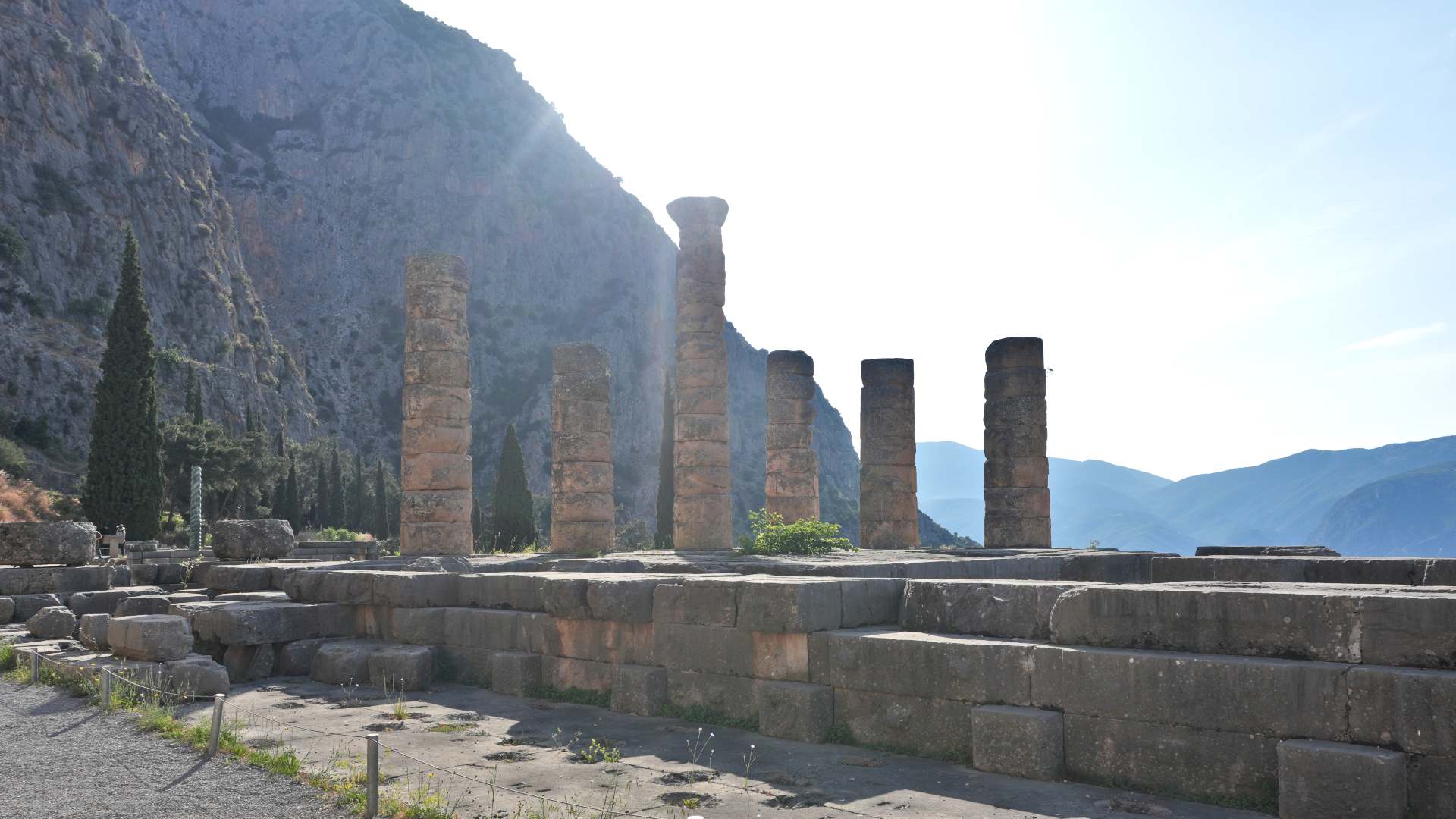
Uncover the mysteries of Europe’s first advanced civilization with a specialist in Minoan archaeology. This comprehensive journey explores all four Minoan palaces open to the public – Knossos, Phaistos, Malia, and Kato Zakros – plus lesser-known sites that reveal daily life in Bronze Age Crete.
Your archaeologist guide’s unique history and archaeology expertise transform the stones of these ancient ruins into vivid ancient cities, explaining everything from the undeciphered Linear A script to the possible truth behind the Minotaur myth. The tour begins in Athens at the National Archaeological Museum before moving to Chania in Crete.
It includes the magnificent Minoan collections in Heraklion, a visit to Santorini (ancient Thera), where a Minoan town was preserved by volcanic ash.

Malta’s temples predate the pyramids, yet few travelers know about these extraordinary monuments. Join our renowned Malta archaeologist – who actively excavates these sites – for an intimate exploration of Europe’s oldest free-standing structures. You’ll decode the symbolism of spiral carvings at Tarxien, marvel at the precision of Ħaġar Qim‘s solar alignment, and descend into the mysterious Hypogeum.
The tour also reveals Malta’s layered history through Phoenician ports, Roman villas, and the magnificent fortifications of the Knights of St. John. Small group access means experiencing sites like the Temples of the Giantess on Gozo with just your fellow travelers, not the usual crowds.

Discover Sardinia’s mysterious nuragic towers and ancient monuments with local archaeological experts. Journey from southern cities and Phoenician historic ports, to spectacular Giants’ Tombs and sacred wells in the northeast. This carefully paced tour reveals an island civilization that created thousands of stone towers whose purpose still puzzles archaeologists.
Sardinia’s mysterious nuragic civilization built over 7,000 stone towers across its island, yet remained unknown to most ancient writers. This unique tour explores these enigmatic monuments with a local archaeologist actively researching and excavating nuragic sites and cultural meanings.
From the complex of Barumini (UNESCO site) to the sacred well temples and Giants’ Tombs, discover a Bronze Age society that created sophisticated architecture without written records. The tour balances archaeology with Sardinian culture – visiting traditional villages, sampling distinctive cuisine, and understanding how ancient traditions persist. Small group size allows access to sites on private land rarely seen by tourists.
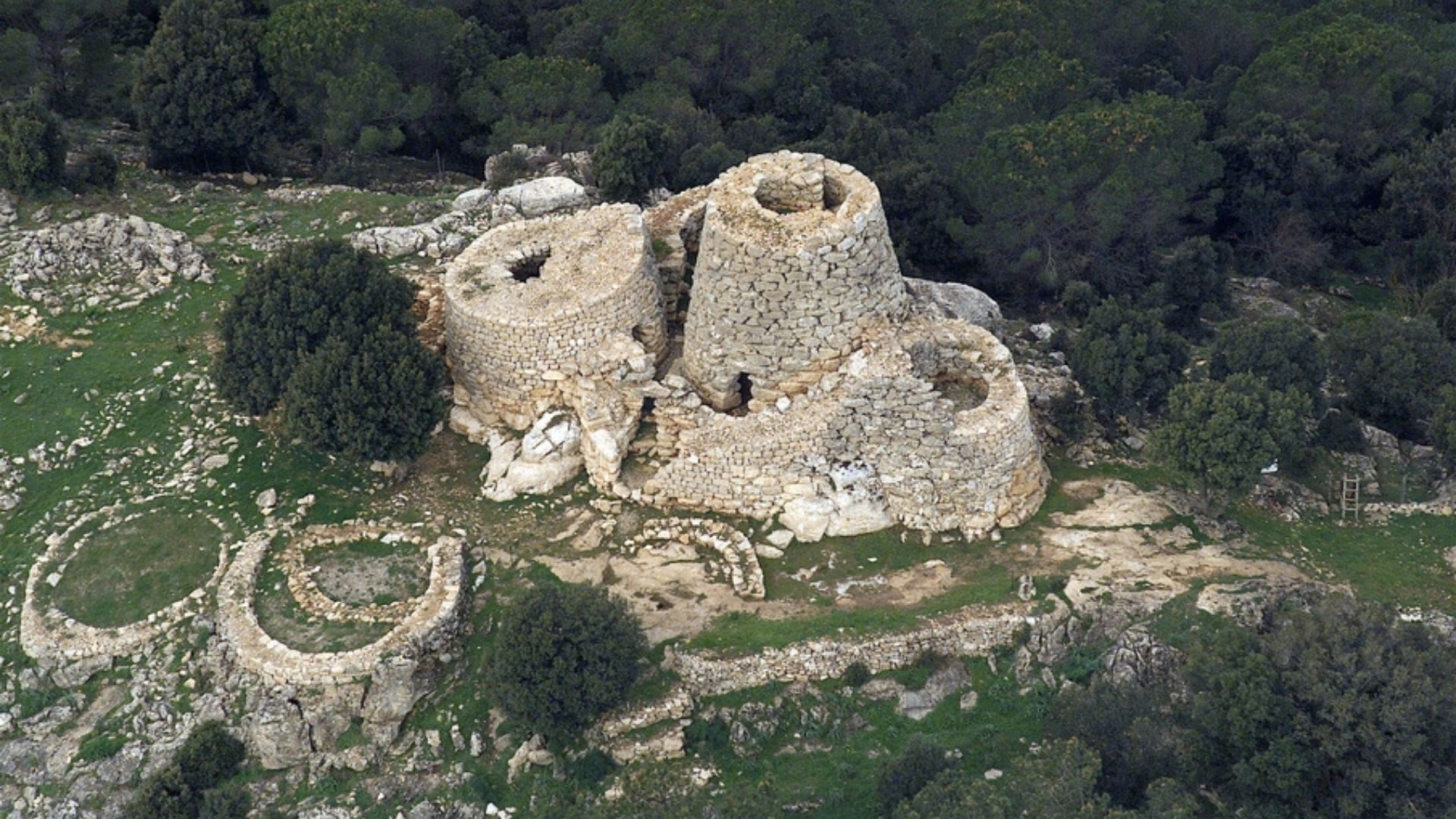
This ambitious journey links two strategic islands that served as stepping stones across the ancient Mediterranean. Begin in Cyprus, exploring its copper wealth that gave the Bronze Age its name, then sail to Malta with its mysterious prehistoric temples. Your archaeological team – including specialists from both islands – reveals how these outposts influenced and were influenced by surrounding civilizations.
From Choirokoitia‘s Neolithic round houses to Malta’s cart ruts carved in stone, examine how island cultures developed unique responses to their isolation and connectivity. The tour’s thoughtful pace includes rest days in charming coastal towns, balancing intensive site visits with Mediterranean relaxation.
All our rich historical tours are designed to connect seamlessly. Create your own archaeological odyssey—perhaps starting with Athens, continuing through the Peloponnese, then sailing to Crete, or linking Cyprus with Malta for a comprehensive island archaeology experience.
Whether you choose a single tour or chain several together for an extended archaeological expedition, you’ll experience Europe’s archaeology and history as few travelers ever do.
Selecting the right archaeological tour can mean the difference between a transformative journey through ancient history and an expensive disappointment. Here’s what to consider when making your choice.
The size of your tour group fundamentally shapes your experience. Large tours of 20-40 people might seem economical, but consider what you lose: intimate discussions become impossible, sites feel crowded even when empty of other tourists, and guides resort to shouting over the group rather than sharing nuanced insights. It’s also the difference between a small minibus that can get to just about anywhere, and a large coach.
Look for tours limiting groups to 12-16 people maximum. Smaller groups can access restricted areas, spend quality time at each location, and create space for the spontaneous discoveries that make archaeological travel memorable. When you’re exploring a Byzantine chapel or examining Minoan frescoes, you want conversation, not crowd control.
Most older, well-established archaeological tour companies feature “expert lecturers” – often [very] retired professors flown in for the occasion. While their academic credentials may impress, consider the value of local archaeological guides who’ve spent decades working these specific sites. Did your ‘expert’ even excavate any of these sites?
Local archaeologists maintain relationships with site directors (and some of our archaeologists are site directors), often participating in their own ongoing excavation research programs.
They can share not just textbook history but living archaeology – the thrill of recent discoveries, ongoing debates in the field, and how ancient sites connect to modern communities. Ask whether your guide has actually worked at the sites you’ll visit.
At Take Me To Europe Tours, we feel very strongly about this. We want to support conservation efforts in-country, we want to maintain employment opportunities year-round, and help support sustainable communities of practice. We want to spend your money in-country.
That’s why you won’t find us flying in any crusty old lecturers to bore you with early morning and evening lectures – you’ll just engage in conversations whenever you like with your local archaeologist guide. We believe this is responsible archaeological travel.
Archaeological sites rarely accommodate modern convenience. Be realistic about physical requirements – ancient stairs lack handrails, uneven ground is the norm, and summer Mediterranean heat can be intense. Quality tours clearly communicate physical demands for each day and build in rest periods.
Look for itineraries that balance intensive site visits with cultural experiences and relaxation. The best archaeological tours also offer alternatives for different fitness levels, ensuring everyone can participate meaningfully.
The Mediterranean archaeological season has distinct rhythms. July and August bring crushing heat and crowds that can diminish even the most spectacular sites. April-May and September-October offer ideal conditions – comfortable temperatures for exploration, sites free from summer masses, and often better light for photography.
Some sites have extended hours in shoulder seasons, allowing magical early morning or evening visits. Consider too that many archaeologists lead tours during university breaks, making spring and fall prime times for expert-led experiences.
Winter can be rewarding for certain destinations, though some mountain sites may be inaccessible. Traveling to Malta in December, for example, is a chance to see the solar alignment of the Megalithic Temples during the winter solstice.
The right archaeological tour matches your interests, physical abilities, and learning style while providing genuine expertise and meaningful access to the ancient world.
The difference between wandering through ancient ruins with a guidebook and exploring them with an expert archaeologist is like the difference between looking at sheet music and hearing a symphony performed. Here’s why expert-led archaeological tours transform site visits into profound encounters with the past.
When your guide has personally excavated at the sites you’re visiting, every stone tells a story. Our archaeological guides don’t just recite dates and dynasties – they share the excitement of discovery, the puzzles that keep archaeologists awake at night, and the “eureka” moments when fragments suddenly form a picture.
Imagine standing at Knossos with someone who’s actually uncovered Minoan pottery or exploring Mycenae with an archaeologist who’s mapped its Bronze Age drainage systems. These aren’t second-hand stories from textbooks but firsthand accounts from the field.
Archaeological understanding evolves constantly. That interpretation you read in a 10-year-old guidebook? It might be completely outdated. Expert-led tours provide access to current thinking and recent discoveries often not yet published for general audiences.
Our guides maintain active connections with excavation teams and university departments, meaning you’ll hear about finds from last season’s dig, ongoing conservation projects, and fresh interpretations challenging established views. This insider perspective transforms static monuments into dynamic, evolving stories.
Choosing expert-led tours directly supports the communities preserving these ancient treasures. As proud members of Responsible Travel, we prioritize hiring local archaeologists and guides, creating sustainable livelihoods for those who dedicate their careers to protecting cultural heritage.
Your tour fee is, in part, made up of site fees that help fund conservation and cultural heritage programs, support young archaeologists entering the field, and maintain relationships between tourist sites and research institutions. This creates a virtuous cycle – tourism income supports archaeology, which reveals new wonders for future visitors.
General tour guides often deliver rehearsed scripts focusing on kings, dates, and battles. Archaeological experts read sites like detectives, pointing out details others miss – construction techniques revealing ancient engineering genius, pottery shards indicating trade networks, architectural modifications showing how societies evolved.
They’ll explain why that unremarkable wall foundation actually revolutionizes our understanding of Bronze Age urban planning, or how those faint fresco traces reveal religious practices never recorded in texts.
Our guides maintain professional relationships within the archaeological community, which enhances the depth of information they can share. While we cannot guarantee special access to restricted areas, our guides’ expertise ensures scientifically accurate information based on current research.
They stake their professional reputations on accuracy, unlike commercial guides who might embellish for entertainment. Any special access opportunities depend entirely on current site conditions, excavation schedules, and permissions from local authorities.
Expert-led archaeological tours model best practices for site preservation. Our guides understand conservation challenges and ensure groups respect fragile remains. They’ll explain why you shouldn’t touch certain surfaces, why photography restrictions exist in some areas, and how tourism income funds preservation. This awareness helps ensure these irreplaceable sites survive for future generations while allowing meaningful access today.
The investment in an expert-led tour pays dividends in understanding, access, and impact. You’re not just seeing the ancient world – you’re contributing to its preservation and joining the ongoing conversation about humanity’s shared heritage.

Dr. Monique Skidmore is an anthropologist and founder of Take Me To Europe Tours, an ATIA-accredited boutique company specializing in small-group archaeology and history journeys across the Mediterranean. She has spent decades studying the cultures of the Mediterranean’s great civilizations and designing expert-led itineraries that connect travelers with archaeologists working on the very sites they visit. Through her writing and tours, she helps curious travelers decide whether in-depth, expert-led archaeological journeys are the right way for them to experience Europe’s past.